Category Archives: Diabetes Complications

Prevent or Delay Neuropathy in Type 1 Diabetes with Aggressive Control of Blood Sugar

I couldn’t find a picture of “neuropathy,” so enjoy this

Aggressive efforts to control blood sugar either delays or prevents clinical neuropathy in patients with type 1 diabetes, according to the Cochrane Collaboraton as reported in MedPage Today.  Type 2 diabetics showed a strong trend in the same direction, but did not quite reach statistical significance (p=0.06).  Tight control of diabetes is often at the cost of more frequent episodes of hypoglycemia.

Intensive blood sugar control is also a treatment for established neuropathy.

One in ten diabetics has neuropathy at the time of diagnosis.  After 10 years, four or five of every 10 have it.  The pain of neuropathy is worse than the numbness.

The medical community is still debating how aggressively blood sugars should be managed.

     Steve Parker, M.D.

PS: I don’t know what the Cochrane reviewers consider “tight control” because the article is behind a paywall, and the MedPage Today article didn’t address that either.

Reference: Callaghan BC, et al “Enhanced glucose control for preventing and treating diabetic neuropathy” Cochrane Database Syst Rev 2012; DOI:10.1002/14651858.CD007543.pub2.

Comments Off on Prevent or Delay Neuropathy in Type 1 Diabetes with Aggressive Control of Blood Sugar

Filed under Diabetes Complications

Trouble Seeing? Might Be Your Diabetes Drug

Macular edema is two to five times more common in type 2 diabetics taking pioglitazone or rosiglitazone, according to an article published June 11, 2012, by MedPage Today.  The original research was reported in Archives of Internal Medicine.

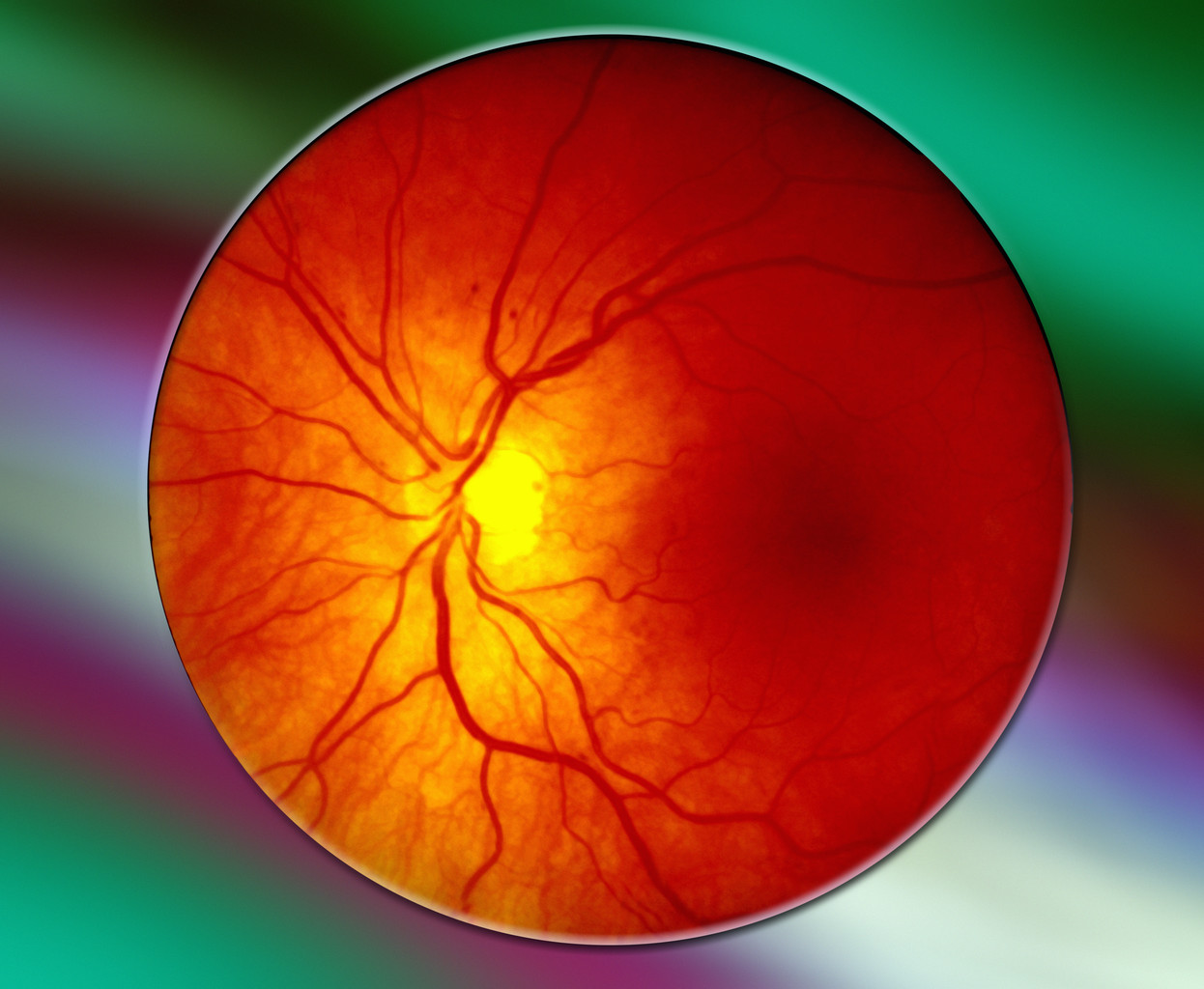
The macula is the dark area in the middle of the right half of this retina photo

The macula is the most sensitive part of the retina at the back of your eyeball.  Edema, or watery swelling, of the macula can impair vision.

Very few patients in the U.S. use rosiglitazone any longer because of concerns about heart toxicity.  Pioglitazone has recently been implicated as a cause of bladder cancer.

You can avoid some diabetes drug complications by controlling blood sugars with diet and exercise.

Steve Parker, M.D. 

Reference:
Idris I, et al “Association between thiazolidinedione treatment and risk of macular edema among patients with type 2 diabetes” Arch Intern Med 2012; DOI:10.1001/archinternmed.2012.1938.

2 Comments

Filed under Diabetes Complications, Drugs for Diabetes

Diabetes Plus Bulimia Equals Diabulimia

MedPage Today has a brief article on “diabulimia,” a disorder in type 1 diabetics who withhold insulin in order to lose weight.

After following the women for 11 years, the researchers found that those who restricted insulin had increased rates of diabetes complications, shortened lifespan, and increased mortality risk.

Factors that were associated with insulin restriction included greater eating disorder symptoms, diabetes-specific distress, overall psychological symptoms, and fear of hypoglycemia at baseline.

Diabulimics believe the theory that insulin is a major fat-storage hormone.  Furthermore, the high blood sugar levels resulting from inadequate insulin dosing lead to loss of calories (sugar) via urine.

Steve Parker, M.D.

1 Comment

Filed under Diabetes Complications, Weight Loss

Heart Disease Death Rates For Diabetics Falling Fast

MedPage Today on May 22, 2012, reported a dramatic drop in cardiovascular death rates for folks with diabetes:

The death rate from cardiovascular disease in U.S. adults with diabetes fell 40% from 1997 to 2004, CDC and NIH researchers said.

And that’s not all:

Additionally, all-cause mortality in diabetic participants dropped by 23% (95% CI 10% to 35%), Gregg and colleagues reported, from 20.3 to 15.1 per 1,000 person-years after adjusting for age.

The researchers identified several factors that likely account for the improved life expectancy for diabetic Americans.

Among them was the “steady improvements in quality and organization of care, self-management behaviors, and medical treatments, including pharmacological treatment of hyperlipidemia and hypertension,” Gregg and colleagues suggested.

The MedPage Today article didn’t define cardiovascular disease.  It typically includes heart attacks, heart failure, strokes, aortic aneurysms, among a few others.

Hope that cheers you up!

Steve Parker, M.D. 

PS: Here’s the original research article in the current issue of Diabetes Care.

6 Comments

Filed under coronary heart disease, Diabetes Complications, Heart Disease, Stroke

Chronic Alcohol May Impair Vision in Diabetics

MedPage Today reported that long-term consumption of alcohol may impair vision in diabetics.  Drinkers performed less well on vision chart tests than non-drinkers. It’s not a diabetic retinopathy issue.

Beer and distilled spirits were riskier than wine.

The MedPage Today article didn’t comment on the potential health benefits of alcohol consumption. You can bet I’ll keep an eye on this.  (Did you get the pun?)

Steve Parker, M.D.

Comments Off on Chronic Alcohol May Impair Vision in Diabetics

Filed under Alcohol, Diabetes Complications

Metformin May Prevent Cancer and Heart Trouble

David Spero at Diabetes Self-Management has an interesting article about how metformin may prevent cancer and heart disease, and slow the aging process.  Metformin is the usual first drug of choice for type 2 diabetes.

Steve Parker, M.D.

1 Comment

Filed under Diabetes Complications, Drugs for Diabetes

Vitamins Slow Rate of Brain Shrinkage in Elderly

A cocktail of three common vitamins slowed the rate of brain shrinkage over two years  in elderly patients with mild cognitive impairment, according to researchers at the University of Oxford.  Less brain shrinkage should translate to better brain functioning.  People with diabetes need to know about this since diabetes is associated  with age-related cognitive impairment and dementia.  The dementia connection is debatable.

As a hospitalist, I see 10 or 20 brain scans every week.  A healthy 40-year-old brain nicely fills out the allotted space in the skull.  Most 70-year-old brains have an obvious degree of shrinkage.  Those with the most shrinkage typically have worse mental functioning, often diagnosed clinically as dementia, or its precursor, mild cognitive impairment (MCI).

The medical term for brain shrinkage is brain atrophy.  It reflects loss of brain cells or decrease in brain cell size.  I see A LOT of atrophied brains and impaired mental functioning—aka diminished cognition—in the elderly. 

Not everybody with atrophy has mental impairment; healthy brains slowly atrophy with age.  Alzheimer’s disease patients atrophy quickly; MCI patients atrophy at an intermediate rate.  MCI patients converting over the years to Alzheimer’s show a faster rate of atrophy.

Mild cognitive impairment affects 14 to 18% of those over age 70 (five million in the U.S.).  Half of these convert to Alzheimer’s disease or another dementia within five years.  We desperately need a way to prevent or slow that conversion.

That’s why I was excited to see a research report in which brain atrophy was slowed with three simple daily vitamins: folic acid 800 mcg, B12 500 mcg, and B6 20 mg.  (One Centrum vitamin, by comparison, provides folic acid 400 mcg, B12 6 mcg, and B6 2 mg).  The investigators will report later on whether the vitamins helped prevent mental decline.

These three vitamins are involved in homocysteine metabolism; they decrease blood levels of homocysteine.  Read elsewhere if you want the boring details. 

Methodology

Oxford area participants were at least 70 years of age and had mild cognitive impairment but not dementia.  Blood homocysteine levels were drawn periodically.  Participants were randomized to take either placebo (83 subjects) or the daily vitamins (85 subjects) for two years.  MRI scans were done periodically to determine brain volume.  Tests of mental functioning were done periodically.  More subjects were in the study at the outset but some dropped out and others didn’t have technically adequate MRI scans.

Results

After adjustment for age, the annual rate of brain atrophy was 30% less in the vitamin group compared to placebo.

For the placebo group, the rate of brain atrophy was clearly related to baseline homocysteine levels: higher homocysteine, faster atrophy.

Although the study was not powered to detect an effect of treatment on cognition (findings to be reported separately), in a post hoc analysis, we noted that final cognitive test scores were correlated to the rate of atrophy.

Atrophy appears to be a major determinant of cognitive decline in this population.

There were no significant safety issues and no differences in adverse events between the groups.

The vitamin group lowered homocysteine levels by 32% compared to placebo.

Reduction in brain shrinkage rate was best in those with a higher baseline homocysteine level (over 13 micromol/L); those with the lowest baseline levels (<9.5 micromol/L) showed no effect of vitamin therapy.  [In the U.S., 13% of those over 60 have concentrations over 13 micromol/L, whereas the median is 10 micromol/L.]

Comments

Although this is small study, I’m excited about the future clinical implications.  The results need to be replicated.  I can’t wait to hear from this group regarding the details of mental functioning tests.  If preservation of brain function or other practical benefits don’t accompany a slower rate of atrophy , it’s no use taking the vitamins.

A 2008 study found no clinical benefit with a similar vitamin mix in Alzheimer’s patients with mild to moderate disease.  In other words, the rate of mental decline was no different than the placebo group.  Average homocysteine level was 9.16 micromole/L and fell by 30% during the 18-month-long study.  Even those with the highest homocysteine levels showed no benefit.  Perhaps B vitamins need to be started much earlier in the disease process to be effective.

The time may come where we screen all 60-year-olds for above-average homocysteine levels, starting them on the vitamin cocktail.

One caveat, however.  Ten years ago doctors were quite excited about preventing heart disease events (e.g., heart attacks, cardiac deaths) and strokes in people with high homocysteine levels.  We knew that high levels were associated with cardiac events and strokes, and we knew the B vitamins would lower the blood levels.  We learned a couple years ago that B vitamin therapy actually didn’t help heart patients or those at high risk for heart disease.  Nor do the vitamins prevent strokes.  [If you’re a heart patient still taking Foltx, ask your cardiologist if it’s OK to stop it now.]

Steve Parker, M.D.

References: 

Smith, David, et al.  Homocysteine-lowering by B vitamins slows the rate of accelerated brain atrophy in mild cognitive impairment: A randomized controlled trial.  PLoS ONE 5(9): e1244.  doi: 10.1371/journal.pone.0012244  [published September 8, 2010]

Aisen, P.S., et al.  High-dose B vitamin supplementation and cognitive decline in Alzheimer disease: A randomized controlled trial.  Journal of the American Medical Association, 300 (2008): 1,774-1,783.

2 Comments

Filed under Diabetes Complications

Exercise, Part 8: Warnings and Precautions for Diabetics

Exercise clearly has many benefits, as discussed in prior installments of this series.  Yet we shouldn’t overlook the potential risks to diabetics either. 

Diabetic Retinopathy

Diabetics with retinopathy (an eye disease caused by diabetes) have an increased risk of retinal detachment and bleeding into the eyeball called vitreous hemorrhage. These can cause blindness. Vigorous aerobic or resistance training may increase the odds of these serious eye complications. Patients with retinopathy may not be able to safely participate. If you have any degree of retinopathy, avoid the straining and breath-holding that is so often done during weightlifting or other forms of resistance exercise. Vigorous aerobic exercise may also pose a risk. By all means, check with your ophthalmologist first. You don’t want to experiment with your eyes.

Diabetic Feet and Peripheral Neuropathy 

Diabetics are prone to foot ulcers, infections, and ingrown toenails, especially if peripheral neuropathy (numbness or loss of sensation) is present. Proper foot care, including frequent inspection, is more important than usual if a diabetic exercises with her feet. Daily inspection should include the soles and in-between the toes, looking for blisters, redness, calluses, cracks, scrapes, or breaks in the skin. See your physician or podiatrist for any abnormalities. Proper footwear is important (for example, don’t crowd your toes). Dry feet should be treated with a moisturizer regularly. In cases of severe peripheral neuropathy, non-weight-bearing exercise (e.g., swimming or cycling) may be preferable. Discuss with your physician or podiatrist.

Hypoglycemia

Low blood sugars are a risk during exercise if you take diabetic medications in the following classes: insulins, sulfonylureas, meglitinides, and possibly thiazolidinediones and bromocriptine. Hypoglycemia is very uncommon with thiazolidinediones. Bromocriptine is so new (for diabetes) that we have little experience with it; hypoglycemia is probably rare or non-existent. See drug details in chapter four. Diabetics treated with diet alone or other medications rarely have trouble with hypoglycemia during exercise.

Always check your blood sugar before an exercise session if you are at risk for hypoglycemia. Always have glucose tablets, such as Dextrotabs, available if you are at risk for hypoglycemia. Hold off on your exercise if your blood sugar is over 200 mg/dl (11.1 mmol/l) and you don’t feel well, because exercise has the potential to raise blood sugar even further early in the course of an exercise session.

As an exercise session continues, active muscles may soak up bloodstream glucose as an energy source, leaving less circulating glucose available for other tissues such as your brain. Vigorous exercise can reduce blood sugar levels below 60 mg/dl (3.33 mmol/l), although it’s rarely a problem in non-diabetics.

The degree of glucose removal from the bloodstream by exercising muscles depends on how much muscle is working, and how hard. Vigorous exercise by several large muscles will remove more glucose. Compare a long rowing race to a slow stroll around in the neighborhood. The rower is strenuously using large muscles in the legs, arms, and back. The rower will pull much more glucose out of circulation. Of course, other metabolic processes are working to put more glucose into circulation as exercising muscles remove it. Carbohydrate consumption and diabetic medications are going to affect this balance one way or the other.

If you are at risk for hypoglycemia, check your blood sugar before your exercise session. If under 90 mg/dl (5.0 mmol/l), eat a meal or chew some glucose tablets to prevent exercise-induced hypoglycemia. Re-test your blood sugar 30–60 minutes later, before you exercise, to be sure it’s over 90 mg/dl (5.0 mmol/l). The peak effect of the glucose tablets will be 30–60 minutes later. If the exercise session is long or strenuous, you may need to chew glucose tablets every 15–30 minutes. If you don’t have glucose tablets, keep a carbohydrate source with you or nearby in case you develop hypoglycemia during exercise.

Re-check your blood sugar 30–60 minutes after exercise since it may tend to go too low.

If you are at risk of hypoglycemia and performing moderately vigorous or strenuous exercise, you may need to check your blood sugar every 15–30 minutes during exercise sessions until you have established a predictable pattern. Reduce the frequency once you’re convinced that hypoglycemia won’t occur. Return to frequent blood sugar checks when your diet or exercise routine changes.

These general guidelines don’t apply across the board to each and every diabetic. Our metabolisms are all different. The best way to see what effect diet and exercise will have on your glucose levels is to monitor them with your home glucose measuring device, especially if you are new to exercise or you work out vigorously. You can pause during your exercise routine and check a glucose level, particularly if you don’t feel well. Carbohydrate or calorie restriction combined with a moderately strenuous or vigorous exercise program may necessitate a 50 percent or more reduction in your insulin, sulfonylurea, or meglitinide. Or the dosage may need to be reduced only on days of heavy workouts. Again, enlist the help of your personal physician, dietitian, diabetes nurse educator, and home glucose monitor.

Finally, insulin users should be aware that insulin injected over muscles that are about to be exercised may get faster absorption into the bloodstream. Blood sugar may then fall rapidly and too low. For example, injecting into the thigh and then going for a run may cause a more pronounced insulin effect compared to injection into the abdomen or arm.

Autonomic Neuropathy

This issue is pretty technical and pertains to function of automatic, unconscious body functions controlled by nerves. These reflexes can be abnormal, particularly in someone who’s had diabetes for many years, and are called autonomic neuropathy. Take your heart rate, for example. It’s there all the time, you don’t have to think about it. If you run to catch a bus or climb two flights of stairs, your heart rate increases automatically to supply more blood to exercising muscles. If that automatic reflex doesn’t work properly, exercise is more dangerous, possibly leading to passing out, dizziness, and poor exercise tolerance. Other automatic nerve systems control our body temperature regulation (exercise may overheat you), stomach emptying (your blood sugar may go too low), and blood pressure (it could drop too low). Only your doctor can tell for sure if you have autonomic neuropathy.

Steve Parker, M.D.

4 Comments

Filed under Diabetes Complications, Exercise

Alcohol Long-Term May Impair Vision in Diabetics

MedPage Today yesterday reported that chronic consumption of alcohol may impair vision in diabetics.  Drinkers performed less well on vision chart tests than non-drinkers.  It’s not a diabetic retinopathy issue.  Beer and distilled spirits were riskier than wine. 

Glasses, contacts, or Lasik?

The MedPage Today article didn’t comment on the potential health benefits of alcohol consumption.

You can bet I’ll keep an eye on this.

Steve Parker, M.D.

1 Comment

Filed under Alcohol, Diabetes Complications

Diabetic Kidney Disease Diminishing

The U.S. Centers for Disease Control and Prevention recently announced a 35% drop in the rate of end-stage kidney disease caused by diabetes between 1996 and 2007.

End-stage kidney disease by definition requires dialysis (“artificial kidney”) treatments or kidney transplantation to preserve life.  I’ve seen hundreds of dialysis patients.  It’s not a great way to live; avoid it if you can.

Diabetes nevertheless is still responsible for almost half—44%—of all end-stage kidney disease.

The reasons for the reduced rate of this devastating renal complication are unclear.  Possible factors include better control of high blood sugar, high blood pressure, and cholesterol levels.  Increasing usage of the drugs like angiotensin converting enzyme inhibitors and angiotensin-receptor blockers may also play a role.

The University of Maryland Medical Center website offers more information on chronic kidney disease.

Steve Parker, M.D.

5 Comments

Filed under Diabetes Complications