
 Ever wonder what it’s like to get your insulin via a pump? Tim at Shoot Up or Put Up shares his year’s worth of pump experience with the world. Tim must have type 1 diabetes. He lives in the U.K., so you’ll see blood sugar levels in mmol/l instead of the U.S. standard of mg/dl. To convert mmol/l to mg/dl, multiply by 18.
What About Insulin Pumps?
Filed under Drugs for Diabetes
Does Olive Oil Protect Against Stroke?
Older adults with high olive oil consumption have a lower risk of stroke, according to French investigators.
 The Mediterranean diet, rich in olive oil, has long been linked to lower rates of stroke and other health benefits. The French researchers wondered stroke prevention might be attibutable to higher olive oil consumption. Triglyceride esters of oleic acid comprise the majority of olive oil, and oleic acid blood levels reflect olive oil consumption.
Have you heard of monounsaturated fatty acids? Oleic acid is one.
Methodology
Over 7,000 older adults without history of stroke were surveyed with regards to olive oil consumption. Oleic acid plasma levels were measured in over a thousand of the study participants. Over the course of five years, 175 strokes occurred.
Compared with those who never used olive oil, those with the highest consumption had a 41% lower risk of stroke. The researchers made adjustments for other dietary variables, age, physical activity, and body mass index.
In looking at the plasma oleic acid levels, those in the highest third of levels had 73% lower risk of stroke compared to those in the lowest third.
Comments
Results suggest that the olive oil in the Mediterranean diet may help explain the diet’s protection against stroke. They also support my inclusion of olive oil in the Low-Carb Mediterranean Diet and Advanced Mediterranean Diet.
Reference: Samieri, C. et al. Olive oil consumption, plasma oleic acid, and stroke incidence: the Three-City Study. Neurology, Published online before print June 15, 2011, doi: 10.1212/WNL.0b013e318220abeb
Filed under Health Benefits, Mediterranean Diet, olive oil, Stroke
The Wonders of Olive Oil
Laura Dolson has posted a good article on olive oil: health benefits, types, selection, storage, and cooking tips.
Filed under olive oil
Reverse Diabetes in 30 Days With a Raw Vegan Diet. Really?
 I wanted to share a link with you that’s a review of a documentary called “Simply Raw: Reversing Diabetes in 30 Days.” It’s at Science-Based Medicine.
The guys over at Science-Based Medicine take a look at the evidence for and against such ideas as reiki, Chinese bloodletting, Chinese medicine, homeopathy, vaccines, vaccines and autism, integrative oncology, holistic medicine, naturopathy, complementary and alternative medicine, quackademic medicine, chelation therapy, and chiropractic.
Filed under Vegetarian Diet
Gluten-Free, Wheat-Free, Sugar-Free: “Low-Carbing Among Friends”
 I’m very excited about a brand new cookbook for folks limiting their consumption of carbohydrates, wheat, and gluten. It’s a unique collaboration among five chefs (Jennifer Eloff, Maria Emmerrich, Carolyn Ketchum, Lisa Marshall, and Kent Altena) and other low-carb luminaries like Jimmy Moore and Dana Carpender. I was honored to contribute a couple pages myself. The book is Low-Carbing Among Friends, volume 1.
All 325 recipes limit digestible carbohydrates to a maximum of 10 grams; many have five or fewer grams. This should be great for people with diabetes and anyone trying to manage excess weight with low-carb eating. All recipes are gluten-free, wheat-free, and sugar-free.
I can’t wait for my copy. I’m “online friends” with several of the contributors, so I’m familiar with the great quality of their work. You can get the book at Amazon.com, but I ordered mine from the book’s website, figuring the authors make more profit there. (If we want good books, we have to support authors.) It’s not too late to order this as a Christmas present. Don’t you know someone who could use it?
Filed under Book Reviews, Carbohydrate
Is Exercise Supposed To Be Fun?
Exercise is not supposed to be fun. If it is, then you should suspect that something is wrong.
That quote is from an essay by Ken Hutchins posted at the Efficient Exercise website.
 When I was a young man in my 30s, I was jogging 20 miles a week and ran a couple marathons (26.2 miles). I enjoyed it and didn’t do much else for exercise or overall fitness. I thought I was in pretty good shape. You can get away with that when you’re 35, but not when you’re 50. At 57 now, I can’t think of any single recreational activity that can help me maintain the overall strength, functionality, and injury resistance I want and need as I age.
I’ve come to view exercise as a chore, like flossing/brushing teeth, changing the oil in my car, and sleeping when I’d rather not. I’ve got my current exercise chore whittled down to an hour three times a week. OK, sometimes just twice a week.
Skyler Tanner takes a thoughtful and in-depth look at the exercise versus recreation dichotomy at his blog. If you have comments, more people will see them at his site than here.
Steve Parker, M.D.
Filed under Uncategorized
How Are Green and Black Olives Different?
 Laura Dolson over at About.com explains the differences and briefly discusses olive processing in a recent post.
Olives, of course, are time-honored components of the Mediterranean diet. I’ve had a few good crops in my backyard here in Arizona.
Steve Parker, M.D.
Filed under Mediterranean Diet, olive oil
Severe Carb Restriction in Type 2 Diabetes
U.K. researchers found major metabolic improvements in obese type 2 diabetics following a very low-carbohydrate diet, compared to a low-fat portion-controlled diet. The latter is a standard recommendation in the U.S. for overweight type 2 diabetics.
This study is an oldie (2005) but a goodie.
Methodology
The investigators randomly assigned 102 poorly controlled diabetics to follow one of the two diets for three months. Participants had average weights of 224 pounds (102 kg), body mass index 36, age 58, hemoglobin A1c’s of 9%. Half of them were men. About 40% of the diabetics in both groups were on unspecified oral diabetic drugs; 20% were on insulin and 40% were using a combination of the two. Sulfonylurea was mentioned, but not metformin.
Participants were randomly assigned to either a low-fat portion-controlled weight-loss diet or a low-carbohydrate diet. The goal with the low-carb diet was “up to 70 g of carbohydrate per day,” including at least a half a pint of milk and one piece of fruit. (Is a UK pint the same as in the US?). Increased physical activity was recommended to both groups.
Only 79 of the 102 participants made it through the three-month diet intervention. Drop-out rate was the same for both groups.
What Did They Find?
(Differences are statistically significant unless otherwise noted.)
Weight loss for the low-carb group was 3.55 kg (7.8 lb) compared to only 0.92 kg (2 lb) for the low-fat cohort.
The total/HDL cholesterol ratio improved for the low-carb group (absolute decrease of 0.48 versus 0.10).
Hemoglobin A1c and systolic blood pressure tended to decrease more for the low-carb group, but did not reach statistical significance. For instance, HgbA1c dropped 0.55% (in absolute terms) for the low-carb group, and 0.23% for the low-fat group. Lower HgbA1c indicates improved blood sugar control.
Caloric intake was not different between the groups (about 1350 cals/day by diet recall method).
The low-carb group reduced carbs to 109 g/day compared to 168 g in the low-fat cohort.
The low-carb group consumed 33% of energy as carbs compared to 45% for the low-fat group.
The low-carb group consumed 40% of energy as fat compared to 33% in the low-fat cohort.
Protein intake was 26% of energy for the low-carbers compared to 21% for the low-fatters.
Absolute saturated fatty acid intake was higher for the low-carbers, but still considered moderate.
Insulin dose was reduced in about 85% of the insulin users in the low-carb group but in only 22% of the low-fat group. Oral diabetic pill use was unchanged in both groups.
Comments
This is a classic research report that I cited in Conquer Diabetes and Prediabetes: The Low-Carb Mediterranean Diet.
The improved total/HDL cholesterol ratio in the low-carbers may reduce risk of heart and vascular disease. These investigators didn’t look at LDL particle size. Other studies have found that low-carb eating tends to shift LDL cholesterol (bad stuff) from small dense particles to light fluffy particles, which are thought to be less harmful to arteries.
The authors considered reduction of carbs to 109 grams a day to be “severe.” That compares to 275 grams a day eating by the typical U.S. citizen. I agree that a reduction of carbs by two-thirds is major restriction. Dr. Richard Bernstein and I consider severe restriction to be 20–30 grams, or perhaps up to 50 g.
I suspect the improved metabolic numbers in the low-carbers would have been even more dramatic if they had reduced carbs well below 100 grams a day. The Ketogenic Mediterranean Diet reduces digestible carbs to 20–30 grams daily. Many diabetics start losing control of their blood sugars when daily carbs exceed 60–80 grams.
Low-carb diets often yield better weight loss than low-fat calorie-restricted diets, as was seen here. This is often attributed to lower calorie consumption on the low-carb diets. These investigators didn’t see that here.
Low-carb diets are often criticized as being hard to stick with. The low-carbers here didn’t have any more drop-outs than the low-fat group. Granted, it was only a three-month study.
Based on what we know today, the reduced need for insulin in these patients was entirely predictable.
The authors had some concern about the higher relative saturated fatty acid consumption in the low-carbers. In 2011, we know that’s not much, if any, cause for concern.
Reference: Daly, M.E., et al. Short-term effects of severe dietary carbohydrate-restriction advice in Type 2 diabetes—a randomized controlled trial. Diabetic Medicine, 23 (2006): 15-20. doi: 10.1111/j.1464-5491.2005.01760.x
Comments Off on Severe Carb Restriction in Type 2 Diabetes
Filed under Carbohydrate, Weight Loss
Drug Review: GLP-1 Analogues (exenatide, liraglutide, albiglutide, dulaglutide, lixisenatide)
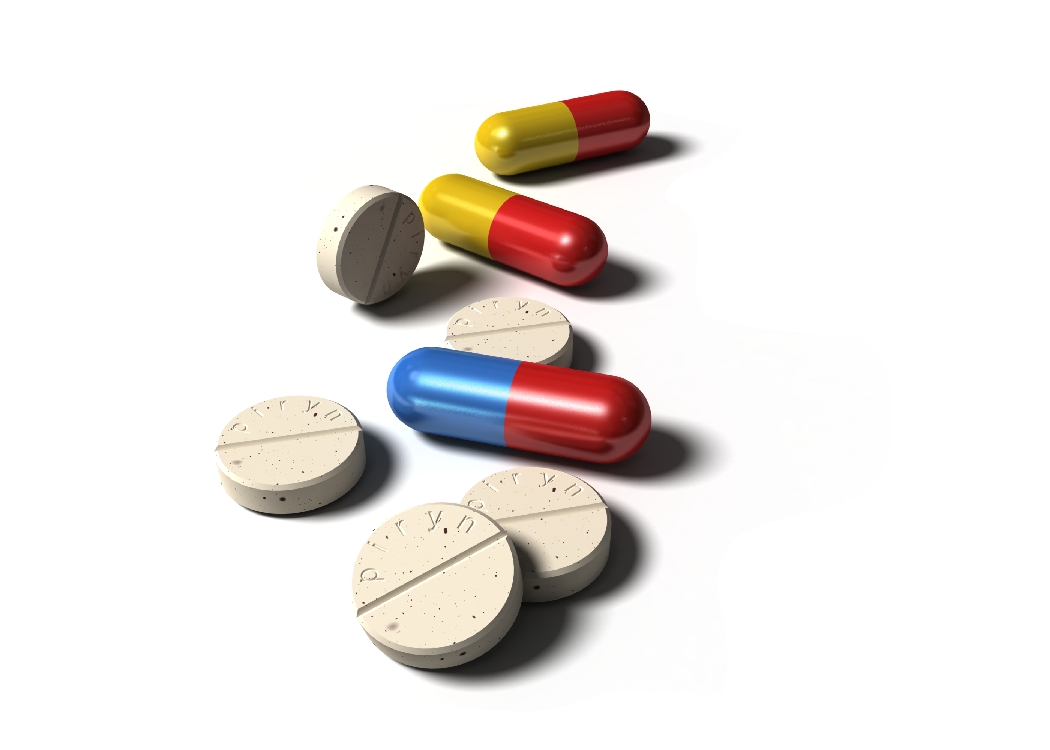 GLP-1 analogues available in the U.S. are exenatide (sold as Byetta and Bydureon), liraglutide (sold as Victoza), albiglutide (Tanzeum), dulaglutide (Trulicity), and lixisenatide (Adlyxin). They are sometimes referred to as GLP-1 receptor agonists. They are not considered first-choice drugs, but instead are typically used in combination with other drugs, in conjuction with diet and exercise.
Remember that drug names vary by country and manufacturer. This is a brief review only; consult your physician or pharmacist for full details.
Fun Fact for the diabetic version of Trivial Pursuit:
Exenatide (Byetta and Bydureon) is a synthesized version of a protein initially discovered in the saliva of a lizard, the Gila monster.
How do they work?
It’s complicated.
First off, you need to know that a small intestine hormone, glucagon-like peptide-1 (GLP-1), is produced in response to a meal. This hormone increases insulin secretion by pancreas beta cells, suppresses glucagon after meals, inhibits emptying of the stomach, and inhibits appetite. Other effects are suppression of glucose production by the liver, and improved glucose uptake by tissues outside the liver. All this tends to lower blood sugar levels after meals.
The problem is that GLP-1 is quickly destroyed by an enzyme called DPP-4. We have available to us now chemicals similar to GLP-1, called GLP-1 analogues, that bind to the GLP-1 receptors and are resistant to degradation by the enzyme DPP-4. They essentially act like GLP-1, and they hang around longer.
GLP-1 levels, by the way, are decreased in type 2 diabetes.
The action of GLP-1 is dependent on blood sugar levels. If blood glucose is not elevated, GLP-1 doesn’t go to work. From a practical viewpoint, this means that GLP-1-based therapies rarely cause hypoglycemia.
We know little about long-term outcomes with these drugs, such as diabetic complications, health-related quality of life, or mortality.
Uses
Exenatide (Byetta) is FDA-approved for adults with type 2 diabetes who are not adequately controlled with metformin, sulfonylurea, or a thiazolidinedione (or a combination of these agents). So it’s an add-on drug, not approved for use by itself. In October, 2011, the FDA extended approval as an add-on therapy to insulin glargine (for example, Lantus in the U.S.), with or without metformin and/or a thiazolidinedione (TZD), in conjunction with diet and exercise for adults with type 2 diabetes who are not achieving adequate glycemic control on insulin glargine alone.
Once-weely exenatide (Bydureon) was FDA-approved in January, 2012. Use with insulin has not been studied and is not recommended. Don’t use along with Byetta. Surprisingly, I found nothing in the drug package insert Feb.2, 2012, regarding whether it can be used with other diabetes drugs. See comments in the preceding paragraph regarding standard twice-daily exenatide. I suspect Bydureon can be used with metformin, sulfonylurea, thiazolidinedione, and insulin glargine (Lantus), but the package insert is not at all clear.
Liraglutide is FDA-approved for treatment of type 2 diabetes but is not recommended as initial therapy, although it does seem to be approved for use by itself. It has been used alone and also in combination with metformin, sulfonylurea, and/or thiazolidinediones. It’s not approved for use with insulin therapy.
Albiglutide is a once-weekly subcutaneous injection for type 2 diabetes. It was FDA-approved in 2014. It’s not recommended as initial drug therapy, although it is approved for use by itself. It can be used in combination with metformin, sulfonylurea, thiazolidinediones, and/or insulin.
Dulaglutide is also a once-weekly injection for adults with type 2 diabetes, approved by the FDA in2014. It’s not a first-line drug, but can be used by itself or with metformin, glimiperide (and presumably other sulfonylureas), pioglitazone, and insulin lisper (e.g., Humalog, a rapid-acting insulin).
Lixisenatide is a daily injection for adults with type 2 diabetes. It can be used alone or in combination with metformin, sulfonylurea, thiazolidinedione (e.g., pioglitazone), or long-acting insulin (insulin glargine). Clinical trials did not include short-acting insulin.
You can assume none of these have been tested for safety in pregnant or nursing mothers.
Dosing
They are available only as subcutaneous injections. Exenatide is twice daily, starting at 5 mcg within 60 minutes prior to a meal. After one month, the dose may be increased to 10 mcg twice daily.
Extended-release exenatide (Bydureon): 2 mg subcutaneous injection every seven days.
Liraglutide is a once daily subcutaneous injection starting at 0.6 mg, increasing to 1.2 mg after one week. It is given without regard to meals. Maximum dose is 1.8 mg/day.
Albiglutide is started at 30 mg subcutaneously every seven days and may be increased to 50 mg if needed.
Start dulaglutide at 0.75 mg weekly, increasing to 1.5 mg weekly if needed.
Lixisenatide starts at 10 mcg daily for 14 days then increases to 20 mcg daily.
Side Effects
GLP-1 analogues tend to cause nausea, vomiting, and diarrhea in as many as four in 10 users. The nausea typically improves over time. Compared with Byetta, Bydureon seems to cause less nausea. They tend to cause weight loss. These drugs might cause pancreatitis, which is life-threatening. When used with insulin or an insulin secretagogue (like sulfonylureas or meglitinides), hypoglycemia may occur.
Hypoglycemia is rare when GLP-1 analogues are used as the sole diabetes drug, but still possible (0-5% risk?). When it happens, it’s rarely severe.
Liraglutide, albiglutide, and dulaglutide might cause thyroid cancer or thyroid tumors.
Don’t use if you have . . .
… severe kidney impairment (exenatide), end-stage renal disease (lixisenatide),Multiple Endocrine Neoplasia syndrome (liraglutide), Multiple Endocrine Neoplasia syndrome type 2 (albiglutide, dulaglutide), or family history of medullary thyroid cancer (liraglutide, albiglutide, dulaglutide), or personal history or medullary thyroid cancer (albiglutide, dulaglutide).
Use GLP-1 analogues with caution or avoid entirely if you have a history of pancreatitis or gastroparesis. Don’t use dulaglutide if you have pre-existing severe gastrointestinal disease.
Use liraglutide with caution in patients with kidney or liver impairment. Dulaglutide is risky in the setting of liver impairment.
Don’t use any of these to treat diabetic ketoacidosis.
Last modification date: July 29, 2016
Filed under Drugs for Diabetes
What IS Process Cheese Food?
I’ve seen “process cheese food” on packages of apparent cheese or listed with other ingredients on food labels. Why don’t they just call it “cheese”?
If you’re curious, see what Vitruvius the Sagacious Iconoclast has to say about cheese production. It’s all processed to some degree. From the introduction:
I was recently involved in a discussion in which some folks were attempting to distinguish between what they were calling “processed” cheese and other (presumably non-processed) cheese, without defining what they mean by “processed” cheese. As I think that’s a less than optimal approach, I’d like to take a moment to sketch out why that is so; perhaps increasing, in the process, your enjoyment of cheese forever.

It’s a moderately lengthy article, but well worth it for the amusement and erudition. You’ll learn how cheese is made, starting with the photons.
Cheese is a time-honored component of the traditional Mediterranean diet. That’s one reason I left it in the Ketogenic Mediterranean Diet. If you don’t like cheese but still desire the health benefits of the Mediterranean diet, don’t fret. I’ve not found any important nutrients in cheese that you can’t get elsewhere.
Filed under Dairy Products



 Diabetic Mediterranean Diet