
Tag Archives: diabetes

Exercise Issues for the PWD (Person With Diabetes)

People with diabetes may have specific issues that need to be taken into account when exercising.

DIABETIC RETINOPATHY
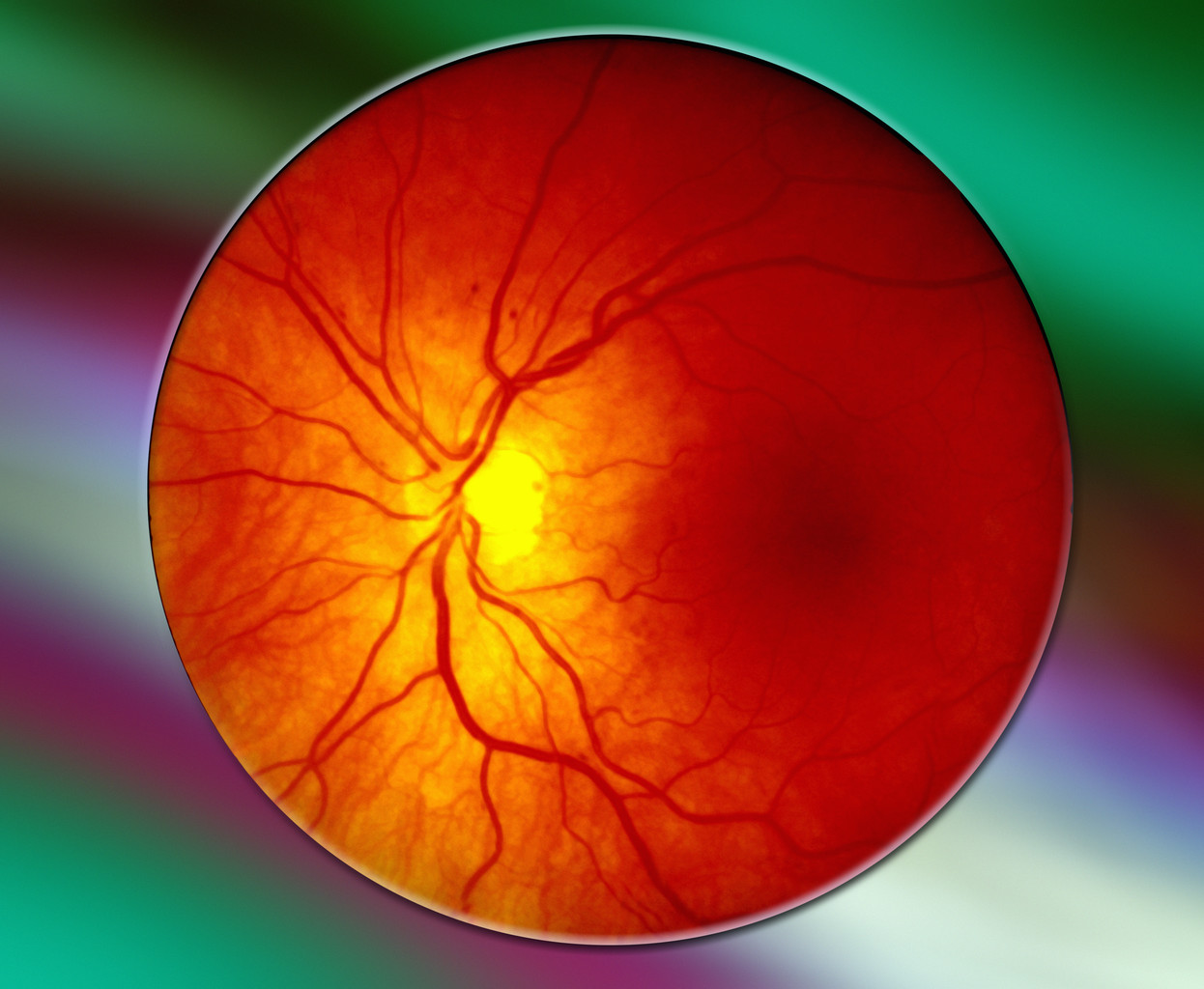
Photo of the retina at the back of the eyeball

Photo of the retina at the back of the eyeball

Retinopathy, an eye disease caused by diabetes, increases risk of retinal detachment and bleeding into the eyeball called vitreous hemorrhage. These can cause blindness. Vigorous aerobic or resistance training may increase the odds of these serious eye complications. Patients with retinopathy may not be able to safely participate. If you have any degree of retinopathy, avoid the straining and breath-holding that is so often done during weightlifting or other forms of resistance exercise. Vigorous aerobic exercise may also pose a risk. By all means, check with your ophthalmologist first. You don’t want to experiment with your eyes.

DIABETIC FEET AND PERIPHERAL NEUROPATHY

Diabetics are prone to foot ulcers, infections, and ingrown toenails, especially if peripheral neuropathy (numbness or loss of sensation) is present. Proper foot care, including frequent inspection, is more important than usual if a diabetic exercises with her feet. Daily inspection should include the soles and in-between the toes, looking for blisters, redness, calluses, cracks, scrapes, or breaks in the skin. See your physician or podiatrist for any abnormalities. Proper footwear is important (for example, don’t crowd your toes). Dry feet should be treated with a moisturizer regularly. In cases of severe peripheral neuropathy, non-weight-bearing exercise (e.g., swimming or cycling) may be preferable. Discuss with your physician or podiatrist.

HYPOGLYCEMIA

Low blood sugars are a risk during exercise if you take diabetic medications in the following classes: insulins, sulfonylureas, meglitinides, and possibly thiazolidinediones and bromocriptine.

Are you sure your symptoms are from hypoglycemia?

Are you sure your symptoms are from hypoglycemia?

Hypoglycemia is very uncommon with thiazolidinediones. Bromocriptine is so new (for diabetes) that we have little experience with it; hypoglycemia is probably rare or non-existent. Diabetics treated with diet alone or other medications rarely have trouble with hypoglycemia during exercise.

Always check your blood sugar before an exercise session if you are at risk for hypoglycemia. Always have glucose tablets, such as Dextrotabs, available if you are at risk for hypoglycemia. Hold off on your exercise if your blood sugar is over 200 mg/dl (11.1 mmol/l) and you don’t feel well, because exercise has the potential to raise blood sugar even further early in the course of an exercise session.

As an exercise session continues, active muscles may soak up bloodstream glucose as an energy source, leaving less circulating glucose available for other tissues such as your brain. Vigorous exercise can reduce blood sugar levels below 60 mg/dl (3.33 mmol/l), although it’s rarely a problem in non-diabetics.

The degree of glucose removal from the bloodstream by exercising muscles depends on how much muscle is working, and how hard. Vigorous exercise by several large muscles will remove more glucose. Compare a long rowing race to a slow stroll around in the neighborhood. The rower is strenuously using large muscles in the legs, arms, and back. The rower will pull much more glucose out of circulation. Of course, other metabolic processes are working to put more glucose into circulation as exercising muscles remove it. Carbohydrate consumption and diabetic medications are going to affect this balance one way or the other.

If you are at risk for hypoglycemia, check your blood sugar before your exercise session. If under 90 mg/dl (5.0 mmol/l), eat a meal or chew some glucose tablets to prevent exercise-induced hypoglycemia. Re-test your blood sugar 30–60 minutes later, before you exercise, to be sure it’s over 90 mg/dl (5.0 mmol/l). The peak effect of the glucose tablets will be 30–60 minutes later. If the exercise session is long or strenuous, you may need to chew glucose tablets every 15–30 minutes. If you don’t have glucose tablets, keep a carbohydrate source with you or nearby in case you develop hypoglycemia during exercise.

Re-check your blood sugar 30–60 minutes after exercise since it may tend to go too low.

For myself, I prefer high intensity interval training (HIIT) over long slow cardio (aerobics)

For myself, I prefer high intensity interval training (HIIT) over long slow cardio (aerobics)

If you are at risk of hypoglycemia and performing moderately vigorous or strenuous exercise, you may need to check your blood sugar every 15–30 minutes during exercise sessions until you have established a predictable pattern. Reduce the frequency once you’re convinced that hypoglycemia won’t occur. Return to frequent blood sugar checks when your diet or exercise routine changes.

These general guidelines don’t apply across the board to each and every diabetic. Our metabolisms are all different. The best way to see what effect diet and exercise will have on your glucose levels is to monitor them with your home glucose measuring device, especially if you are new to exercise or you work out vigorously. You can pause during your exercise routine and check a glucose level, particularly if you don’t feel well. Carbohydrate or calorie restriction combined with a moderately strenuous or vigorous exercise program may necessitate a 50 percent or more reduction in your insulin, sulfonylurea, or meglitinide. Or the dosage may need to be reduced only on days of heavy workouts. Again, enlist the help of your personal physician, dietitian, diabetes nurse educator, and home glucose monitor.

Finally, insulin users should be aware that insulin injected over muscles that are about to be exercised may get faster absorption into the bloodstream. Blood sugar may then fall rapidly and too low. For example, injecting into the thigh and then going for a run may cause a more pronounced insulin effect compared to injection into the abdomen or arm.

AUTONOMIC NEUROPATHY

His heart's on fire!

His heart’s on fire! (My son made this)

This issue is pretty technical and pertains to function of automatic, unconscious body functions controlled by nerves. These reflexes can be abnormal, particularly in someone who’s had diabetes for many years, and are called autonomic neuropathy. Take your heart rate, for example. It’s there all the time, you don’t have to think about it. If you run to catch a bus or climb two flights of stairs, your heart rate increases automatically to supply more blood to exercising muscles. If that automatic reflex doesn’t work properly, exercise is more dangerous, possibly leading to passing out, dizziness, and poor exercise tolerance. Other automatic nerve systems control our body temperature regulation (exercise may overheat you), stomach emptying (your blood sugar may go too low), and blood pressure (it could drop too low). Only your doctor can tell for sure if you have autonomic neuropathy.

GETTING STARTED

I’ve run out of time today. For ideas, scan some of the articles under the Exercise category in the far right panel. FYI, here’s what I’m doing, but it’s not a good place for rank beginners to start. If you want to being resistance training, strongly consider some sessions with a personal trainer.


Steve Parker, M.D.

1 Comment

Filed under Exercise

Napping Linked to Diabetes and Prediabetes

…in Chinese retirees according to a article at Diabetes Self-Managment. In the study population, 70% of retirees took naps. I’d be surprised if that many U.S. retirees take naps. It’s unclear whether napping causes type 2 diabetes and prediabetes znc whether results apply to non-Chinese ethnic groups.

2 Comments

Filed under Uncategorized

Meal Plans For “Conquer Diabetes and Prediabetes”

For both types 1 and type 2 diabetes, carbohydrate restriction is a great way to help control blood sugars and minimize the toxicity and expense of drug therapy. Here are some low-carb recipes from my book, Conquer Diabetes and Prediabetes.

Breakfast:  Brats and Tomatoes

6 oz (170 g) tomato, sliced

2 tbsp (30 ml) AMD vinaigrette (see below) or commercial Italian dressing (regular, not low-fat, with 3 g or fewer carbs per 2 tbsp or 30 ml)

salt and pepper

2 pre-cooked bratwursts (about 2.3 oz or 65 g each)

6 tsp (30 ml) mustard (optional)

Dress the tomato slices with the vinaigrette, plus salt and pepper to taste. Heat 2 pre-cooked bratwursts as instructed on package. Use mustard on the brats if desired. Digestible carb grams: 8.

AMD VINAIGRETTE

Try this on salads, fresh vegetables, or as a marinade for chicken, fish, or beef. If using as a marinade, keep the entree/marinade combo in the refrigerator for 4–24 hours. Seasoned vinaigrettes taste even better if you let them sit for several hours after preparation. This recipe was in my first book, The Advanced Mediterranean Diet; hence, “AMD vinaigrette.”

Ingredients

1 clove (3 g) garlic

juice from ½ lemon (23 g or ml)

a third of a cup (78 ml) oil olive

2 tbsp (8 g) fresh parsley

½ tsp (2.5 ml)) salt

½ tsp (2.5 ml) yellow mustard

½ tsp (1.2 ml) paprika

2 tbsp (30 ml) red wine vinegar

Preparation

In a bowl, combine all ingredients and whisk together. Alternatively, you can put all ingredients in a jar with a lid and shake vigorously. Let sit at room temperature for an hour, for flavors to meld. Then refrigerate. It should “keep” for at least 5 days in refrigerator. Shake before using. Servings per batch: 3.

Nutrient Analysis:

Recipe makes 3 servings (2 tbsp or 30 ml per serving). Each serving has 220 calories, 2 g digestible carb, almost no fiber, negligible protein, 24 g fat. 3% of calories are from carbohydrate, 97% from fat.

Lunch:  Easy Tuna Plus Pecans

5-oz can (140 g) of albacore tuna

2 tbsp (30 ml) Miracle Whip Salad Dressing (or real, high-fat mayonnaise)

1 tsp (5 ml) lemon or lime juice

1 oz (28 g) pecan halves

Drain the liquid off the can of tuna then place tuna in a bowl. Add Miracle Whip Salad Dressing and lemon or lime juice. Mix thoroughly and enjoy. Eat 1 oz of pecan halves around mealtime or later as a snack. If you want to simplify this, forget the Miracle Whip and lemon; just use 1 oz (28 g) of commercial tartar sauce that derives at least 80% of calories from fat and has less than 3 g of carb per 2 tbsp or 30 ml. Digestible carb grams: 5.

Dinner:  Ham Salad

2 oz (60 g) cooked ham, cut in to small cubes

1 oz (28 g) celery, sliced and diced

1 oz (28 g) seedless grapes (about 4 grapes), cut into small chunks

1 oz (28 g) walnuts, coarsely crumbled

4 oz (110 g) romaine lettuce

3 tbsp AMD vinaigrette or commercial Italian, French, or ranch dressing having 2 or fewer grams of carb per 2 tbsp or 30 ml)

Lay out a bed of lettuce then sprinkle these on top: ham, celery, grapes, walnuts. Finish construction with AMD vinaigrette or commercial dressing. You’re done. Alternatively, substitute cooked chicken or steak for ham. With chicken, apple may work better than grapes. If having a glass of wine (6 fl oz or 180 ml) with meal, delete the grapes or the carb count will be too high. Digestible carb grams: 10.

(When commercial dressing is used, the digestible carb count is closer to 13 than 10 g.)

Comments Off on Meal Plans For “Conquer Diabetes and Prediabetes”

Filed under Recipes

Metformin Impairs Brain Function In Some Users


Conquer Diabetes and Prediabetes

Metformin is the most-recommended drug for type 2 diabetes

…according to an article at MedPageToday. I consider this finding preliminary, but definitely something to keep an eye on. We need confirmatory data before taking action. Long-term metformin users should get vitamin B12 levels checked periodically in view of the well-established association of low levels in users. Low B12 impairs cognition and is easily preventable or treated.

1 Comment

Filed under Dementia, Drugs for Diabetes, Uncategorized

European Guidelines Not In Favor of Low Carbohydrate Diets for Diabetes

Conquer Diabetes and Prediabetes

“Really?”

A recent diabetes treatment guide from European doctors states “there is no justification for the recommendation of very low carbohydrate diets in diabetes mellitus.”

I disagree.

The 2013 guidelines are from the European Society of Cardiology and the European Association for the Study of Diabetes. I compiled the following articles in favor of carbohydrate restriction a couple years ago. You won’t find anything newer listed. Admittedly, all or nearly all of the patients involved had type 2 diabetes, not type 1.

Enjoy!

♦  ♦  ♦

Accurso, A., et al. Dietary carbohydrate restriction in type 2 diabetes mellitus and metabolic syndrome: time for a critical appraisal. Nutrition & Metabolism, 9 (2008). PMID: 18397522. One of the watershed reports that summarize the major features and benefits, based on 68 scientific references.

Boden, G., et al. Effect of a low-carbohydrate diet on appetite, blood glucose levels, and insulin resistance in obese patients with type 2 diabetes. Annals of Internal Medicine, 142 (2005): 403-411. In these 10 obese diabetics, a low-carb diet spontaneously reduced calorie consumption from 3100 daily to 2200, accounting for the weight loss—1.65 kg (3.63 pounds) in 14 days. Blood sugar levels improved dramatically and insulin sensitivity improved by 75%.

Daly, M.E., et al. Short-term effects of severe dietary carbohydrate-restriction advice in Type 2 diabetes—a randomized controlled trial. Diabetes Medicine, 23 (2006): 15-20. Compared with a low-fat/reduced-calorie diet, weight loss was much better in the low-carb group over three months, and HDL ratio improved.

Davis, Nichola, et al. Comparative study of the effects of a 1-year dietary intervention of a low-carbohydrate diet versus a low-fat diet on weight and glycemic control in type 2 diabetes. Diabetes Care, 32 (2009): 1,147-1,152. The Atkins diet was superior—for weight loss and glycemic control—when measured at three months, when compliance by both groups was still probably fairly good. After one year, the only major difference they found was lower HDL cholesterol in the low-carb eaters. 

Elhayany, A., et al. A low carbohydrate Mediterranean diet improves cardiovascular risk factors and diabetes control among overweight patients with type 2 diabetes mellitus: a 1-year prospective randomized intervention study. Diabetes, Obesity and Metabolism, 12 (2010): 204-209. In overweight type 2 diabetics, a low-carbohydrate Mediterranean diet improved HDL cholesterol levels and glucose control better than either the standard Mediterranean diet or American Diabetes Association diet, according to Israeli researchers.

Haimoto, Hajime, et al. Effects of a low-carbohydrate diet on glycemic control in outpatients with severe type 2 diabetes. Nutrition & Metabolism, 6:21 (2009). DOI: 10.1186/1743-7075-6-21. A low-carbohydrate diet is just as effective as insulin shots for people with severe type 2 diabetes, according to Japanese investigators. Five of the seven patients on sulfonylurea were able to stop the drug. 

Nielsen, Jörgen and Joensson, Eva.  Low-carbohydrate diet in type 2 diabetes: stable improvement of body weight and glycemic control during 44 months follow-up. Nutrition & Metabolism, 5 (2008). DOI: 10.1186/1743-7075-5-14. Obese people with type 2 diabetes following a 20% carbohydrate diet demonstrated sustained improvement in weight and blood glucose control, according to Swedish physicians. Proportions of carbohydrates, fat, and protein were 20%, 50%, and 30% respectively. Total daily carbs were 80-90 g. Hemoglobin A1c, a measure of diabetes control, fell from 8% to 6.8%. These doctors had previously demonstrated that a 20% carbohydrate diet was superior to a low-fat/55-60% carb diet in obese diabetes patients over six months.

Vernon, M., et al. Clinical experience of a carbohydrate-restricted diet: Effect on diabetes mellitus. Metabolic Syndrome and Related Disorders, 1 (2003): 233-238. This groundbreaking study demonstrated that diabetics could use an Atkins-style diet safely and effectively in a primary care setting.

Westman, Eric, et al. The effect of a low-carbohydrate, ketogenic diet versus a low-glycemic index diet on glycemic control in type 2 diabetes mellitus. Nutrition & Metabolism, 5 (2008). DOI: 10.1186/1743-7075-5-36. Duke University (U.S.) researchers demonstrated better improvement and reversal of type 2 diabetes with an Atkins-style diet, compared to a low-glycemic index reduced-calorie diet.

Yancy, William, et al. A low-carbohydrate, ketogenic diet to treat type 2 diabetes [in men]. Nutrition & Metabolism, 2:34 (2005). DOI: 10.1186/1743-7075-2-34. A low-carb ketogenic diet in patients with type 2 diabetes was so effective that diabetes medications were reduced or discontinued in most patients. The authors recommend that similar dieters be under close medical supervision or capable of adjusting their own medication, because the diet lowers blood sugar  dramatically.

Yancy, W., et al. A pilot trial of a low-carbohydrate ketogenic diet in patients with type 2 diabetes.  Metabolic Syndrome and Related Disorders, 1 (2003): 239-244. This pioneering study used an Atkins Induction-style diet with less than 20 grams of carbohydrate daily.

So there!

Steve Parker, M.D.

h/t to Reijo Laatikainen for tweeting the European article.

4 Comments

Filed under Carbohydrate, Glycemic Index and Load

Radiologist With Type 1 Diabetes Thrives on Very Low Carb Diet

"Put down the bread and no one will get hurt!"

“Put down the bread and no one will get hurt!”

ABC Radio provides the audio and transcript of an interview with Dr. Troy Stapleton, who was diagnosed with type 1 diabetes at age 41. Dr. Stapleton lives in Queensland, Australia. At the time of his diagnosis…

I was advised to eat seven serves of bread and cereals, two to three serves dairy, fruit, starchy vegetables, and to balance that intake with insulin. If you add up all those serves, they were recommending a diet of up to about 240 grams of carbohydrates a day, and to balance it with insulin. I was going to be the best patient, and there has been some important trials that show that if you do control your blood glucose well then you can reduce your incidence of the complications.

Dr. Stapleton believes we evolved on a very low carbohydrate diet; the Agricultural Revolution led to our current high carb consumption. He was concerned about the risk of hypoglycemia with standard diabetic diets.

There was a different approach where essentially you went on a very low carbohydrate diet, this made a little bit of sense to me. Why would I eat carbohydrates and then have to balance it with insulin?

Here’s what the diabetes educators told him:

What they say is you need to estimate the amount of carbohydrate you’re going to eat, and then you need to match that carbohydrate dose essentially with an insulin dose. So you sort of look at your food and you go, okay, I’m having 30 grams of carbohydrate and I need one unit of insulin per 15 grams of carbohydrate, so two units. It sounds really quite straightforward, except that it’s very, very difficult to estimate accurately the amount of carbohydrate you’re eating. The information on the packets can be out by 20%. Most people say that your error rate can be around 50%.

And then of course it changes with what you’ve eaten. So if you eat carbohydrates with fat and then you get delayed absorption, then that glucose load will come in, and then the type of carbohydrates will alter how quickly it comes in to your bloodstream. And then of course your insulin dose will vary, your absorption rate will vary by about 30%. Once you think through all the variables, it’s just not possible. You will be able to bring your blood glucose under control, but a lot of the time what happens is you get a spike in your glucose level immediately after a meal, and that does damage to the endothelium of your blood vessels…

Norman Swan: The lining.

Troy Stapleton: That’s correct, it causes an oxidative stress to your endothelium, and that is the damage that diabetes does, that’s why you get accelerated atherosclerosis.

Here’s what happened after he started eating very low carb:

It’s been amazing, it’s been the most remarkable turnaround for me and I just cut out carbohydrates essentially completely, although I do get some in green leafy vegetables and those sorts of things. My blood sugar average on the meter has gone from 8.4 [151 mg/dl] down to 5.3 [95 mg/dl]. My HbA1c is now 5.3, which is in the normal range. My blood pressure has always been good but it dropped down to 115 over 75. My triglycerides improved, my HDL improved, so my blood lipid profile improved. And I would now have a hypoglycaemic episode probably about once a month after exercise. [He was having hypoglycemia weekly on his prior high carb diet with carb counting insulin adjustments.]

He was able to reduce his insulin from about 27 units a day down to 6 units at night only (long-acting insulin)! He admits his low insulin dose may just reflect the “honeymoon period” some type 1s get early on after diagnosis.

Norman Swan: So when you talk to your diabetes educator now, what does he or she say?

Troy Stapleton: Look, they’re interested, but they’ll tell me things and I’ll say, well, that’s actually not true. I’m quite a difficult patient, Norman.

He says he’s eating an Atkins-style diet. Combining the transcript and his notes in the comments section:  1) he doesn’t eat potatoes or other starchy vegetables or bread, 2) he eats meat, eggs, lots of starchy vegetable, some berries and tree nuts, olives, and cheese, 3) an occasional wine or low-carb beer, 4) coffee, and 5) he eats under 50 g/day of carbohydrate, probably  under 30 g. This is a low-carb paleo diet except for the cheese, alcohol, and coffee.  Cheese, alcohol and coffee are (or can be) low-carb, but they’re not pure paleo.

He notes that…

There is an adaption period to a very low carbohydrate diet which takes 4-6 weeks (ketoadaption). During this time symptoms include mild headaches, lethargy, cramps, carb cravings and occasional light headedness. These symptoms all pass.

Read or listen to the whole thing. Don’t forget the comments section. All the blood sugars you see there are in mmol/l; convert them to mg/dl (American!) by multiplying by 18.

Steve Parker, M.D.

2 Comments

Filed under Carbohydrate, ketogenic diet, Paleo diet

E-mail Interview With a Low-Carb Friendly Dietitian

Conquer Diabetes and Prediabetes, Steve Parker MD

Brain food that won’t spike blood sugars

I received an email from a registered dietitian (FS) in May, 2013. She had some reasonable questions for me and I thought you might be interested in my answers. Here’s her email first:

So funny that you happened to comment on my blog post today because I’d already planned to email you. I’m writing an article on low-carbohydrate diets for Diabetes Self Management magazine and was hoping to ask you a few questions about your experience treating your patients with the Diabetic Mediterranean and Ketogenic diets. We could do it via e-mail if you like. What I’d really like to know is how many of your patients were/are successful in sticking to the diet long term and what type of feedback you’ve received from them, along with any other information you feel is pertinent. Also, what carb range to you recommend for your diabetic patients?

My response:

Dear F,

First, let me explain a little about my medical practice. I’m a full-time hospitalist, meaning I treat adult patients only in the hospital setting. Nearly all of my patients come in through the emergency department. I treat a great variety of problems, like pneumonia, heart failure, cellulitis, pancreatitis, urinary tract infections, headaches, strokes, GI tract bleeding, cholecystitis, altered mental status, out of control diabetes, etc. My training is in Internal Medicine.

By the way, I work in Scottsdale, Arizona, which is a fairly sophisticated and affluent community. My two hospitals employ some dietitians who receptive to very-low-carb eating.

As it turns out, 30% of my hospitalized patients happen to have diabetes, at least 95% of which is type 2. This is typical for non-pediatric hospitalists. Nearly all of these diabetics have an established diagnosis of diabetes and a relationship with an outpatient doctor who is treating it. I usually ask them, “Are you on any special diet, or do you pretty much eat whatever you want?” Half of them say “nothing special; I eat what I want”! Three out of 10 respond that they “avoid sweets and desserts” or something similar. One or two of every 10 report they make a strong effort to reduce carb consumption below the usual American level (250-300 g/day). No more than five of every 100 has ever heard of Dr. Richard Bernstein’s Diabetes Solution. (I consider Dr. B the founder and leader of the modern carbohydrate-restricted diabetes diet movement.) No more than one of every 100 follows Dr. Bernstein’s or a similar very-low-carb or ketogenic diet.

Once these patients leave the hospital, I cannot follow them in a clinic setting. I wish I could. I see many of them in the hospital only once, which is not much time to develop a trusting relationship. Perhaps surprisingly, I don’t often do a “hard sell” for a low-carb diet, even though that’s what I’d follow if I had diabetes of either type. People have to be ready to make a change in hard-wired eating behavior, like an alcoholic is ready to quit drinking only when he’s hit “rock bottom.” For someone with diabetes, that rock bottom point is typically at the time of initial diagnosis or when a major complication hits (such as neuropathy, kidney impairment, or retinopathy). They’re more receptive to change then. All of my hospitalized diabetics get a business card referring them to my Low-Carb Mediterranean Diet website (Diabetic Mediterranean Diet).

Since I have no outpatient clinic, I have no way of knowing how many of them adopt a low-carb way of eating. I do get unsolicited emails from diabetics who have adopted the Low-Carb Mediterranean Diet or Ketogenic Mediterranean Diet, and they report satisfying results with weight management and glucose control. Problem is, as mentioned, I don’t know the denominator. Not once in two years has anyone ever contacted me to report they were harmed by the diets or that they didn’t help at all with glucose control.

I’m convinced you can get good nutrition eating low-carb and very-low-carb. By “low-carb,” I mean under 130 g/day, and “very-low-carb” is under 50 or so. An added benefit for diabetics is that they may be able to avoid the cost and toxicity of some diabetes drugs. We have no long-term toxicity data on most of our diabetes drugs. (Insulin and metform are safe long-term.)

Whether a diabetic goes with Dr. Bernstein’s, my Low-Carb Mediterranean Diet, or Dr. Atkins’ Diabetes Revolution, I think they’re going to be better off over the long run compared to eating a typical “diabetic” diet that has 200+ grams of net carbs. Of course, I have no hard proof. We may never have it. Of those who choose LCMD, I have no data on how many of them actually follow it long-term. Hey, I finally answered one of your questions!

If one of my diabetics prefers to eat Bernstein or Atkins-style over my program, I have no problem with that at all. (The Atkins program recommends some nutritional supplements that I’m not convinced are necessary or even minimally helpful.)

How many diabetics stick with a carb-restricted diet (e.g., under 130 g/day) long-term, more than 2-3 months? My guesstimate is only two or three out of ten. The problem is that we live in a highly carb-centric culture: temptation abounds, we form firm dietary habits in childhood, carbs are cheap, and, frankly, many taste very good.

Incidentally, I don’t have diabetes but I strive to keep my digestible (or net) carbs in the range of 60 to 80 grams/day. The carb restriction helps me control my weight, and I’m seeing some preliminary evidence that it may help with prevention of dementia and mild cognitive impairment.

The long-term carbohydrate intake range I recommend for diabetics is 60-80 g of net or digestible carb daily. Twenty or 30 g/day (a la Bernstein or my Ketogenic Mediterranean Diet) can help overweight diabetics lose the excess fat a little quicker and easier. But 30 d/day over the long run is extremely difficult for all but the most highly motivated. If I had type 1 diabetes, I’d give 30 g/day a serious try, like Dr. Bernstein. Competitive endurance athletes may need more than 100 g/day. Some mild type 2’s may be able to adequately handle over 80 g/day depending on degree of residual pancreas beta cell function. It bothers me to see a type 2 diabetic taking 4-5 diabetes drugs just so they can control diabetes while eating a high-carb diet (e.g., over 200 g/day). Again, we don’t know the long-term effects of most of these drugs.

I’m sorry for being so long-winded! I hope this helps. Email me soon if you have more questions and I’ll respond w/in 24h. Or call me at xxx-xxx-xxxx. Please keep up the good work. In turn, I’ll keep doing my little part to turn around this carb-centric culture. At least until the science dictates otherwise.

Sincerely,

-Steve

9 Comments

Filed under Carbohydrate, ketogenic diet, Mediterranean Diet, Prediabetes

Another Research Report Links Type 2 Diabetes With Dementia

Compared with non-diabetics in the study, T2s had brain atrophy  (shrinkage on MRI scans) and cognitive deficits reminiscent of pre-clinical Alzheimer’s disease.

Click for details at Diabetes Care.

Comments Off on Another Research Report Links Type 2 Diabetes With Dementia

Filed under Uncategorized

Low-Carb Breakfast: Brian’s Berry Breakfast

paleobetic diet, breakfast, paleo diet

Brian’s Berry Breakfast

My stepson came up with this one. Thanks, dude! If you think breakfast means eating out of a bowl, this one fits the bill.  And talk about easy!

Ingredients:

  • 4.5 oz (127 g) fresh strawberries, diced into small pieces
  • 2 oz (58 g) walnuts, crumbled by hand

Mix ingredients together in a bowl and enjoy eating with a spoon while your tablemates eat Neolithic Cheerios.

Nutritional analysis:

  • 76% fat
  • 16% carbohydrate
  • 8% protein
  • 410 calories
  • 17 carb grams
  • 6.2 g fiber
  • 10.9 g digestible carb
  • prominent features: 80% of vitamin C RDA (recommended dietary allowance), 32% of RDA for phosphorus, 27% of RDA for iron, 25% of RDA for magnesium, 21% of RDA for vitamin B6, 19% of RDA for thiamine.  It’s also particularly rich in copper and manganese.

—Steve

PS: Nutritional analysis by free software at FitDay.com

1 Comment

Filed under Recipes

Amputations in Diabetics Drop By 25% Over Last Decade

Which is great news from DiabetesHealth. I have noticed this in my own practice. One potential contributor to lower amputations not mentioned in the article is improved blood flow through angioplasty and other high-tech options. 

A quote from DiabetesHealth:

According to Dr. Bill Releford, founder of the Releford Foot & Ankle Institute in Beverly Hills, as many as 75 percent of all amputations are preventable. He offered the following tips in a recent press release:

* Do not smoke.

Exercise daily

* Control your cholesterol.

* Dry in between all toes after bathing.

* Always control your diabetes and blood pressure.

* Always wear shoes made from natural sources such as calfskin or soft leathers.

* Never pull or pick skin from your feet.

* Eat at least five colors of fruits and vegetables every day.

* Never cut toenails or trim calluses if you have diabetes or poor circulation. See a podiatrist for routine foot care.

* Never go barefoot if you have diabetes,even at home.

Also important is to inspect your feet for problems daily, or have someone do it for you. See your doctor or podiatrist if something doesn’t look right.

Comments Off on Amputations in Diabetics Drop By 25% Over Last Decade

Filed under Uncategorized