Category Archives: Prevention of T2 Diabetes

Diabetes + Overweight and Obesity = Diabesity

Mark Hyman, M.D., blogged about diabesity at the Huffington Post December 24, 2009.  He defines diabesity as a problem with glucose regulation associated with overweight and obesity.  The glucose physiology problem ranges from metabolic syndrome to prediabetes to full-blown type 2 diabetes.

“Diabesity” has been in circulation for a few years, but hasn’t caught on yet. 

What interested me about his blog post was that he advocates the Mediterranean diet as both therapeutic and prophylactic.  To quote Dr. Hyman:

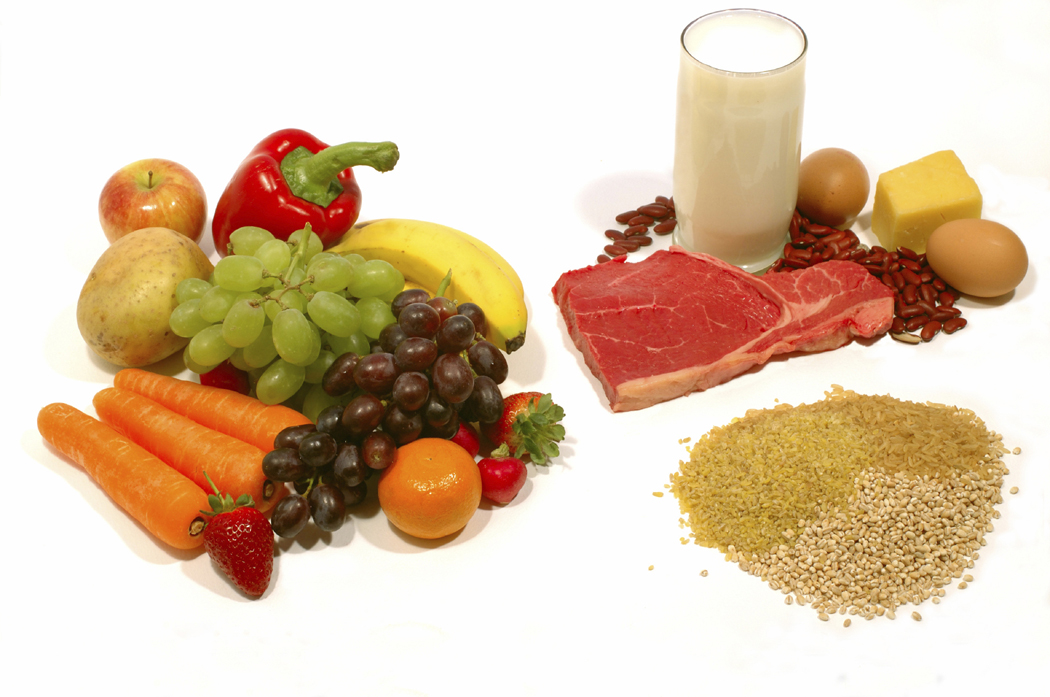
The optimal diet to prevent and treat diabesity includes:

  • Fruits
  • Vegetables
  • Nuts
  • Seeds
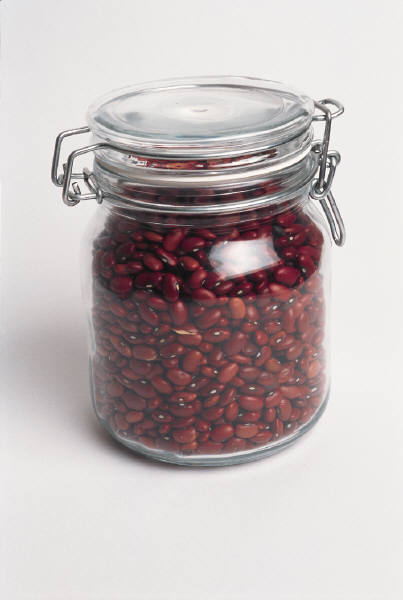
  • Beans
  • Whole grains
  • Healthy fats such as olive oil, nuts, avocados, and omega-3 fats
  • Modest amounts of lean animal protein including small wild fish such as salmon or sardines

This is commonly known as a Mediterranean diet.  It is a diet of whole, real, fresh food. It is a diet of food you have to prepare and cook from the raw materials of nature.  And it has broad-ranging benefits for your health.

Food for thought, no doubt. 

Steve Parker, M.D.

Reference:  Hyman, Mark.  The diabesity epidemic part III:  Treating the real causes instead of the symptoms.  The Huffington Post, December 24, 2009

Comments Off on Diabetes + Overweight and Obesity = Diabesity

Filed under Causes of Diabetes, Fish, Fruits, Grains, legumes, nuts, Overweight and Obesity, Prevention of T2 Diabetes

Legumes and Whole Grains: Any Role in Diabetes?

Expert nutrition panels consistently recommend whole grains and legumes for people with diabetes.  Why?  And do these foods affect development of diabetes?  I found a pertinent scientific review article on the subject from 2004 in the European Journal of Clinical Nutrition.  Here are some pertinent quotes from the summary:

Epidemiological studies strongly support the suggestion that high intakes of whole grain foods protect against the development of type II diabetes mellitus (T2DM). People who consume approximately 3 servings per day of whole grain foods are less likely to develop T2DM than low consumers (<3 servings per week) with a risk reduction in the order of 20-30%.

The role of legumes in the prevention of diabetes is less clear, possibly because of the relatively low intake of leguminous foods in the populations studied. However, legumes share several qualities with whole grains of potential benefit to glycaemic control including slow release carbohydrate and a high fibre content. A substantial increase in dietary intake of legumes as replacement food for more rapidly digested carbohydrate might therefore be expected to improve glycaemic control and thus reduce incident diabetes. This is consistent with the results of dietary intervention studies that have found improvements in glycaemic control after increasing the dietary intake of whole grain foods, legumes, vegetables and fruit.

. . . it is cereal fibre that is largely insoluble [rather than soluble fiber] that is associated with a reduced risk of developing T2DM.

Thus, there is strong evidence to suggest that eating a variety of whole grain foods and legumes is beneficial in the prevention and management of diabetes. This is compatible with advice from around the world that recommends consumption of a wide range of carbohydrate foods from cereals, vegetables, legumes and fruits both for the general population and for people with diabetes.

Gluten Intolerance

A major protein in wheat is gluten.  The last few years have seen the popular emergence of gluten-free this and gluten-free that.  The idea is that gluten causes a variety of gastrointestinal, immunologic, and other problems, so wheat products should be avoided.  Certainly they should be avoided in people with celiac disease, a well-established medical condition.  I follow a few paleo blogs and know that grains and legumes are not part of that way of eating: the paleos say we are not evolved optimally to process them.    

If legumes or wheat or other grains cause problems for you, don’t eat them.  They have no essential nutrients that you can’t get elsewhere. 

Glycemic Index

In my quest to develop a healthy Diabetic Mediterranean Diet, I’m finding that grains—compared to nearly all other carbohydrate-containing food groups—tend to have a higher glycemic index (GI).   A low GI is 55 or less.  High GI is 70 or greater.  Grains in general raise blood sugar levels higher than many other sources of carbohydrates.  But this is highly variable and depends partially on preparation of the grain.  Whole grain products have a lower GI than highly processed counterparts.  For instance, white bread has a GI of 70; whole wheat bread 67.  Regular spaghetti is 38.  Table sugar’s GI must be sky high, right?  No, its just 61.  A baked potato is a whopping 85.   

Beans have a GI around 30 or 40.  And they pack a lot more fiber per serving.  For a diabetic struggling to keep blood sugars under control, which is a better choice: grains or legumes?  I’m leaning towards legumes and other components of a low-glycemic-index diet.   

Steve Parker, M.D.

PS:  [Before you correct my GI numbers, please note I’m  aware that various GI lists don’t agree with each other.]

Reference:  Venn, B.J. and Mann, J.I. Cereal grains, legumes and diabetes.  European Journal of Clinical Nutrition, 58 (2004): 1,443-1,461.

10 Comments

Filed under Fiber, Fruits, Grains, legumes, Prevention of T2 Diabetes, Vegetables

One of Every Three Born in 2000 Will Develop Diabetes

"No diabetes in my future!"

The U.S. already has 24 million people with diabetes and another 54 million with prediabetes.  Approximately one of every three persons born in the U.S. in 2000 will develop diabetes in his or her lifetime, according to the Centers for Disease Control and Prevention.

Incredible.

And largely preventable if we have the will.

Steve Parker, M.D.

Reference: Prediabetes FAQs at the CDC website.

Comments Off on One of Every Three Born in 2000 Will Develop Diabetes

Filed under DM Prevalence, Prevention of T2 Diabetes

Low-Carb Killing Spree Continues

The choice is clear . . . NOT

Low-fat and low-carb diets produce equal weight loss and improvements in insulin resistance but the low-carb diet may be detrimental to vascular health, according to a new study in Diabetes.

Methodology

Researchers in the the UK studied 24 obese subjects—15 female and 9 male—randomized to eat either a low-fat (20% fat, 60% carbohydrate) or low-carb (20% carb, 60% fat) diet over 8 weeks.  Average age was 39; average body mass index was 33.6.  Most of them had prediabetes.  Food intake was calculated to result in a 500 calorie per day energy deficit (a reasonable reduced-calorie diet, in other words).  Study participants visited a nutritionist every other day, and all food was provided in exact weighed portions. 

Results

Both groups lost the same amount of weight, about 7.3% of initial body weight. 

Triglycerides dropped by a third in the low-carb group; unchanged in the low-fat cohort.  Changes in total cholesterol, LDL cholesterol, and HDL changes were about the same for both groups.

Systolic blood pressure dropped about 10 points in both groups; diastolic fell by 5 in both.

Aortic augmentation index” fell significantly in the low-fat group and tended to rise in the low-carb group.  According to the researchers, the index is used to estimate systemic arterial stiffness.  [In general, flexible arteries are better for you than stiff ones.  “Hardening-of-the-arteries,” etc.]  The low-fat group started with a AAI of 17, the low-carb group started at 12.  They both ended up in the 13-14 range. 

Peripheral insulin sensitivity improved significantly only in the low-carb group but “there was no significant difference between groups.”  No difference between the groups in hepatic (liver) insulin resistance. 

Fasting insulin levels fell about 20% in the low-fat group and about 40% in the low-carb group, a difference not reaching statistical significance (p=0.17).

The Authors’ Conclusions

This study demonstrates comparable effects on insulin resistance of low-fat and low-carbohydrate diets independent of macronutrient content.  The difference in augmentation index may imply a negative effect of low-carbohydrate diets on vascular risk.

My Comments

Yes, you can indeed lose weight over eight weeks on both low-fat and low-carb diets, if you follow them.  So diets DO work.  No surprise.

Loss of excess body fat by either method lowers your blood pressure.  No surprise.

Once again, concerns about low-carb/high-fat diets adversely affecting common blood lipids—increasing heart disease risk—are not supported.  No surprise

Hyperinsulinemia and insulin resistance are risk factors for development of diabetes and cardiovascular disease.  Results here tend to favor the low-carb diet.  I have to wonder if a study with just twice the number of test subjects would have shown a clear superiority for the low-carb diet.

The authors imply that aortic augmentation index is an important measure in terms of future cardiovascular health.  A major conclusion of this study is that a change in this index with the low-carb diet might adveresly affect heart health.  Yet they don’t bother to discuss this test much at all.  I’m no genius, but neither are the typical readers of Diabetes.  I doubt that they are any more familiar with that index than am I, and I’d never heard of it before. 

[Feel free to educate me regarding aortic augmentation index in the comment section.]

Unfortunately, many readers of this journal article and the associated news releases will come away with the impression, once again, that low-carb diets are bad for your heart. 

I’m not convinced.

Steve Parker, M.D.   

References:

Bradley, Una, et al.  Low-fat versus low-carbohydrate weight reduction diets.  Effects on weight loss, insulin resistance, and cardiovascular risk: A randomized control trialDiabetes, 58 (2009): 2,741-2,748.

Nainggolan, Lisa.  Low-carb diets hit the headlines again.  HeartWire, December 11, 2009.

1 Comment

Filed under Carbohydrate, coronary heart disease, Fat in Diet, Prevention of T2 Diabetes, Weight Loss

More Coffee, Less Diabetes

"Is the world shaking, or is it just me?"

Coffee drinking is associated with lower risk of developing type 2 diabetes, according to the current issue of Archives of Internal Medicine.  Tea and decaffeinated coffee seem to have the same effect.  Each additional daily cup of coffee reduced the risk by seven percent.

These beverages may have one or more phytochemicals that that alter blood sugar physiology.  [“Phyto” is Greek for “plant.”]  If the experts can figure out which chemicals are involved, it may lead to new drugs to prevent and treat diabetes 10 or 20 years down the road.

In the meantime, don’t feel too guilty about drinking two or three cups of coffee a day, especially if you have risk factors for developing type 2 diabetes.  Common risk factors are family history of diabetes, overweight, high-glycemic-index eating, and sedentary lifestyle.

Steve Parker, M.D.

Reference:  Huxley, Rachel, et al.  Coffee, decaffeinated coffee, and tea consumption in relation to incident type 2 diabetes mellitus: A systematic review with meta-analysisArchives of Internal Medicine, 22 (2009): 2,053-2,063.

Comments Off on More Coffee, Less Diabetes

Filed under Prevention of T2 Diabetes

Do Beans and Peas Affect Glucose Control in Diabetics?

Beans and peas improve control of blood sugar in diabetics and others, according to a recent report from Canadian researchers.  The effect is modest.

Dietary pulses are dried leguminous seeds, including beans, chickpeas, lentils, and peas.  Pulses fed to healthy volunteers have a very low glycemic index, meaning they don’t cause much of a rise in blood sugar compared to other carbohydrates.  They are loaded with fiber and are more slowly digested than foods such as cereals.   

Investigators examined 41 clinical trials (1,674 participants) on the effects of beans and peas on blood glucose control, whether used alone or as part of low-glycemic-index or high-fiber diets.  Eleven trials looked at the effect of beans and peas alone, with the experimental “dose” averging 1oo g per day (about half a cup).  The article doesn’t specify whether the weight of the pulse was the dry weight or the prepared weight.  I will assume prepared.

Pulse given alone or as part of a high-fiber or low-glycemic index diet improved markers of glucose control, such as fasting blood sugar and hemoglobin A1c.  The absolute improvement in HgbA1c was around 0.5%.  Effects in healthy non-diabetics were less dramatic or non-existent.

My Comments

This study was very difficult  for me to digest.  The researchers lumped together studies on diabetics  and non-diabetics, using various doses and types of pulses.  No wonder they found “significant interstudy heterogeneity.” 

Cardiovascular disease is common in diabetics.  I’m aware of at least one study linking legume consumption with lower rates of cardiovascular disease.  I was hoping this study would answer for me whether I should recommend legumes such as peas and beans for my type 2 diabetics.  Beans and peas do represent a low glycemic load, which is good.  But I think I’ll have to keep looking for better-designed studies.

Steve Parker, M.D. 

Reference:  Sievenpiper, J.L., et al.  Effect of non-oil-seed pulses on glycaemic control: a systematic review and meta-analysis of randomised controlled experimental trials in people with and without diabetesDiabetologia, 52 (2009): 1,479-1,495.  doi: 10.1007/s00125-009-1395-7

Comments Off on Do Beans and Peas Affect Glucose Control in Diabetics?

Filed under Carbohydrate, Fiber, Prevention of T2 Diabetes

Lower My Risk of Diabetes? I’ll Drink to That!

Beautiful woman smiling as she is wine tasting on a summer day.
How many grams of alcohol are in this wine?

Judicious alcohol consumption is linked to lower risk of developing type 2 diabetes: 40% lower risk in women, 13% lower in men. 

The latest issue of Diabetes Care reports the comparison of lifetime abstainers with alcohol drinkers.  The protective “dose” of alcohol is 22–24 grams a day.  I’ll leave it to you to figure out how much alcohol that is.  Prior studies looking at overall health benefits of alcohol indicate that judicious consumption is ≤ one drink daily, on average,  for women, and  ≤ 2 drinks a day for men.

Of course, many people shouldn’t drink any alcohol.  

Steve Parker, M.D.  

Reference:  Baliunas, D., et al.  Alcohol as a risk factor for type 2 diabetes: A systematic review and meta-analysisDiabetes Care, 32 (2009): 2,123-2,132.

3 Comments

Filed under Alcohol, Prevention of T2 Diabetes

THIS Week, Fish Consumption is Linked to Lower Diabetes Risk

stuffed salmon
Salmon, one of the oily fish

Just weeks after I reported about fish consumption being linked to higher risk of type 2 diabetes, a different study reports the opposite.

The Norfolk, England, wing of the European Prospective Investigation of Cancer found a 25% lower risk of developing diabetes in adults who ate one or more servings of fish weekly, compared with those who ate less than that.  What kind of fish?  White fish and oily fish. 

Contradictory results like this are not uncommon in the field of science. 

Steve Parker, M.D.

Reference:  Patel, P., et al.  Association between type of dietary fish and seafood intake and the risk of incident type 2 diabetes.  The EPIC-Norfolk cohort study.  Diabetes Care, 32 (2009): 1,857-1,863.

Comments Off on THIS Week, Fish Consumption is Linked to Lower Diabetes Risk

Filed under Fish, Prevention of T2 Diabetes

Nuts: The Healthy Snack

MPj04031620000[1]Nut consumption is strongly linked to reduced coronary heart disease, with less rigorous evidence for several other health benefits, according to a recent article in the American Journal of Clinical Nutrition.

This is why I’ve included nuts as integral components of the Ketogenic Mediterranean Diet and the Advanced Mediterranean Diet.

Regular nut consumption is associated with health benefits in observational studies of various populations, within which are people eating few nuts and others eating nuts frequently.  Health outcomes of the two groups are compared over time.  Frequent and long-term nut consumption is linked to:

  • reduced coronary heart disease (heart attacks, for example)
  • reduced risk of diabetes in women (in men, who knows?)
  • less gallstone disease in both sexes
  • lower body weight and lower risk of obesity and weight gain 

The heart-protective dose of nuts is three to five 1-ounce servings a week.

Steve Parker, M.D.

Reference:  Sabaté, Joan and Ang, Yen.  Nuts and health outcomes: New epidemiologic evidenceAmerican Journal of Clinical Nutrition, 89 (2009): 1,643S-1,648S.

Comments Off on Nuts: The Healthy Snack

Filed under Health Benefits, Mediterranean Diet, Prevention of T2 Diabetes

Estimate Your Risk of Type 2 Diabetes, Heart Disease, and Stroke

"Who's next?"

"Who's next?"

The American Diabetes Association has just unveiled an online calculator that estimates your risk of developing type 2 diabetes, heart disease, or stroke over the next 30 years.  It’s at My Health Advisor.  Anyone can use it.

You use the calculator anonymously, although I assume they will capture the IP address of your computer.  You don’t have to know the following data about yourself, but the ADA says the results will be more accurate if you provide more information [certainly makes sense]:

  • cholesterol levels: total, HDL, LDL
  • most recent fasting plasma glucose level
  • recent blood pressure
  • results of oral glucose tolerance test
  • hemoglobin A1c result
  • estimate of average glucose levels

I have no idea of the accuracy of this calculator.  But I rather doubt the ADA would offer it without substantial validation.

I’m always trying to figure out how to motivate people to take better care of themselves.  This calculator could help.  The print-out of your results suggests ways you might reduce your risk. 

Remember that the Mediterranean diet has been shown to reduce risk of type 2 diabetes, heart attack, and stroke.

Steve Parker, M.D.

1 Comment

Filed under coronary heart disease, Diabetes Complications, Prevention of T2 Diabetes