Live Longer With The Mediterranean Diet Even If You Already Have Cardiovascular Disease

Conquer Diabetes and Prediabetes, Steve Parker MD

Olive oil and vinegar: prominent components of the Mediterranean diet

We’ve known for years that the Mediterranean diet helps prolong life and prevent cancer, heart attacks, type 2 diabetes, dementia, and strokes in folks who start out healthy.

What about patients with existing cardiovascular disease? I’m talking about history of heart attacks, strokes, angina, and coronary artery disease.

Yep. The Mediterranean diet helps them live longer, too.

Details of the study are at the American Journal of Clinical Nutrition. The research was done at Harvard.

Steve Parker, M.D.

2 Comments

Filed under coronary heart disease, Health Benefits, Heart Disease, Longevity, Mediterranean Diet, Stroke

Do Low-Carb Diets Help Overweight Kids?

DietDoctor Andreas Eenfeldt has located three studies that answer in the affirmative. Click through to his blog.

Steve Parker, M.D.

Comments Off on Do Low-Carb Diets Help Overweight Kids?

Filed under Overweight and Obesity

Heart Attack and Amputation Rates Much Improved in Diabetics

MedPageToday has the details. This jibes with my experience over the last 30 years. A quote:

An analysis of national data found that rates of myocardial infarction (MI) in diabetic patients dropped about 68%, and amputation rates were halved between 1990 and 2010, Edward Gregg, PhD, of the CDC in Atlanta, and colleagues reported in the April 17 issue of the New England Journal of Medicine.

Strokes and deaths from hyperglycemic crisis also fell dramatically.

The number of adults reporting a diagnosis of diabetes more than tripled during the study period.

Steve Parker, M.D.

2 Comments

Filed under coronary heart disease, Diabetes Complications

One More Drug for Type 2 Diabetes: Albiglutide

The U.S. Food and Drug Administration approved albiglutide for treatment of adult type 2 diabetes in mid-April, 2014. It will be sold in the U.S. as Tanzeum. It’s a once-a-week subcutaneous injection.

Albiglutide is a GLP-1 receptor agonist, joining exenatide and liraglutide in that class.

It’s not a first-line drug for diabetes. In clinical studies, it’s been used alone and with metformin, glimiperide (a sulfonylurea), pioglitazone, and insulin.

The most frequent side effects have been upper respiratory infections, diarrhea, nausea, and injection site reactions.

Steve Parker, M.D.

Comments Off on One More Drug for Type 2 Diabetes: Albiglutide

Filed under Drugs for Diabetes

Olympian Teeth Suffering From High Carb Consumption

 BBC has the story:

The beaming smiles of gold-medal winners Usain Bolt, Jessica Ennis-Hill and Mo Farah are some of the defining memories of London 2012.

But a team at University College London says many competitors had dental problems.

“Our data and other studies suggest that, for a similar age profile, the oral health of athletes is poor. It’s quite striking,” said lead researcher Prof Ian Needleman.

He said eating large amounts of carbohydrates regularly, including sugary energy drinks, was damaging teeth.

Impaired immune system function associated with hard training may also play a role.

Many, if not most, high-level athletes think high carbohydrate consumption is necessary for optimal performance. They should know better than I. For their sake, I hope meticulous oral care—brushing, flossing, professional cleaning—helps preserve dental health.

Super athletes may not be as healthy as you think. They push their bodies so hard that they move beyond health into injury and chronic inflammation.

Steve Parker, M.D.

tooth structure, paleo diet, caries, enamel

Cross-section of a tooth

Comments Off on Olympian Teeth Suffering From High Carb Consumption

Filed under Uncategorized

Book Review: Zest For Life

A few years ago I read and reviewed Zest For Life: The Mediterranean Anti-Cancer Diet, by Conner Middelmann-Whitney, published in 2011. Per Amazon.com’s rating system, I give it five stars (I love it).

♦   ♦   ♦

The lifetime risk of developing invasive cancer in the U.S. is four in ten: a little higher for men, a little lower for women.  Those are scary odds.  Cancer is second only to heart disease as a cause of death in western societies.  The Mediterranean diet has a well established track record of protecting against cancers of the prostate, colon/rectum, uterus, and breast.  Preliminary data suggest protection against melanoma and stomach cancer, too.  I’m not aware of any other way of eating that can make similar claims.

So it makes great sense to spread the word on how to eat Mediterranean-style, to lower your risk of developing cancer.  Such is the goal of Zest For Life’s author.  The Mediterranean diet is mostly, although by no means exclusively, plant-based.  It encourages consumption of natural, minimally processed, locally grown foods.  Generally, it’s rich in vegetables, fruits, legumes, olive oil, whole grains, red wine, and nuts. It’s low to moderate in meat, chicken, fish, eggs, and dairy products (mostly cheese and yogurt).

Note that one of the four longevity hot spots featured in Dan Buettner’s Blue Zones was Mediterranean: Sardinia.  All four Blue Zones were characterized by plant-based diets of minimally processed, locally grown foods. (I argue that Okinawa and the Nicoya Peninsula dwellers ate little meat simply due to economic factors.)

Proper diet won’t prevent all cancer, but perhaps 10-20% of common cancer cases, such as prostate, breast, colorectal, and uterine cancer.  A natural, nutrient-rich, mostly plant-based diet seems to bolster our defenses against cancer.

Ms. Middelmann-Whitney is no wacko claiming you can cure your cancer with the right diet modifications.  She writes, “…I do not advocate food as a cancer treatment once the disease has declared itself….”

She never brings it up herself, but I detect a streak of paleo diet advocacy in her.  Several of her references are from Loren Cordain, one of the gurus of the modern paleo diet movement.

She also mentions the ideas of Michael Pollan very favorably.

She’s not as high on whole grains as most of the other current nutrition writers.  She points out that, calorie for calorie, whole grains are not as nutrient-rich as vegetables and fruits.  Speaking of which, she notes that veggies generally have more nutrients than fruits. Furthermore, she says, grain-based flours probably contribute to overweight and obesity. She suggests that many people eat too many grains and would benefit by substituting more nutrient-rich foods, such as veggies and fruits.

Some interesting things I learned were 1) the 10 most dangerous foods to eat while driving, 2) the significance of organized religion in limiting meat consumption in some Mediterranean regions, 3) we probably eat too many omega-6 fatty acids, moving the omega-6/omega-3 ratio away from the ideal of 2:1 or 3:1 (another paleo diet principle), 4) one reason nitrites are added to processed meats is to create a pleasing red color (they impair bacterial growth, too), 5) fresh herbs are better added towards the end of cooking, whereas dried herbs can be added earlier, 6) 57% of calories in western societies are largely “empty calories:” refined sugar, flour, and industrially processed vegetable oils, and 7) refined sugar consumption in the U.S. was 11 lb (5 kg) in the 1830s, rising to 155 lb (70 kg) by 2000.

Any problems with the book?  The font size is a bit small for me; if that worries you, get the Kindle edition and choose your size.  She mentions that omega-6 and omega-3 fatty acids are “essential” fats. I bet she meant to say specifically that linolenic and linoleic fatty acids are essential (our bodies can’t make them); linolenic happens to be an omega-3, linoleic is an omega-6.  Reference #8 in chapter three is missing.  She states that red and processed meats cause cancer (the studies are inconclusive).  I’m not sure that cooking in or with polyunsaturated plant oils causes formation of free radicals that we need to worry about.

As would be expected, the author and I don’t see eye to eye on everything.  For example, she worries about bisphenol-A, pesticide residue, saturated fat, excessive red meat consumption, and strongly prefers pastured beef and free-range chickens and eggs.  I don’t worry much.  She also subscribes to the popular “precautionary principle.”

The author shares over 150 recipes to get you started on your road to cancer prevention.  I easily found 15 I want to try.  She covers all the bases on shopping for food, cooking, outfitting a basic kitchen, dining out, shopping on a strict budget, etc.  Highly practical for beginning cooks.  Numerous scientific references are listed for you skeptics.

I recommend this book to all adults, particularly for those with a strong family history of cancer.  But following the author’s recommendations would do more than lower your risk of cancer.  You’d likely have a longer lifespan, lose some excess fat weight,  and lower your risk of type 2 diabetes, dementia, heart disease, stroke, and vision loss from macular degeneration.  Particularly compared to the standard American diet.

Steve Parker, M.D.

Disclosure: The author arranged a free copy of the book for me, otherwise I recieved nothing of value for writing this review.

Comments Off on Book Review: Zest For Life

Filed under Book Reviews

Which Macronutrient Helps the Most With Appetite Control and Weight Management?

You can make a good case for protein. Julianne Taylor has the sciencey details in a fine post at her blog. She talks about insulin, glycogen, digestion, glycemic index, and the benefits of vegetable and fruit carbohydrates over grains.

Read the whole enchilada.

1 Comment

Filed under Overweight and Obesity, Protein, Weight Loss

Should You Stretch To Prevent Sports-Related Injuries?

No.

This is a U.S. Army-style sit-up. I do sit-ups with my arms folded across my chest, hands on my shoulders

This is a U.S. Army-style sit-up. I do sit-ups with my arms folded across my chest, hands on my shoulders

I’ve thought that for awhile. Now I’ve got a scientific reference to back up my contention. Also from the abstract:

Strength training reduced sports injuries to less than 1/3 and overuse injuries could be almost halved.

You may have other to stretch other than injury prevention. For instance, at times in my life I’ve had mildly uncomfortable aching and tightness in my right gastroc-soleus complex. That’s the large muscle (two actually) of your calf that extends your foot. Stand on your toes—that’s the muscle you’re using. Calf stretching seems to resolve that aching for me.

Steve Parker, M.D.

h/t James Steele II

Comments Off on Should You Stretch To Prevent Sports-Related Injuries?

Filed under Exercise

Meal Plans For “Conquer Diabetes and Prediabetes”

For both types 1 and type 2 diabetes, carbohydrate restriction is a great way to help control blood sugars and minimize the toxicity and expense of drug therapy. Here are some low-carb recipes from my book, Conquer Diabetes and Prediabetes.

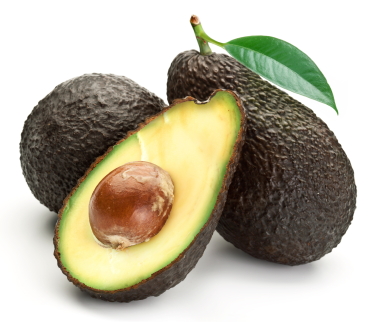
These are Hass or California avocados (the other common one in the U.S is the Florida avocado)

These are Hass or California avocados (the other common one in the U.S is the Florida avocado)

Breakfast:  Steak and Avocado

4 oz (110 g) raw steak

1 California avocado, peeled, seeded, and sliced (136 g)

½ tbsp (7 ml) olive oil (optional)

salt and pepper

1 tbsp (15 ml) vinaigrette (see below) or commercial Italian dressing (regular, not low-fat, with less than 2 g of carb per tbsp or 15 ml)

Cook the steak over medium heat, adding half a tbsp (7 ml) olive oil at the start if desired. Salt and pepper to taste. Peel and slice a California avocado. Dress avocado with homemade vinaigrette or commercial Italian dressing. Salt and pepper to taste. Digestible carb grams: 4.

AMD VINAIGRETTE

Try this on salads, fresh vegetables, or as a marinade for chicken, fish, or beef. If using as a marinade, keep the entree/marinade combo in the refrigerator for 4–24 hours. Seasoned vinaigrettes taste even better if you let them sit for several hours after preparation. This recipe was in my first book, The Advanced Mediterranean Diet; hence, “AMD vinaigrette.”

Ingredients

1 clove (3 g) garlic

juice from ½ lemon (23 g or ml)

a third of a cup (78 ml) oil olive

2 tbsp (8 g) fresh parsley

½ tsp (2.5 ml)) salt

½ tsp (2.5 ml) yellow mustard

½ tsp (1.2 ml) paprika

2 tbsp (30 ml) red wine vinegar

Preparation

In a bowl, combine all ingredients and whisk together. Alternatively, you can put all ingredients in a jar with a lid and shake vigorously. Let sit at room temperature for an hour, for flavors to meld. Then refrigerate. It should “keep” for at least 5 days in refrigerator. Shake before using. Servings per batch: 3.

Nutrient Analysis:

Recipe makes 3 servings (2 tbsp or 30 ml per serving). Each serving has 220 calories, 2 g digestible carb, almost no fiber, negligible protein, 24 g fat. 3% of calories are from carbohydrate, 97% from fat.

Lunch:  Aguacate Cucumber Salad

5 oz (140 g) cucumber, peeled and sliced into rounds

1 California avocado, peeled, seeded, and sliced (136 g)

2 tbsp (30 ml) AMD vinaigrette (see above) or commercial Italian dressing described below

salt and pepper

dash of lime or lemon juice (optional)

1 oz walnuts

Mix the cucumber and avocado in a bowl with the AMD vinaigrette or commercial Italian dressing (regular, not low-fat, with 3 g or fewer carbs per 2 tbsp or 30 ml). Salt and pepper to taste. For extra zing, add a dash of lemon or lime juice. Enjoy the walnuts on the side now, or mid-afternoon as a snack. Digestible carb grams: 10.

Dinner:  Bacon Shrimp Salad

2 slices (15 g) pork bacon, cured, cooked (or substitute 2 tbsp (30 ml) commercial real bacon bits)

2 tbsp (30 ml) AMD vinaigrette (see above) or commercial Italian dressing as below

½ packet of tabletop Splenda

4 oz (110 g) fresh baby spinach

4 oz (110 g) cooked shrimp (Consider commercial pre-cooked, peeled shrimp to save time)

6 oz (180 ml) dry white wine

Cook two bacon slices over medium heat, then crumble or cut in to tiny pieces (or substitute commercial real bacon bits). Add a half packet of Splenda to the AMD vinaigrette or commercial Italian dressing (regular, not low-fat, with 3 g or fewer carbs per 2 tbsp or 30 ml), then mix. On a bed of fresh baby spinach, place the cooked shrimp, then top with bacon pieces and vinaigrette. Enjoy with 6 oz dry white wine. Digestible carb grams: 9.

Comments Off on Meal Plans For “Conquer Diabetes and Prediabetes”

Filed under Recipes

Your Oral Health May Help You Prevent Heart Disease

…according to an article at University Herald.

42-15653194

The idea is that nasty bacteria around your gums somehow cause arterial inflammation in your heart arteries, which could lead to heart attacks. I’ve written about this before.

A quote from the article:

The researchers followed 420 adults as part of the Oral Infections and Vascular Disease Epidemiology Study (INVEST), a randomly sampled prospective cohort of Northern Manhattan residents. Participants were examined for periodontal infection. Overall, 5,008 plaque samples were taken from several teeth, beneath the gum, and analyzed for 11 bacterial strains linked to periodontal disease and seven control bacteria. Fluid around the gums was sampled to assess levels of Interleukin-1β, a marker of inflammation. Atherosclerosis in both carotid arteries was measured using high-resolution ultrasound.

Over a median follow-up period of three years, the researchers found that improvement in periodontal health-health of the gums-and a reduction in the proportion of specific bacteria linked to periodontal disease correlated to a slower intima-medial thickness (IMT) progression, and worsening periodontal infections paralleled the progression of IMT. Results were adjusted for potential confounders such as body mass index, cholesterol levels, diabetes, and smoking status.

Thickening of the arterial lining is linked to higher rates of heart attack and stroke.

It remains to be seen whether alteration of gum bacteria and periodontal disease via oral self-care and dental care will reduce cardiovascular risk going forward. Stay tuned.

Read more at http://www.universityherald.com/articles/5322/20131101/brushing-your-teeth-could-prevent-heart-disease.htm#rvx294vC7VKJ6Qu3.99

Comments Off on Your Oral Health May Help You Prevent Heart Disease

Filed under coronary heart disease, Heart Disease