My Ketogenic Mediterranean Diet: Day 37

MPj04327450000[1]Weight: 158.5 lb

Transgressions: none

Exercise: none

Comments

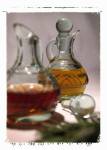
I eat a large salad once or twice daily, often dressed with Safeway Select “Olive Oil and Balsamic Dressing.”  Wouldn’t you think the this would be an olive oil vinaigrette?  The first ingredient listed on the bottle is vegetable oil (soybean oil, extra virgin olive oil).  Then water, balsamic vinegar, etc.  I assume it has more soybean oil than olive oil.  Could they just put a drop of olive oil in a serving and still call it “Olive Oil and Balsamic Dressing”?

Just an example to illustrate you don’t really know what you’re eating unless you fix it yourself.  Gotta admit the product is tasty, however!

I’ll look for another product with extra virgin olive oil as the primary ingredient.  Any suggestions?

Steve 

6 Comments

Filed under Uncategorized

Parents, It’s 6 PM. Do You Know Where Your Teenager is?

MPj04384380000[1]The Los Angeles Times health blog (Booster Shots) reported on a study Sept. 23, 2009, that associates teenager attendance at family dinner with better academic performance and less abuse of alcohol and drugs. 

Leisurely family meals are characteristic of the traditional Mediterranean diet and may partially explain the health benefits of the diet.  Food for thought, no?

Steve Parker, M.D.

Comments Off on Parents, It’s 6 PM. Do You Know Where Your Teenager is?

Filed under Mediterranean Diet

My Ketogenic Mediterranean Diet: Day 36

Weight: 158 lb

Transgressions: none

Exercise: none

Comments

Too busy.  See ya!

-Steve

9 Comments

Filed under My KMD Experience

My Ketogenic Mediterranean Diet: Day 35 + Vitamin K Review

Eat greens for vitamin K

Eat greens for vitamin K

Weight: 158 lb

Transgressions: none

Exercise: none

Comments

My nutrient analysis at NutritionData suggests that the un-supplemented Ketogenic Mediterranean Diet might be deficient in vitamin K.  Here’s a summary of vitamin K physiology from UpToDate.com:

Roles

1) promotes blood clotting (coagulation) by working with key proteins such as carboxylase enzymes, 2) bone formation

Sources

1) green vegetables like spinach and broccoli provide vitamin K1 (phylloquinones), 2) intestinal bacteria produce K2 (menaquinone), which provides a portion of our K1

Note these vitamin K % Daily Values: iceberg lettuce (22%), romaine lettuce (60%), and spinach (181%).

Deficiency States

Deficiency causes easy bruising and bleeding.  Rare in healthy adults, not uncommon in newborns.  Occasionally seen in prolonged fasting or starvation, and after use of many antibiotics (which kill gut bacteria and reduce vitamin K activation in the liver).

Implications

Vitamin K deficiency seems unlikely to be an issue with the Ketogenic Mediterranean Diet, especially if the dieter is eating some leafy greens and taking a multivitamin daily.  The days on which my vitamin K intake was low probably were my days heavy on iceberg lettuce or non-green veggies. 

People on a very low-carb diet not uncommonly experience easy bruising.  Could be related to vitamin K deficiency.  I wonder also about capillary fragility from vitamin C deficiency.

One Centrum has 31% of the recommended % Daily Value of vitamin K.

-Steve

Comments Off on My Ketogenic Mediterranean Diet: Day 35 + Vitamin K Review

Filed under My KMD Experience

My Ketogenic Mediterranean Diet: Day 34 + Zinc Review

Fishin' for catfish

Fishin' for catfish

Weight: 159 lb

Transgressions: breaded fried catfish

Exercise: none

Comments

My wife surprised me with some home-made, lightly breaded, fried catfish.  I had to estimate composition: 5-oz piece of fish (actual weight), 2 tbsp McCormick Seafood Fry Mix (18 g carb from corn meal and flour), and 3 Tbsp soybean oil.  It got cold before I got to it, so she put it back in the frying oil to re-warm it.  God knows how much oil was really in that piece of fish.  Yummy, anyway.  I entered the McCormick Fry Mix as a “custom food” at NutritionData.com so it could be part of my nutrient analysis for the day.   

My nutrient analysis at NutritionData suggests that the un-supplemented Ketogenic Mediterranean Diet may be deficient in zinc.  Here’s a summary of zinc physiology from UpToDate:

Physiologic Role

Important component of proteins, including enzymes.  Contributes to protein structure.  Functions in cell division and body growth.

Sources

Meat, chicken, nuts, lentils, fortified breakfasts cereals.

Deficiency

Impaired immune function, hypgonadism, delayed sexual maturity, growth retardation, hair loss, night blindness, impaired wound healing, skin lesions, change in hair color, loss of appetite, decreased sperm count, impotence.  Seems to contribute to severity of diarrhea and upper respiratory infections.  45% of adults have inadequate intake.

Implications

I’m a bit mystified as to why the Ketogenic Mediterranean Diet might be deficient in zinc, since it provides generous amounts of nuts, chicken, and meat.  In any case, one Centrum multivitamin/multimineral tablet provides 73% of the Daily Value recommended for adults.

Steve

Comments Off on My Ketogenic Mediterranean Diet: Day 34 + Zinc Review

Filed under My KMD Experience

My Ketogenic Mediterranean Diet: Day 33 + Magnesium Review

CB022214Weight: 159 lb

Transgressions: 12 oz  of 7-Up carbonated beverage

Exercise: none

Comments

I accidentally drank a 7-Up at the hospital physician’s lounge: the diet 7-Ups were right next to the regular 7-Ups in the refrigerator.  It had 39 g of carbs, all sugar of course.  I didn’t realize what I’d done until too late; the texture finally gave it away.  I rarely drink 7-Up in any case.  My favorite diet soda is Fresca.  Nothing wrong with 1-2 daily for most folks.  If I were going to cheat on purpose, it wouldn’t be with soda pop.  Snickers bar is more like it!

My nutrient analysis of the un-supplemented Ketogenic Mediterranean Diet suggests that it may be deficient in magnesium.  Here’s a summary of magnesium physiology from UpToDate.com and Medscape:

Role of Magnesium

Influences properties of cell membranes.  Helps regulate other mineral levels: sodium, potassium, calcium.  Works with enzymes, particulary in energy production.  Helps with protein production.  Most of our magnesium is in our bones.

Sources

Leafy greens, nuts, legumes, animal proteins.  [All but legumes are on the Ketogenic Mediterranean Diet.]

Effects of Deficiency State

Abnormal EKG (an electrical tracing of heart activity).  Abnormal heart rhythms, especially ventricular arrhythmias.  Weakness, convulsions, loss of appetite, low blood levels of calcium and potassium, seizures, apathy, delirium coma.

Causes of Low Magnesium

Gastrointestinal or kidney losses: vomiting, diarrhea, diuretics, genetic disorders, several kidney-toxic drugs little used in the general population, small bowel bypass surgery, inability to absorb from intestinal tract.

Miscellaneous: marked dietary deprivation, diabetes, alcohol abuse, high blood calcium levels, ketogenic extremely high-fat diets used to suppress epilepsy (usually in children: up to 10% have low magnesium).

Implications

Hmm…, causes of magnesium deficiency include …ketogenic extremely high-fat diets used to suppress epilepsy…  The ketogenic anti-epilepsy diet may be even lower in carbohydrates than is the Ketogenic Mediterranean Diet, so fewer leafy greens (and nut-free?).  Since I don’t treat children with epilepsy, I haven’t done much research into the anti-epilepsy ketogenic diet yet. 

One Centrum multivitamin/multimineral supplement contains only 13% of the recommended “% Daily Value” of magnesium.  Might be a good idea for KMD dieters to take an additional magnesium supplement, probably available over-the-counter at pharmacies, supermarkets, or health food stores.  Or get a blood level of magnesium drawn periodically.

-Steve


Comments Off on My Ketogenic Mediterranean Diet: Day 33 + Magnesium Review

Filed under My KMD Experience

My Ketogenic Mediterranean Diet: Day 32 + Manganese Review

A couple senior asian talking and exercising at a parkWeight: 159 lb

Transgressions: none

Exercise: none

Comments

My nutrient analysis at NutritionData suggests that the un-supplemented Ketogenic Mediterranean Diet may be deficient in manganese.  Here’s a summary of manganese physiology.

The role of manganese  in human health is unclear.  It is involve in detoxification of superoxide radicals and is found in several enzymes.  Deficiency may cause a scaly dermatitis (skin rash) and lipid abnormalities.  Deficiency is very unusual, but may be seen in highly restricted diets.

Despite decades of practing medicine, I’ve never seen a case of manganese deficiency.  Maybe I’ve missed it.  But I’ve never seen any physician in my circle of colleagues diagnose it either.

Steve

Comments Off on My Ketogenic Mediterranean Diet: Day 32 + Manganese Review

Filed under My KMD Experience

My Ketogenic Mediterranean Diet: Day 31 – Mission Accomplished!

copper pipe

copper pipe

Weight: 160 lb (72.7 kg)

Transgressions: none

Exercise: none

Comments

Today is a milestone for me: I’ve reached the goal weight I set for myself 30 days ago!  Waist size has dropped from 37 to 35¼ inches.  I may be up 1.5 lb tomorrow just by shifts in fluid balance and intestinal contents.  My waist was 32 inches when I was in my 20’s.  As I look in the mirror, I can see the improvement over a month ago, and I’d like to see even less fat around my midsection.  I’ll stay on the program another couple weeks and see what happens.  My energy intake over the last two days has increased by 200 cal, up to 2000 cals/day—perhaps my body is starting to defend its current weight.     

My nutrient analysis at NutritionData suggests that the un-supplemented Ketogenic Mediterranean Diet may be deficient in copper.  Here’s a summary of copper physiology.

Copper is involved in enzymes that relate to antioxidant defense, production of nervous system chemical messengers, collagen and bone formation, blood clotting, melatonin production, and electron transport.  Deficiency of copper causes weakness, bleeding, fragile hair, depigmentation of skin (pale skin), osteoporosis, edema, ataxia (unsteady gait), neuropathy (impaired nerve function), impaired thinking, microcytic anemia, enlargement of the liver and spleen, and low platelets.

Copper deficiency could explain the easy bruising seen commonly in people on very low-carb diets.  Other factors, such as vitamin C or K deficiency may be more common.

How common is copper deficiency?  Working full-time in hospitals over the last eight years, I’ve never seen a documented case—diagnosed by me or any other physician—of copper deficiency.  I’ll admit I rarely look for it by measuring a blood level.  Among the causes of copper deficiency listed at UpToDate.com, very low-carb diets are not listed.

-Steve

4 Comments

Filed under Uncategorized

My Ketogenic Mediterranean Diet: Day 30

Skip the cone

Skip the cone

Weight: 160.5 lb (72.9 kg)

Transgressions: exceeded veggie max by 1.5 oz, and nut max by 0.5 oz

Exercise: 90 minutes horseback riding (mostly walking),  horse grooming

Comments

A friend told me about Breyers Carb Smart Chocolate Frozen Dairy Desert.  It’s in the ice cream section of the supermarket, comes in an ice cream container, but they don’t call it ice cream.  Sweetened with Splenda, it’s marketed for use as part of a low-carb diet and has five grams of net carbs per serving.  The one-half cup serving size contains:

  • 110 calories (60 fat calories)
  • total carbs 15 g, fiber 4 g, sugars 5 g, sugar alcohol 6 g
  • ingredients: milk, skim milk, cream, sorbitol, polydextrose, cocoa (processed with alkali), whey, glycerine cellulose gel, propylene glycol monoesters, mono and digylcerides, etc.

It tastes fine.  You could serve it to houseguests as ice cream and they’d never know.  I didn’t have regular Breyers ice cream available for a head-to-head comparison, but I expect the real deal tastes better.

I’m conflicted about recommending an imitation ice cream to someone who may be a carbaholic and trying to lose weight and keep it off.  Ice cream has contributed to overweight in many folks.  Could imitation ice cream lead them to “fall off the wagon”?  On the other hand if someone has been doing well with very low-carb eating for several weeks and is just dying for something cold and sweet, wouldn’t this be better than real ice cream?

Steve

5 Comments

Filed under Uncategorized

My Ketogenic Mediterranean Diet: Day 29 and Week 4 Update

monument valley navajo tribal parkWeight: 160.5 lb (72.95 kg)

Waist circumference: 35¼ inches (89.5 cm)

Transgressions: not eating as much fish as I should, and ate 2-3 fl oz of barbecue sauce having unknown carb content

Exercise: none

Comments

Down 1.5 lb (0.68 kg) for the week.  Starting weight September 1 was 170 lb (77.3 kg).  Down a total of 9.5 lb (4.32 kg) over four weeks. 

Another 3-day out-of-town trip interfered with calorie counting and nutrient analysis since I was away from my computer.  But remember, the Ketogenic Mediterranean Diet doesn’t require calorie counting.  I’m just doing it for scientific purposes.  I fully expect at some point I will stop losing weight, and I want to know my daily caloric intake at that point.  Will it rise to the 2,200-2,400 range, which I believe to be my baseline?

I saw an interesting documentary on the Atkins diet posted by Dr. Dan at Darwin’s Table.  Dr. Dan is a paleo diet advocate.  From the documentary, apparently produced in the UK, I learned that feeling “peckish” means you are “somewhat hungry” (also means irritable) and a “stone” equals 14 pounds (6.4 kg).  The sound track reminds me of the Austin Powers movies. 

If you like barbecue and are ever in Wikiup, Arizona, USA, don’t miss “Eat at Joe’s Barbecue.”  It’s Texas-style BBQ.  Best barbecue brisket and ribs I’ve ever had outside of Texas.

I watched my wife and daughter eat ice cream at Baskin-Robbins, and had, surprisingly, no temptation.  I love BDR ice cream.  I ate 20 grams of Lindt dark chocolate with them instead.  I saw some sugar-free ice cream, so I asked the clerk, “Do you have nutritional analysis info on that?”  She replied, “Sir, this is an ice cream store…” 

This is a typical days’ food:

  • Breakfast: eggs and meat (beef, sausage, bacon, or ham).  I fry eggs in olive oil or butter.  Occassionally sauté tomatoes or onions in olive oil.
  • Lunch and Dinner: Salad dressed with extra virgin olive oil vinaigrette, with added fish (usually canned) or chicken.
  • Glass of red wine with dinner.
  • Snack: Nuts, cheese, or both.

Daily average nutrient analysis for four days:

  • Macronutrients as percentage of total energy: 7% carbohydrate, fat 59%, protein 26%, alchohol 8%
  • Digestible carbohydrate: 25 g
  • Fiber: 9 g
  • Calories: 1650
  • Looking at % Daily Values for a 2,000 calorie diet, this diet may be deficient in vitamins and minerals: C, D, E, thiamine, B6, folate, pantothenic acid, iron, manganese, magnesium, potassium, sodium, copper, and calcium.  [However, I am taking two Centrum multivitamin/multimineral supplements plus extra vitamin D 400 IU, which would correct nearly all of these, as discussed at my Week 2 Recap.] 

I am starting to miss my sweet carbohydrates, like Reese’s Peanut Butter cups, apple pie, and ice cream.  My birthday is coming up.  What . . . No cake?  It’s time to think about a “cheat day,” perhaps once a month.  The Advanced Mediterranean Diet has one every two weeks.

-Steve

Comments Off on My Ketogenic Mediterranean Diet: Day 29 and Week 4 Update

Filed under My KMD Experience