Category Archives: Weight Loss

Book Review: The South Asian Health Solution

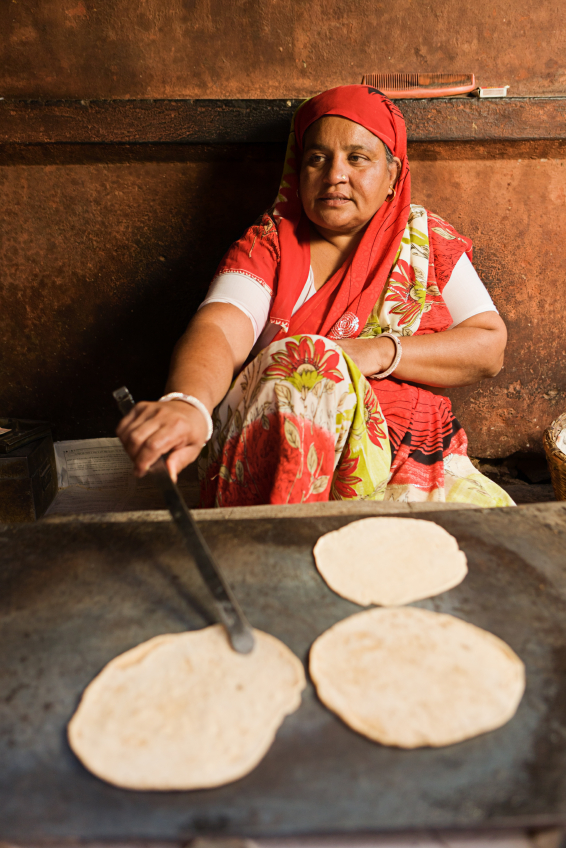
Indian woman cooking chapati

Indian woman cooking chapati

Here’s my review of The South Asian Health Solution: A culturally tailored guide to lose fat, increase energy, avoid disease by Ronesh Sinha, published in 2014.

♦   ♦   ♦

Dr. Sinha practices internal medicine in northern California (Silicon Valley) and has a large dose of South Asians in his clinic. “South Asia” usually encompasses India, Pakistan, Nepal, Bangladesh, Bhutan, Sri Lanka and Maldives. It is home to one fifth of the world’s population. This book pertains mostly to Indians, which is Dr. Sinha’s ethnicity. I live in the Pheonix, AZ, area and we have a fair number of Indian engineers and physicians.

WHY DO SOUTH ASIANS NEED THEIR OWN SPECIAL HEALTH GUIDE?

Because Dr. Sinha says they have unique genetic and cultural issues that predispose them to type 2 diabetes, abdominal obesity, coronary artery disease, high blood pressure, and adverse cholesterol numbers. For example, compared to natives who stay in their home countries, South Asian immigrants to the West have 3–4 times higher prevalence of diabetes, he says. Dr Sinha has a program that he’s convinced will prevent or forestall these medical problems in South Asians.

Dr. Sinha says South Asians eat too many carbohydrates and are too sedentary. Especially those who have moved to the West (e.g., US, UK, Europe, Canada). He notes that the core of the typical South Asian diet is flat breads, lentils, rice, fried crispy snacks (with heart-poisoning trans fats), culminating in 150–200 daily grams of carbohydrate more than he sees in other ethnics in California. Western fast foods, sodas, and sweets compound the problem.

He says “most South Asians are skinny-fat,” meaning skinny legs and arms but with a fat belly from visceral fat. This is also called sarcopenic obesity. The usual “healthy” body mass index (BMI) numbers don’t apply to Asians. The World Health Organisation classifies Asians as underweight if BMI is 18.4 or less, healthy at BMI of 18.5 to 13, overweight at BMI 23.1 to 25, and obese if BMi is over 25. These numbers are lower than those used for non-Asian populations.

Another issue in his South Asian patient population is vitamin D deficiency related to their dark skin (hence, less vitamin D production) and too much time indoors. He says vitamin D deficiency promotes inflammation and insulin resistance. More on this below.

Some South Asians have a K121Q gene mutation that causes insulin resistance, which in turn can cause disease. And whether it’s genetic or not (but I think it is), he says South Asians tend to have higher Lp(a) [aka lipoprotein(a)], which causes early and aggressive coronary artery disease. They also tend to have small dense LDL, leading to a lower-than-expected total cholesterol level which may be deceptively low.

Sinha notes a strong vegetarian preference in Indians but spends almost no time discussing it. From the book, I can’t tell if Indian vegetarians are lacto-ovo-vegetarians, pescetarians, or vegans. The author is not a vegetarian.

Gadi Sagar temple on Gadisar Lake, Jaisalmer, Rajasthan, India

Gadi Sagar temple on Gadisar Lake, Jaisalmer, Rajasthan, India


SINHA’S GRAND UNIFICATION THEORY OF DISEASE CAUSATION

So, South Asians, at least in the West, have a high-carb diet, are too sedentary, and have genetic tendencies to heart disease and diabetes. How do these factors cause disease? It’s all tied together with insulin resistance. Insulin is the main hormone that keeps our blood sugar from rising too high after we digest a meal. Insulin drives blood sugar into our body cells to be used as energy or stored as fat or glycogen. If our tissues have insulin resistance, blood sugar levels rise. As a compensatory effort, our pancreas excretes more insulin in to the blood stream than would normally be the case. Whether or not that eventually lowers blood sugar levels, the higher insulin levels themselves can cause toxicity. For example, higher insulin levels raise blood pressure, which damages the cells lining the insides of our arteries, leading to chronic inflammation and atherosclerosis (hardening of the arteries). Some of the arterial damage is mediated through small dense LDL cholesterols (aka type B LDL), which is promoted by high insulin levels (hyperinsulinemia). Insulin resistance also results in a defective and overactive immune system, which further promotes chronic inflammation. This inflammation is “…the root cause of almost every imaginable chronic disease…from heart attacks and strokes to Alzheimers Disease.”

Anyway, this is Dr. Sinha’s hypothesis, and there is some scientific evidence to support it. Sinha says that the concept of insulin resistance “weaves together virtually every chronic ailment currently afflicting South Asians.” That may be a bit hyperbolic: He carves out no exceptions for arthritis, asthma, eczema, migraines, glaucoma, macular degeneration, hearing loss, erectile dysfunction, hepatitis C, prostate enlargement, toenail fungus, or male-pattern baldness.

Dr. Sinha’s Grand Unification Theory of Disease Causation has some support among physicians and scientists, but is by no means universally accepted among them. As for myself, I think he’s over-simplifying (for his readership’s sake?) and getting a bit ahead of the science.

Most clinicians aren’t testing directly for insulin resistance. What are the indirect clues? Belly fat, low HDL cholesterol, high trigylcerides, high blood pressure, prediabetes, and type 2 diabetes. These are components of the metabolic syndrome. Not everybody with one or more of these factors has insulin resistance but many do.

WHAT’S HIS PROGRAM?

If Sinha is correct, the South Asian Health Solution is a “low-insulin lifestyle” achieved through carbohydrate-reduced eating, exercise, and avoidance or resolution of belly fat. These help improve all components of the aforementioned metabolic syndrome. The backbone of the plan is carbohydrate restriction. For low-carb eating, avoid wheat bread and Indian flat breads (e.g., chapatis, naans, parathas, puris, phulkas), aloo (primarily potatoes and starchy vegetables), rice and other grains, beans, and sugar. Keep track of your net carbohydrates (he likes FitnessPal.com, which includes South Asian foods).

If you need to burn off body fat, limit carbs to 50–100 grams/day (digestible or net carbs, I assume). Aim for 100–150 grams/day to maintain health and weight loss.

You might be able to add “safe starches” later: white rice, potatoes. To replace your Indian flat breads, learn how to make them with substitutes for wheat flour: coconut flour or almond flour (no skins) or almond meal (skin included). Recipe on page 347. Rice alternatives are cauliflower “rice,” shredded cabbage, broccoli slaw, chopped broccoli, and chopped carrots.

He likes ghee, extra virgin olive oil, coconut oil, and butter. Avoid high omega-6 fatty acid consumption, as in vegetable oils. Of course, avoid trans fats. Good fats are saturated, monousaturated, and omega-3s.

He provides a few low-carb recipes, surprisingly without specific carb counts: chapatis, microwave bread, cauliflower pizza, coconut cauliflower rice, shredded cabbage sabji, gajar halwa (carrot pudding), and coconut ladoo.

Dr. Sinha doesn’t provide a comprehensive meal plan. He trusts his California South Asians to figure out how and what to eat. They’re smarter than average (he never says that, but that’s been my experience with South Asians in my world).

Dr. Sinha is also a huge proponent of exercise. He’ll tell you about squats, lunges, planks, burpees, yoga, and Tabata intervals. He agrees with me and Franziska Spritzler that “physical activity is the most effective fountain of youth available.”

Steve Parker, M.D., Conquer Diabetes and Prediabetes

Taking a rest from the fountain of youth


I skipped some of the chapters due to lack of time and interest: women’s issues (e.g., pregnancy, polycystic ovary syndrome, post-partum depression, osteoporosis), childhood, fatigue and stress management, and anti-aging.

MISCELLANEOUS TIDBITS

  • He likes high-sensitivity CRP testing.
  • His metabolic goals for South Asians are: 1) keep waist circumference under 35 inches (90 cm) in men, under 31 inches (80 cm) in women, 2) keep triglycerides under 100 mg/dl (1.13 mmol/l), 3) keep HDL cholesterol over 40 mg/dl (1.03 mmol/l) for men, and above 50 mg/dl (1.29 mmol/l) for women, 4) keep systolic blood pressure 120 or less, and diastolic pressure 80 or less, 5) keep fasting blood sugar under 100 mg/dl (5.6 mmol/l) and hemoglobin A1c under 5.7%, and 6) keep hs-CRP under 1.0 mg/dl.
  • He says HDL cholesterol helps reduce insulin resistance via apoprotein A-1 (apo A-1), which increases glucose uptake by cells.
  • He likes to follow the triglyceride/HDL ratio. If under 3, it means low risk of insulin resistance being present.
  • He likes to follow total cholesterol/HDL cholesterol ratio: ideal is under 3.5.
  • Statins are way over-used.
  • Ignore total cholesterol level by itself.
  • Stress control and sleep are important.
  • The author had some metabolic syndrome components: high triglycerides, low HDL cholesterol, and type B LDL (small, dense particles).
  • He dislikes the usual-recommended low-fat, low-cholesterol diet.
  • 4 tbsp (60 ml) of extra virgin olive oil daily seems to lower blood pressure.
  • Magnesium supplementation may lower blood pressure.
  • The liver stores about 100 grams of glycogen and muscles store 300–500 grams.
  • Vanaspati is a “cheap ghee substitute” made from vegetable oil and widely used in Indian restaurants and many Indian processed foods. Avoid it since it’s a source of trans fats.
  • Aloo sabji is a potato dish.
  • Traditional Indian herbs/spices include turmeric, cardamon, ginger, and cilantro.
  • Find an Indian medication guide at http://www.medguideindia.com/show_brand.php.
  • Coconut milk is a traditional fat in India.
  • Curry, curry, curry.
  • http://www.pamforg/southasian.
  • http://southasiahealthsolutions.org.
  • Non-alcoholic steatohepatitis (NASH) is quite common in South Asians, seemingly linked to visceral (abdominal) obesity and insulin resistance related to carbohydrates.
  • The book has no specific focus on diabetes.

THUMBS UP OR DOWN?

Overall, I like many of Dr. Sinha’s ideas. They seem to be supported by his experience with his own patients. I trust him. I bet many South Asians and non-Asians eating the Standard American Diet would see improved health by following his low-carb, physically active program.

Steve Parker, M.D.

 

2 Comments

Filed under Book Reviews, coronary heart disease, Heart Disease, India, Overweight and Obesity, Weight Loss

Prevent Weight Regain With the Mediterranean Diet

Italian seaside tangentially related to this post

Italian seaside tangentially related to this post

Investigators affiliated with universities in Italy and Greece wondered about the effect on obesity of two ketogenic “Mediterranean” diet spells interspersed with a traditional Mediterranean diet over the course of one year. They found significant weight loss, and perhaps more importantly, no regain of lost weight over the year, on average.

This scientific study is right up my alley. I was excited when I found it. Less excited after I read it.

The Set-Up

This was a retrospective review of medical records of patients of a private nutritional service in three fitness and weight control centers in Italy between 2006 and 2010. It’s unclear whether patients were paying for fitness/weight loss services. 327 patient records were examined. Of these, 89 obese participants met the inclusion and exclusion criteria and started the program; 68 completed it and were the ones analyzed. (That’s not at all a bad drop-out rate for a year-long study.)  The completers were 59 males and 12 females (I know, the numbers don’t add up, but that’s what they reported). Ages were between 25 and 65. Average weight was 101 kg (222 lb), average BMI 35.8, average age 49. All were Caucasian. No diabetics.

Here’s the program:

  1. 20 days of a very-low-carb ketogenic diet, then
  2. 20 days of a low-carbohydrate non-ketogenic diet for stabilization, then
  3. 4 months of a normal caloric Mediterranean diet, then
  4. repeat #1 and #2, then
  5. 6 months of a normal caloric Mediterranean diet

In the ketogenic phases, which the authors referred to as KEMEPHY, participants followed a commercially available protocol called TISANOREICA. KEMEPHY is combination of four herbal extracts that is ill-defined (at least in this article), with the idea of ameliorating weakness and tiredness during ketosis. The investigators called this a ketogenic Mediterranean diet, although I saw little “Mediterranean” about it. They ate “beef & veal, poultry, fish, raw and cooked green vegetables without restriction, cold cuts (dried beef, carpaccio and cured ham), eggs and seasoned cheese (e.g., parmesan).” Coffee and tea were allowed. Items to avoid included alcohol, bread, pasta, rice, milk, and yogurt. “In addition to facilitate the adhesion to the nutritional regime, each subject was given a variety of specialty meals constituted principally of protein and fibers. “These meals (TISANOREICA) that are composed of a protein blend obtained from soya, peas, oats (equivalent to 18 g/portion) and virtually zero carbohydrate (but that mimic their taste) were included in the standard ration.” They took a multivitamin every morning. Prescribed carbohydrate was about 30 grams a day, with macronutrient distribution of 12% carb, 36 or 41% protein, and 51 0r 52% fat. It appears that prescribed daily calories averaged 976 (but how can that be prescribed when some food items are “unrestricted”?).

I found little explanation of period #2 mentioned above, the low-carb non-ketogenic diet. Prescribed macronutrients were 25 or 33% carb, 27 0r 31% protein, 41 or 44% fat, and about 91 g carbohydrate. Prescribed daily calories appear to have averaged 1111.

After the first and second active weight loss ketogenic phases, participants ate what sounds like a traditional Mediterranean diet. Average prescribed macronutrient distribution was 57% carbohydrate, 15 % protein, and 27% fat. Wine was allowed. It looks like 1800 calories a day were recommended.

Food consumption was measured via analysis of 3-day diaries, but you have to guess how often that was done because the authors don’t say. The results of the diary analyses are not reported.

What Did They Find?

Most of the weight loss occurred during the two ketogenic phases. Average weight loss in the first ketogenic period was 7.4 kg (16 lb), and another 5.2 kg (11 lb) in the second ketogenic period. Overall average weight loss for the entire year was 16.1 kg (35 lb).

Average systolic blood pressure over the year dropped a statistically significant 8 units over the year, from 125 to 116 mmHg.

Over the 12 months, they found stable and statistically significant drops in total cholesterol, LDL cholesterol (“bad cholesterol”), triglycerides, and blood sugar levels. No change in HDL cholesterol (“good cholesterol”).

Liver and kidney function tests didn’t change.

The authors didn’t give explanations for the drop-outs.

Although the group on average didn’t regain lost weight, eight participants regained most of it. The investigators write that “…the post dietary analysis showed that they were not compliant with nutritional guidelines given for the Mediterranean diet period. These subjects returned to their previous nutrition habits (“junk” food, high glycaemic index, etc.) with a mean “real” daily intake of 2470 Kcal rather than the prescribed 1800 Kcal.”

Comments

A key take-home point for me is that the traditional Mediterranean diet prevented the weight regain that we see with many, if not most, successful diets.

However, most formulas for calculating steady state caloric requirements would suggest these guys would burn more than the 1800 daily calories recommended to them during the “normal calorie” months. How hard did the dieters work to keep calories around 1800? We can only speculate.

Although the researchers describe the long periods of traditional Mediterranean diet as “normal caloric,” they don’t say how that calorie level was determined  and achieved in the real world. Trust me, you can get fat eating the Mediterranean diet if you eat too much.

I’ll be the first to admit a variety of weight loss diets work, at least short-term. The problem is that people go back to their old ways of eating regain much of the lost weight, typically starting six months after starting the program. It was smart for the investigators to place that second ketogenic phase just before the typical regain would have started!

There are so few women in this study that it would be impossible to generalize results to women. Why so few? Furthermore, weight loss and other results weren’t broken down for each sex.

I suspect the results of this study will be used for marketing KEMEPHY and TISANOREICA. For all I know, that’s why the study was done. We’re trusting the investigators to have done a fair job choosing which patient charts to analyze retrospectively. They could have cherry-picked only the good ones. Some of the funding was from universities, some was from Gianluca Mech SpA (what’s that?).

How much of the success of this protocol is due to the herbal extracts and TISANOREICA? I have no idea.

The authors made no mention of the fact the average fasting glucose at baseline was 103 mg/dl (5.7 mmol/l). That’s elevated into the prediabetic range. So probably half of these folks had prediabetes. After the one-year program, average fasting glucose was normal at 95 mg/dl (5.3 mmol/l).

The improved lipids, blood sugars, and lower blood pressure may have simply reflected successful weight loss and therefore could have been achieved  by a variety of diets.

The authors attribute their success to the weight-losing metabolic effects of the ketogenic diet (particularly the relatively high protein content), combined with the traditional Mediterranean diet preventing weight regain.

The authors write:

The Mediterranean diet is associated with a longer life span, lower rates of coronary heart disease, hypercholesterolemia, hypertension, diabetes and obesity. But it is difficult to isolate the “healthy” constituents of the Mediterranean diet, since it is not a single entity and varies between regions and countries. All things considered there is no “one size fits all” dietary recommendation and for this reason we have tried to merge the benefits of these two approaches: the long term “all-life” Mediterranean diet coupled with brief periods of a metabolism enhancing ketogenic diet.

I’ve attempted a similar merger with my Low-Carb Mediterranean Diet. Click here for an outline. Another stab at it was the Spanish Ketogenic Mediterranean Diet. And here’s my version of a Ketogenic Mediterranean Diet.

Steve Parker, M.D.

Reference: Paoli, Antonio, et al. Long Term Successful Weight Loss with a Combination Biphasic Ketogenic Mediterranean Diet and Mediterranean Diet Maintenance Protocol. Nutrients, 5 (2013): 5205-5217. doi: 10.3390/nu5125205

3 Comments

Filed under ketogenic diet, Mediterranean Diet, Prediabetes, Weight Loss, Weight Regain

David and Goliath: Dr. Briffa Versus National Health Service on Low-Carb Diets

The United Kingdom’s National Health Service last year published guidelines favoring low-fat weight-loss diets over low-carb ones. Dr. John Briffa objects:

See here for a comprehensive review of 23 studies which demonstrates superior results achieved by low-carb diets with regard to weight loss and disease markers. To my mind, dietician Sian Porter and the NHS Choices website have done a bad job of communicating the facts and summarising the evidence. I wish to formally complain about the inaccuracies in this article and its (to me) clear bias and lack of balance.

Read the whole enchilada (plus this update).

Steve Parker, M.D.

5 Comments

Filed under Weight Loss

Diabetes Drug Now Sold As Weight-Loss Aid

It’s liraglutide, which has been available to treat diabetes in the U.S. since 2009. It’s sold as Victoza. Click for my brief review of the drug class for diabetics. The weight-loss preparation will be sold in the U.S. as Saxenda and it’s a higher dose than is used for just diabetes.

Click for the CBS News report on Saxenda. A snippet:

One clinical trial that involved patients without diabetes found that patients taking Saxenda had an average weight loss of 4.5 percent after one year. Of the people treated with the drug, 62 percent lost at least 5 percent of their body weight. Meanwhile, only 34 percent of those given an inactive placebo had the same result.

Another clinical trial that included patients with type 2 diabetes found that patients had an average weight loss of almost 4 percent after one year. Of those given Saxenda, 49 percent lost at least 5 percent of their body weight, compared to 16 percent of those who were given a placebo treatment.

Click for the FDA’s press release.

Oh, by the way. You have to inject it daily under the skin (subcutaneous). And if you were hoping for a shortcut to weight loss, this ain’t it. You’re still supposed to follow a reduced-calorie diet and exercise regularly.

I’d try the  Low-Carb Mediterranean Diet first if I had diabetes.

Steve Parker, M.D.

PS: Full prescribing information.

2 Comments

Filed under Weight Loss

Do Low-Carb Diets Cause Premature Death?

Adult life is a battle against gravity. Eventually we all lose.

Adult life is a battle against gravity. Eventually we all lose.

Japanese researchers say low-carb diets are causing premature death. I’m skeptical.

The potentially healthful side effects linked to low-carb eating include reduced weight, higher HDL cholesterol, and lower triglycerides and blood pressure. The Japanese investigators wondered if the improved cardiovascular risk factors seen with low-carb diets actually translate into less heart disease and death.

How Was the Study At Hand Done?

The best way to test long-term health effects of a low-carb diet (or any diet) is to do a randomized controlled trial. You take 20,000 healthy and very similar people—not rodents—and randomize half of them to follow a specific low-carb diet while the other half all eat a standard or control diet. Teach them how to eat, make damn sure they do it, and monitor their health for five, 10, or 20 years. This has never been, and never will be, done in humans. The Nazis may have done it, but it’s not published. In the old days, we could do this study on inmates of insane asylums or prisons.

What we have instead are observational studies in which people voluntarily choose what they’re eating, and we assume they keep eating that way for five or 10+ years. You also assume that folks who choose low-carb diets are very similar to other people at the outset. You depend on regular people to accurately report what and how much they’re eating. You can then estimate how much of their diet is derived from carbohydrate and other macronutrients (protein and fat), then compare health outcomes of those who were in the top 10% of carb eaters with those in the bottom 10%. (We’ve made a lot of assumptions, perhaps too many.)

Of the observational studies the authors reviewed, the majority of the study participants were from the U.S. or Sweden. So any true conclusions may not apply to you if you’re not in those countries. In looking for articles, they found no randomized controlled trials.

The observational studies estimated carb consumption at the outset, but few ever re-checked to see if participants changed their diets. That alone is a problem. I don’t know about you, but I’ve had significant changes in my diet depending on when I was in college and med school, when I was a bachelor versus married, when my income was higher or lower, and when I had young children versus teenagers. But maybe that’s just me.

The researchers looked at all-cause mortality, deaths from cardiovascular disease, and incidence of cardiovascular disease. They don’t bother to define cardiovascular disease. I assume heart attack, strokes, and peripheral vascular disease. (But aren’t aneurysms, deep vein thrombosis, and pulmonary embolism vascular diseases, too?) Wouldn’t you think they’d carefully define their end-points? I would. Since they were going to all this trouble, why not look at cancer deaths, too?

What Did the Investigators Conclude?

Very low-carbohydrate dieters had a 30% higher risk of death from any cause (aka all-cause mortality) compared to very high-carb eaters. The risk of cardiovascular disease incidence or death were not linked with low-carb diets. Nor did they find protection against cardiovascular disease.

Finally, “Given the facts that low-carbohydrate diets are likely unsafe and that calorie restriction has been demonstrated to be effective in weight loss regardless of nutritional composition, it would be prudent not to recommend low-carbohydrate diets for the time being.”

If Low-Carb Dieters Die Prematurely, What Are They Dying From?

The top four causes of death in the U.S. in 2011, in order, are:

  1. heart attacks
  2. cancer
  3. chronic lower respiratory tract disease
  4. stroke

You’ll note that two of those are cardiovascular disease (heart attacks and stroke). So if low-carb diets promote premature death, it’s from cancer, chronic lung disease, or myriad other possibilities. Seventy-five percent of Americans die from one of the top 10 causes. Causes five through 10 are:

  • accidents
  • Alzheimer disease
  • diabetes
  • flu and pneumonia
  • kidney disease
  • suicide

Problem is, no one has ever linked low-carb diets to higher risk of death from any specific disease, whether or not in the top ten. Our researchers don’t mention that. That’s one reason I’m very skeptical about their conclusion. If you’re telling me low-carb diets cause premature death, tell me the cause of death.

Another frustration of mine with this report is that they never specify how many carbohydrates are in this lethal low-carb diet. Is it 20 grams, 100, 150? The typical American eats 250-300 grams of carb a day. If you’re going to sound the alarm against low-carb diets, you need to specify the lowest safe daily carb intake.

For most of my career—like most physicians—I’ve been wary of low-carb diets causing cardiovascular disease. That’s because they can be relatively high in total fat and saturated fat. In 2009, however, I did my own review of the scientific literature and found little evidence of fats causing cardiovascular disease.

If you’re looking for a reason to avoid low-carb diets, you can cite this study and its finding of premature death. I’m not convinced. I’ll turn it around on you and note this study found no evidence that low-carb diets cause cardiovascular disease. The risk of cardiovascular disease had been the traditional reason for physicians to recommend against low-carb diets.

Steve Parker, M.D.

Reference: Noto, Hiroshi et al. Low-Carbohydrate diets and all-cause mortality: A systematic review and meta-analysis of observational studies. PLoS One, 2013; 8(1): e55050

4 Comments

Filed under Carbohydrate, coronary heart disease, Longevity, Weight Loss

Which Macronutrient Helps the Most With Appetite Control and Weight Management?

You can make a good case for protein. Julianne Taylor has the sciencey details in a fine post at her blog. She talks about insulin, glycogen, digestion, glycemic index, and the benefits of vegetable and fruit carbohydrates over grains.

Read the whole enchilada.

1 Comment

Filed under Overweight and Obesity, Protein, Weight Loss

Ketogenic Diet Overview

"Waiter, I didn't order sushi!"

“Waiter, I didn’t order sushi!”

Below is my contribution to Low-Carbing Among Friends—Vol. 4, which is an excellent source of low-carb recipes. Get the whole series so you’ll never suffer from diet boredom!

*  *  *

We’re starting to see a resurgence of interest in ketogenic diets for weight loss and management, at least in the United States. Also called “very-low-carb diets,” ketogenic diets have been around for over a hundred years. A few writers in the vanguard recently are Jimmy Moore, Dr. Peter Attia, and Dr. Georgia Ede. Before them, Dr. Robert Atkins was a modern pioneer with his famous Atkins Diet and its Induction Phase.

What is a Ketogenic Diet?

There are many different programs but they tend to share certain characteristics. They restrict digestible carbohydrate consumption to 50 or fewer grams a day, sometimes under 20 grams. This totally eliminates or drastically reduces some foods, such as grains, beans, starchy vegetables (corn, potatoes, peas, etc), milk, and sugar. Nor can you have products made from these, such as bread, cookies, pies, cakes, potato and corn chips, and candy. You eat meat, eggs, fish, chicken, certain cheeses, nuts, low-carb vegetables (e.g., salad greens, broccoli, green beans, cauliflower), and oils. Total calorie consumption is not restricted; you count carb grams rather than calories. This is a radical change in eating for most people.

Raspberries and blackberries are low-carb fruits

Raspberries and blackberries are low-carb fruits

You’re may be wondering what “ketogenic” means. First, understand that your body gets nearly all its energy either from fats, or from carbohydrates like glucose and glycogen. In people eating normally, 60% of their energy at rest comes from fats. In a ketogenic diet, the carbohydrate content of the diet is so low that the body has to break down even more of its fat to supply energy needed by most tissues. Fat breakdown generates ketone bodies in the bloodstream. Hence, “ketogenic diet.” Some of the recent writers are using the phrase “nutritional ketosis” to summarize this metabolic state.

Ketogenic Versus Traditional Calorie-Restricted Dieting

Are there advantages to ketogenic diets for weight loss and management? Numerous recent studies have demonstrated superior weight-loss results with very-low-carb diets as compared to traditional calorie-restricted diets. Weight loss is often faster and more consistently in the range of one or two pounds (0.5 to 0.9 kg) a week. Very-low-carb dieters have less trouble with hunger. If you do get hungry, there’s always something you can eat. From a practical, day-to-day viewpoint, these diets can be easier to follow, with a bit less regimentation than calorie-restricted plans.

Ketogenic diets typically lower blood sugar levels, which is important for anyone with diabetes, prediabetes, and metabolic syndrome. We see higher levels of HDL cholesterol (the good kind), lower triglyceride levels, and a shift in LDL cholesterol to the “large fluffy” kind, all of which may reduce the risk of heart disease. Getting even further into the science weeds, very-low-carb diets reduce insulin levels in people who often have elevated levels (hyperinsulinemia), which may help reduce chronic diseases like type 2 diabetes, high blood pressure, some cancers, and coronary heart disease.  Clearly, ketogenic diets work well for a significant portion of the overweight population, but not for everybody.

Sounds great so far! So why aren’t very-low-carb diets used more often? Many dieters can’t live with the restrictions. Your body may rebel against the switch from a carbohydrate-based energy metabolism to one based on fats. Most of us live in a society or subculture in which carbohydrates are everywhere and they’re cheap; temptation is never-ending.

What Could Go Wrong on a Ketogenic Diet?

Very-low-carb ketogenic diets have been associated with headaches, bad breath, easy bruising, nausea, fatigue, aching, muscle cramps, constipation, and dizziness, among other symptoms.

“Induction flu” may occur around days two through five, consisting of achiness, easy fatigue, and low energy. Atkins dieters came up with the term. It usually clears up after a few days. Some people think of induction flu as a withdrawal syndrome from sugar or refined carbohydrate. My conception is that it’s simply an adjustment period for your body to switch from a carbohydrate-based energy system to one based on fat. Your body cells need time to rev up certain enzymes systems while mothballing other enzymes. To prevent or minimize induction flu, Drs. Stephen Phinney, Jeff Volek, and Eric Westman routinely recommend eating 1/2  tsp (2.5 ml) of table salt daily.

Very-low-carb ketogenic diets may have the potential to cause osteoporosis (thin, brittle bones), kidney stones, low blood pressure, constipation, gout, high uric acid in the blood, excessive loss of sodium and potassium in the urine, worsening of kidney disease, deficiency of calcium and vitamins A, B, C, and D, among other adverse effects. From a practical viewpoint, these are rarely seen, and many experts say they don’t occur in a well-designed ketogenic diet eaten by an essentially healthy person. I favor ketogenic diets designed by physicians or dietitians. In view of these potential adverse effects, however, it’s a good idea to run your ketogenic diet of choice by your personal physician before you get started. This is especially important if you have diabetes, chronic kidney or liver disease, or a history of gout, low blood pressure, or kidney stones.

Athletic individuals who perform vigorous exercise should expect a deterioration in performance levels during the first four weeks or so of any ketogenic very-low-carb diet. Again, the body needs that time to adjust to burning mostly fat for fuel rather than carbohydrate.

Competitive weightlifters or other anaerobic athletes (e.g., sprinters) may be hampered by the low muscle glycogen stores that accompany ketogenic diets. They may need more carbohydrates, perhaps 150 grams a day.

What’s Next After Losing Weight on a Ketogenic Diet?

Caprese salad: mozzarella cheese, tomatoes, basil, extra virgin olive oil

Caprese salad: mozzarella cheese, tomatoes, basil, extra virgin olive oil

A majority of folks eventually increase their carbohydrate consumption above 50 grams a day, which usually takes them out of nutritional ketosis. If they return to the typical 200-300 grams a day that most people eat, they’ll probably gain the lost weight back. Many have found, however, that they can go up to 70-100 grams and maintain at a happy weight. A well-designed program should give careful instructions on the transition out of ketosis and avoidance of regain.

To see a ketogenic diet I designed for my patients, click here.

Steve Parker, M.D.

PS: Another ketogenic diet blogger I’ve been following lately is ItsTheWooo (The Scribble Pad), a nurse who lost major weight on the diet. And don’t overlook Amber and Z. Wilcox-O’Hearn at The Ketogenic Diet for Health.

2 Comments

Filed under ketogenic diet, Overweight and Obesity, Weight Loss

QOTD: James Fell on Cooking and Weight Loss

If you want to lose weight you need to cook. Period.

James Fell

Comments Off on QOTD: James Fell on Cooking and Weight Loss

Filed under Weight Loss

Ketogenic Diet Works for Children

ketogenic diet, children

Is there a trampoline out of view?

A ketogenic diet was safe and effective for weight loss in children and adolescents, according to a small study in the Journal of Pediatric Endocrinology and Metabolism.  Fifty-six children were placed on either a ketogenic diet or a calorie-restricted diet.  The investigators judged the low-carb ketogenic diet more effective.

I don’t treat children, so I don’t normally monitor the pediatric scientific literature.  Thanks to Diet Doctor Andreas Eenfeldt for bringlng this to my attention.  I’ve not read the full research report.

In 2010 I reported on research showing a low-carb, high-protein diet was safe and effective for severely obese adolescents.

Steve Parker, M.D.

Comments Off on Ketogenic Diet Works for Children

Filed under ketogenic diet, Weight Loss

Chaz Bono Loses 65 Pounds in Six Months Eating Low-Carb

Examiner.com has the details:

“I really avoid grains and starches, so meats and vegetables and fruits are my diet,” he tweeted. “I make them all different ways to keep it interesting. What’s worked for me is no sugar, no grains, no dairy except goat cheese, no white starches, portion control, and high intensity workouts.”

Comments Off on Chaz Bono Loses 65 Pounds in Six Months Eating Low-Carb

Filed under Weight Loss