Category Archives: Exercise

Basic Advice If You’re New to Weight Training

Steve Parker MD, Advanced Mediterranean Diet, Ketogenic Mediterranean Diet

Not me or Mr. Schuler

I was glad to see that four of my basic exercises were listed by Lou Schuler as foundational: squat, deadlift, pushup, and row. The other foundational one for me is the overhead press. A little more from him:

Every good training program is based on bedrock principles like progressive overload. You give your body a stimulus. You repeat the stimulus an optimal number of times. And then you give your body the opportunity to recover from it. Every good lifter eventually learns how to apply the principles in a way that works for him or her, but it always starts with the basics: learn the movements, apply the movements, build on the movements.

Every bad training program ignores these fundamentals, but it ignores them in a unique way. Too much stimulus with too little recovery. Too little stimulus with too much recovery. Poor exercise selection for the individual’s abilities and goals.

Read the whole thing.


h/t Yoni Freedhoff, M.D.

Comments Off on Basic Advice If You’re New to Weight Training

Filed under Exercise

Your Response to Physical Training Depends on Your Genes

Steve Parker MD

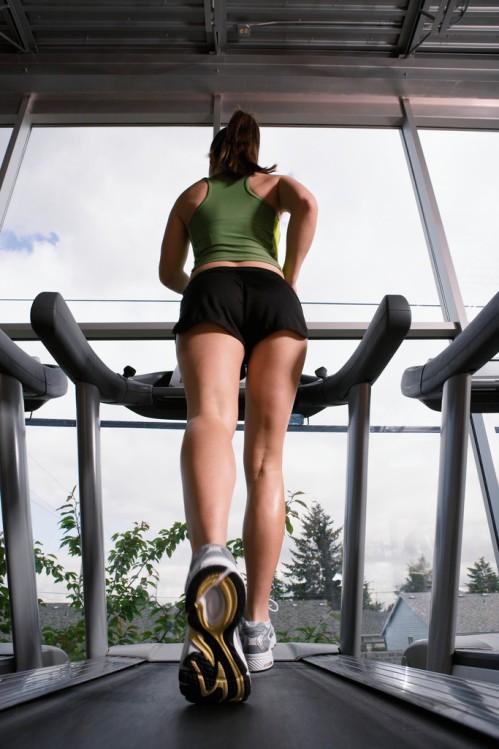
Her response depends on genes, training program, nutrition, discipline, adequate sleep, adequate rest, etc.

This is disillusioning, but you need to know about it. Here’s an excerpt from an interview with author David Epstein in Outside online. Epstein wrote The Sports Gene: Inside the Science Of Extraordinary Athletic Performance:

Interviewer: That’s one of the most fascinating and unexpected parts of the book, where you discuss the Heritage study’s findings on trainability. Explain its implications.

Epstein: That’s the most famous exercise-genetics study ever done. It’s the collaboration of five colleges in the U.S. and Canada. They took sedentary, two-generation families, which didn’t have a training history, and put them through stationary-bike exercise plans that were totally controlled. Families had to go into the lab and exercise over five months. The goal was to see how people would improve, and they were split into four different university centers to do the training and every center saw the exact same pattern. About 15% of people improved their aerobic capacity very little or not at all. And 15% improved 50% or more doing identical training. Families tended to stick together in the improvement curve, so about half of any person’s improvement was determined by their parents. I remember the editorial that ran in the journal of applied physiology “some people’s alphabet soup—meaning their DNA—didn’t spell ‘runner.’” One person training the exact same as another person can have completely different outcomes.

Many folks don’t like to admit this, assuming it’s true. “Set your mind to it, work hard—10,000 hours—and you can do or be anything you want.” Have you ever been tortured by unrealistic expectations? The truth will set you free.

Read the rest.

Steve Parker, M.D.

Comments Off on Your Response to Physical Training Depends on Your Genes

Filed under Exercise

Can You Manage Your Type 2 Diabetes Without Drugs?

David Mendosa says you can. I’m not quite that optimistic, but probably a majority can, if they have the knowledge, discipline, and willpower. Here are some snippets from David’s blog:

You can use drugs to bring your A1C level down to normal. That’s a good thing. But this strategy does have its costs, and those costs aren’t just money out of your pocket or your checkbook. The worst of those costs are the potential side effects of the drugs.

***

But some of us think we have a safer strategy of managing our diabetes without drugs. Back in 2007 I joined this group with the encouragement of a good friend of mine who is a Certified Diabetes Educator. Before that, I had 14 years of experience taking a wide range of diabetes drugs, including two different sulfonylureas (Diaßeta and Amyrl), Glucophage (metformin), and Byetta. For the past six years I haven’t taking any diabetes drugs, and yet I keep my diabetes in control with an A1C level usually about 5.4.

I had to make three big changes in my life when I went off the diabetes drugs, and they are hard at first. But now they are a routine part of my life, and I would never go back to my old ways. The changes that I had to make are those that almost everyone who has diabetes has to make. In order of importance, I had (1) to lose weight, (2) eat fewer carbohydrates, and (3) exercise more.

Read the whole enchilada. It’s brief.

Steve Parker, M.D.


4 Comments

Filed under Exercise, Fat in Diet

Should Diabetics Exercise?


Women, don't worry about getting too bulky with muscles: you don't have enough testosterone for that

Women, don’t worry that weight training will get you too bulky with muscles: you don’t have enough testosterone for that

Read on for the potential benefits of exercise, then decide for yourself.

GENERAL EXERCISE BENEFITS

Regular physical activity postpones death, mostly by its effect on cancer, strokes, and heart attacks.

Exercise is a fountain of youth. Peak aerobic power (or fitness) naturally diminishes by 50 percent between young adulthood and age 65. Regular exercise increases fitness (aerobic power) by 15–20 percent in middle-aged and older men and women, the equivalent of a 10–20 year reduction in biological age.

Additional benefits of exercise include: 1) enhanced immune function, 2) stronger bones, 3) preservation and improvement of flexibility, 4) lower blood pressure by 8–10 points, 5) diminished premenstrual bloating, breast tenderness, and mood changes, 6) reduced incidence of dementia, 7) less trouble with constipation, 7) better ability to handle stress, 8) less trouble with insomnia, 9) improved self-esteem, 10) enhanced sense of well-being, with less anxiety and depression, 11) higher perceived level of energy, and 12) prevention of weight regain.

EFFECT ON DIABETES

Eighty-five percent of type 2 diabetics are overweight or obese. It’s not just a random association. Obesity contributes heavily to most cases of type 2 diabetes, particularly in those predisposed by heredity. Insulin is the key that allows bloodstream sugar (glucose) into cells for utilization as energy, thus keeping blood sugar from reaching dangerously high levels. Overweight bodies produce plenty of insulin, often more than average. The problem in overweight diabetics is that the cells are no longer sensitive to insulin’s effect. Weight loss and exercise independently return insulin sensitivity towards normal. Many diabetics can improve their condition through sensible exercise and weight management.

Muscles doing prolonged exercise soak up sugar from the blood stream to use as an energy source, a process occurring independent of insulin’s effect. On the other hand, be aware that blood sugar may rise early in the course of an exercise session.

EXERCISE RECOMMENDATIONS

You don’t have to run marathons (26.2 miles) or compete in the Ironman Triathlon to earn the health benefits of exercise. However, if health promotion and disease prevention are your goals, plan on a lifetime commitment to regular physical activity.

Kayaking combines exercise and recreation

Kayaking combines exercise and recreation

For the general public, the U.S. Centers for Disease Control and Prevention recommends:

  • at least 150 minutes per week of moderate-intensity aerobic activity (e.g., brisk walking) and muscle-strengthening activity at least twice a week, OR
  • 75 minutes per week of vigorous-intensity aerobic activity (e.g., running or jogging) plus muscle-strengthening activity at least twice a week. The muscle-strengthening activity should work all the major muscle groups: legs, hips, back, abdomen, chest, shoulders, arms.

I’m working on a program of combined aerobic (high intensity interval training) and strength training for just 70 minutes a week, but it’s not yet ready for prime time.

STRENGTH TRAINING

What’s “strength training”? It’s also called muscle-strengthening activity, resistance training, weight training, and resistance exercise. Examples include lifting weights, work with resistance bands, digging, shoveling, yoga, push-ups, chin-ups, and other exercises that use your body weight or other loads for resistance.

Strength training just twice a week increases your strength and endurance, allows you to sculpt your body to an extent, and counteracts the loss of lean body mass (muscle) so often seen during efforts to lose excess weight. It also helps maintain your functional abilities as you age. For example, it’s a major chore for many 80-year-olds to climb a flight of stairs, carry in a bag of groceries from the car, or vacuum a house. Strength training helps maintain these abilities that youngsters take for granted.

According to the U.S. Centers for Disease Control and Prevention: “To gain health benefits, muscle-strengthening activities need to be done to the point where it’s hard for you to do another repetition without help. A repetition is one complete movement of an activity, like lifting a weight or doing a sit-up. Try to do 8–12 repetitions per activity that count as 1 set. Try to do at least 1 set of muscle-strengthening activities, but to gain even more benefits, do 2 or 3 sets.”

Look into "body weight training" if weight machines and dumbbells don't appeal to you

Look into “body weight training” if weight machines and dumbbells don’t appeal to you

If this is starting to sound like Greek to you, consider instruction by a personal trainer at a local gym or health club. That’s a good investment for anyone unfamiliar with strength training, in view of its great benefits and the potential harm or waste of time from doing it wrong. Alternatives to a personal trainer would be help from an experienced friend or instructional DVD. If you’re determined to go it alone, Internet resources may help, but be careful. Consider “Growing Stronger: Strength Training for Older Adults” (ignore “older” if it doesn’t apply).

Current strength training techniques are much different than what you remember from high school 30 years ago—modern methods are better. Some of the latest research suggests that strength training may be even more beneficial than aerobic exercise.

AEROBIC ACTIVITY

“Aerobic activity” is just about anything that mostly makes you huff and puff. In other words, get short of breath to some degree. Examples are brisk walking, swimming, golf (pulling a cart or carrying clubs), lawn work, painting, home repair, racket sports and table tennis, house cleaning, leisurely canoeing, jogging, bicycling, jumping rope, and skiing. The possibilities are endless. A leisurely stroll in the shopping mall doesn’t qualify, unless that makes you short of breath. Don’t laugh: that is a workout for many who are obese.

But which aerobic physical activity is best? Glad you asked!

Ideally, it’s an activity that’s pleasant for you. If not outright fun, it should be often enjoyable and always tolerable. Unless you agree with Ken Hutchins that exercise isn’t necessarily fun.

Your exercise of choice should also be available year-round, affordable, safe, and utilize large muscle groups. The greater mass and number of muscles used, the more calories you will burn, which is important if you’re trying to lose weight or prevent gain or regain. (Exercise isn’t a great route to weight loss in the real world, although it helps on TV’s Biggest Loser show.) Compare tennis playing with sitting in a chair squeezing a tennis ball repetitively. The tennis player burns calories much faster. Your largest muscles are in your legs, so consider walking, biking, many team sports, ski machines, jogging, treadmill, swimming, water aerobics, stationary cycling, stair-steppers, tennis, volleyball, roller-skating, rowing, jumping rope, and yard work.

You dog needs brisk walking, too

You dog needs brisk walking, too

Walking is “just what the doctor ordered” for many people. It’s readily available, affordable, usually safe, and requires little instruction. If it’s too hot, too cold, or rainy outside, you can do it in a mall, gymnasium, or health club.

MEDICAL CLEARANCE  

Check this link.

SUMMARY

All I’m asking you to do is aerobic activity, such as walk briskly (3–4 mph or 4.8–6.4 km/h) for 30 minutes most days of the week, and do some muscle-strengthening exercises two or three times a week. These recommendations are also consistent with the American Diabetes Association’s Standards of Care–2013. This amount of exercise will get you most of the documented health benefits.

Steve Parker, M.D.

3 Comments

Filed under Exercise

Canadian Study Finds Abdominal Obesity Health Markers Much Improved With Mediterranean Diet and High-Intensity Interval Training

…according to the Heart and Stroke Foundation. Some quotes:

The study found an average reduction in waist circumference of eight centimeters, a reduction in systolic blood pressure of 6 mm Hg and an aerobic fitness improvement of 15 per cent over the first nine months of the study.

Improvements in waist circumference, blood pressure and fitness can lead to numerous other health benefits including a reduced risk of developing high blood pressure, as well as improving osteoarthritis symptoms, quality of life, physical functioning, and cognition.

The high-intensity interval training was done two or three times a week over 20-30 minutes each session. Click for an example of HIIT on a stationary bike. More basic info on HIIT.

The classic Mediterranean diet has too many carbohydrates for many diabetics, although it’s better for them than the Standard American Diet. That’s why I devised the Low-Carb Mediterranean Diet.

Steve Parker, M.D.

Steve Parker MD, low-carb diet, diabetic diet

Olives, olive oil, and vinegar: classic Mediterranean foods

2 Comments

Filed under Exercise, Health Benefits, Mediterranean Diet, Overweight and Obesity

One More Reason to Exercise: Slow the Rate of Age-Related Memory Loss and Alzheimer’s Disease

…according to an article at MedPageToday. The 300+study participants were at high risk of Alzheimer’s dementia due to family history. The protective dose of exercise was at least 7.7 MET per hour/week. Please comment if you can translate that into something practical! Click for the definition of MET at About.com.

Old-school preparation for exercise; stretching actually doesn't do any good for the average person

Old-school preparation for exercise; stretching actually doesn’t do any good for the average person

1 Comment

Filed under Dementia, Exercise

Exercise Issues for the PWD (Person With Diabetes)

People with diabetes may have specific issues that need to be taken into account when exercising.

DIABETIC RETINOPATHY

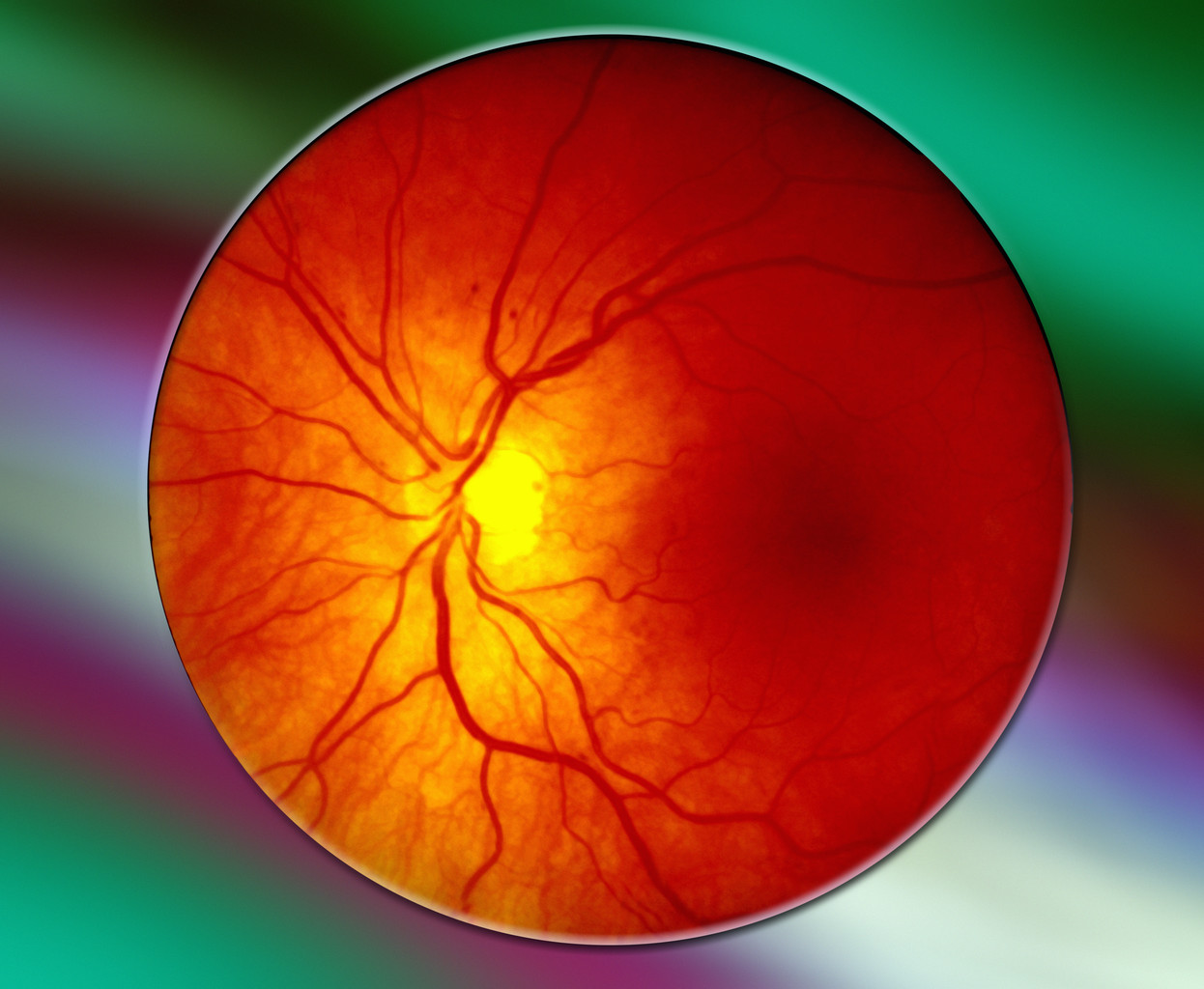
Photo of the retina at the back of the eyeball

Photo of the retina at the back of the eyeball

Retinopathy, an eye disease caused by diabetes, increases risk of retinal detachment and bleeding into the eyeball called vitreous hemorrhage. These can cause blindness. Vigorous aerobic or resistance training may increase the odds of these serious eye complications. Patients with retinopathy may not be able to safely participate. If you have any degree of retinopathy, avoid the straining and breath-holding that is so often done during weightlifting or other forms of resistance exercise. Vigorous aerobic exercise may also pose a risk. By all means, check with your ophthalmologist first. You don’t want to experiment with your eyes.

DIABETIC FEET AND PERIPHERAL NEUROPATHY

Diabetics are prone to foot ulcers, infections, and ingrown toenails, especially if peripheral neuropathy (numbness or loss of sensation) is present. Proper foot care, including frequent inspection, is more important than usual if a diabetic exercises with her feet. Daily inspection should include the soles and in-between the toes, looking for blisters, redness, calluses, cracks, scrapes, or breaks in the skin. See your physician or podiatrist for any abnormalities. Proper footwear is important (for example, don’t crowd your toes). Dry feet should be treated with a moisturizer regularly. In cases of severe peripheral neuropathy, non-weight-bearing exercise (e.g., swimming or cycling) may be preferable. Discuss with your physician or podiatrist.

HYPOGLYCEMIA

Low blood sugars are a risk during exercise if you take diabetic medications in the following classes: insulins, sulfonylureas, meglitinides, and possibly thiazolidinediones and bromocriptine.

Are you sure your symptoms are from hypoglycemia?

Are you sure your symptoms are from hypoglycemia?

Hypoglycemia is very uncommon with thiazolidinediones. Bromocriptine is so new (for diabetes) that we have little experience with it; hypoglycemia is probably rare or non-existent. Diabetics treated with diet alone or other medications rarely have trouble with hypoglycemia during exercise.

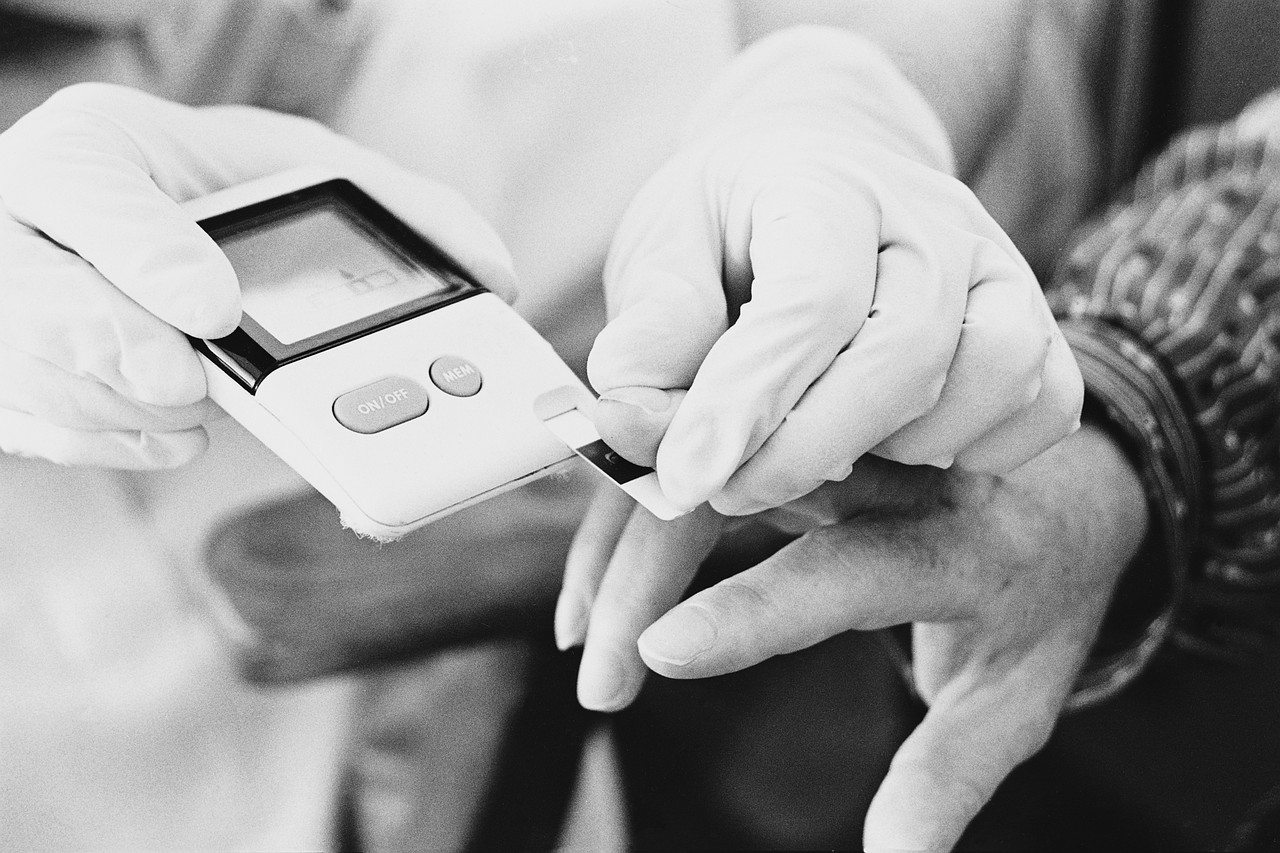
Always check your blood sugar before an exercise session if you are at risk for hypoglycemia. Always have glucose tablets, such as Dextrotabs, available if you are at risk for hypoglycemia. Hold off on your exercise if your blood sugar is over 200 mg/dl (11.1 mmol/l) and you don’t feel well, because exercise has the potential to raise blood sugar even further early in the course of an exercise session.

As an exercise session continues, active muscles may soak up bloodstream glucose as an energy source, leaving less circulating glucose available for other tissues such as your brain. Vigorous exercise can reduce blood sugar levels below 60 mg/dl (3.33 mmol/l), although it’s rarely a problem in non-diabetics.

The degree of glucose removal from the bloodstream by exercising muscles depends on how much muscle is working, and how hard. Vigorous exercise by several large muscles will remove more glucose. Compare a long rowing race to a slow stroll around in the neighborhood. The rower is strenuously using large muscles in the legs, arms, and back. The rower will pull much more glucose out of circulation. Of course, other metabolic processes are working to put more glucose into circulation as exercising muscles remove it. Carbohydrate consumption and diabetic medications are going to affect this balance one way or the other.

If you are at risk for hypoglycemia, check your blood sugar before your exercise session. If under 90 mg/dl (5.0 mmol/l), eat a meal or chew some glucose tablets to prevent exercise-induced hypoglycemia. Re-test your blood sugar 30–60 minutes later, before you exercise, to be sure it’s over 90 mg/dl (5.0 mmol/l). The peak effect of the glucose tablets will be 30–60 minutes later. If the exercise session is long or strenuous, you may need to chew glucose tablets every 15–30 minutes. If you don’t have glucose tablets, keep a carbohydrate source with you or nearby in case you develop hypoglycemia during exercise.

Re-check your blood sugar 30–60 minutes after exercise since it may tend to go too low.

For myself, I prefer high intensity interval training (HIIT) over long slow cardio (aerobics)

For myself, I prefer high intensity interval training (HIIT) over long slow cardio (aerobics)

If you are at risk of hypoglycemia and performing moderately vigorous or strenuous exercise, you may need to check your blood sugar every 15–30 minutes during exercise sessions until you have established a predictable pattern. Reduce the frequency once you’re convinced that hypoglycemia won’t occur. Return to frequent blood sugar checks when your diet or exercise routine changes.

These general guidelines don’t apply across the board to each and every diabetic. Our metabolisms are all different. The best way to see what effect diet and exercise will have on your glucose levels is to monitor them with your home glucose measuring device, especially if you are new to exercise or you work out vigorously. You can pause during your exercise routine and check a glucose level, particularly if you don’t feel well. Carbohydrate or calorie restriction combined with a moderately strenuous or vigorous exercise program may necessitate a 50 percent or more reduction in your insulin, sulfonylurea, or meglitinide. Or the dosage may need to be reduced only on days of heavy workouts. Again, enlist the help of your personal physician, dietitian, diabetes nurse educator, and home glucose monitor.

Finally, insulin users should be aware that insulin injected over muscles that are about to be exercised may get faster absorption into the bloodstream. Blood sugar may then fall rapidly and too low. For example, injecting into the thigh and then going for a run may cause a more pronounced insulin effect compared to injection into the abdomen or arm.

AUTONOMIC NEUROPATHY

His heart's on fire!

His heart’s on fire! (My son made this)

This issue is pretty technical and pertains to function of automatic, unconscious body functions controlled by nerves. These reflexes can be abnormal, particularly in someone who’s had diabetes for many years, and are called autonomic neuropathy. Take your heart rate, for example. It’s there all the time, you don’t have to think about it. If you run to catch a bus or climb two flights of stairs, your heart rate increases automatically to supply more blood to exercising muscles. If that automatic reflex doesn’t work properly, exercise is more dangerous, possibly leading to passing out, dizziness, and poor exercise tolerance. Other automatic nerve systems control our body temperature regulation (exercise may overheat you), stomach emptying (your blood sugar may go too low), and blood pressure (it could drop too low). Only your doctor can tell for sure if you have autonomic neuropathy.

GETTING STARTED

I’ve run out of time today. For ideas, scan some of the articles under the Exercise category in the far right panel. FYI, here’s what I’m doing, but it’s not a good place for rank beginners to start. If you want to being resistance training, strongly consider some sessions with a personal trainer.

Steve Parker, M.D.

1 Comment

Filed under Exercise

Does Parker Practice What He Preaches?

I don’t post many pictures of myself here. It’s appropriate for you to wonder what a “diet doctor” looks like. I tell anyone interested about the benefits of weight management and exercise, and how to do it. At a shade under 6 feet tall (183 cm), I weigh 170 lb (77.3 kg). Last May, I hiked seven miles to Phantom Ranch at the bottom of the Grand Canyon; we hiked the 10 miles back up and out a few days later on a different trail. The canyon is about a mile deep.

Steve Parker, M.D.

Steve Parker MD

Steve Parker and son Paul hiking on the Mogollon Rim of Arizona near Horton’s Creek and Spring

4 Comments

Filed under Exercise

Consider Reducing Insulin Before AND After Exercise If You Have Type 1 Diabetes

Steve Parker, M.D., Conquer Diabetes and Prediabetes

She most likely has type 1 rather than type 2 diabetes

…to avoid hypoglycemia, according to an article at DiabetesHealth. A snippet:

Previous research had suggested that reducing insulin intake before exercise was enough to prevent hypoglycemia.

“It’s been well known that people with type 1 diabetes need to heavily reduce their insulin before exercise, but now we’ve showed that it’s important to reduce it after exercise,” says lead author Daniel J. West, PhD, from North Umbria University in the United Kingdom, in an article that appeared on the Medscape Medical News website.

The article looks at the experience of only 11 exerciser, all men, so it may not be widely applicable.

Steve Parker, M.D.

Comments Off on Consider Reducing Insulin Before AND After Exercise If You Have Type 1 Diabetes

Filed under Exercise

Book Review: The Heart Healthy Lifestyle – The Prevention and Treatment of Type 2 Diabetes

I just finished an ebook, The Heart Healthy Lifestyle: The Prevention and Treatment of Type 2 Diabetes by Sean Preuss, published in 2013. Per Amazon.com’s rating system, I give it five stars (I love it).

♦   ♦   ♦

This is an invaluable resource for 1) anyone recently diagnosed with type 2 diabetes or prediabetes, 2) those who aren’t responding well to their current therapeutic regimen, and 3) type 2 diabetics who want to reduce their drug use.

Strength Training Helps Get Excess Blood Sugar Out of Circulation

Strength Training Helps Get Excess Blood Sugar Out of Circulation

Mr. Preuss is a fitness trainer who has worked with many type 2 diabetics. He demonstrates great familiarity with the issues diabetics face on a daily basis. His science-based recommendations are familiar to me since I reviewed many of his references at my blog, Diabetic Mediterranean Diet.

Like me, Mr. Preuss recognizes the primacy of lifestyle modification over drug therapy for type 2 diabetes, as long as drugs can safely be avoided or postponed. The main lifestyle factors are diet and exercise. Too many physicians don’t spend enough time on these, preferring instead to whip out the prescription pad and say, “Here ya go. I’ll see you in three months.”

I have gradually come to realize that most of my sedentary type 2 diabetes patients need to start a work-out program in a gym where they can get some personal attention. That’s Mr. Preuss’s opinion, too. The clearly explained strength training program he recommends utilizes machines most commonly found in a gym, although some home gyms will have them also. His regimen is easily done in 15-20 minute sessions two or three times a week.

He also recommends aerobic activity, such as walking at least several days a week. He recommends a minimum of 113 minutes a week of low intensity aerobic work, citing evidence that it’s more effective than higher intensity effort for improving insulin sensitivity.

I don’t recall specific mention of High Intensity Interval Training. HIIT holds great promise for delivering the benefits of aerobic exercise in only a quarter of the time devoted to lower intensity aerobics. It may be that it just hasn’t been studied in type 2 diabetics yet.

I was glad to see all of Mr. Preuss’s scientific references involved humans, particularly those with type 2 diabetes. No mouse studies here!

Another strength of the book is that Sean tells you how to use psychological tricks to make the necessary lifestyle changes.

The author notes that vinegar can help control blood sugars. He suggests, if you can tolerate it, drinking straight (undiluted) red wine vinegar or apple cider vinegar – 2 tbsp at bedtime or before carbohydrate consumption. I’ve heard rumors that this could be harmful to teeth, so I’d do some research or ask my dentist before drinking straight vinegar regularly. For all I know, it could be perfectly harmless. If you have a definitive answer, please share in the comments section below.

I read a pertinent vinegar study out of the University of Arizona from 2010 and reviewed it at one of my blogs. The most effective dose of vinegar was 10 g (about two teaspoons or 10 ml) of 5% acetic acid vinegar (either Heinz apple cider vinegar or Star Fine Foods raspberry vinegar).  This equates to two tablespoons of vinaigrette dressing (two parts oil/1 part vinegar) as might be used on a salad.  The study authors also say that “…two teaspoons of vinegar could be consumed palatably in hot tea with lemon at mealtime.”

The diet advice herein focuses on replacement of a portion of carbohydrates with proteins, healthy oils, and vegetables.

I highly recommend this book. And sign up for Mr. Preuss’s related tweets at @HeartHealthyTw.

Steve Parker, M.D.

Disclosure: Mr. Preuss gave me a free copy of the book, otherwise I have received no monetary compensation for this review.

2 Comments

Filed under Book Reviews, Exercise, Prediabetes, Prevention of T2 Diabetes