
Tighter Blood Pressure Control Benefits Type 2 Diabetes

Not bad

From Diabetes Self-Management:

The new study evaluated roughly 11,000 people with type 2 diabetes in 20 countries over four years, finding that those who received the blood pressure drugs perindopril and indapamide to keep their blood pressure levels at or below 130/80 had fewer heart attacks, strokes and other complications than those receiving placebo (inactive treatment). They also had a “lower overall risk of dying from any cause.”

Source: Tight Blood Pressure Control Benefits Type 2 Diabetes: Study – Diabetes Self-Management

You may think the aforementioned health benefits stem from use of perindopril and/or indapamide. It’s either that or simply the result of BP lowering. I suspect it’s the latter while admitting that not all BP drugs are created equal. As a hospitalist in Scottsdale, AZ, I rarely run across patients taking perindopril, and only occasionally folks on indapamide. Popularity of various drugs varies often depends on which part of the country you’re in. We need to be more scientific than that.

Steve Parker, M.D.

PS: Losing excess weight and exercise are two ways to lower blood pressure without the expense and side effects of drugs.

Click the pic to purchase at Amazon.com

1 Comment

Filed under Heart Disease, Longevity

Low-Calorie Mediterranean Diet Helps With Metabolic Syndrome and T2 Diabetes

“PREDIMED-Plus intensive lifestyle intervention for 12 months was effective in decreasing adiposity and improving cardiovascular risk factors in overweight/obese older adults with metabolic syndrome, as well as in individuals with or at risk for diabetes.”

Source: Effect of a Lifestyle Intervention Program With Energy-Restricted Mediterranean Diet and Exercise on Weight Loss and Cardiovascular Risk Factors: One-Year Results of the PREDIMED-Plus Trial | Diabetes Care

Steve Parker, M.D.

Click the pic to purchase at Amazon.com

1 Comment

Filed under Health Benefits, Mediterranean Diet

Dietary Strategies for Management of Diabetic Gastroparesis

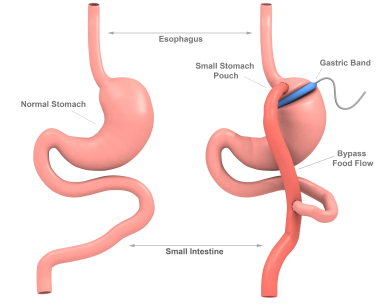
bariatric surgery, Steve Parker MD

The only picture of stomach I have

When you eat a meal, your stomach holds it there for a while then gradually releases contents into the duodenum, the first part of the small intestine. The stomach makes those releases by contraction of muscles in the wall of the stomach. Those muscles are under control of the autonomic nervous system. In some folks with diabetes, the nerves controlling the stomach muscles don’t work very well, so stomach contractions are weak. Food just sits in the stomach for too long, delaying digestion and absorption of nutrients. One result is unpredictable blood sugar levels after meals, no matter how carefully you count carb grams. The medical term for these weak stomach contractions is gastroparesis.

From Diabetes Care:

“How is diabetic gastroparesis best managed?

Consultation by an RDN [registered dietitian, I reckon] knowledgeable in the management of gastroparesis is helpful in setting and maintaining treatment goals. Treatment goals include managing and reducing symptoms; correcting fluid, electrolyte, and nutritional deficiencies and glycemic imbalances; and addressing the precipitating cause(s) with appropriate drug therapy. Correcting hyperglycemia is one strategy for the management of gastroparesis, as acute hyperglycemia delays gastric emptying. Modification of food and beverage intake is the primary management strategy, especially among individuals with mild symptoms.

People with gastroparesis may find it helpful to eat small, frequent meals. Replacing solid food with a greater proportion of liquid calories to meet individualized nutrition requirements may be helpful because consuming solid food in large volumes is associated with longer gastric emptying times. Large meals can also decrease the lower esophageal sphincter pressure, which may cause gastric reflux [heartburn], providing further aggravation.

Results from a randomized controlled trial demonstrated eating plans that emphasize small-particle-size (<2 mm) foods may reduce severity of gastrointestinal symptoms. Small-particle-size food is defined as “food easy to mash with a fork into small particle size.” High-fiber foods, such as whole intact grains and foods with seeds, husks, stringy fibers, and membranes, should be excluded from the eating plan. Many of the foods typically recommended for people with diabetes, such as leafy green salads, raw vegetables, beans, and fresh fruits, and other food like fatty or tough meat, can be some of the most difficult foods for the gastroparetic stomach to grind and empty. Notably, the majority of nutrition therapy interventions for gastroparesis are based on the knowledge of the pathophysiology and clinical judgment rather than empirical research.”

Source: Nutrition Therapy for Adults With Diabetes or Prediabetes: A Consensus Report | Diabetes Care

Steve Parker, M.D.

Click the pic to purchase at Amazon.com

1 Comment

Filed under Diabetes Complications, Uncategorized

Diabetes Care Consensus Panel Recommends Fish

Cold-water fatty fish loaded with omega-3 fatty acids include salmon, trout, sardines, herring, and mackerel, but not goldfish

“The recommendation for the general public to eat a serving of fish (particularly fatty fish) at least two times per week is also appropriate for people with diabetes.”

Source: Nutrition Therapy for Adults With Diabetes or Prediabetes: A Consensus Report | Diabetes Care

That’s been my recommendation to patients since 2007.

Steve Parker, M.D.

Conquer Diabetes and Prediabetes, Steve Parker MD

Salmon is a rich source of omega-3 fatty acids

Click the pic to purchase at Amazon.com

3 Comments

Filed under Fish

Do Nutritional Supplements Help Control Diabetes?

From Diabetes Care

“The routine use of chromium or vitamin D micronutrient supplements or any herbal supplements, including cinnamon, curcumin, or aloe vera, for improving glycemia in people with diabetes is not supported by evidence and is therefore not recommended.”

Source: Nutrition Therapy for Adults With Diabetes or Prediabetes: A Consensus Report | Diabetes Care

Did Big Pharma pay for this article in Diabetes Care?

Steve Parker, M.D.

PS: The Low-Carb Mediterranean Diet typically reduces or eliminates the need for drugs or supplements to control diabetes.

Click the pic to purchase at Amazon.com

1 Comment

Filed under Drugs for Diabetes, Supplements

From Diabetes Care: What About Sugar Substitutes?

I enjoy an aspartame-flavored Fresca now and then

“The U.S. Food and Drug Administration (FDA) has reviewed several types of sugar substitutes for safety and approved them for consumption by the general public, including people with diabetes (211). In this report, the term sugar substitutes refers to high-intensity sweeteners, artificial sweeteners, nonnutritive sweeteners, and low-calorie sweeteners. These include saccharin, neotame, acesulfame-K, aspartame, sucralose, advantame, stevia, and luo han guo (or monk fruit). Replacing added sugars with sugar substitutes could decrease daily intake of carbohydrates and calories. These dietary changes could beneficially affect glycemic, weight, and cardiometabolic control. However, an American Heart Association science advisory on the consumption of beverages containing sugar substitutes that was supported by the ADA concluded there is not enough evidence to determine whether sugar substitute use definitively leads to long-term reduction in body weight or cardiometabolic risk factors, including glycemia (212). Using sugar substitutes does not make an unhealthy choice healthy; rather, it makes such a choice less unhealthy. If sugar substitutes are used to replace caloric sweeteners, without caloric compensation, they may be useful in reducing caloric and carbohydrate intake (213), although further research is needed to confirm these concepts (214). Multiple mechanisms have been proposed for potential adverse effects of sugar substitutes, e.g., adversely altering feelings of hunger and fullness, substituting for healthier foods, or reducing awareness of calorie intake (215). As people aim to reduce their intake of SSBs, the use of other alternatives, with a focus on water, is encouraged (212).

Sugar alcohols represent a separate category of sweeteners. Like sugar substitutes, sugar alcohols have been approved by the FDA for consumption by the general public and people with diabetes. Whereas sugar alcohols have fewer calories per gram than sugars, they are not as sweet. Therefore, a higher amount is required to match the degree of sweetness of sugars, generally bringing the calorie content to a level similar to that of sugars (216). Use of sugar alcohols needs to be balanced with their potential to cause gastrointestinal effects in sensitive individuals. Currently, there is little research on the potential benefits of sugar alcohols for people with diabetes (217).”

Source: Nutrition Therapy for Adults With Diabetes or Prediabetes: A Consensus Report | Diabetes Care

Click pic to buy book at Amazon.com

1 Comment

Filed under Sugar, Sugar Substitutes

ADA Is Starting to Embrace Low-Carb Eating


Beautiful, huh? Radishes are a non-starchy vegetable.

From Diabetes Care

Consensus recommendations:

A variety of eating patterns (combinations of different foods or food groups) are acceptable for the management of diabetes.

Until the evidence surrounding comparative benefits of different eating patterns in specific individuals strengthens, health care providers should focus on the key factors that are common among the patterns:

○ Emphasize nonstarchy vegetables.

○ Minimize added sugars and refined grains.

○ Choose whole foods over highly processed foods to the extent possible.

Reducing overall carbohydrate intake for individuals with diabetes has demonstrated the most evidence for improving glycemia and may be applied in a variety of eating patterns that meet individual needs and preferences.

For select adults with type 2 diabetes not meeting glycemic targets or where reducing antiglycemic medications is a priority, reducing overall carbohydrate intake with low- or very low-carbohydrate eating plans is a viable approach.

Source: Nutrition Therapy for Adults With Diabetes or Prediabetes: A Consensus Report | Diabetes Care

Click pic to buy book at Amazon.com

1 Comment

Filed under Carbohydrate

Do Diabetics Need as Many Carbs as Other Folks?

From Diabetes Care:

Do carbohydrate needs differ for people with diabetes compared with the general population?

Carbohydrate is a readily used source of energy and the primary dietary influence on postprandial blood glucose. Foods containing carbohydrate—with various proportions of sugars, starches, and fiber—have a wide range of effects on the glycemic response. Some result in an extended rise and slow fall of blood glucose concentrations, while others result in a rapid rise followed by a rapid fall. The quality of carbohydrate foods selected—ideally rich in dietary fiber, vitamins, and minerals and low in added sugars, fats, and sodium— should be addressed as part of an individualized eating plan that includes all components necessary for optimal nutrition.The amount of carbohydrate intake required for optimal health in humans is unknown. Although the recommended dietary allowance for carbohydrate for adults without diabetes (19 years and older) is 130 g/day and is determined in part by the brain’s requirement for glucose, this energy requirement can be fulfilled by the body’s metabolic processes, which include glycogenolysis, gluconeogenesis (via metabolism of the glycerol component of fat or gluconeogenic amino acids in protein), and/or ketogenesis in the setting of very low dietary carbohydrate intake.

Source: Nutrition Therapy for Adults With Diabetes or Prediabetes: A Consensus Report | Diabetes Care

low-carb mediterranean diet

Click the pic to purchase at Amazon.com

8 Comments

Filed under Carbohydrate

Does the Keto Diet Prevent or Treat Alzheimer’s Dementia?

Sunny’s Super Salad

Maybe…we don’t know yet.

Have you noticed references to “keto diet” like there’s only one ketogenic diet? There are many ketogenic diets and some of them are dangerous. When choosing one, at least look for one designed by a registered dietitian or physician.

From a recent scientific article:

Highlights

•Impaired brain glucose metabolism and amyloid β plaques are associated with Alzheimer’s disease pathology.

•Ketones provide an alternative metabolic precursor to glucose in the brain.

•Ketogenic diets likely reduce amyloid plaques and may reverse their neurotoxicity.

•Modern diets high in carbohydrates may contribute to increasing Alzheimer’s incidence.

•The ketogenic diet (including carbohydrate restriction) might be useful in the management of Alzheimer’s disease.

Source: The ketogenic diet as a potential treatment and prevention strategy for Alzheimer’s disease – ScienceDirect

Steve Parker, M.D.

PS: If you have Conquer Diabetes and Prediabete,  you already have the Ketogenic Mediterranean Diet

Click pic to purchase at Amazon.com

1 Comment

Filed under Dementia, ketogenic diet

How to Treat Hypertension Without Drugs

Lot’s of good ideas in this video. Additionally, I’ve see a couple studies supporting hibiscus tea as a natural remedy.

Dr Berry says only one in a million persons has blood pressure that is sensitive to dietary salt. That is, high salt intake increases blood pressure. On the other had, I’d say one in four of the hypertensive population is salt-sensitive.

Steve Parker, M.D.

low-carb mediterranean diet

Click the pic to purchase at Amazon.com

1 Comment

Filed under Heart Disease