Mediterranean Month: Health Benefits of the Mediterranean Diet

Oldways, the preeminent promoter of the Mediterranean diet,  proclaims May to be “Mediterranean Month.”  The idea is to spread awareness of the traditional Mediterranean diet. 

In addition to “it just plain tastes good,” I’m a Mediterranean diet advocate because of the potential health benefits.

Relatively strong evidence supports the Mediterranean diet’s association with:

  • increased lifespan
  • lower rates of cardiovascular disease such as heart attacks and strokes
  • lower rates of cancer (prostate, breast, uterus, colon)
  • lower rates of dementia
  • lower incidence of type 2 diabetes

Weaker supporting evidence points to associations with:

  • slowed progression of dementia
  • lower severity of type 2 diabetes, as judged by diabetic drug usage
  • less risk of developing obesity
  • better blood pressure control in the elderly
  • improved weight loss and weight control in type 2 diabetics
  • less risk of metabolic syndrome
  • improved control of asthma
  • lower rates and severity of chronic obstructive pulmonary disease
  • lower risk of gastric (stomach) cancer
  • less risk of macular degeneration
  • less Parkinsons disease
  • increased chance of pregnancy in women undergoing fertility treatment
  • lower incidence of asthma and allergy-like symptoms in children of women who followed the Mediterranean diet while pregnant

For ideas on moving your diet in a Mediterranean direction, why not visit this page at one of my other websites, or the Oldways site?  You don’t have to go “full Mediterranean” to gain some of the health benefits.  Just taking a couple steps in that direction should help. 

Diabetics concerned about the relatively high carbohydrate content in the Mediterranean diet should consider the Low-Carb Mediterranean Diet

Also check out Oldways blog, The Oldways Table.

Steve Parker, M.D.

Disclaimer:  All matters regarding your health require supervision by a personal physician or other appropriate health professional familiar with your current health status.  Always consult your personal physican before making any dietary or exercise changes.

2 Comments

Filed under Health Benefits, Mediterranean Diet

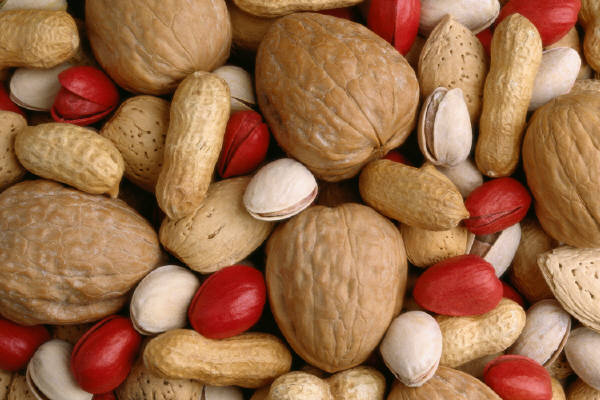
Nuts Are Not Fattening

Dietitian Melanie Thomassian at her Dietriffic blog April 27, 2010, notes that nuts are not fattening, contrary to popular belief.  This is in a guest post by Matthew Denos.  Most of his references refer to almonds, so I’m not sure other nuts would be equally non-fattening. 

We’re talking about one or two ounces (up to 60 grams) a day.  Could someone gain fat weight eating more than that?  Probably, especially if they have a high-carbohydrate eating pattern.  Do I have scientific studies to back me up?  No. 

Nuts are characteristic of the traditional Mediterranean diet, which is one reason I included them in the Ketogenic Mediterranean Diet.  The other reason is that nut consumption is associated with lower heart disease risk.

Steve Parker, M.D.

Comments Off on Nuts Are Not Fattening

Filed under nuts, Overweight and Obesity

Ad-Free Zone

I was reading the Diabetic Mediterranean Diet Blog from a hospital computer last week and was surprised to see three advertisements.  They were the first I’ve seen in the life of this blog.  WordPress.com is set up to display ads only to certain viewers, not including the blog owner on his usual computer.

I have no control over the ads, and I don’t want my information adjacent to potential quackery and other scams.

I just paid the $30 (USD) yearly fee to keep the blog ad-free.

Steve Parker, M.D.

PS:  If you run ads on your blog, that’s OK with me.  I pretty much tune them all out anyway.

Comments Off on Ad-Free Zone

Filed under Uncategorized

Individual Response to Weight-Loss Diet May Depend on Genes

Dieters with particular genetic make-up respond better or worse to specific types of weight-loss diets, suggest researchers who presented data at the 2010 Cardiovascular Disease Epidemiology and Prevention /Nutrition, Physical Activity, and Metabolism conference.  Findings are preliminary, but may explain the common phenomenon of two people going on the same diet, but only one achieving good results. 

I’ll bet you can imagine several other explanations.

Several years ago, the “A to Z” study compared the weight loss of 311 overweight women on one of four diets:  Atkins (low-carb), Ornish (very low fat, vegetarian), Learn (low-fat), and Zone (moderate carb restriction, high protein, moderate fat).  Atkins was a bit better than the other diets, in terms of long-term (one year) weight loss.  But within each diet group, some women lost 40–50 pounds (18–23 kg), whereas others gained over 10 pounds (4.5 kg).

Stanford University researchers obtained DNA from 138 of the 311 women and noted the occurence of three genes—ABP2, ADRB2, and PPAR-gamma—that had previously been shown to predict weight loss via diet-gene interactions.  For example, a particular mix of these genes predict better weight loss with a low-fat diet; a different mix predicts more loss with a low-carb diet.

Women who had been randomly assigned to one of the A to Z diets tended to lose much more weight if they happened to have the gene mix appropriate for that diet (compared to those on the same diet with the wrong gene mix).  The difference, for example, might be loss of 12 pounds versus two pounds.

The lead researcher, Dr. Mindy P. Nelson, told TheHeart.Org that the proportion in the general population genetically predisposed to the low-fat versus low-carb approach is about 50:50.

Take-Home Points

These results, again, are preliminary; additional testing is necessary for confirmation.  If they had been able to test the DNA of the other 178 women in the A to Z study, the results could have been either stronger or shown no diet-gene interaction.  The study hasn’t even been published in a peer-reviewed journal yet.

Men may or may not be subject to similar diet-gene interaction.

If a genetic test is ever clinically available to tell a dieter which type of weight-loss diet would be more successful, it will likely be cheaper to just try a particular diet first and see if it works over 4–6 weeks.  Successful long-term weight loss is like smoking cessation—most smokers try 5–7 different times or methods before hitting on one that works for them.

This potential diet-gene interaction could be a major finding that will stop the arguing about which is the single best way to lose excess fat.  Many paths may lead to the mountaintop. 

Steve Parker, M.D.

Reference:  O’Riordan, Michael.  Dieting by DNA?  Popular diets work best by genotype, reseach shows.  HeartWire by TheHeart.Org, March 8, 2010.

6 Comments

Filed under Carbohydrate, Fat in Diet, ketogenic diet, Vegetarian Diet, Weight Loss

Best Diet for Type 2 Diabetes: And the Winner Is…

“There are no high quality data on the efficacy of the dietary treatment of type 2 diabetes…,” according to a review at The Cochrane Collaboration.

Isn’t that an amazing revelation?  There is no clearly superior diet for type 2 diabetes, according to Cochrane. 

Nearly every published introductory remark on diabetes from various authorities declares that diet modification is a cornerstone of therapy for type 2 diabetes.  I’m not surprised to see the opinion of the Cochrane group; it’s consistent with the literature review I’ve been doing for the last 18 months.

Cochrane last reviewed the evidence for various diabetic diet approaches on April 15, 2010.  They looked at low-fat/high carb diets, high-fat/low-carb diets, low-calorie diets, very-low-calorie diets, and modified fat diets.

One of their conclusions is that the adoption of regular exercise seems to improve hemoglobin A1c in type 2 diabetics as measured at six and 12 months after initiation.

The Cochrane Collaboration has a history of skewering sacred cows in Medicine, based on reviews of the evidence.  A quote from Cochrane’s “About Us” page:

The Cochrane Collaboration is named after Archie Cochrane (1909-1988), a British epidemiologist, who advocated the use of randomised controlled trials as a means of reliably informing healthcare practice. We are an independent, not-for-profit organisation, funded by a variety of sources including governments, universities, hospital trusts, charities and personal donations. However, we do not accept commercial or conflicted funding – this is vital for us to generate authoritative and reliable information, produced by people who can work freely, unconstrained by commercial and financial interests.

So, what’s a diabetic to eat in 2010?

Stay tuned here, and I’ll share with you the evidence-based answers as they are published in the medical and nutrition literature.

If a diabetic is interested in trying carbohydrate restriction, the Cochrane position statement provides that latitude.  Regular readers here know my inclination: significant carb restrictionBut also note that I’ve considered and reviewed vegetarian diets—which are usually high-carb—for diabetes  

I pledge to stay open-minded, altering my opinions on the basis of high quality scientific evidence as it becomes available. 

Steve Parker, M.D.

Reference:  Dietary advice for treatment of type 2 diabetes in adults.  Cochrane Reviews, accessed online April 26, 2010.

Comments Off on Best Diet for Type 2 Diabetes: And the Winner Is…

Filed under Uncategorized

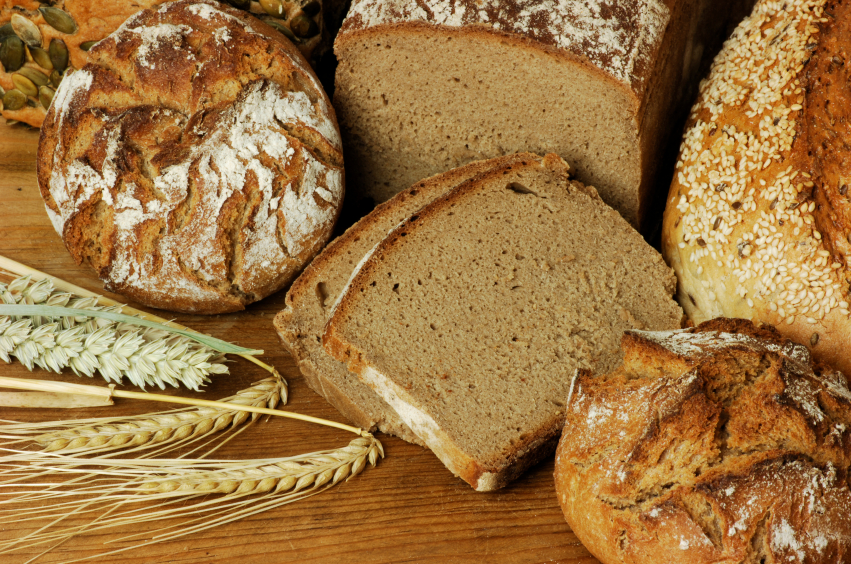
Whole Grains Reduce Heart Attacks and Strokes

Whole grain consumption is associated with a 21% reduction in cardiovascular disease when compared to minimal whole grain intake, according to a 2008 review article in Nutrition, Metabolism, and Cardiovascular Disease.   

Coronary heart disease is the No. 1 killer in the developed world.  Stroke is No. 3.  The term “cardiovascular disease” lumps together heart attacks, strokes, high blood pressure,  and generalized atherosclerosis (hardening of the arteries). 

Investigators at Wake Forest University reviewed seven pertinent studies looking at whole grains and cardiovascular disease.  The studies looked at groups of people, determining their baseline food consumption via questionnaire, and noted disease development over time.  These are called “prospective cohort studies.” 

None of these cohorts was composed purely of diabetics.

The people eating greater amounts of whole grain (average of 2.5 servings a day) had 21% lower risk of cardiovascular disease events compared to those who ate an average of 0.2 servings a day.  Disease events included heart disease, strokes, and fatal cardiovascular disease.  The lower risk was similar in degree whether the focus was on heart disease, stroke, or cardiovascular death.

Note that refined grain consumption was not associated with cardiovascular disease events. 

Why does this matter?

The traditional Mediterranean diet is rich in whole grains, which may help explain why the diet is associated with lower rates of cardiovascular disease.  If we look simply at longevity, however, a recent study found no benefit to the cereal grain component of the Mediterranean diet.  Go figure . . . doesn’t add up. 

Readers here know that over the last four months I’ve been reviewing the nutritional science literature that supports the disease-suppression claims for consumption of fruits, vegetables, and legumes.  I’ve been disappointed.  Fruit and vegetable consumption does not lower risk of cancer overall, nor does it prevent heart disease.  I haven’t found any strong evidence that legumes prevent or treat any disease, or have an effect on longevity.  Why all the literature review?  I’ve been deciding which healthy carbohydrates diabetics and prediabetics should add back into their diets after 8–12 weeks of the Ketogenic Mediterranean Diet.

The study at hand is fairly persuasive that whole grain consumption suppresses heart attacks and strokes and cardiovascular death.  [The paleo diet advocates and anti-gluten folks must be disappointed.]  I nominate whole grains as additional healthy carbs, perhaps the healthiest.

But . . .

. . .  for diabetics, there’s a fly in the ointment: the high carbohydrate content of grains often lead to high spikes in blood sugar.  It’s a pity, since diabetics are prone to develop cardiovascular disease and whole grains could counteract that.  We need a prospective cohort study of whole grain consumption in diabetics.  It’ll be done eventually, but I’m not holding my breath.

[Update June 12, 2010: The aforementioned study has been done in white women with type 2 diabetes.  Whole grain and bran consumption do seem to protect them against overall death and cardiovascular death.  The effect is not strong.]

What’s a guy or gal to do with this information now?

Non-diabetics:  Aim to incorporate two or three servings of whole grain daily into your diet if you want to lower your risk of heart disease and stroke. 

Diabetics:  Several options come to mind:

  1. Eat whatever you want and forget about it [not recommended].
  2. Does coronary heart disease runs in your family?  If so, try to incorporate one or two servings of whole grains daily, noting and addressing effects on your blood sugar one and two hours after consumption.  Eating whole grains alone will generally spike blood sugars higher than if you eat them with fats and protein.  Review acceptable blood sugar levels here.
  3. Regardless of family history, try to eat one or two servings of whole grains a day, noting and addressing effects on your blood sugar.  Then decide if it’s worth it.  Do you have to increase your diabetic drug dosages or add a new drug?  Are you tolerating the drugs?  Can you afford them?    
  4. Assess all your risk factors for developing heart disease: smoking, sedentary lifestyle, high blood pressure, age, high LDL cholesterol, family history, etc.  If you have multiple risk factors, see Option #3.  And modify the risk factors under your control.   
  5. Get your personal physician’s advice.    

Steve Parker, M.D.

Extra Credit:  The study authors suggest a number of reasons—and cite pertinent scientific references—how whole grains might reduce heart disease:

  • improved glucose homeostasis (protection against insulin resistance, less rise in blood sugar after ingestion [compared to refined grains], improved insulin sensitivity or beta-cell function)
  • advantageous blood lipid effects (soluble fiber from whole grains [especially oats] reduces LDL cholesterol, lower amounts of the small LDL particles thought to be particularly damaging to arteries, tendency to raise HDL cholesterol and trigylcerides [seen with insulin resistance in the metabolic syndrome])
  • improved function of the endothelial cells lining the arteries (improved vascular reactivity)

Disclaimer:  All matters regarding your health require supervision by a personal physician or other appropriate health professional familiar with your current health status.  Always consult your personal physician before making any dietary or exercise changes.

Reference: Mellen, P.B, Walsh, T.F., and Herrington, D.M.  Whole grain intake and cardiovascular disease: a meta-analysisNutrition, Metabolism and Cardiovascular Disease, 18 (2008): 283-290.

14 Comments

Filed under Carbohydrate, coronary heart disease, Diabetes Complications, Grains, ketogenic diet, legumes, Mediterranean Diet, Stroke

Red Wine Improves Circulation

Red wine’s beneficial health effects may be related to improved circulation, according to a recent study by Israeli researchers.

Red wine is a time-honored component of the healthy Mediterranean diet.  Consumption is associated with longer lifespan and less cardiovascular disease such as heart attacks. 

Israeli investigators had 14 young healthy volunteers drink 250 cc of red wine daily for 21 days, while monitoring markers of circulatory function.  Endothelial progenitor cells may be particularly important in maintenance, repair, and formation of the arterial circulatory system.

Here’s their conclusion:

The results of the present study indicate that red wine exerts its effect through the up-regulation of CXCR4 expression and activation of the SDF1/CXCR4/Pi3K/Akt/eNOS signaling pathway, which results in increased [endothelial progenitor cell] migration and proliferation and decreased extent of apoptosis. Our findings suggest that these effects could be linked to the mechanism of cardiovascular protection that is associated with the regular consumption of red wine.

I’m not going to tell you I understand all that.  Don’t feel bad if you don’t, either.  My point is to illustrate one way that Science makes progress.  An observant person notices, “Hey, people who drink judicious amounts of red wine seem to live longer and have fewer heart attacks.  I wonder how that works.”  Perhaps a plausible mechanism is identified.  That might lead to isolation of a specific component in red wine that yields the benefit.  Then that component is produced and disseminated, leading to the health benefits, without the risks of alcohol consumption.

It’s an expensive, time-consuming enterprise with many blind alleys.

Steve Parker, M.D.

Reference:  Hamed, Saher, et al.  Red wine consumption improves the in vitro migration of endothelial progenitor cells in young, healthy individuals.  American Journal of Clinical Nutrition, April 14, 2010.    doi:10.3945/ajcn.2009.28408

1 Comment

Filed under Alcohol, coronary heart disease, Health Benefits, Mediterranean Diet

More Chocolate, Less Strokes

Chocolate seems to protect against stroke, according to Canadian researchers as reported by TheHeart.Org

Investigators reviewed the best available studies and found:

  1. 22% lower risk of stroke in those who ate about one serving of chocolate per week, and
  2. 46% reduction in death from stroke in those who ate 50 g of chocolate per week

[These figures are comparisons to those who never ate chocolate.]  At least one study found no association between chocolate consumption and stroke and death rates.

Researchers cite the flavonoids and procyanidins in chocolate as the potentially healthy components, along with other antioxidants.  Dark chocolate has much more than milk or white chocolate.  The underlying studies typically do not inquire as to the type of chocolate eaten.

It’s possible that chocolate consumption is simply a marker for healthy or health-conscious people who have other characteristics that would reduce stroke risk, such as keeping blood pressure under control, exercising, and not smoking.

The evidence for chocolate’s health benefits is not super-strong.  People who love chocolate don’t need science to support their habits.  The “healthy dose” of dark chocolate—if there is one—is probably no more than 20 g every three days.  That’s not much.

Interested in dark chocolate and don’t know how to get started?  I reviewed seven brands of dark chocolate at one of my other blogs.

Steve Parker, M.D.

Reference:  Jeffery, Susan.  Chocolate linked to lower stroke and stroke mortality risk.  HeartWire by TheHeart.Org, February 12, 2010.

1 Comment

Filed under Stroke

Longevity Components of the Mediterranean Diet

According to Greek researchers, the components of the Mediterranean diet that contribute to longer lifespan are:

  • moderate alcohol consumption
  • low consumption of meat
  • high consumption of vegetables, fruits, nuts, olive oil, and legumes

The following didn’t seem to contribute much, if any:

  • cereals (the grain of a grass such as wheat, corn, oats)
  • dairy products
  • fish and seafood

Investigators at the University of Athens examined the Greek portion of the European Prospective Investigation into Cancer (EPIC) and Nutrition, which included 23,349 men and women free of diabetes, cancer, and coronary heart disease at the outset.  Food habits were documented by questionnaire. 

The focus of this particular study was death rates over an average follow-up of 8.5 years.  Adherence to the traditional Mediterranean diet ranged from minimal to high, as would be expected. 

As with numerous other studies of the Mediterranean diet, higher adherence to the Mediterranean diet was associated with lower chance of death. 

My Comments

The lack of benefit from fish is unexpected.  I have no explanation.  A preponderance of evidence elsewhere suggests fish consumption helps prolong life via lowered rates of heart disease.

Alcohol can be dangerous, of course.  Some people should not partake, ever.     

For people with diabetes who wish to avoid the carbohydrate load in cereals and dairy products, you don’t need to worry much about cutting those out of an otherwise Mediterranean-style diet.

Steve Parker, M.D. 

Reference:  Trichopoulou, Antonia, et al.  Anatomy of health effects of the Mediterranean diet: Greek EPIC prospective cohort studyBritish Medical Journal, 338 (2009): b2337.  DOI: 10.1136/bmj.b2337.

8 Comments

Filed under Alcohol, Dairy Products, Fish, Fruits, Grains, Health Benefits, legumes, Mediterranean Diet, nuts, olive oil, Vegetables

Fruits and Vegetables DON’T Prevent Heart Disease

Fruit and vegetable consumption does not seem to reduce the risk of heart attacks (coronary heart disease), according to a recent literature review by French epidemiologists.

I recently wrote about a study that found no overall reduced risk of cancer via consumption of fruits and vegetables.

Heart attacks and cancer are the first and second leading causes of death in the developed world.

So just why, again, are we supposed to be eating our fruits and vegetables?

Here’s most of the abstract written by the epidemiologists:

This Review summarizes the evidence for a relationship between fruit and vegetable consumption and the occurrence of coronary heart disease…Most of the evidence supporting a cardioprotective effect comes from observational epidemiological studies; these studies have reported either weak or nonsignificant associations.  Controlled nutritional prevention trials are scarce and the existing data do not show any clear protective effects of fruit and vegetables on coronary heart disease.  Under rigorously controlled experimental conditions, fruit and vegetable consumption is associated with a decrease in blood pressure, which is an important cardiovascular risk factor.  However, the effects of fruit and vegetable consumption on plasma lipid levels, diabetes, and body weight have not yet been thoroughly explored.  Finally, the hypothesis that nutrients in fruit and vegetables have a protective role in reducing the formation of atherosclerotic plaques and preventing complications of atherosclerosis has not been tested in prevention trials.  Evidence that fruit and vegetable consumption reduces the risk of cardiovascular disease remains scarce thus far.

What do they mean by controlled prevention trials?  Here’s an example.  Find 20,000 people with similar characteristics.  Randomly assign half of them to eat significantly more fruits and vegetables, and make sure they do it.  The other half eats their usual way, and make sure they do it.  Analyze the entire group’s health and food consumption after 10 years and see which half has more or less heart disease.   

Such a study is very difficult and costly.  Even if the fruit and veggie group had less heart disease, someone would argue that the heart benefit was gained because of what they cut out of their eating to make way for the fruits and veggies!  “They quit eating Cheetos; that’s why they had fewer heart attacks.”

Bottom Line

Fruits and vegetables don’t prevent heart disease, according to these researchers.

Fruits and vegetables are components of overall healthy diet patterns such as the Mediterranean diet, the DASH diet, and the “prudent diet.”  Is it possible they reduce the risk of stroke, the second leading cause of death?  I’ll leave that for another day.

I’m starting to think if I read enough nutritional literature, I won’t know anything with certainty.

Steve Parker, M.D. 

Dauchet L., Amouyel, P., and Dallongeville, J. (via MedScape).  Fruits, vegetables and coronary heart disease.  Nature Reviews Cardiology, 6 (2009): 599-608.  doi: 1011038/nrcardio.2009.131

11 Comments

Filed under coronary heart disease, Fruits, Vegetables