I recently read Sugar Nation, by Jeff O’Connell, published in 2011. Per Amazon.com’s rating system, I give it five stars (“I love it”).
♦ ♦ ♦
With the U.S. Centers for Disease Control predicting that one of every three citizens born in 2000 will become diabetic, this book is “just what the doctor ordered.” Already, one in three of all adults has prediabetes. The numbers are even scarier if we look at those over 65: HALF have prediabetes, while two in ten have diabetes. I treat diabetes every day; trust me, you don’t want it.
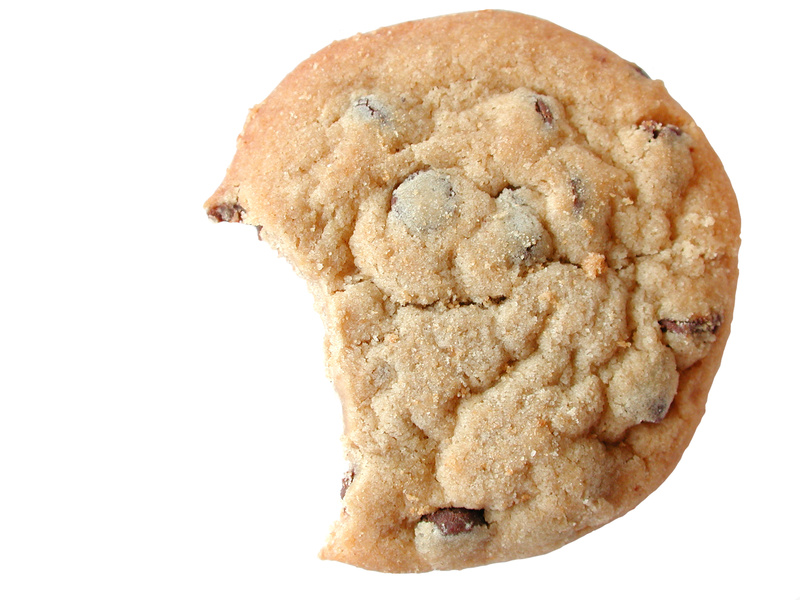 I agree with O’Connell that over-consumption of sugar and refined starches often leads to type 2 diabetes and prediabetes, particularly when combined with obesity, a sedentary lifestlye, and genetic predisposition. (Our bodies easily and quickly convert potatoes and refined starches like white flour and white rice into blood sugar.) Yearly sugar consumption in the U.S. was five pounds per person in the 1800s, but is now up to 160 pounds a year.
O’Connell was motivated to write this because of his personal diagonosis of prediabetes in 2006. Later he was also diagnosed with reactive hypoglycemia. Furthermore, his father died of the ravages of type 2 diabetes. O’Connell’s physician in 2006 didn’t offer much managmement advice, so the author did his own research and shares it with us here. The author’s personal approach has been a fairly intense exercise program and major reduction in consumption of sugar and other carbohydrates, particularly ones that are quickly converted to blood sugar. He eats 80 or less grams of carb daily, compared to the average American’s 275 grams. I agree these management options can be extremely helpful for prediabetes and type 2 diabetes, particularly if applied early in the course of the condition.
O’Connell is critical of most physicians and the American Diabetes Association (ADA) for not knowing about carbohydrate restriction and for inadequately promoting exercise. He accuses the pharmaceutical industry of having too much influence over physicians and the ADA. While admitting that “…taking a pill [is] much easier than reengineering the way you lead your life,” he mostly lets patients off the hook in terms of taking control of diet and physical activity. I can understand that to a degree; physicians should be leading the way. I don’t see that happening soon. Patients need to take charge now; many have already done so. Compared to a five-minute lecture in a doctor’s office, this book will be a much more effective motivator for change.
(Patients taking drugs with the potential to cause hypoglycemia need their doctors’ help adjusting dosages while making these lifestyle changes.)
The author tells us that we in the U.S. spent $12.5 billion on drugs for diabetes in 2007, nearly double the amount spent in 2001. It’s only going to get worse going forward. We have 11 classes of drugs for diabetes now. Surprisingly, we don’t know all of the potential adverse long-term side effects of most of these drugs. Phenformin was pulled from the U.S. market years ago due to fatal lactic acid build-up. Earlier this year, rosiglitazone prescribing was greatly restricted in view of adverse heart effects. If we can effectively address diabetes and prediabetes with diet and exercise, why not? (Clearly, diet and exercise don’t always work, and type 1 diabetics always need insulin.)
For those who won’t or can’t exercise regularly, be aware that carb restriction alone is a powerful approach.
I heard more about reactive hypoglycemia a couple decades ago than I do now. It could be a precursor to type 2 diabetes. I think physicians lost interest in it because too many people were using it as a excuse for odd behavior when they really didn’t have hypogylcemia. This book may spark a resurgence in interest.
O’Connell implies that the high revenues generated by diabetic drug manufacturers may not be justifiable. In fairness, I must point out that the same companies spend hundreds of millions of dollars just to get a drug on the market, and millions more on research for drugs that fail and never see the light of day.
I was glad to see the author mention low-carb beers: Michelob Ultra and MGD 64. I’ve had trouble finding carb counts on many beers.
O’Connell recommends supplements: leucine, cinnamon, protein powder, chromium, alpha lipoic acid, biotin, magnesium. I’ve not done in-depth research on most of those. What I’ve read in the science literature about cinnamon and chromium has not been very positive or definitive.
My favorite sentence: “Along with a low-carb eating plan, a gym memership is the most potent antidote to type 2 diabetes.” Nevertheless, don’t let this turn you off; you can do the essential exercise without a gym membership.
This book was a pleasure to read; professional, well-organized, touching all the right bases in understandable terms. I can well understand how he makes a living as a journalist.
Steve Parker, M.D., author of Conquer Diabetes and Prediabetes: The Low-Carb Mediterranean Diet
Disclosure: I don’t know the author. The publisher’s representative provided me with two free copies of the book, otherwise I recieved nothing of value in exchange for this review. I gave one of the books to a contest-winner at my Advanced Mediterranean Diet blog. The contest was to be the first reader to e-mail me with the name for “wisps of precipitation streaming from a cloud but evaporating before reaching the ground.”