
Compared with non-diabetics in the study, T2s had brain atrophy (shrinkage on MRI scans) and cognitive deficits reminiscent of pre-clinical Alzheimer’s disease.
Click for details at Diabetes Care.
Compared with non-diabetics in the study, T2s had brain atrophy (shrinkage on MRI scans) and cognitive deficits reminiscent of pre-clinical Alzheimer’s disease.
Click for details at Diabetes Care.
Comments Off on Another Research Report Links Type 2 Diabetes With Dementia
Filed under Uncategorized
…according to an article at MedPageToday. Over 6,000 T2 diabetics were followed for over five years.
Comments Off on Alcohol Consumption Linked to Lower Risk of Death and Kidney Disease in Type 2 Diabetics
Filed under Uncategorized
Click for details. Briefly:
1. They think it’s dangerous.
2.They believe the diet-heart hypothesis.
3. They think the diet is unbalanced.
4. They think no one will follow it long term.
Franziska debunks these ideas one by one.
Comments Off on Franziska Spritzler Explains Why So Many Dietitians Are Against Low-Carb Diets
Filed under Uncategorized
Click for details. Here’s her version of a ketogenic diet:
My diet consists almost entirely of roasted chicken (with skin), duck (with skin), duck fat, turkey, fish, chicken liver, zucchini, spinach, plantain chips, berries, lettuce, small amounts of black coffee, and salt. I’ve been avoiding chocolate entirely. Every once in a while I eat beef, pork, or a very small amount of cheese, or when at a restaurant might order something that includes a cream, wine, or butter-based sauce, but these don’t usually agree with me, so I keep them to a minimum, and most days I completely avoid them. I steer clear of preserved, smoked, cured, aged, fermented, canned, and processed foods whenever possible.
Most folks will enter ketosis when they get their daily digestible carbohydrate consumption below 30-50 grams. My favorite method is the Ketogenic Mediterranean Diet.
Comments Off on Dr. Georgia Edes Raves About Her Ketogenic Diet Experience
Filed under Uncategorized

If you’re not familiar with weight training, a personal trainer is an great idea
Weight Maven Beth Mazur found evidence in favor of the fewer days, at least in post-menopausal women.
I don’t like to exercise. Sometimes I find excuses to avoid even my twice weekly 40-minute workouts. I do enjoy hiking; I even hiked to the bottom of the Grand Canyon and back out last May. But that’s not exercise, it’s more recreation.
You may well have good reasons to exercise every day. Maybe you’re a competitive athlete or enjoy exercise. If you just want the health benefits of exercise, I’m increasingly convinced that twice a week is enough.
Filed under Exercise, Uncategorized
Which is great news from DiabetesHealth. I have noticed this in my own practice. One potential contributor to lower amputations not mentioned in the article is improved blood flow through angioplasty and other high-tech options.
A quote from DiabetesHealth:
According to Dr. Bill Releford, founder of the Releford Foot & Ankle Institute in Beverly Hills, as many as 75 percent of all amputations are preventable. He offered the following tips in a recent press release:
* Do not smoke.
* Exercise daily
* Control your cholesterol.
* Dry in between all toes after bathing.
* Always control your diabetes and blood pressure.
* Always wear shoes made from natural sources such as calfskin or soft leathers.
* Never pull or pick skin from your feet.
* Eat at least five colors of fruits and vegetables every day.
* Never cut toenails or trim calluses if you have diabetes or poor circulation. See a podiatrist for routine foot care.
* Never go barefoot if you have diabetes,even at home.
Also important is to inspect your feet for problems daily, or have someone do it for you. See your doctor or podiatrist if something doesn’t look right.
Comments Off on Amputations in Diabetics Drop By 25% Over Last Decade
Filed under Uncategorized
Comments Off on Medicare Is Changing the Rules On Home Glucose Testing Supplies
Filed under Uncategorized

“Listen to Dr. Greger!”
I ran across some nutrition-advice videos of Dr Michael Greger six months ago and started following his twittering. It didn’t take me long to figure out he favors a vegetarian or vegan diet. Dr. Harriet Hall at Science-Based Medicine has Dr. Greger in her crosshairs, challenging many of his claims. Well worth a read. An excerpt:
Vegans tell us the Inuit, who lived almost exclusively on food of animal origin, had a short life span. That’s not true. Statistics on the Inuit between 1822 and 1836 showed that their average life expectancy was about the same as that of European peasants of the time who ate a diet overwhelmingly based on bread. 25% of Inuit lived past 60, and some lived into their 80s and 90s.
Filed under Uncategorized, Vegetarian Diet
ScienceDaily has the report. This is exciting. But don’t hold your breath; human trials are years away.
Man’s Best Friend was also instrumental in the discovery of insulin.
h/t David Fisher RD
Comments Off on Gene Therapy Cure of Type 1 Diabetes: Dogs First, Then Humans?
Filed under Uncategorized

Olives, olive oil, and vinegar: classic Mediterranean foods
EcoSalon has an interview with Tom Mueller, author of a new book on olive oil, Extra Virginity. Regarding olive oil…
Consumption is rising swiftly, quality olive oil shops are springing up nationwide. BUT, there’s zero government control of olive oil quality (the FDA has openly abdicated its legal role), and ignorance of what quality olive oil means is still rampant. Lots of bad oil, sometimes adulterated, is being sold as ” extra virgin olive oil” throughout America.
Here are Tom’s top three tips for choosing an olive oil:
1) Harvest date: must be fresh (within the current harvest year).
2) Who made this, and where? Specific producer and specific location of trees as well as oil-bottling.
3) Mention of specific cultivars (though by no means a guarantee of quality, I’ve found mention of specific olive varieties on the label tends to indicate a more professional/serious oil-maker.
Filed under Uncategorized
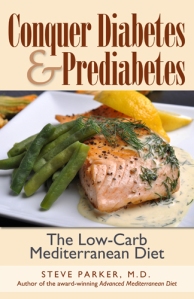
Click the pic to purchase at Amazon.com. E-book versions also available at Smashwords.com.
 Bible Verse of the Day
 Diabetic Mediterranean Diet