Category Archives: Overweight and Obesity

Healthy Weight Ranges

In the past it was pretty easy to find tables of recommended healthy body weights.  Not so much anymore.  Most of the experts want you calculate your body mass index, recommending the healthy BMI range as 18.5 to 24.9.  I just spent an hour putting together a healthy weight range based on BMIs.  Since I have many readers outside the U.S., I use both U.S. customary and metric numbers.

Metropolitan Life Insurance Company last published its ideal weight and height table in 1983.  The US Department of Agriculture abondoned its 1995 healthy weight table by the turn of the century recommending BMI calculation instead.  Of note is that the upper end of its weight ranges was a BMI of 25; the lower ends were all BMIs of 19. 

Body Mass Index (BMI) is your weight in kilograms divided by your height in meters squared (kg/m2).  A pound equals 2.2 kilograms. A pound equals about 454 grams (453.6 to be exact). An inch equals 2.54 centimeters.  There are 100 centimeters in one meter. Thus, a 5-foot, 4-inch woman (1.63 meters) weighing 200 pounds (91 kilograms) has a BMI of 34.2.  Perhaps you’re starting to understand why this weight standard isn’t too popular yet.

 To learn your own BMI but skip the math, use an online calculator.

 To see if your BMI is in the healthy range of 18.5 to 24.9, find your height in the table below, then look to the healhy weight ranges to the right.  Measure your height without shoes and weight without clothes.

Table of Healthy Weight Ranges Based On Body Mass Index: 18.5 to 24.9

       Height               Weight in lb        Weight in kg

5’0” or 152 cm             95 – 128             43.0 – 58.0

5’1” or 155 cm             98 – 132             44.4 – 59.8

5’2” or 157 cm           101 – 137            45.8 – 62.1

5’3” or 160 cm           105 – 141             47.6 – 63.9

5’4” or 163 cm           108 – 146             48.9 – 66.2

5’5” or 165 mc           111 – 150             50.3 – 68.0

5’6” or 168 cm           115 – 155             52.0 – 70.3

5’7” or 170 cm           118 – 160             53.5 – 72.5

5’8” or 173 cm           122 – 164             55.3 – 74.3

5’9” or 175 cm           125 – 169             51.7 – 76.6

5’10” or 178 cm         129 – 174             58.5 – 78.9

5’11” or 180 cm         133 – 179             60.3 – 81.8

6’0”  or 183 cm          137 – 184             62.1 – 83.4

6’1” or 185 cm           140 – 189              63.5 – 85.7

6’2” or 188 cm           144 – 195             65.3 – 88.4

6’3” or 191 cm           148 – 200             67.1 – 90.7

6’4” or 193 cm           152 – 205             68.9 – 92.9

BMIs between 25 and 29.9 designate “overweight” and accurately describe about 35 percent of the United States population.

A BMI of 30 or higher defines “obesity” and indicates high risk for poor health. About 30 percent of us are obese. At a BMI of 35 and above, incidence of death and disease increases sharply.

The BMI concept is helpful to researchers and obesity clinicians, but the number doesn’t mean much yet to the average person on the street and to many physicians. It should be used more widely. (I know, I know: it’s not perfect.  Do you have a better, cheap, widely applicable alternative?)  Know your BMI. If it’s under 25, any excess fat you carry is unlikely to affect your health and longevity; your efforts to lose weight would be purely cosmetic.
Steve Parker, M.D.

13 Comments

Filed under Overweight and Obesity

Low-Carb Diet Better Than Low-Cal for Fatty Liver

Loss of excess weight is a mainstay of therapy for nonalcoholic fatty liver disease.  A very-low-carb diet works better than a reduced-calorie diet, according to a recent study in the American Journal of Clinical Nutrition.

Nonalcoholic fatty liver disease (NAFLD) occurs in 20 to 40% of the general population, with most cases occuring between the ages of 40 and 60.  It’s an accumulation of triglycerides in the liver. 

Nonalcoholic steatohepatitis (NASH) is a subset of NAFLD, perhaps 30% of those with NAFLD.  Steatohepatitis involves an inflammatory component, progressing to cirrhosis in 3 to 26% of cases. 

ResearchBlogging.orgResearchers at the University of Texas Southwestern Medical Center assigned 18 obese subjects (average BMI 35) to either a very-low-carb diet (under 20 grams a day) or a low-calorie diet  (1200 to 1500 calories a day) for two weeks.  Liver fat was measured by magnetic resonance technology.  The low-carb groups’ liver fat decreased by 55% compared to 28% in the other group.  Weight loss was about the same for both groups (4.6 vs 4 kg). 

Bottom Line

This small study needs to be replicated, ideally with a larger group of subjects studied over a longer period.  Nevertheless, it appears that a very-low-carb diet may be one of the best dietary approaches to nonalcoholic fatty liver disease.  And I bet it’s more sustainable than severe calorie restriction.  The Ketogenic Mediterranean Diet, by the way, provides 20-30 grams of carb daily.

Steve Parker, M.D. 

 
Refernce:  Browning JD, Baker JA, Rogers T, Davis J, Satapati S, & Burgess SC (2011). Short-term weight loss and hepatic triglyceride reduction: evidence of a metabolic advantage with dietary carbohydrate restriction. The American journal of clinical nutrition, 93 (5), 1048-52 PMID: 21367948

12 Comments

Filed under ketogenic diet, Overweight and Obesity, Weight Loss

Paleo and Low-Carb Diets: Much In Common?

My superficial reading of the paleo diet literature led me to think Dr. Loren Cordain was the modern originator of this trend, so I was surprised to find an article on the Stone Age diet and modern degenerative diseases in a 1988 American Journal of Medicine.  Dr. Cordain started writing about the paleo diet around 2000, I think.

What’s So Great About the Paleolithic Lifestyle?

In case you’re not familiar with paleo diet theory, here it is.  The modern human gene pool has changed little over the last 50,000 years or so, having been developed over the previous one or two million years.  Darwins’ concept of Natural Selection suggests that organisms tend to thrive if they adhere to conditions present during their evolutionary development.  In other words, an organism is adapted over time to thrive in certain environments, but not others.

The paleo diet as a healthy way to eat appeals to me.  It’s a lifestyle, really, including lots of physical activity, avoidance of toxins, adequate sleep, etc. 

The Agricultural Revolution (starting about 10,000 years ago) and the Industrial Revolution (onset a couple centuries ago) have produced an environment vastly different from that of our Paleolithic ancestors, different from what Homo sapiens were thriving in for hundreds of thousands of years.  That discordance leads to obesity, type 2 diabetes, atherosclerosis, high blood pressure, and some cancers.  Or so goes the theory.

What’s the Paleolithic Lifestyle? (according to the article)

  • Average life expectancy about half of what we see these days
  • No one universal subsistence diet
  • Food: wild game (lean meat) and uncultivated vegetables and fruits (no dairy or  grain)
  • Protein provided 34% of calories (compared to about 12 in U.S. in 1988)
  • Carbohydrate provided 46% of calories (only a  tad lower than what we eat today)
  • Fat provided 21% of calories (42% today)
  • Little alcohol, but perhaps some on special occasions (honey and wild fruits can undergo natural fermentation) , compared to 7-10% of calories in U.S. today [I didn’t know it was that high]
  • No tobacco
  • More polyunsaturated than saturated fats (we ate more saturated than polyunsaturated fat, at least in 1988)
  • Minimal simple sugar availability except when honey in season
  • Food generally was less calorically dense compared to modern refined, processed foods
  • 100-150 grams of dietary fiber daily, compared to 15-20 g today
  • Two or three times as much calcium as modern Americans
  • Under a gram of sodium daily, compared to our 3 to 7 grams.
  • Much more dietary potassium than we eat
  • High levels of physical fitness, with good strength and stamina characteristic of both sexes at all ages achieved through physical activity

[These points are all debatable, and we may have better data in 2010.]

The article authors point out that recent unacculturated native populations that move to a modern Western lifestyle (and diet) then see much higher rates of obesity, diabetes, atheroslcerosis, high blood pressure, and some cancers.  “Diseases of modern civilization,” they’re called.  Cleave and Yudkin wrote about this in the 1960s and ’70s, focusing more on the refined carbohydrates in industrial societies rather than the entire lifestyle.  I expect Gary Taubes would blame the processed carbs, too. 

Paleo diet proponents agree that grains are not a Paleolithic food.  The word “grain” isn’t in this article.  The authors don’t outline the sources of Paleolithic carbs: tubers and roots, fruits, nuts, and vegetables, I assume.  Legumes and milk are probably out of the question, too.

Low-carb diet and paleo diet advocates often allign themselves, even though this version of the paleo diet doesn’t appear to be very low-carb.  The two share an affinity for natural, whole foods, and an aversion to grains, milk, and legumes.  Otherwise I don’t see much overlap.

ResearchBlogging.orgA 2010 article by Kuipers et al (reference below) sugggests that the East African Paleolithic diet derived, on average, 25-29% of calories from protein, 30-39% from fat, and 39-40% from carbohydrate.  That qualifies as low-carb.  Modern Western percentages for protein, fat, and carb are 15%, 33%, and 50%, respectively.

You can make a good argument that these paleo concepts are healthy: high physical activity, nonsmoking, consumption of natural whole foods while minimizing simple sugars and refined starches.  The paleo community is convinced that grains and legumes are harmful; many others disagree.  Also debatable are the role of dairy, polyunsaturated to saturated fat ratio, low sodium, and high potassium.  Modern diets tend to be high-sodium and low-potassium, which may predispose to high blood pressure and heart trouble—diseases of modern civilization.

For more on the paleo diet and lifestyle, visit Free the Animal, Mark’s Daily Apple, and PaNu

Steve Parker, M.D.

Update December 18, 2010:  I found a reference suggesting that Paleolithic diets may have derived about a third—22 to 40%—of calories from carbohydrate, based on modern hunter-gatherer societies.  See the Cordain reference I added below.

Reference:

Kuipers, R., Luxwolda, M., Janneke Dijck-Brouwer, D., Eaton, S., Crawford, M., Cordain, L., & Muskiet, F. (2010). Estimated macronutrient and fatty acid intakes from an East African Paleolithic diet British Journal of Nutrition, 1-22 DOI: 10.1017/S0007114510002679.  Note that one of the authors is Loren Cordain.  Good discussion of various Paleolithic diets.

Eaton, S., Konner, M., & Shostak, M. (1988). Stone agers in the fast lane: Chronic degenerative diseases in evolutionary perspective The American Journal of Medicine, 84 (4), 739-749 DOI: 10.1016/0002-9343(88)90113-1

Cordain, L., et al.  Plant-animal subsistance ratios and macronutrient energy estimations in worldwide hunter-gatherer dietsAmerican Journal of Clinical Nutrition, 71 (2000): 682-692.

10 Comments

Filed under Carbohydrate, Causes of Diabetes, coronary heart disease, Overweight and Obesity

Heart and Stroke Patients: Avoid Weight-Loss Drug Sibutramine (Meridia)

The weight-loss drug sibutramine (Meridia) should be withdrawn from the U.S. market, suggests an editorialist in the September 2, 2010, New England Journal of Medicine.  Based on a clinical study in the same issue, it’s more accurate to conclude that sibutramine shouldn’t be prescribed for people who aren’t supposed to be taking it in the first place.

Sibutramine is sold in the U.S. as Meridia and has been available since 1997.  Judging from the patients I run across, it’s not a very popular drug.  Why not?  It’s expensive and most people don’t lose much weight.

The recent multi-continent SCOUT trial enrolled 9,800 male and female study subjects at least 55 years old (average age 63) who had either:

  1. 1) History of cardiovascular disease (here defined as coronary artery disease, stroke, or peripheral artery disease)
  2. 2) Type 2 diabetes plus one or more of the following: high blood pressure, adverse cholesterol levels, current smoking, or diabetic kidney disease.
  3. Or both of the above (which ended up being 60% of the study population)`.

Here’s a problem from the get-go (“git-go” if you’re from southern U.S.).  For years, Meridia’s manufacturer and the U.S. Food and Drug Administration have told doctors they shouldn’t use the drug in patients with history of cardiovascular disease.  It’s not the scary “black box warning,” but it’s clearly in the package insert of full prescribing information.

Half the subjects were randomized to sibutramine 10 mg/day and the other half to placebo.  All were instructed in diet and exercise aiming for a 600 calorie per day energy deficit.  They should lose about a pound a week if they followed the program.  Average follow-up was 3.4 years.

What Did the Researchers Find?

Forty percent of both drug and placebo users dropped out of the study, a very high rate.

As measured at one year, the sibutramine-users averaged a weight loss of 9.5 pounds (4.3 kg), the majority of which was in the first 6 weeks.  After the first year, they tended to regain a little weight, but kept most of it off.

Death rates were the same for sibutramine and placebo.

Sibutramine users with a history of cardiovascular disease had a 16% increase in non-fatal heart attack and stroke compared to placebo.  To “cause” one heart attack or stroke in a person with known cardiovascular disease, you would have to treat 52 such patients.

Folks in the “diabetes plus risk factor(s)” group who took sibutramine had no increased risk of heart attack or stroke.

So What?

Average weight loss with sibutramine isn’t much.  Nothing new there.  [Your mileage may vary.]

People with cardiovascular disease shouldn’t take sibutramine.  Nothing new there either.

Steve Parker, M.D.

Reference:  James, W. Philip, et al.  Effect of sibutramine on cardiovascular outcomes in overweight and obese subjects.  New England Journal of Medicine, 363 (2010): 905-917.

Comments Off on Heart and Stroke Patients: Avoid Weight-Loss Drug Sibutramine (Meridia)

Filed under coronary heart disease, Drugs for Diabetes, Overweight and Obesity, Stroke, Weight Loss

Low-Fat and Low-Carb Diets End Battle in Tie After Two Years, But…

Dieters on low-fat and low-carb diets both lost the same amount of weight after two years, according to a just-published article in Annals of Internal Medicine.  Both groups received intensive behavioral treatment, which may be the key to success for many.  Low-carb eating was clearly superior in terms of increased HDL cholesterol, which may help prevent heart disease and stroke.

The study was funded by the National Institutes of Health and was carried out in Denver, St. Louis, and Philadelphia.

How Was It Done?

Healthy adults aged 18-65 were randomly assigned to either a low-fat or low-carbohydrate diet.  Average age was 45.  Average body mass index was 36 (over 25 is overweight; over 30 is obese).  Of the 307 participants, two thirds were women.  People over 136 kg (299 lb) were excluded from the study—I guess because weight-loss through dieting is rarely successful at higher weights.  Diabetics were excluded. 

The low-carb diet:  Essentially the Atkins diet with a prolonged induction phase (12 weeks instead of two).  Started with maximum of 20 g carbs daily, as low-carb vegetables.  Increase carbs by 5 g per week thereafter as long as weight loss progressed as planned.  Fat and protein consumption were unlimited.  The primary behavioral goal was to limit carb consumption.

The low-fat diet:  Calories were limited to 1200-1500 /day (women) or 1500-1800 (men).  [Those levels in general are too low, in my opinion.]  Diet was to consist of about 55% of calories from carbs, 30% from fat, 15% from protein.  The primary behavioral goal was to limit overall energy (calorie) intake. 

Both groups received frequent, intensive in-person group therapy—lead by dietitians and psychologists—periodically over two years, covering such topics as self-monitoring, weight-loss tips, management of weight regain and noncompliance with assigned diet.  Regular walking was recommended.

Body composition was measured periodically with dual X-ray absorptiometry.

What Did They Find?

Both groups lost about 11% of initial body weight, but tended to regain so that after two years, both groups average losses were only 7% of initial weight.  Weight loss looked a little better at three months in the low-carb group, but it wasn’t statistically significant. 

The groups had no differences in bone density or body composition.

No serious cardiovascular illnesses were reported by participants.  During the first six months, the low-carb group reported more bad breath, hair loss, dry mouth, and constipation.  After six months, constipation in the low-carb group was the only symptom difference between the groups.

During the first six months, the low-fat group had greater decreases in LDL cholesterol (with potentially less risk of heart disease), but the difference did not persist for one or two years.

Increases in HDL cholesterol (potentially heart-healthy) persisted throughout the study for the low-carb group.  The increase was 20% above baseline.

About a third of participants in both groups dropped out of the study before the two years were up.  [Not unusual.]

My Comments

Contrary to several previous studies that suggested low-carb diets are more successful than low-fat, the study at hand indicates they are equivalent as long as dieters get intensive long-term group behavioral intervention. 

Low-carb critics warn that the diet will cause osteoporosis, a dangerous thinning of the bones that predisposes to fractures.  This study disproves that.

Contrary to widespread criticism that low-carb eating—with lots of fat and cholestrol— is bad for your heart, this study notes a sustained elevation in HDL cholesterol (“good cholesterol”) on the low-carb diet over two years.  This also suggests the low-carbers  followed the diet fairly well.  The investigators also note that low-carb eating tends to produce light, fluffy LDL cholesterol, which is felt to be less injurious to arteries compared to small, dense LDL cholesterol.

A major strength of the study is that it lasted two years, which is rare for weight-loss diet research.

A major weakness is that the investigators apparently didn’t do anything to document the participants’ degree of compliance with the assigned diet.  It’s well known that many people in this setting can follow a diet pretty well for two to four months.  After that, adherence typically drops off as people go back to their old habits.  The group therapy sessions probably improved compliance, but we don’t know since it wasn’t documented. 

How often do we hear “Diets don’t work.”  Well, that’s just wrong.

Overall, it’s an impressive study, and done well. 

Individuals wishing to lose weight on their own can’t replicate these study conditions because of the in-person behavioral intervention component.  There are lots of self-help calorie-restricted balanced diets (e.g., Sonoma Diet, The Zone,  Advanced Mediterranean Diet) and low-carb diets (e.g., Atkins Diet, Banting’s Letter on Corpulence, Low-Carb Mediterranean or Ketogenic Mediterranean Diets).  On-line support groups—e.g. Low Carb Friends and SparkPeople and 3 Fat Chicks on a Diet—could supply some necessary behavioral intervention strategies and support.  

Choosing a weight-loss program is not as easy as many think.  [Well, I’ll admit that choosing the wrong one is easy.]  I review the pertinent issues in my “Prepare for Weight Loss” page.

Steve Parker, M.D.

Reference: Foster, Gary, et al.  Weight and metabolic outcomes after 2 years on a low-carbohydrate versus low-fat diet: a randomized trial. Annals of Internal Medicine, 153 (2010): 147-157   PMID: 20679559

8 Comments

Filed under Carbohydrate, Fat in Diet, ketogenic diet, Overweight and Obesity, Weight Loss

Does Lipid Overload Cause Diabetes?

An up-and-coming theory to explain type 2 diabetes suggests that abnormal lipid metabolism, not glucose/sugar metabolism, is the primary metabolic defect.  Roger H. Unger, M.D., wrote about this in the March 12, 2008, issue of the Journal of the American Medical Association.

Early in the writing of this blog entry, I realized it is much too technical for most of my readers.  If you are not interested in physiology, you can quit reading now.  It’s OK  . . . really.  This may be the most boring blog post of mine you have ever read.  I’m writing this to solidify my own understanding of a new theory.

I assure you my prose in The Advanced Mediterranean Diet weight-loss book is not nearly this technical.

Still with me?  [Get out now while you’re still awake!] 

Definitions and Physiology

Diabetes is defined by high blood glucose (sugar) levels. 

ResearchBlogging.orgThe lipid family includes triglycerides (fats and oils), sterols (e.g., cholesterol), and phospholipids (e.g., lecithin, a major cell membrane component).  Fats are almost entirely composed of trigylcerides.  When fats are broken down, fatty acids are produced.  On the other hand, fatty acids can be joined together, along with glycerol, to form triglycerides. 

Glycogen is a storage form of glucose in liver and muscle tissue.  In olden days, some called it “animal starch.” 

Insulin is a protein hormone produced by pancreatic beta cellsInsulin has multiple actions, not just blood sugar lowering:  

  1. lowers blood glucose levels by driving glucose into cells
  2. inhibits breakdown of glycogen into glucose
  3. inhibits formation of new glucose molecules by the body
  4. stimulates glycogen formation
  5. promotes storage of triglycerides in fat cells (i.e., lipogenesis, fat accumulation)
  6. promotes formation of fatty acids (triglyceride building blocks) by the liver
  7. inhibits breakdown of stored triglycerides
  8. supports protein synthesis 

Fatty acids in muscle tissue block the uptake of glucose from the bloodstream by muscle cells.  Fatty acids in liver tissue impair the ability of insulin to suppress breakdown of glycogen into glucose, and impairs the ability of insulin to suppress production of new glucose molecules.  In other words, an “excessive fatty acid” environment in liver and muscle tissue promotes elevated glucose levels.

Got that?  [This is very difficult material.]  Now on to . . . 

The Lipocentric Theory of Type 2 Diabetes

Type 2 diabetes may be caused by:

  1. Eating too many calories [especially carbohydrates?], leading to…
  2. High insulin levels, leading to…
  3. Stimulation of fat production, leading to…
  4. Increased body fat, leading to…
  5. Deposition of lipids in cells where they don’t belong (that is, not in fat cells), leading to…
  6. Resistance to insulin’s effects on glucose metabolism, leading to…
  7. Lipid accumulation in pancreatic beta cells, damaging them, leading to…
  8. Elevated blood glucose levels, i.e., diabetes.

Perhaps the key to understanding this is to know that “insulin resistance” refers to insulin having less ability to suppress glucose production by the liver, or less ability of various tissues to soak up circulating glucose.  Insulin resistance thereby leads to elevated glucose levels.  But insulin’s effect of “producing fats” (lipogenesis) continues unabated.  Excessive fats, actually fatty acids, accumulate not only in fat cells, but also in liver cells, muscle cells, pancreatic beta cells, and others.  This lipid overload can damage those cells.

If This Theory Is Correct, So What?

Steps #1 and 2 of the lipocentric theory involve excessive caloric intake and high circulating insulin levels, leading to problems down the road.  So overweight people should restrict calories and try to lose at least a modest amount of weight.  Particularly if already having type 2 diabetes or prone to it.   

And what about people with type 2 diabetes who have insulin resistance and have poorly controlled glucose levels?  Most of these have high insulin levels already, contributing to a fat-producing state.  Adding more insulin, by injection, wouldn’t seem to make much sense if there are other alternatives.  The extra insulin would bring glucose levels down, but might also cause lipid overload with associated cellular damage. 

Effective clinical strategies according to Dr. Unger would include 1) caloric restriction, which helps reduce weight, high insulin levels, and fat production, and 2) if #1 fails, add anti-diabetic drugs that reduce caloric intake [exenatide?], that reduce lipid overload [which drug?], or that do both.  

Dr. Unger suggests consideration of bariatric surgery, for caloric restriction and cure of diabetes.

Compared with dietary fats and proteins, carbohydrates generally cause higher circulating insulin levels.  And type 2 diabetics taking insulin shots need higher doses for higher intakes of carbohydrate.  So it makes sense to me to consider preferential reduction of carbohydrate consumption if someone’s going to reduce caloric intake.

Dr. Unger and I agree that reduction of excessive food intake and excess body fat is critically important for overweight people with type 2 diabetes.

Steve Parker, M.D.

References: Unger, R. (2008). Reinventing Type 2 Diabetes: Pathogenesis, Treatment, and Prevention JAMA: The Journal of the American Medical Association, 299 (10), 1185-1187 DOI: 10.1001/jama.299.10.1185

7 Comments

Filed under Causes of Diabetes, Overweight and Obesity

Sugar-Sweetened Beverages: Bane of Mankind?

Over the last 30 years in the U.S., consumption of sugar-sweetened beverages (SSBs) has increased from3.9% of total calories to 9.2% (in 2001).  In that same time span, the percentage of overweight American adults increased from 47% to 66%.  The obesity percentage rose from15 to 33% of adults. 

[Did the beverages cause the weight gain, or are they just associated?] 

Those are just a few of the many facts shared by the authors of “Sugar-sweetened beverages, obesity, type 2 diabetes mellitus, and cardiovascular disease risk,” published recently in Circulation.  Sugar-sweetened beverages, by the way, include soft drinks, fruit drinks, energy drinks, and vitamin water drinks. 

ResearchBlogging.orgSounds like an interesting article, doesn’t it?  It’s written by some of the brightest lights in nutritional science, including George Bray and Frank Hu.  Unfortunately, the article is a little too boring and technical for most of my readers.  Here are a few tidbits I enjoyed:

  • Fructose (found in similar amounts in sucrose (table sugar) and high fructose corn syrup) may particularly predispose us to deposit fat in and around our internal abdominal organs (“visceral fat,” which some believe to be more unhealthy than fat  in our buttocks or thighs).
  • Fructose may also lead to fat deposits in cells other than fat cells, potentially interfering with cell function.
  • Fructose may adversely affect lipid metabolism (higher triglyceride levels and lower HDL levels, which could promote heart disease).
  • Fructose raises blood pressure and reduces insulin sensitivity.
  • In the liver, fructose is preferentially converted to lipid, causing high triglyceride levels (associated with heart disease and insulin resistance).  [The authors did not mention the common condition of “fatty liver” (aka hepatic steatosis) in this context.]

Some of the authors conclusions:

  • SSBs are the largest contributor to added-sugar intake in the U.S.
  • SSBs contribute to weight gain.
  • SSBs may cause type 2 diabetes and cardiovascular disease—separate from their effect on obesity—via high glycemic load and increased fructose metabolism, in turn leading to insulin resistance, inflammation, pancreas beta cell impairment, high blood pressure, visceral fat build-up, and adverse effects on blood lipids.

I especially like their final sentence:

For these reasons and because they have little nutritional value, intake of SSBs should be limited, and SSBs should be replaced by healthy alternatives such as water.

Steve Parker, M.D.

Reference: Malik, V., Popkin, B., Bray, G., Despres, J., & Hu, F. (2010). Sugar-Sweetened Beverages, Obesity, Type 2 Diabetes Mellitus, and Cardiovascular Disease Risk Circulation, 121 (11), 1356-1364 DOI: 10.1161/CIRCULATIONAHA.109.876185

1 Comment

Filed under Carbohydrate, Causes of Diabetes, coronary heart disease, Glycemic Index and Load, Overweight and Obesity

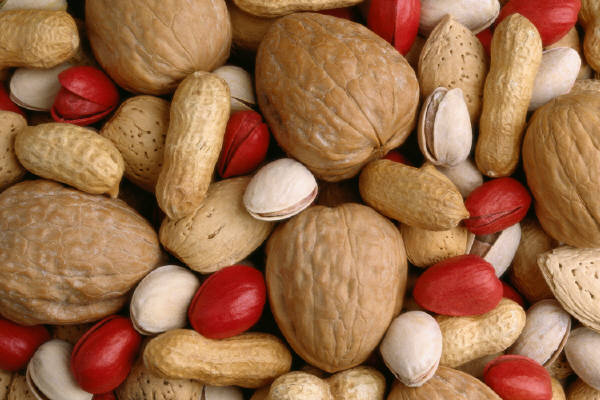
Nuts Are Not Fattening

Dietitian Melanie Thomassian at her Dietriffic blog April 27, 2010, notes that nuts are not fattening, contrary to popular belief.  This is in a guest post by Matthew Denos.  Most of his references refer to almonds, so I’m not sure other nuts would be equally non-fattening. 

We’re talking about one or two ounces (up to 60 grams) a day.  Could someone gain fat weight eating more than that?  Probably, especially if they have a high-carbohydrate eating pattern.  Do I have scientific studies to back me up?  No. 

Nuts are characteristic of the traditional Mediterranean diet, which is one reason I included them in the Ketogenic Mediterranean Diet.  The other reason is that nut consumption is associated with lower heart disease risk.

Steve Parker, M.D.

Comments Off on Nuts Are Not Fattening

Filed under nuts, Overweight and Obesity

Prediabetes Ignored Way Too Often

Only half of Americans with prediabetes take steps to avoid progression to diabetes, according to a recent report in the American Journal of Preventive Medicine.

Prediabetes is defined as:

  1. fasting blood sugar between 100 and 125 mg/dl (5.56–6.94 mmol/l) or
  2. blood sugar level 140–199 mg/dl (7.78–11.06 mmol/l) two hours after drinking 75 grams of glucose

Prediabetes is a strong risk factor for development of full-blown diabetes.  It’s also associated with increased risk for cardiovascular disease such as heart attack and stroke.  One of every four adults with prediabetes develops diabetes over the next 3 to 5 years.  The progression can often be prevented by lifestyle modifications such as dietary changes, moderate-intensity exercise, and modest weight loss.  

Investigators looked at 1,402 adult participants in the 2005-2006 National Health and Nutrition Examination Survey (NHANES) who had fasting blood sugar tests and oral glucose tolerance tests diagnostic of  prediabetes.  

The researchers estimate that 30% (almost one out of every three) of the adult U.S. population had prediabetes in 2005-2006, but only 7% of them (less than one in 10) were aware they had it.

Only half of the prediabetics in this survey reported attempts at preventative lifestyle changes in the prior year.  Only one of every three prediabetics reported hearing about risk reduction advice from their healthcare provider.

People, we’ve got to do better! 

My fellow physicians, we’ve got to do better!

The U.S. Centers for Disease Control and Prevention predicts that one of every three Americans born in 2000 will develop diabetes.  The great majority of this will be type 2 diabetes.  You understand now why James Hirsch, author of Cheating Destiny, calls diabetes America’s leading public health crisis.  I agree.

Steve Parker, M.D.

Reference:  Geiss, Linda S., et al.  Diabetes risk reduction behaviors among U.S. adults with prediabetesAmerican Journal of Preventive Medicine, 38 (2010): 403-409.

5 Comments

Filed under Causes of Diabetes, coronary heart disease, Overweight and Obesity, Prevention of T2 Diabetes, Stroke, Weight Loss

Vinegar and Weight Loss: Didn’t Work For Me

Mt. Fuji in Japan

Last November I started another self-experiment to see if vinegar consumption would lead to any weight loss in me.  I quit after nine weeks instead of sticking it out for the entire 12-week trial.  I just got tired of it and hadn’t seen any weight loss.  And I ran out of apple cider vinegar. 

Results?  No change in weight.

A Japanese study had shown loss of 2.2-4.4 lb in Japanese overweight study subjects.  Maybe it didn’t work for me because I wasn’t overweight.  Or because I’m not Japanese.  Or because I chose to do the experiment over the Christmas-New Years’ holiday, a notorious over-eating time of year. 

Oh, well.

Nevertheless, the vinegar option would be reasonable for an overweight person to try. 

Steve Parker, M.D. 

PS: I blogged recently about how vinegar diminishes blood sugar elevations after meals that contain complex carbohydrates.  So an overweight type 2 diabetic would be a perfect study subject.

Comments Off on Vinegar and Weight Loss: Didn’t Work For Me

Filed under Drugs for Diabetes, Overweight and Obesity