Category Archives: Diabetes Complications

Lyrica or Neurontin for Chronic Pain?

“You can take this pill, but there’s not much evidence it does any good.”

Physicians in the U.S. who prescribe opioids need a license from the Drug Enforcement Administration and it has to be renewed periodically. By the time of my next renewal, I must be able to prove to the DEA that I’ve had six (eight?) hours of approved continuing medical education on drug abuse and addiction. Because of the prescription opioid “epidemic” that reared it’s head several years ago, regulators are putting pressure on prescribers to reduce prescriptions. I’m not saying that’s a bad thing, but it can be taken too far, like expecting a patient with very recent knee or hip replacement surgery to be just fine with acetaminophen (aka paracetamol) alone. Big Pharma has convinced some prescribers to substitute opioids with Neurontin (aka gabapentin) or Lyrica (pregabalin). If not substitution, then augmentation of opioid effect at lower doses. I definitely see that in my part of the world.

Regarding that, here’s a thought-provoking article from Paul Ingraham:

One of the most notorious examples of Big Pharma living up to its reputation for evil-doing is the illegal promotion of anticonvulsant drugs like Neurontin and Lyrica for painful problems like back pain. Pfizer coughed up billions for lawsuit settlements and record-breaking fines. I think it’s safe to say that they didn’t actually pay enough to undo the damage, though…

Thanks to that horror show, and to research by Peet et al, we now know that there was a mighty 5× surge in gabapentin prescriptions in the 2000s and 2010s. That was — and continues to be — a chilling demonstration of the power of under-handed and well-funded marketing. Even as opioid prescriptions fell somewhat, gabapentin scrips rose dramatically, despite the dubious value for most of what it was being prescribed for (most kinds of pain).

  Steve Parker, M.D.

PS: Pregabalin and gabapentin are commonly used and often effective drugs for painful diabetic neuropathy in the U.S. This blog post isn’t about that neuropathic.

Comments Off on Lyrica or Neurontin for Chronic Pain?

Filed under Diabetes Complications

Gastric Bypass Reduces Diabetic Retinopathy Risk

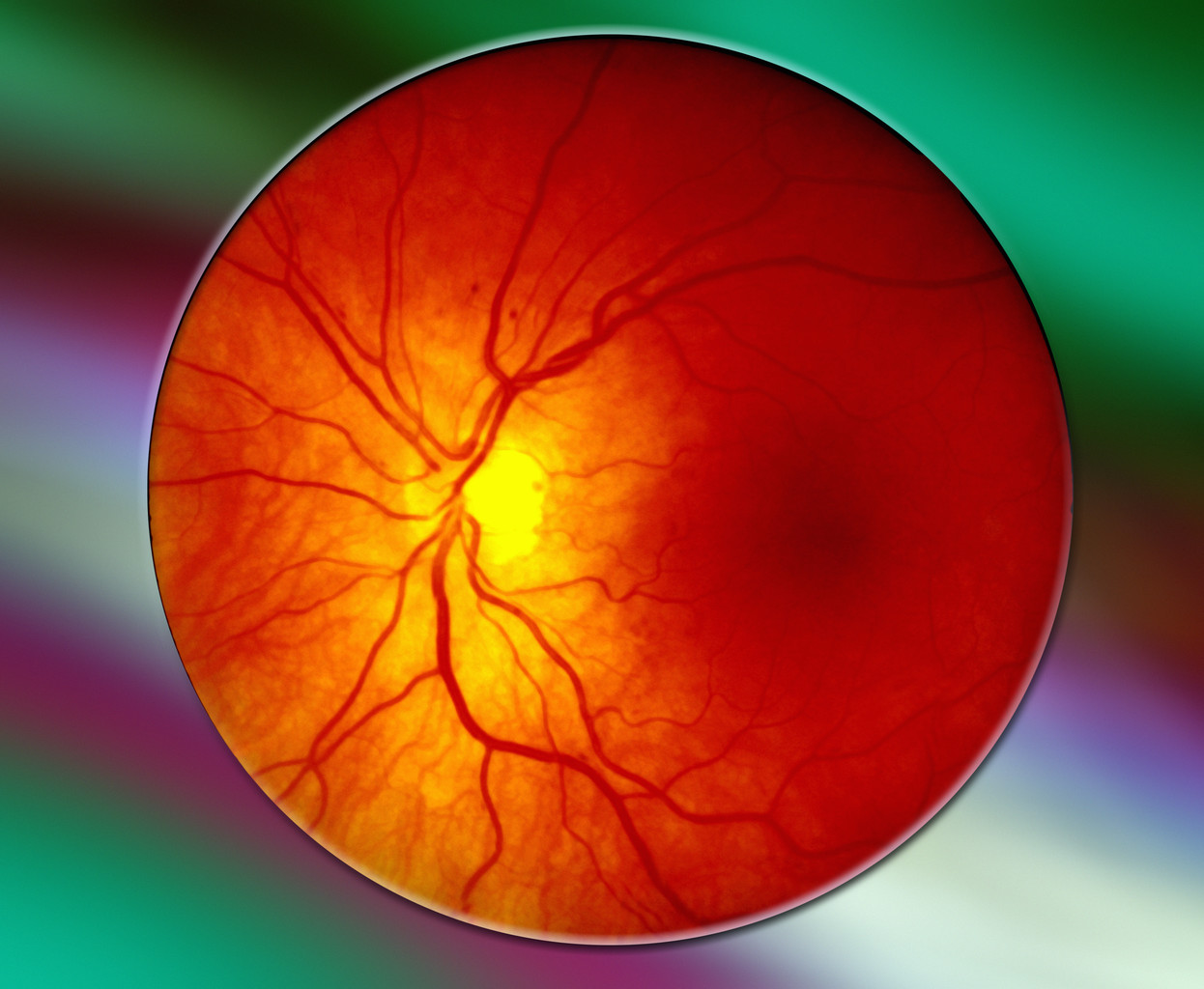
Photo of the retina at the back of the eyeball

Retinopathy is a fancy word meaning disease of the retina, the light detecting membrane at the back of the eyeball. About two in five folks with diabetes have some form or degree of diabetic retinopathy. The pathology is mostly in the arterial blood vessels of the retina. Keeping blood sugars under good control is one way to prevent diabetic retinopathy. Once diagnosed, it can be treated with injections, lasers, or surgery.

Here’s the abstract from a recent scientific report the looked at the ocular effects of gastric bypass surgery in obese type 2 diabetics. Over the course of 4.5 years, the risk of diabetic retinopathy was 40% less in those who had bypass surgery.

Importance  Knowledge of the incidence and progression of diabetic retinopathy (DR) after gastric bypass surgery (GBP) in patients with obesity and diabetes could guide the management of these patients.

Objective  To investigate the incidence of diabetic ocular complications in patients with type 2 diabetes after GBP compared with the incidence of diabetic ocular complications in a matched cohort of patients with obesity and diabetes who have not undergone GBP.

Design, Setting, and Participants  Data from 2 nationwide registers in Sweden, the Scandinavian Obesity Surgery Registry and the National Diabetes Register, were used for this cohort study. A total of 5321 patients with diabetes from the Scandinavian Obesity Surgery Registry who had undergone GBP from January 1, 2007, to December 31, 2013, were matched with 5321 patients with diabetes from the National Diabetes Register who had not undergone GBP, based on sex, age, body mass index (BMI), and calendar time (2007-2013). Follow-up data were obtained until December 31, 2015. Statistical analysis was performed from October 5, 2018, to September 30, 2019.

Exposure  Gastric bypass surgery.

Main Outcomes and Measures  Incidence of new DR and other diabetic ocular complications.

Results  The study population consisted of 5321 patients who had undergone GBP (3223 women [60.6%]; mean [SD] age, 49.0 [9.5] years) and 5321 matched controls (3395 women [63.8%]; mean [SD] age, 47.1 [11.5] years). Mean (SD) follow-up was 4.5 (1.6) years. The mean (SD) BMI and hemoglobin A1c concentration at baseline were 42.0 (5.7) and 7.6% (1.5%), respectively, in the GBP group and 40.9 (7.3) and 7.5% (1.5%), respectively, in the control group. The mean (SD) duration of diabetes was 6.8 (6.3) years in the GBP group and 6.4 (6.4) years in the control group. The risk for new DR was reduced in the patients who underwent GBP (hazard ratio, 0.62 [95% CI, 0.49-0.78]; P < .001). The dominant risk factors for development of DR at baseline were diabetes duration, hemoglobin A1c concentration, use of insulin, glomerular filtration rate, and BMI.

Conclusions and Relevance  This nationwide matched cohort study suggests that there is a reduced risk of developing new DR associated with GBP, and no evidence of an increased risk of developing DR that threatened sight or required treatment.

Click for full text.

Steve Parker, M.D.

1 Comment

Filed under Diabetes Complications

Your Proton Pump Inhibitor Might Kill You By Doubling Your Risk of #COVID19

Click for details.

Prilosec and similar proton pump inhibitor drugs (PPIs) drastically reduce stomach acid. You should assume there’s a good reason or two why we have acidic stomach juice in the first place. One reason is to prevent infection.

I see two many patients who are put on these drugs for a good reason, but they keep taking them after the drug has finished its job.

An “as needed” H2 blocker like Pepcid may be a reasonable substitute for PPIs. Check with your personal physician.

I have nothing against Prilosec in particular. It can be very helpful. It’s one of several PPIs on the market.

Steve Parker, M.D.

PS: If you take a PPI for frequent heartburn, note that low-carb diets help prevent heartburn.

low-carb mediterranean diet

Click the pic to purchase at Amazon.com. E-book versions also available at Smashwords.com.

Comments Off on Your Proton Pump Inhibitor Might Kill You By Doubling Your Risk of #COVID19

Filed under Diabetes Complications

Do Folks With Diabetic Kidney Disease Need to Restrict Protein Consumption?

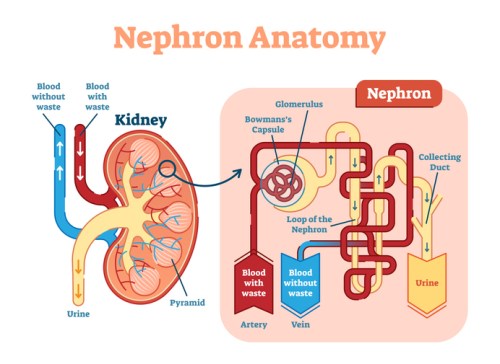
The nephron is the microscopic structural and functional unit of the kidney.

From a Diabetes Care Consensus panel:

Consensus recommendation:

In individuals with diabetes and non–dialysis-dependent diabetic kidney disease (DKD), reducing the amount of dietary protein below the recommended daily allowance (0.8 g/kg body weight/day) does not meaningfully alter glycemic measures, cardiovascular risk measures, or the course of glomerular filtration rate decline and may increase risk for malnutrition.

Are protein needs different for people with diabetes and kidney disease? Historically, low-protein eating plans were advised to reduce albuminuria and progression of chronic kidney disease in people with DKD, typically with improvements in albuminuria but no clear effect on estimated glomerular filtration rate. In addition, there is some indication that a low-protein eating plan may lead to malnutrition in individuals with DKD. The average daily level of protein intake for people with diabetes without kidney disease is typically 1–1.5 g/kg body weight/day or 15–20% of total calories. Evidence does not suggest that people with DKD need to restrict protein intake to less than the average protein intake.

Source: Nutrition Therapy for Adults With Diabetes or Prediabetes: A Consensus Report | Diabetes Care

Steve Parker, M.D.

Click the pic to purchase at Amazon.com. E-book versions also available at Smashwords.com.

1 Comment

Filed under Diabetes Complications

FDA warns doctors  about rare occurrences of a serious infection of the genital area with SGLT2 inhibitor drugs

The infection is called Fournier Gangrene. It’s a nasty infection that I’ve seen only a few times, always in men. The FDA reports cases in both men and women taking SGLT2 inhibitors to treat their diabetes.

“Patients should seek medical attention immediately if you experience any symptoms of tenderness, redness, or swelling of the genitals or the area from the genitals back to the rectum, and have a fever above 100.4 F or a general feeling of being unwell. These symptoms can worsen quickly, so it is important to seek treatment right away.”

Source: FDA warns about rare occurrences of a serious infection of the genital area with SGLT2 inhibitors for diabetes | FDA

Steve Parker, M.D.

PS: With the right diet, you’ll need fewer drugs to control your diabetes. So, fewer drug side effects and less expense.

low-carb mediterranean diet

Click the pic to purchase at Amazon.com

1 Comment

Filed under Diabetes Complications, Drugs for Diabetes

Dietary Strategies for Management of Diabetic Gastroparesis

bariatric surgery, Steve Parker MD

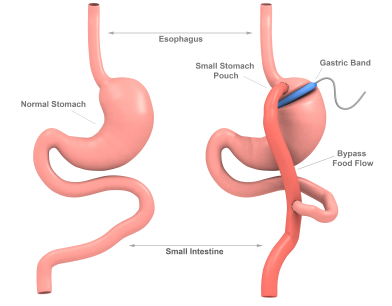
The only picture of stomach I have

When you eat a meal, your stomach holds it there for a while then gradually releases contents into the duodenum, the first part of the small intestine. The stomach makes those releases by contraction of muscles in the wall of the stomach. Those muscles are under control of the autonomic nervous system. In some folks with diabetes, the nerves controlling the stomach muscles don’t work very well, so stomach contractions are weak. Food just sits in the stomach for too long, delaying digestion and absorption of nutrients. One result is unpredictable blood sugar levels after meals, no matter how carefully you count carb grams. The medical term for these weak stomach contractions is gastroparesis.

From Diabetes Care:

“How is diabetic gastroparesis best managed?

Consultation by an RDN [registered dietitian, I reckon] knowledgeable in the management of gastroparesis is helpful in setting and maintaining treatment goals. Treatment goals include managing and reducing symptoms; correcting fluid, electrolyte, and nutritional deficiencies and glycemic imbalances; and addressing the precipitating cause(s) with appropriate drug therapy. Correcting hyperglycemia is one strategy for the management of gastroparesis, as acute hyperglycemia delays gastric emptying. Modification of food and beverage intake is the primary management strategy, especially among individuals with mild symptoms.

People with gastroparesis may find it helpful to eat small, frequent meals. Replacing solid food with a greater proportion of liquid calories to meet individualized nutrition requirements may be helpful because consuming solid food in large volumes is associated with longer gastric emptying times. Large meals can also decrease the lower esophageal sphincter pressure, which may cause gastric reflux [heartburn], providing further aggravation.

Results from a randomized controlled trial demonstrated eating plans that emphasize small-particle-size (<2 mm) foods may reduce severity of gastrointestinal symptoms. Small-particle-size food is defined as “food easy to mash with a fork into small particle size.” High-fiber foods, such as whole intact grains and foods with seeds, husks, stringy fibers, and membranes, should be excluded from the eating plan. Many of the foods typically recommended for people with diabetes, such as leafy green salads, raw vegetables, beans, and fresh fruits, and other food like fatty or tough meat, can be some of the most difficult foods for the gastroparetic stomach to grind and empty. Notably, the majority of nutrition therapy interventions for gastroparesis are based on the knowledge of the pathophysiology and clinical judgment rather than empirical research.”

Source: Nutrition Therapy for Adults With Diabetes or Prediabetes: A Consensus Report | Diabetes Care

Steve Parker, M.D.

Click the pic to purchase at Amazon.com

1 Comment

Filed under Diabetes Complications, Uncategorized

Obesity Paradox: Diabetes Seems to Forestall Death In the Overweight and Obese

The study was done in the U.K.

Highlights

•What is the association between BMI and mortality in people with and without diabetes mellitus?

•Compared to normal BMI, the risk of death was a 33% lower in overweight people with diabetes and 12% lower in those without.

•For obese class I, the risk was 35% lower in diabetes and 5% lower in non-diabetes.

•For obese class III, the risk was a 10% non-significantly lower in diabetes and 29% higher in non-diabetes.

•For the same level of obesity, mortality risk was higher in non-diabetes than in diabetes.

Source: Body mass index and mortality in people with and without diabetes: A UK Biobank study – Nutrition, Metabolism and Cardiovascular Diseases

Comments Off on Obesity Paradox: Diabetes Seems to Forestall Death In the Overweight and Obese

Filed under Diabetes Complications, Longevity

Vegetarian Diet Improves Diabetic Neuropathy Pain

http://www.nature.com/nutd/journal/v5/n5/full/nutd20158a.html

plus major weight loss

h/t bix (fanatic cook)

2 Comments

Filed under Diabetes Complications, Vegetarian Diet

Does Type 2 Diabetes Cause Alzheimer’s Dementia?

dementia, memory loss, Mediterranean diet, low-carb diet, glycemic index, dementia memory loss

“More basic research is critical.”

Several scientific studies, but not all, link type 2 diabetes with Alzheimer’s disease. Some go so far as to say Alzheimer’s is type 3 diabetes.

My Twitter feed brought to my attention a scientific article I thought would clarify the relationships between diabetes, carbohydrate consumption, and Alzheimer’s dementia (full text).

It didn’t.

Click the full text link to read all about insulin, amylin, insulin degrading enzyme, amyloid–β, and other factors that might explain the relationship between type 2 diabetes and Alzheimer’s dementia. You’ll also find a comprehensive annotated list of the scientific studies investigating the link between diabetes and Alzheimer’s.

Bottom line: We still don’t know the fundamental cause of Alzheimer’s disease. A cure and highly effective preventive measures are far in the future.

Action Plan For You

You may be able to reduce your risk of Alzheimer’s disease by:

  • avoiding type 2 diabetes
  • preventing progression of prediabetes to diabetes
  • avoiding obesity
  • exercising regularly
  • eating a Mediterranean-style diet

Carbohydrate restriction helps many folks prevent or resolve obesity, prediabetes, and type 2 diabetes.

Steve Parker, M.D.

Reference: Schilling, Melissa. Unraveling Alzheimer’s: Making Sense of the Relationship Between Diabetes and Alzheimer’s Disease. Journal of Alzheimer’s Disease, 51 (2016): 961-977.

LCHF Mediterranean diet

LCHF Mediterranean diet


4 Comments

Filed under Dementia, Diabetes Complications

Intensive Program Extended Lifespan By Eight Years in Type 2 Diabetes

"I don't mind dying. I just don't want to be there when it happens."  --Woody Allen

“I don’t mind dying. I just don’t want to be there when it happens.” –Woody Allen

MedPageToday has some details:

“Type-2 diabetics lived nearly 8 years longer when treated with an intensive, multifactorial approach that employed behavioral and pharmacological interventions.

The 160 patients with type-2 diabetes mellitus and microalbuminuria, now followed for 21 years, received either conventional or intensified therapy.

Thirty-eight intensive-therapy patients died during the follow-up period compared with 55 conventional-therapy patient deaths during the same time. This translated to a median survival period 7.9 years longer for the intensive-therapy cohort, as well as a median delay of 8.1 years to a first cardiovascular event, the investigators reported in the journal Diabetologia.

“The outcome of our study is very encouraging and emphasizes the need for early and intensified treatment of multiple modifiable risk factors for a poor prognosis of patients with type 2 diabetes,” said lead study author Peter Gaede, MD, of the University of Southern Denmark in Odense, in a statement.”

Source: Intensive Program Extends Lifespan in T2D Patients | Medpage Today

Study participants were northern Europeans (Danes) who had small amounts of protein (albumin) in their urine and were mostly in their 50s when this long-term study started.

Medical intervention included diet changes, drugs for diabetes/blood pressure/lipids, and exercise. Therapy for the intensive therapy group was “target-driven, with stepwise implementation of both behavioral and pharmacological treatment following a structured approach.”

If you’re a researcher and want to test how my diabetes diets would perform in a study like this, contact me for a discount on books.

Steve Parker, M.D.

Comments Off on Intensive Program Extended Lifespan By Eight Years in Type 2 Diabetes

Filed under Diabetes Complications, Longevity