Category Archives: Carbohydrate

Grains and Legumes: Any Effect on Heart Disease and Stroke?

Several scientific studies published in the first five years of this century suggest that whole grain consumption protects agains coronary heart disease and possibly other types of cardiovascular disease, such as stroke. 

Note that researchers in this field, especially outside the U.S., use the term “cereal” to mean “a grass such as wheat, oats, or corn, the starchy grains of which are used as food.”  They also refer frequently to glycemic index and glycemic load, spelled “glycaemic” outside the U.S.  Most of the pertinent studies are observational (aka epidmiologic): groups of people were surveyed on food consumption, then rates of diseases were associated with various food types and amounts.  “Association” is not proof of causation. 

Here are highlights from a 2006 review article in the European Journal of Clinical Nutrition

The researchers concluded that a relationship between whole grain intake and coronary heart disease is seen with at least a 20% and perhaps a 40% reduction in risk for those who eat whole grain food habitually vs those who eat them rarely.

Whole grain products have strong antioxidant activity and contain phytoestrogens, but there is insufficient evidence to determine whether this is beneficial in coronary heart disease prevention.

Countering the positive evidence for whole grain and legume intake has been the Nurses Health Study in 2000 that showed women who were overweight or obese consuming a high glycaemic load (GL) diet doubled their relative risk of coronary heart disease compared with those consuming a low GL diet.

The intake of high GI carbohydrates (from both grain and non-grain sources) in large amounts is associatied with an increased risk of heart disease in overweight and obese women even when fiber intake is high but this requires further confirmation in normal-weight women.

Promotion of carbohydrate foods should befocused on whole grain cereals because these have proven to be associatied with health benefits.

Whether adding bran to refined carbohydrate foods can improve the situation is also not clear, and it was found that added bran lowered heart disease risk in men by 30%.

Recommendation:  Carbohydrate-rich foods should be whole grain and if theyare not, then the lowest GI product available should be consumed.

My Comments

This journal article focuses on whole grains rather than legumes, and promotes whole grains more than legumes.  For people with diabetes, this may be a bit of a problem since grains—whole or not—generally have a higher glycemic index than legumes, which may have adverse effects on blood sugar control.  Keep in mind that highly refined grain products, like white bread, have a higher glycemic index than whole grain versions.

Did you notice that the abstract doesn’t recommend a specific amount of whole grains for the general population?  My educated guess would be one or two servings a day. 

Grains are high in carbohydrate, so anyone on a low-carb diet may have to cut carbs elsewhere. 

Diabetes predisoses to development of coronary heart disease.  Whole grains seem to help prevent heart disease, yet may adversely affect glucose control, contributing to diabetic complications.  It’s a quandary.  “Caught between the horns of a dilemma,” you might say.  So, what should a diabetic do with this information in 2010, while we await additional research results?

Several options come to mind:

  1. Eat whatever you want and forget about it.
  2. Note whether coronary heart disease runs in your family.  If so, try to incorporate one or two servings of whole grains daily, noting and addressing effects on your blood sugar.
  3. Try to eat one or two servings of whole grains a day, noting and addressing effects on your blood sugar.  Then decide if it’s worth it.  Is there any effect?  Do you have to increase your diabetic drug dosages or add a new drug?  Are you tolerating the drugs?    
  4. Assess all your risk factors for developing heart disease: smoking, sedentary lifestyle, high blood pressure, age, high LDL cholesterol, family history, etc.  If you have multiple risk factors, see Option #3.  And modify the risk factors under your control.   
  5. Get your personal physician’s advice.    

Before you stress out over this, be aware that we don’t really know whether a diabetic who doesn’t eat grains will have a longer healthier life by starting a daily whole grain habit.  Maybe . . . maybe not.  The study hasn’t been done.    

Steve Parker, M.D.

References:

Flight, I. and Clifton, P.  Cereal grains and legumes in the prevention of coronary heart disease and stroke: a review of the literatureEuropean Journal of Clinical Nutrition, 60 (2006): 1,145-1,159.

Malik, V. and Hu, Frank.  Dietary prevention of atherosclerosis: go with whole grainsAmerican Journal of Clinical Nutrition, 85 (2007): 1,444-1,445.

4 Comments

Filed under Carbohydrate, coronary heart disease, Diabetes Complications, Grains, legumes, Stroke

Eat the Right Carbs to Alleviate Diabetes and Heart Disease

Harvard’s Dr. Frank Hu in 2007 called for a paradigm shift in dietary prevention of heart disease, de-emphasizing the original diet-heart hypothesis and noting instead that “. . . reducing dietary GL [glycemic load] should be made a top public health priority.”  Jim Mann at the University of Otago (Dunedin, New Zealand) authored a 2007 review of carbohydrates and effects on heart disease and diabetes.  Here are highlights from the article summary in the European Journal of Clinical Nutrition:
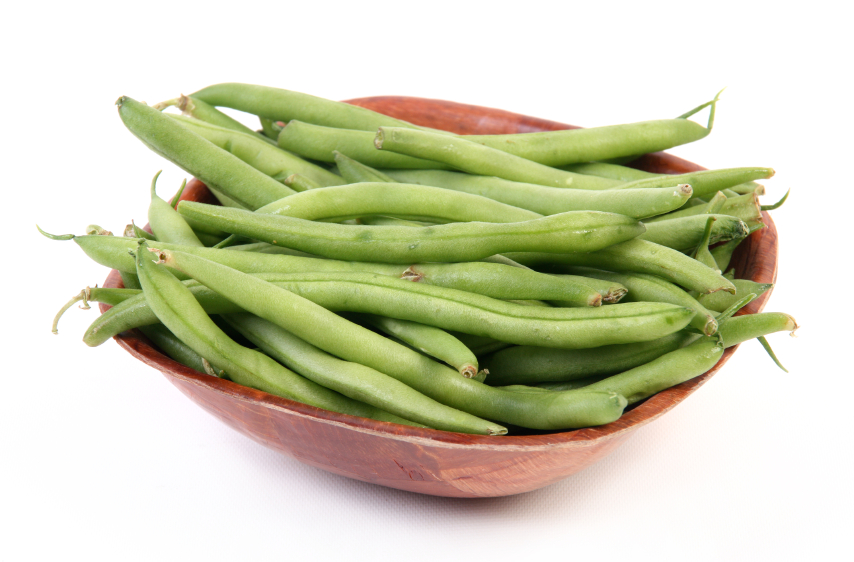
The nature of carbohydrate is of considerable importance when recommending diets intended to reduce the risk of type II diabetes and cardiovascular disease and in the treatment of patients who already have established diseases. Intact fruits, vegetables, legumes and whole grains are the most appropriate sources of carbohydrate. Most are rich in [fiber] and other potentially cardioprotective components.  Many of these foods, especially those that are high in dietary fibre, will reduce total and low-density lipoprotein cholesterol and help to improve glycaemic control in those with diabetes.

Frequent consumption of low glycaemic index foods has been reported to confer similar benefits, but it is not clear whether such benefits are independent of the dietary fibre content of these foods or the fact that low glycaemic index foods tend to have intact plant cell walls.

A wide range of carbohydrate intake is acceptable, provided the nature of carbohydrate is appropriate. Failure to emphasize the need for carbohydrate to be derived principally from whole grain cereals, fruits, vegetables and legumes may result in increased lipoprotein-mediated risk of cardiovascular disease, especially in overweight and obese individuals who are insulin resistant.

Why does this matter to me and readers of this blog?  Dietary carbohydrates are a major determinant of blood sugar levels, tending to elevate them.  Chronically high blood sugar levels are associated with increased complication rates from diabetes.  People with diabetes are prone to develop heart disease, namely coronary artery disease, which causes heart attacks, weakness of the heart muscle, and premature death. 

Steve Parker, M.D.

References: 

Mann, J.  Dietary carbohydrate: relationship to cardiovascular disease and disorders of carbohydrate metabolismEuropean Journal of Clinical Nutrition, 61 (2007): Supplement 1: S100-11.

Hu, Frank.  Diet and cardiovascular disease prevention: The need for a paradigm shift.  Journal of the American College of Cardiology, 50 (2007): 22-24.

4 Comments

Filed under Carbohydrate, coronary heart disease, Fiber, Fruits, Glycemic Index and Load, Grains, legumes, Vegetables

Low-Glycemic Index Eating Improves Control of Diabetes

Lowering glycemic index (GI) led to improved contol of blood sugar, better insulin sensitivity, and weight loss in people with type 2 diabetes given group education sessions, according to researchers at Pennsylvania State University.

As background, the scientists note that:

GI may play a role in preventing or treating type 2 diabetes by decreasing the risk for obesity or by altering metabolic endpoints.  Improvements in glycaemic control were observed in people with diabetes in a recent meta-analysis.  A lower-GI diet was shown to decrease postprandial glucose [blood sugar after meals] and insulin responses and improve serum lipid concentrations.  Lower-GL [glycemic load] diets were associated with decreased risk for type 2 diabetes, decreased levels of C-reactive protein and inflammation, and weight loss.

Ninety-nine test subjects completed the study that enrolled adults 40 to 70  years old who had diabetes at least one year but were not taking insulin shots.  Average body mass index was 33, so they were obese.  Average weights were 84.5 kg (186 lb) for women and 108.7 kg (239 lb) for men.  Average baseline hemoglobin A1c was estimated at 7%, so these folks were under good glucose control.  Baseline carbohydrate intake was 45% of total energy, a bit lower than the general population. 

The 9-week intervention involved nine weekly group education sessions—lasting 1.5 to 2 hours—focusing on selection of lower-GI (vs higher-GI) foods instead of restricting carbohydrates.  Also covered were monitoring of portion sizes to control carb consumption, carb counting to control carb distribution and intake, and self-monitoring of food intake. 

Results

Although weight loss was not a goal, weights fell by 1-2 kg (2-4 pounds).  Men lost more than women.  Overall diet glycemic index fell by 2-3 points (a modest amount).  Comparing values before and after intervention, fasting glucose and postprandial glucose fell significantly, and insulin sensitivity improved.  Although not measured, the authors estimate hemoglobin A1c levels would have fallen an absolute 0.3%, based on measured glucose levels.  Percentage of calories from carbohydrate did not change. 

Comments

This is one of the few studies to try low-glycemic index behavioral intervention in adults with type 2 diabetes.  Results are encouraging. 

The researchers and I wonder if results would have been even more dramatic if the test subjects hadn’t been so well controlled before intervention or if they had dropped their glycemic index even lower.  Probably so.  Many people with type 2 diabetes have hemoglobin A1c’s well over 7%.

The researchers attribute the weight loss to portion control and simple self-monitoring of consumption. 

For people with diabetes, this study supports selection of lower-glycemic index instead of higher-GI.  In fact, we’d see less diabetes, heart disease, breast cancer, and gallbladder disease if all women—diabetic or not—ate lower-GI

Steve Parker, M.D.

Reference:  Gutschall, Melissa, et al.  A randomized behavioural trial targeting glycaemic index improves dietary, weight and metabolic outcomes in patients with type 2 diabetes.  Public Health and Nutrition, 12(2009): 1,846-1,854.

2 Comments

Filed under Carbohydrate, Glycemic Index and Load

Legumes and Cereal Grains: Any Role in Weight Management?

Researchers at the University of Wollongong (Australia) reviewed the scientific literature on the role for cereal grains and legumes in weight management.

In this context, “cereal” refers to “a grass such as wheat, oats, or corn, the starchy grains of which are used as food” (American Heritage Dictionary). 

Here’s their summary:

There is strong evidence that a diet high in whole grains is associated with lower body mass index, smaller waist circumference, and reduced risk of being overweight; that a diet high in whole grains and legumes can help reduce weight gain; and that significant weight loss is achievable with energy-controlled diets that are high in cereals and legumes. There is weak evidence that high intakes of refined grains may cause small increases in waist circumference in women. There is no evidence that low-carbohydrate diets that restrict cereal intakes offer long-term advantages for sustained weight loss. There is insufficient evidence to make clear conclusions about the protective effect of legumes on weight.  

I haven’t read the entire article, but invite you to do so.  I’m searching for clues as to which type of carbs to add after one finishes the Ketogenic Mediterranean Diet.

Steve Parker, M.D.

Reference:  Williams, P.G., et al.  Cereal grains, legumes, and weight management: a comprehensive review of the scientific evidence.  Nutrition Reviews, 66(2008): 171-82.

3 Comments

Filed under Carbohydrate, Grains, legumes, Overweight and Obesity, Weight Loss

Low-Carb Killing Spree Continues

The choice is clear . . . NOT

Low-fat and low-carb diets produce equal weight loss and improvements in insulin resistance but the low-carb diet may be detrimental to vascular health, according to a new study in Diabetes.

Methodology

Researchers in the the UK studied 24 obese subjects—15 female and 9 male—randomized to eat either a low-fat (20% fat, 60% carbohydrate) or low-carb (20% carb, 60% fat) diet over 8 weeks.  Average age was 39; average body mass index was 33.6.  Most of them had prediabetes.  Food intake was calculated to result in a 500 calorie per day energy deficit (a reasonable reduced-calorie diet, in other words).  Study participants visited a nutritionist every other day, and all food was provided in exact weighed portions. 

Results

Both groups lost the same amount of weight, about 7.3% of initial body weight. 

Triglycerides dropped by a third in the low-carb group; unchanged in the low-fat cohort.  Changes in total cholesterol, LDL cholesterol, and HDL changes were about the same for both groups.

Systolic blood pressure dropped about 10 points in both groups; diastolic fell by 5 in both.

Aortic augmentation index” fell significantly in the low-fat group and tended to rise in the low-carb group.  According to the researchers, the index is used to estimate systemic arterial stiffness.  [In general, flexible arteries are better for you than stiff ones.  “Hardening-of-the-arteries,” etc.]  The low-fat group started with a AAI of 17, the low-carb group started at 12.  They both ended up in the 13-14 range. 

Peripheral insulin sensitivity improved significantly only in the low-carb group but “there was no significant difference between groups.”  No difference between the groups in hepatic (liver) insulin resistance. 

Fasting insulin levels fell about 20% in the low-fat group and about 40% in the low-carb group, a difference not reaching statistical significance (p=0.17).

The Authors’ Conclusions

This study demonstrates comparable effects on insulin resistance of low-fat and low-carbohydrate diets independent of macronutrient content.  The difference in augmentation index may imply a negative effect of low-carbohydrate diets on vascular risk.

My Comments

Yes, you can indeed lose weight over eight weeks on both low-fat and low-carb diets, if you follow them.  So diets DO work.  No surprise.

Loss of excess body fat by either method lowers your blood pressure.  No surprise.

Once again, concerns about low-carb/high-fat diets adversely affecting common blood lipids—increasing heart disease risk—are not supported.  No surprise

Hyperinsulinemia and insulin resistance are risk factors for development of diabetes and cardiovascular disease.  Results here tend to favor the low-carb diet.  I have to wonder if a study with just twice the number of test subjects would have shown a clear superiority for the low-carb diet.

The authors imply that aortic augmentation index is an important measure in terms of future cardiovascular health.  A major conclusion of this study is that a change in this index with the low-carb diet might adveresly affect heart health.  Yet they don’t bother to discuss this test much at all.  I’m no genius, but neither are the typical readers of Diabetes.  I doubt that they are any more familiar with that index than am I, and I’d never heard of it before. 

[Feel free to educate me regarding aortic augmentation index in the comment section.]

Unfortunately, many readers of this journal article and the associated news releases will come away with the impression, once again, that low-carb diets are bad for your heart. 

I’m not convinced.

Steve Parker, M.D.   

References:

Bradley, Una, et al.  Low-fat versus low-carbohydrate weight reduction diets.  Effects on weight loss, insulin resistance, and cardiovascular risk: A randomized control trialDiabetes, 58 (2009): 2,741-2,748.

Nainggolan, Lisa.  Low-carb diets hit the headlines again.  HeartWire, December 11, 2009.

1 Comment

Filed under Carbohydrate, coronary heart disease, Fat in Diet, Prevention of T2 Diabetes, Weight Loss

Book Review: Good Calories, Bad Calories

Here’s my  review of good Calories, Bad Calories: Challenging the Conventional Wisdom on Diet, Weight Control, and Disease, by Gary Taubes, 2007.  I give it five stars on Amazon.com’s five-star system (“I love it”).

♦   ♦   ♦

This brilliant book deserves much wider currency among physicians, dietitians, nutritionists, and obesity researchers.  The epidemic of overweight and obesity over the last 30 years should make us question the reigning theories of obesity treatment and prevention.  Taubes questioned those theories and pursued answers wherever the evidence led.  He shares in GCBC his eye-opening, even radical, well-reasoned findings. 

Ultimately, this tome is an indictment of the reigning scientific community and public nutrition policy-makers of the last four decades.  That explains why, twoyears after publication, this serious, scholarly work has not been reviewed by the New England Journal of Medicine, the Journal of the American Medical Association, the American Journal of Clinical Nutrition , and the Journal of the American Dietetic Association (as of August, 2009).

In Part 1, Taubes examines the scientific evidence for what he calls the fat-cholesterol hypothesis.  More commonly known as the diet-heart hypothesis, it’s the idea that dietary fat (especially saturated fat) and cholesterol clog heart arteries, causing heart attacks.  Taubes finds the evidence unconvincing.  He’s probably right.

Part 2, The Carbohydrate Hypothesis, revives and older theory from the mid-twentieth cenury that is elsewhere called the Cleave-Yudkin carbohydrate theory of dental and chronic systemic disease.  In the carbohydrate theory,  high intake of sugary foods, starches, and refined carbhohyrates leads first to dental disease (cavities, gum inflammation, periodontal disease) then, later, to obesity and type 2 diabetes, coronary heart disease, perhaps even cancer and Alzheimer’s Disease.  These are, collectively, the “diseases of civilization.”

Part 3 tackles obesity and weight regulation.  Taubes writes that “…fattening and obesity are caused by an imbalance—a dysequilibirium—in the hormonal regulation of adipose [fat] tissue and fat metabolism.”  Think of the transformation of a skinny 10-year-old girl into a voluptuous young woman.  It’s not over-eating that leads to curvaceous fat deposits, growth of mammary tissue, and increase in height; it’s hormonal changes beyond her control. 

The primary hormonal regulator of fat storage is insulin, per Taubes.  Elevated insulin levels lead to storage of food energy as fat.  Carbohydrates stimulate insulin secretion and make us fat. 

Although it’s a brilliant book, by no means do I agree with all Taubes’ conclusions.  For instance, if carbohydrates cause heart disease, why is glycemic index only very weakly associated with coronary heart disease in men?  It’s way too early to blame cancer and Alzheimers on carbohydrates.  Primitive cultures may not exhibit many of the diseases of civilization because their members die too young.  Taubes is clearly an advocate of low-carb eating.  Why didn’t he directly address the evidence that fruits, vegetables, and whole grains in the right amounts are healthy?

I have to give Taubes credit for thinking “outside the box.”  His search for answers included reviews of esoteric literature and interviews with scientists in the fields of genetics, athropology, public policy, physiologic psychology, and paleontology, to name a few.

Towards the end of the book, Taubes describes a Mediterranean-style or “prudent” diet that is popular these days.  After five years of research for his book, he says that whether a very low-carb meat diet is healthier than a prudent diet “… is still anybody’s guess.”  It’s hard for me to put aside numerous observational studies associating health benefits with legumes, fruits, vegetables, and wholegrains.  So my “guess” is that the Mediterranean-style diet is healthier.  Perhaps the answer is different for each individual.  Heck, maybe the answer is low-carb Mediterranean.  Both Taubes and I are prepared to accept either result when we have proof-positive data.    

Taubes doesn’t base his opinions on late-breaking scientific results.  Instead, his research findings mostly span from 1930 to 1980, especially 1940-1960.  Once the fat-cholesterol (diet-heart) hypothesis took root around 1960 and blossomed in the 1970s, these data were ignored by the entrenched academics and policy-makers of the day. 

To be fair, I’ve got to mention this is not light reading.  A majority of people never read another book after they graduate high school.  Of those who do, many (like me) will have to look up the definition of “tautology,” “solecism,” etc. 

I was taught in medical school years ago that “a calorie is a calorie is a calorie.”  Meaning: if you want to lose excess weight, it doesn’t matter if you cut calories from fat, protein, or carbohydrates.  I really wonder about that now.

Steve Parker, M.D 

Additional Reading

Bray, George A.  Viewpoint: Good Calories, Bad Calories by Gary TaubesObesity Reviews, 9 (2008): 251-263.

Taubes, Gary.  Letter to Editor: Response to Dr. George Bray’s review of Good Calories, Bad CaloriesObesity Reviews, 10 (2008): 96-98.

5 Comments

Filed under Book Reviews, Carbohydrate, Causes of Diabetes, coronary heart disease, Overweight and Obesity

Saturated Fat is Bad – If You’re a Mouse!

I was excited to see an article, “A Look at the Low-Carbohydrate Diet,” in the December 3, 2009, New England Journal of Medicine.  I was quickly disappointed.

Expecting a scholarly review of low-carb eating in humans, I found an exposition of a diet study in mice.  And not just your garden-variety mice.  These were a lab strain deficient in apolipoprotein E, which makes them particularly susceptible to atherosclerosis when fed a “Western” high-fat, moderate-protein, moderate-carbohydrate diet instead of standard lab chow.

Click on the HeartWire reference below for a discussion of the original mouse research.  I wrote a short post about it in August, 2009.

The article author, Dr. Steven R. Smith, states the usual concern that high-fat (especially saturated fat), high-protein, low-carb diets may cause cardiovascular disease such as atherosclerosis (hardening of the arteries).  He doesn’t mention the scientific evidence showing little or no role of total and saturated fat in cardiovascular disease.

I give credit to him for mentioning that high-fat low-carb diets area associated with improvement in several cardiovascular risk factors such as HDL cholesterol and blood pressure.  He thought they also improve ( lower) LDL cholesterol levels—not something I’ve been impressed with.  He didn’t mention the lowering of triglycerides so often seen. 

Dr. Smith explains that, compared with controls, mice eating the Western high-fat low-carb diet demonstrated progression of atherosclerosis, perhaps mediated by elevated nonesterified fatty acids and low numbers of endothelial progenitor cells.  These are not yet considered classic cardiovascular risk factors in humans.

To quote Dr. Smith, his main point is that . . .

The work of Foo et al suggests that the [high-fat low-carb] diet might increase the risk of cardiovascular disease through mechanisms that have nothing to do with these “usual suspects” [e.g., LDL and HDL cholesterol, blood pressure, C-reactive protein] and so provides a note of caution against reliance on the traditional cardiovascular risk factors as a gauge of safety.

He rightfully calls for investigation of these issues in humans, but . . .

In the meantime, the ageless advice applies to the consumer of the [high-fat low-carb] diet and other fad diets: caveat emptor.

Take Home Points

I agree that human studies are needed.

As the evidence in favor of the safety and efficacy of high-fat low-carb diets increases, the reigning medical establishment is looking for new ways to discredit them.  This attempt is pathetic.

Unfortunately, the typical physician reading NEJM will skim this article and conclude, “Yeah, I was right—the Atkins diet causes heart disease.  Low-fat high-carb is still the best.” 

If you have beloved pet mice that are deficient in apolipoprotein E, don’t feed them a high-fat low-carb diet.

Steve Parker, M.D.

References:

Smith, Steven R.  A Look at the Low-Carbohydrate Diet.  New England Journal of Medicine, 361 (2009): 2,286-2,288.  [This may cost you $10 USD.]

Foo, S.Y., et al.  Vascular effects of a low-carbohydrate high-protein dietProceedings of the National Academy of Sciences of the United States of America, 106 (2009): 15418-15423.   doi: 10.1073/pnas.0970995106  [This may cost you $10 USD.]

Busko, Marlene.  Atherosclerosis heightened in mice fed low-carb, high-protein diet.  HeartWire, August 26, 2009.  [Free]

5 Comments

Filed under Carbohydrate, Fat in Diet

Are Fructose and High Fructose Corn Syrup Bad for Us?

Table sugar (sucrose) is a combination of glucose and fructose

Darya Pino earlier this month posted at her Summer Tomato blog a video regarding high fructose corn syrup.  The speaker in the video is pediatric endocrinologist Robert Lustig, M.D., of the University of California—San Francisco.
In the U.S. between 1970 and 1990, consumption of high fructose corn syrup increased over 1000%.  During those two decades, the incidence of overweight and obesity nearly doubled.  Many wonder if this is more than just coincidental. Most of this fructose is in soft drinks.  Soft drink consumption per person in 1942 was two servings per week.  In 2000, consumption was two servings per day.  Of course, these drinks typically have few nutrients other than sugars.

Dr. Lustig is convinced that high fructose corn syrup (HFCS) is a chronic toxin, at least in the amounts many of us eat, and the cause of our current epidemic of childhood and adult obesity and overweight.  Even if this idea is not new to you, you may be interested to hear the biochemistry and physiology behind his position.  If you didn’t enjoy college lectures or are not a food science geek, you probably won’t be able to sit through this 1.5-hour video. 

I enjoyed the heck out of it!  Made me feel like I was back in college again.  Few of my professors were as good as Dr. Lustig at lecturing. 

Here are a few of his other major points:

  • HFCS was invented in Japan in the 1960s, then introduced to U.S. markets in 1975
  • sucrose and fructose are both poisons
  • in the U.S. we eat 63 pounds (28.6 kg) of HFCS and 141 pounds (64.1 kg) of sugar per year [he didn’t define “sugar” in this context]
  • he praises Yudkins book, Pure, White, and Deadly [I’ve written about the Cleave-Yudkin carbohydrate theory of chronic disease]
  • the triglyceride/HDL ratio predicts heart disease much better than does LDL cholesterol
  • chronic high fructose intake causes the metabolic syndrome [does he think it’s the only cause?]
  • only the liver can metabolize fructose, in contrast to every other tissue and organ that can use glucose as an energy supply
  • high fructose consumption increases the risk of gout and high blood pressure
  • fructose interferes with production of our body’s production of nitrous oxide—a natural circulatory dilator—leading to higher blood pressures
  • fructose increases de novo lipogenesis—in other words, it creates body fat
  • fructose interferes with natural chemical messengers that tell your brain you’ve had enough food and it’s time to stop eating
  • high fructose intake reduces LDL particle size, potentially increasing the future risk of cardiovascular disease such as heart attacks [small, dense LDL cholesterol is more damaging to your arteries that large, fluffy LDL]

So What? 

You don’t need polititians to reduce your consumption of sugary soft drinks and high fructose corn syrup—do it yourself starting today.  Read food labels—HFCS is everywhere.  I’ve found it in sausage! 

The food industry greatly reduced use of trans fats in response to consumer concerns, before the polititians ever dabbled in it.  HFCS can go the same route.  Consumption of soft drinks, sports drinks, and other sugary beverages—the major sources of HFCS—is up to you.

Steve Parker, M.D.

PS: The Advanced Mediterranean Diet and Ketogenic Mediterranean Diet are naturally low in fructose.

2 Comments

Filed under Carbohydrate, Causes of Diabetes, Overweight and Obesity, Shameless Self-Promotion

Low-Carb Ketogenic Diet for Overweight Diabetic Men: A Pilot Study

A low-carb ketogenic diet in patients with type 2 diabetes was so effective that diabetes medications were reduced or discontinued in most patients, according to U.S. researchers.  The 2005 report recommends that similar dieters be under close medical supervision or capable of adjusting their own medication, because the diet lowers blood sugar  dramatically. 

Methodology

Twenty-eight overweight people with type 2 diabetes were placed on the study diet and followed for 16 weeks.  Seven people dropped out, so the analysis involved 21, of which 20 were men—the study was done at a Veterans Administration clinic.  Thirteen were caucasian, eight were black.  Average age was 56; average body mass index was 42.  The seven dropouts were unable to come to the scheduled meetings or couldn’t follow the diet.  No dropout complained of adverse effects of the diet.

Results

Participants were instructed on the Atkins Induction Phase diet, which daily includes:

  • under 20 g carbohydrate
  • one cup of low-carb vegetables
  • two cups of salad greens
  • four ounces of hard cheese
  • unlimited meat, poultry, fish, eggs, shellfish
  • a multivitamin

At the outset, diabetes medication dosages were reduced in this general fashion: insulin was halved, sulfonyureas were halved or discontinued.  If the participant were taking a diuretic (fluid pill), low doses were discontinued; high doses were halved.

Study subjects returned every two weeks for diet counseling and medication adjustment (based on twice daily glucose readings and episodes of hypoglycemia).  Food cravings and/or good progress on weight goals triggered a 5-gram (per day) weekly increase in carbohydrate allowance.  In other words, if a participant’s weight loss goal was 20 pounds and he’d already lost 10, he could increase his daily carbs during the next week from 20 to 25 g.  Carbs could be increased weekly by five gram increments as long as weight loss progressed.  [This is typical Atkins.]   Food records were analyzed periodically.   

Results

  • hemoglobin A1c decreased from an average baseline of 7.5% down to 6.3% (a 1.2% absolute decrease and 16% relative drop)
  • the absolute hemoglobin A1c decrease was at least 1.0% in half of the participants
  • diabetic drugs were reduced in 10 patients, discontinued in seven, and unchanged in four
  • average body weight decreased by 6.6%, from 131 kg (288 lb) to 122 kg (268 lb)
  • triglycerides decreased 42%, while cholesterols (total, HDL, and LDL) didn’t change significantly
  • no change in blood pressures
  • average fasting glucose decreased by 17% (by week 16)
  • uric acid decreased by 10%
  • no serious adverse effects occurred
  • one hypoglycemic event involved EMS but was treated without transport
  • only 27 of 151 urine ketone measurements  were greater than trace

My Comments

The degree of improvement in hemoglobin A1c—our primary gauge of diabetes control—is equivalent to that seen with many diabetic medications.  I see many overweight diabetics on two or three drugs and a standard “diabetic diet,” and they’re still poorly controlled.  This diet could replace the expense and potential adverse effects of an additional drug.   

In August this year I blogged about a study comparing the Atkins diet with a traditional low-fat diet in overweight diabetic black women in the U.S.  As measured at three months, the Atkins diet proved superior for weight loss and glucose control.

This study at hand is small, but certainly points to the effectiveness of an Atkins-style very low-carb ketogenic diet in overweight men with type 2 diabetes.

Steve Parker, M.D.

Yancy, William, et al.  A low-carbohydrate, ketogenic diet to treat type 2 diabetes [in men].  Nutrition and Metabolism, 2:34 (2005).   doi: 10.1186/1743-7075-2-34

5 Comments

Filed under Carbohydrate, ketogenic diet, Overweight and Obesity, Weight Loss

For Heart’s Sake, Should You Avoid Red Meat in a Low-Carb Diet?

Low carbohydrate diets tend to contain disproportionate amounts of fat from animal sources.  Red meat has long been vilified as a major source of saturated fat that some experts believe cause hardening-of-the-arteries (atherosclerosis) via elevations in LDL cholesterol.  Others disagree.  Poultry, fish ,and shellfish generally have lower amounts of saturated fat than red meat.  Would a low-carb diet with a predominance of poultry, fish, and shellfish lead to a more advantageous cholesterol profile?

A 2007 report from U.S. researchers found no lipid advantage to the poultry/fish/shellfish model.    In fact, despite high cholesterol and fat intakes, neither diet caused a significant change in total, HDL, or LDL cholesterol levels.  Triglycerides fell in both groups, but to a statistically significant degree only on the poultry/fish/shellfish group.

Fun Fact:  Did you know that four of every 10 women in the U.S. are trying to lose weight?  The figure for men is one in three.  

Methodology

Researchers in Minnesota and Iowa enrolled 18 subjects (6 males, 12 females) between the ages of 30 and 50 who wanted to lose weight.  Average body mass index was 31.7, which is mildly obese.  The were encouraged to eat an Atkins-style ketogenic diet with a maximum of 20 g carbs/day, providing 1,487 total daily calories, with 7% of calories from carbohydrate, 43% from protein, and 50% from fat.  This included two or three cups of salad greens and low-carb vegetables.  Three ounces of cheese daily was allowed.  Subjects were randomly assigned to eat either red meat or poultry/fish/shellfish.  Dietary intervention lasted 28 days.

[This is very similar to Atkins Induction Phase, although Atkins does not limit total calories.  The researchers did not say why they wanted to limit total calories.] 

Data were not used from six subjects for good reasons (see article).  So final data analysis included only 12 subjects.

Results

Both groups lost the same amount of weight: about 5.5 kg (12 pounds) over 28 days.

Average carbohydrate intake was about the same for both groups: 55 g/day.

Average total daily caloric intake was about the same for both groups: 1,380.

The poultry/fish/shellfish group ate 630 mg cholesterol daily, twice as much as the other group.  [Eggs and shrimp were popular.]

The difference in intake of saturated fat approached, but did not reach, statistical significance (32 g/day in the red meat group vs 25 g).

Neither diet caused a significant change in total, HDL, or LDL cholesterol levels.  Triglycerides fell in both groups, but to a statistically significant degree only on the poultry/fish/shellfish group.

Urine ketones at or above 5 mg/dl were detected on 75% of all dipstick tests.

My Comments

I’m skeptical about the accuracy of the calorie counts.  Most people eating Atkins-style take in about 1,800 cals/day.  The preponderance of females, however, may explain the unusually low average caloric intake.  They didn’t follow their carb restriction very closely, did they?  These were free-living subjects not locked in a metabolic ward.

The researchers note that the allowance of cheese in both groups may have sabotaged their efforts for a clear delineation of higher versus lower saturated fat groups. 

HDL cholesterol usually rises significantly on low-carb diets.  Lack of that here may just be a statistical aberration.

This is such a small study that it’s impossible to draw firm conclusions.  Nevertheless, if someone is losing weight on a low-carb diet, it may not matter much from a lipid viewpoint whether they eat a predominance of meat or a predominance of poultry, fish, and shellfish.  The study at hand cannot address the long-term consequences of such a choice.

Steve Parker, M.D.

Reference:  Cassady, Bridget, et al.  Effects of low carbohydrate diets high in red meats or poultry, fish and shellfish on plasma lipids and weight lossNutrition & Metabolism, 4:23   doi: 10.1186/1743-7075-4-23   Published October 31, 2007

Comments Off on For Heart’s Sake, Should You Avoid Red Meat in a Low-Carb Diet?

Filed under Carbohydrate, Fish, ketogenic diet, Overweight and Obesity