Recipe: Sous Vide Chicken and Sauteed Sugar Snap Peas

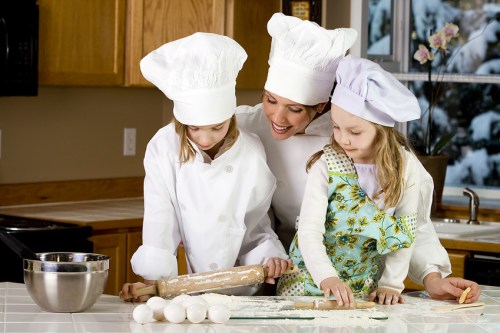
Sous vide chicken and sautéed sugar snap peas

Click the pic for our YouTube demonstration.

This is so low-carb that you can eat it in a ketogenic diet.

Ingredients:

2 boneless skinless chicken breasts, 8-9 oz each (225-255 g each) (raw weight)

2.5 tbsp (37 ml) extra virgin olive oil

few sprigs of fresh rosemary (optional)

2 cloves garlic, diced

lemon-pepper seasoning

Montreal Steak Seasoning to taste

garlic salt to taste

Morton sea salt (coarse)

black pepper to taste

9 oz (255 g) fresh sugar snap peas

Instructions:

Choose one of two seasonings: 1) Montreal Steak or 2)  Rosemary lemon-pepper.

Brush one side of the breasts with about 1/2 tbsp olive oil. For Rosemary-style chicken, sprinkle the breasts with lemon-pepper seasoning, sea salt, and pepper to taste. Garnish with rosemary sprigs.

For Montreal-style, that seasoning is all you need; it already contains salt and pepper. Rosemary sprigs are optional.

Then cook the breasts in a sous vide device (see video) at 142°F for two hours.

When that’s done, my wife likes to sear the breasts in a frying pan (with a little olive oil) over medium-high heat, 1–2 minutes on each side. The chicken is fully cooked after two hours in the sous vide device, but the searing may enhance the flavor and appearance. It’s optional.

When the chicken is close to being done, sauté the garlic in two oz of olive oil over medium high heat for a minute or two, then add the sugar snap peas and a little garlic salt and pepper to taste, and cook for two to four minutes, stirring frequently.

Number of servings: 2

AMD boxes: 1 veggie, 2 fat, 1 protein

Nutritional analysis per serving:

Calories: 500

Calorie breakdown: 42% fat, 8% carbohydrate, 50% protein

Carb grams: 10

Fiber grams: 4

Digestible carb grams: 6

Prominent nutrients: protein, B6, iron, niacin, pantothenic acid, phosphorus, selenium



4 Comments

Filed under ketogenic diet, Recipes

The Mediterranean Ketogenic Lifestyle – By Dr. Colin Champ

Colin Champ, M.D., published and article on his version of a Ketogenic Mediterranean Diet.

“The Study Participants – The Mediterannean Ketogenic Lifestyle

Regardless, the study was a massive success, as it allowed 40 overweight individuals with an average BMI of 37 to switch from their diabetes-provoking diet containing over 50% carbohydrates for 12 weeks. Ketosis was apparently confirmed via ketone strips in the morning. This concerns me, because if they were urine strips, after 2-3 weeks they would have been inaccurate. Once again, we must question whether it was a ketogenic diet or simply a very low-carbohydrate diet. Yet, the proof is it the pudding as the Spanish Ketogenic dieters experienced an average reduction in bodyweight from 240 to 208 lbs. Most importantly, there was a clear loss of fat over muscle. Blood pressure dropped, blood lipids improved, triglycerides divebombed as they were cut in half, blood sugar dropped by almost 20 mg/dl, and HDL cholesterol – a difficult number to budge – rose significantly. Take note, as expected, the largest reduction overall was the massive drop in triglycerides, which is especially important as elevated triglycerides are strongly associated with an increased risk of stroke, heart disease, and cancer.

Globally, all of these changes are desired. The question I pose, is can we take this a step further to encourage a full-blown Mediterranean Ketogenic Diet? I have been following what I consider a Mediterranean Ketogenic Diet for years by combining the cultural and social aspects of my Southern Italian heritage along with the scientific approach of the ketogenic diet. Sounds complicated? It’s not. In fact, it is so simple, that I have distilled it down to seven steps that are so simple, your great-grandfather likely followed most of them (mine certainly did).”

Source: The Mediterranean Ketogenic Lifestyle – Colin Champ

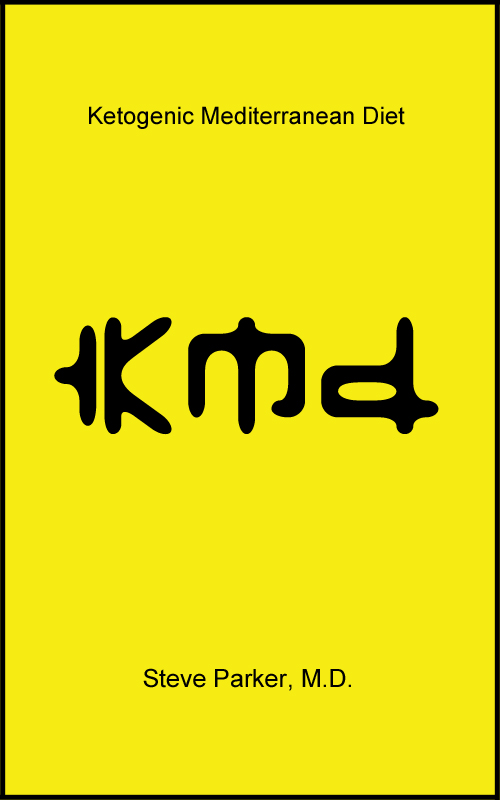
Compare with my version.

Odd cover, huh?


1 Comment

Filed under ketogenic diet, Shameless Self-Promotion

Obesity Paradox: Diabetes Seems to Forestall Death In the Overweight and Obese

The study was done in the U.K.

Highlights

•What is the association between BMI and mortality in people with and without diabetes mellitus?

•Compared to normal BMI, the risk of death was a 33% lower in overweight people with diabetes and 12% lower in those without.

•For obese class I, the risk was 35% lower in diabetes and 5% lower in non-diabetes.

•For obese class III, the risk was a 10% non-significantly lower in diabetes and 29% higher in non-diabetes.

•For the same level of obesity, mortality risk was higher in non-diabetes than in diabetes.

Source: Body mass index and mortality in people with and without diabetes: A UK Biobank study – Nutrition, Metabolism and Cardiovascular Diseases

Comments Off on Obesity Paradox: Diabetes Seems to Forestall Death In the Overweight and Obese

Filed under Diabetes Complications, Longevity

Insulin Pumps Decrease Quality of Life and Increase HgbA1c in CGM Users 

Technological advances aren’t always worth the cost…

“A new randomized study compared insulin pump therapy vs. an MDI [multiple daily injections] approach among current CGM [continuous glucose monitor] users. The results showed that insulin pump users had a higher A1c, decreased quality of life, and markedly higher medical expenses as compared to MDI patients.”

Source: Study: Insulin Pumps Decrease Quality of Life and Increase A1c in CGM Users – Diabetes Daily

Comments Off on Insulin Pumps Decrease Quality of Life and Increase HgbA1c in CGM Users 

Filed under Uncategorized

Skipping Breakfast May Increase Your Risk of Type 2 Diabetes

“In total 6 studies, based on 96,175 participants and 4935 cases, were included. The summary RR for type 2 diabetes comparing ever with never skipping breakfast was 1.33 (95% CI: 1.22, 1.46, n = 6 studies) without adjustment for BMI, and 1.22 (95% CI: 1.12, 1.34, n = 4 studies) after adjustment for BMI. Nonlinear dose-response meta-analysis indicated that risk of type 2 diabetes increased with every additional day of breakfast skipping, but the curve reached a plateau at 4–5 d/wk, showing an increased risk of 55% (summary RR: 1.55; 95% CI: 1.41, 1.71). No further increase in risk of type 2 diabetes was observed after 5 d of breakfast skipping/wk (P for nonlinearity = 0.08).

Conclusions

This meta-analysis provides evidence that breakfast skipping is associated with an increased risk of type 2 diabetes, and the association is partly mediated by BMI.”

Source: Breakfast Skipping Is Associated with Increased Risk of Type 2 Diabetes among Adults: A Systematic Review and Meta-Analysis of Prospective Cohort Studies | The Journal of Nutrition | Oxford Academic

Comments Off on Skipping Breakfast May Increase Your Risk of Type 2 Diabetes

Filed under Causes of Diabetes

Diabetes and Prediabetes Linked to Higher Heart Failure Risk

From NMCD:

Highlights

•A meta-analysis of 77 prospective studies was conducted.

•Diabetes was associated with a 2-fold increase in heart failure risk in the general population.

•Diabetes was associated with a 69% increase in heart failure risk in patient populations.

•Elevated blood glucose even in the pre-diabetic range also increased heart failure risk.

Source: Diabetes mellitus, blood glucose and the risk of heart failure: A systematic review and meta-analysis of prospective studies – Nutrition, Metabolism and Cardiovascular Diseases

3 Comments

Filed under Uncategorized

Reasons Why It Took SySy So Long to Transition to Very Low Carb Eating

From Sysy Morales at Diabetes Daily:

“My blood sugar levels have never been better than what they are now. This is primarily due to eating a very low-carb diet. It took me a long time to transition, and this post will outline the reasons why.

Over a decade ago I read Dr. Bernstein’s book called, Dr. Bernstein’s Diabetes Solution. When he explained what he calls the Laws of Small Numbers, which refers to how small amounts of carbohydrate are covered by small doses of insulin and this means that blood sugars are more easily managed within tight parameters. He also explained why keeping blood sugar levels within tight parameters is essential to avoid complications. This made sense immediately, and I responded by flinging the book across my bedroom at the wall.”

Source: Reasons Why It Took Me So Long to Transition to Very Low Carb

1 Comment

Filed under Uncategorized

Long-term Glycemic Control and Dementia Risk in Type 1 Diabetes 

“Among older patients with type 1 diabetes, those with majority exposure to HbA1c 8–8.9% and ≥9% had increased dementia risk, while those with majority exposure to HbA1c 6–6.9% and 7–7.9% had reduced risk. Currently recommended glycemic targets for older patients with type 1 diabetes are consistent with healthy brain aging.”

Source: Long-term Glycemic Control and Dementia Risk in Type 1 Diabetes | Diabetes Care

Comments Off on Long-term Glycemic Control and Dementia Risk in Type 1 Diabetes 

Filed under Uncategorized

Mediterranean Diet Improves Gestational Diabetes Outcomes

“Women with gestational diabetes who were on a Mediterranean diet for 3 months had improved glycemic levels, that were comparable to pregnant women with normal glucose levels, a new study from Madrid, Spain suggests.

The objective of the study was to assess whether Mediterranean diet-based medical nutrition therapy facilitates near-normoglycemia in women with gestational diabetes.

“Medical nutrition therapy based on a MedDiet enhanced with extra virgin olive oil and pistachios, thus with a high-fat content, is associated with glycemic control and with a reduction in gestational diabetes-related adverse perinatal outcomes,” Dr. Alfonso Calle-Pascual, one of the study authors told dLife.”

Source: Mediterranean Diet Linked to Improved Gestational Diabetes Outcomes, Study | dLife

Comments Off on Mediterranean Diet Improves Gestational Diabetes Outcomes

Filed under Uncategorized

Random Notes on Indian Cuisine

Chicken Kolhapur from Chennai Chettinaad Palace

From Madhur Jaffrey’s “An Invitation to Indian Cooking,” 1973 (43 years ago)

“Curry” is just a vague, inaccurate word which the world has picked up from the British, who, in turn, got it mistakenly from us.

“Us” being Indians.

If “curry” is an oversimplified name for an ancient cuisine, then “curry powder” attempts to oversimplify (and destroy) the cuisine itself.”

“Try to buy only whole spices and grind them yourself in small quantities.”

  • in coffee grinder
  • better flavor
  • whole spice that the grindings came from lasts longer
  • store in jar with tight lid away from light

“It is the preparation and combination of whole or freshly ground spices which makes Indian foods unique.”

Ghee: two types. See p. 9

Her recipes are adapted for American kitchens and stores. They focus on Delhi and adjacent sections of Uttar Pradesh.

Meat is usually goat. Fairly tough, so it is cooked slowly or tenderized.

80% of India is Hindu, who technically do not eat beef.

Cooking chicken? Usually remove skin first.

A tandoor is a clay oven with a live coal or wood fire.

Tandoori chicken is indeed popular in India.

“Indians never use olive oil,” but she does.

Fruits and veggies in India  (1973) were/are very seasonal. Not eaten out of season.

Coriander (Chinese parsley or cilantro) and green chilies are essential.

Many Indians don’t like or eat hot (spicy) foods.

Most Indians eat a lot of greens: spinach, mustard greens, fenugreek greens, white radish greens, gram (or chick pea) greens. Spinach is popular over all of India.

Potatoes are a staple in North India.

The average Indian (1973) eats 1/2 to 2/3 pound of rice/day [cooked weight, I guess]. Her recipes use Carolilna (a long-grain uncooked rice) or basmati. (I must re-read. Is Carolilna really Carolina?)

Dals = lentils or pulses = varieties of dried beans and peas.

  • daily in most Indian homes
  • always eaten with rice or bread

Various home-made pickles are popular. By no means only made with cucumbers. Even meat can be pickled.

Chutney p. 226-7.

Her childhood family had servants.

Indian breads are called roti.

  • chapati, paratha, porris, naan
  • naan is leavened
  • typically whole wheat flour
  • cooked on a cast iron griddle or clay oven (tandoor)

In India most meals end with fruit.


From “Beyond Curry Indian Cookbook” by Denise D’Silva Sankhé, 2016. Subtitle: A culinary journey through India.

She’s a columnist at Serious Eats (Beyond Curry).

Over 50 languages in India.

“Curry, to most Indians, is only one type of dish, a gravy or sauce-based one, which can have meat or vegetable in it. “In India, there is no one “curry powder.”

Again, many regional differences in flavors and foods.

Grind your own spices. Store them dark and dry, in steel or glass airtight, in fridge maybe.

A masala is just a blend of spices; quite variable.

Nutmeg is poisonous, but use it anyway.

Dal designates more than lentils. Dals  are a staple, served at least a few times/week. Dal-chawal is a simple dish of lentils and rice, and perhaps the most comforting of foods to Indians.

“Indian food is traditionally eaten  by hand.” The right hand. The left is unclean.

“Mise en place” p. 35.

Some religions forbid alliums (e.g., onions and garlic) and root veggies. Substitute asefetida for the alliums.

Desserts and sweet treat are common, especially in religious and other festivals and celebrations.

Shop for pantry essentials and spices at specialty stores: Indian, Asian, Middle Eastern.

Buy spice in small quantities. They don’t store well for long.

Green chilis (sic): lighter-colored, longer ones are less spicy. Shorter, dark green ones are very hot. Thai and serrano chiles (sic) are fine substitutes.

When her recipes call for onion, she means red onion (can substitute white ones).


Testimonials

Search DietDoctor and you will find. Also http://indialchf.com


From Today’s Dietitian magazine:

August 2014 Issue

Indian Cuisine — Foods That Hold a Special Place in Plant-Based Food Traditions
By Sharon Palmer, RDN
Today’s Dietitian
Vol. 16 No. 8 P. 17

[Ed.: copy/pasted with a few paragraphs deleted. Click the link above for some recipes.]

Gita Patel, MS, RDN, CDE, LD, CLT, author of Blending Science With Spices, explains that Indian culture leans toward vegetarianism due to Hinduism, which hosts a central theme of nonviolence, including animals. “A profound respect for all life is a common Hindu belief that supports vegetarian eating styles,” adds Vandana Sheth, RDN, CDE, a spokesperson for the Academy of Nutrition and Dietetics.

However, British colonial influences and Western food trends, such as the emergence of fast-food restaurants, have brought more animal foods into India, Patel says. “With the globalization of the world and technology, some of the urban lifestyle changes have significantly affected traditional food practices in India,” Sheth adds, listing as evidence the increasing number of fast-food restaurants and premade foods replacing traditional meals in India.

Traditional Eating Patterns
“A lot of people are drawn to Indian cuisine. People like the flavors, herbs, and spices,” Patel says, noting that home cooking is vastly different from what you’re likely to sample in an Indian restaurant.

“The traditional eating pattern is very balanced,” Patel says. She describes typical meals consisting of dal (a legume dish), rice, roti (bread), vegetable, salad, fruit, and a yogurt or buttermilk drink, which may vary slightly depending on the region.

Indeed, there’s scientific consensus that a disease-protective diet is based on a variety of whole plant foods, which sums up the traditional Indian eating pattern. “The traditional Indian vegetarian diet is one that’s rich in a wide variety of grains, beans, lentils, vegetables, fruits, nuts, seeds, spices, and herbs. Research has found that vegetarians have a lower risk of heart disease and some types of cancer,” Sheth says. The National Cancer Institute reports that cancer rates are lower in India than in Western countries, and that diet characteristics such as a high intake of fruits, vegetables, spices, and tea may be responsible for protecting Indians against certain forms of cancer.2

Key Components
While the specific dishes may vary according to different regions of India, the key ingredients basically are the same and include the following:

• Vegetables: “Vegetables are grown all over the country due to the climate,” Patel says, adding that many vegetables are unique to India, such as specific types of gourds, radishes, beans, and greens. However, other dishes are based on more familiar vegetables, such as beets, Brussels sprouts, cabbage, carrots, cauliflower, celery, cucumber, corn, eggplant, green beans, various greens, okra, onions, peas, peppers, potatoes, radishes, spinach, squash, and tomatoes. In addition, fermented foods such as pickled vegetables are a regular feature in Indian cuisine.

• Grains: Rice and wheat are staples in India and used in flatbreads (eg, dosa, roti, chapati), doughs (eg, samosa, kachori), and side dishes (rice) to accompany meals.

• Legumes: Indian cuisine relies on the regular and flavorful use of legumes, such as black-eyed peas, chickpeas, lentils, and beans. In addition to dal, many legumes are sprouted or used as flour in breads.

• Fruits: Apples, apricots, bananas, figs, grapes, guavas, lychees, loquats, mangoes, oranges, papayas, passion fruit, and sweet limes are common fruits in India.

• Dairy: From milk and buttermilk to yogurt and paneer (fresh cheese), dairy products are regular features of the Indian diet. Patel reports that most Indian households receive fresh milk, which is then used for beverages and cooking. Households make their own ghee (clarified butter) from the milk fat, and leftover milk is made into fresh yogurt every day.

• Vegetable oils: Most oils used in traditional cooking are unrefined vegetable oils, such as peanut or sesame. However, Patel reports an increase in the use of refined oils, such as soybean oil, in modern cooking.

• Herbs and spices: At the heart of Indian food is a long list of culinary herbs and spices that have been used for centuries, many of which are proven to have antioxidant, anti-inflammatory, antimicrobial, and anticancer effects. Indian spices include amchur (made from mangoes), aniseed, asafetida (a pungent, onionlike flavor), bay leaf, black pepper, cardamom, chilies, cinnamon, cloves, coconut, coriander, cumin, dill, fennel, fenugreek, garam masala (a spice blend), garlic, ginger, mango powder, mint, mustard, nutmeg, onion seeds, parsley, pomegranate seeds, poppy seeds, saffron, sesame seeds, tamarind, and turmeric.

— Sharon Palmer, RDN, is a contributing editor to Today’s Dietitian and the author of The Plant-Powered Diet and Plant-Powered for Life.


2 Comments

Filed under India