Category Archives: Heart Disease

FDA Says Jardiance Can Claim Cardiovascular Death Prevention 

Jardiance is a diabetes drug in the class called SGLT2 inhibitors.

How do they work? Our kidneys filter glucose (sugar) out of our bloodstream, then reabsorb that glucose back into the bloodstream. SGLT2 inhibitors impair that reabsorption process, allowing some glucose to be excreted in our urine. You could call it a diuretic effect. For example, an SGLT 2 inhibitor called dapagliflozin, at a dose of 10 mg/day, causes the urinary loss of 70 grams of glucose daily.

How drugs like this could prevent cardiovascular disease in type 2 diabetics is a mystery to me.

From MPT:

“The diabetes drug empagliflozin (Jardiance) may be marketed for prevention of cardiovascular death in patients with type 2 diabetes and co-existing cardiovascular disease, the FDA said Friday.

It’s the first such claim ever allowed for a diabetes drug.

Empagliflozin, first approved in 2014, is an inhibitor of the sodium-glucose co-transporter 2 (SGLT2) pathway, reducing blood glucose by causing it to be excreted in urine.Its benefit for cardiovascular risk reduction was demonstrated in the so-called EMPA-REG trial, results of which were reported in 2015.”

Source: Jardiance Wins CV Prevention Indication | Medpage Today

Comments Off on FDA Says Jardiance Can Claim Cardiovascular Death Prevention 

Filed under Drugs for Diabetes, Heart Disease

From P.D. Mangan: Higher Altitude Means Much Lower Death Rates

Adult life is a battle against gravity. Eventually we all lose.

Adult life is a battle against gravity. Eventually we all lose.

I quote:

“Death rates from both of these cancers [breast in women, colon in men] were about half as high at an altitude of greater than 1000 meters (3300 feet).  The study also found about a 30% reduction in deaths from coronary artery disease at >1000 meters.

This accords well with a number of other studies. For example, “Lower Mortality From Coronary Heart Disease and Stroke at Higher Altitudes in Switzerland“. This study found 22% less heart disease death for every +1000 meters in altitude, and 12% less stroke death.

Association Between Alzheimer Dementia Mortality Rate and Altitude in California Counties“: This study found about half the death rate from Alzheimer’s at an altitude of 1600 meters vs that at sea level.

There’s less diabetes at high altitude.”

Source: Higher Altitude Means Much Lower Death Rates – Rogue Health and Fitness

Comments Off on From P.D. Mangan: Higher Altitude Means Much Lower Death Rates

Filed under cancer, Causes of Diabetes, Dementia, Heart Disease

New research: Mediterranean diet linked to reduced risk of cardiovascular disease and death

This tower is in Pisa, Italy

This tower is in Pisa, Italy

This won’t surprise you if you’ve been reading this blog for a while:

“Heart disease is the leading cause of death for both men and women in the United States, killing around 610,000 people annually. Heart attack affects around 735,000 Americans each year, while around 800,000 people are affected by stroke.

Adopting a healthy diet is considered key for reducing the risk of CVD, and numerous studies have suggested the Mediterranean diet fits the bill.

A study published in the European Heart Journal earlier this year, for example, found older adults who adhered to the Mediterranean diet were at lower risk of heart attack, stroke, and cardiovascular death than those who followed a Western diet.”

Source: Mediterranean diet linked to reduced risk of CVD – Medical News Today

Comments Off on New research: Mediterranean diet linked to reduced risk of cardiovascular disease and death

Filed under Health Benefits, Heart Disease, Longevity, Mediterranean Diet

Strength Training Cuts the Risk of Type 2 Diabetes and Cardiovascular Disease In Women

That's a dumbbell in her right hand. I work-out with those myself.

That’s a dumbbell in her right hand. I work-out with those myself.

I don’t have access to the full scientific report, but I’ve posted part of the abstract below.

The biggest problem with the study at hand is that physical activity apparently was surveyed only at the start of this 14-year study. Results would be much more robust if activity was surveyed every year or two. My overall activity level seems to change every two or three years. How about you?

Moving on.

“Compared to women who reported no strength training, women engaging in any strength training experienced a reduced rate of type 2 diabetes of 30% when controlling for time spent in other activities and other confounders. A risk reduction of 17% was observed for cardiovascular disease among women engaging in strength training. Participation in both strength training and aerobic activity was associated with additional risk reductions for both type 2 diabetes and cardiovascular disease compared to participation in aerobic activity only.

CONCLUSIONS: These data support the inclusion of muscle-strengthening exercises in physical activity regimens for reduced risk of type 2 diabetes and cardiovascular disease, independent of aerobic exercise. Further research is needed to determine the optimum dose and intensity of muscle-strengthening exercises.”

PMID 27580152

Source: Strength Training and the Risk of Type 2 Diabetes and Cardiovascular Disease. – PubMed – NCBI

Steve Parker, M.D.

PS: Cardiovascular disease includes heart attack, cardiac death, stroke, coronary angioplasty, and coronary artery bypass grafting.

Comments Off on Strength Training Cuts the Risk of Type 2 Diabetes and Cardiovascular Disease In Women

Filed under Causes of Diabetes, Exercise, Heart Disease, Stroke

Heresy!? Dietary Cholesterol Is Unrelated to Heart Disease Risk

…according to this article at American Journal of Clinical Nutrition.

This is quite contrary to the  party line spread by public health authorities for the last 40 years.

Enjoy your eggs! (If you can afford them.)

Steve Parker, M.D.

Even if you eat lots of eggs, most of your cholesterol is made by your liver. That's where statin drugs work.

Even if you eat lots of eggs, most of your cholesterol is made by your liver. That’s where statin drugs work.

4 Comments

Filed under Heart Disease

Sugar Industry Made Dietary Fat the Villain

See Larry Husten’s article for MedPageToday”

“Newly uncovered documents reveal that 50 years ago the sugar industry gave secret support to prominent Harvard researchers to write an influential series of articles in the New England Journal of Medicine that downplayed the negative effects of sugar.Instead, the articles shifted the blame from sugar to fat as the “dietary culprit” behind heart disease.

In recent years there has been growing awareness that decades of dietary policy demonized fat and ignored or played down the dangers of increased consumption of carbohydrates and sugars. Many believe this policy had a significant adverse effect on public health, contributing to the obesity and diabetes epidemics.”

Source: How Sweet: Sugar Industry Made Fat the Villain | Medpage Today

Remember that sugar doesn’t always refer to just table sugar. Starches -as in bread, potatoes, and peas – are easily and quickly broken down by the body into simple sugars.

1 Comment

Filed under coronary heart disease, Heart Disease, Sugar

Adverse Muscle Effects of Statin Drugs More Common If You Have Metabolic Syndrome

Your friendly neighborhood drug supplier

Your friendly neighborhood drug supplier

I bet many of my readers are taking statin drugs to lower their cholesterol levels. Drugs like Lipitor, Mevacor, Crestor, and Leschol.

Adverse muscle effects—aching, easy fatigue, and weakness—are relatively common in statin users. After stopping the offending drug, it may take several weeks or up to a month for the muscle effects to resolve.

A recent study found that metabolic syndrome patients are more likely to suffer bothersome muscle effects from statins, compared to the general population. Search this site for the five components of metabolic syndrome. For our purposes, only three components are linked to statin-related muscle effects: high triglycerides, low HDL-cholesterol, and excess body weight.

From the study at hand:

“Muscle symptoms, primarily pain or weakness, are reported commonly with statin use in clinical practice and may result in changes in, or discontinuation of, statin treatment.1 The high frequency of muscle symptoms with clinical use of statin was highlighted by the results from the Understanding Statin Use in America and Gaps in Education (USAGE) study, an Internet-based survey of 10,138 adult US subjects who had been prescribed statins.2 Fully 29% of study participants reported new or worsening muscle symptoms while taking a statin.”

Source: Metabolic syndrome is associated with muscle symptoms among statin users – Journal of Clinical Lipidology

Steve Parker, M.D.

1 Comment

Filed under Heart Disease

Should You Reduce Saturated Fat Consumption If You Have Heart Disease?

kkk

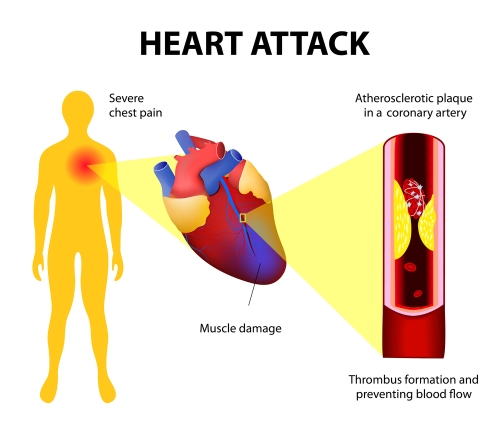
Most heart attacks occur in folks with pre-existing coronary artery disease that’s been present for years

For the bulk of my medical career, physicians thought that saturated fat caused heart disease, specifically coronary artery disease and heart attacks. Most doctors still think that. In 2009, I spent 80 hours reviewing the scientific literature supporting the saturated fat/heart disease connection. The evidence was very weak, if not nonexistent.

But what if you are already a heart disease patient? Would continuing saturated fat consumption have any effect on your longevity and risk of future heart attacks? If you already have coronary artery disease, Dr. Axel Sigurdsson says that ongoing saturated fat intake probably doesn’t matter, in terms of future cardiac events (like heart attacks) or risk of death from any cause.

Dr. Sigurdsson is a cardiologist in Iceland.

Some quotes from his blog:

For decades, cardiologists have advised patients with heart disease to restrict the intake of saturated fats and dietary cholesterol. Many patients still believe this to be the cornerstone of their lifestyle modification.

The main reason for avoiding saturated fats is the assumption that they adversely affect the lipid profile of our patients.

*   *   *

Recent studies suggest that the recommendation to avoid saturated fats may have been premature and not based on solid scientific evidence.

Now, a recently published Norwegian study shows that dietary intake of saturated fatty acids was not associated with risk of future events or death among patients with established coronary artery disease.

It is important to keep in mind that most of the patients were receiving secondary prevention drug therapy including aspirin, beta blockers and statins.

Anyhow, the results of the study certainly suggest that high intake of saturated fats is not a risk factor among patients with coronary heart disease receiving modern-day treatment.

These recent scientific data don’t imply that we should urge our patients to consume high amounts of saturated fats. They only tell us that there is no association and accordingly, restriction won’t help.

So, it’s certainly a lifeline for those who believe red meat, whole-fat milk, cheese, cream, butter and eggs can be a part of a healthy diet.

On the other hand we must realise that scientific studies often provide contradictory results. A US study published last year suggested that greater adherence to a low carbohydrate diet high in animal sources of fat and protein was associated with higher all-cause and cardiovascular mortality following acute heart attack.

It appears the jury is still out…

RTWT.

Steve Parker, M.D.

7 Comments

Filed under Fat in Diet, Heart Disease

New Study Suggests Low-Carb Diet Healthier Than Low-Fat in T2 Diabetes

This is an important report because most diet studies last much less than one year. Details are in the American Journal of Clinical Nutrition.

Study participants were 115 obese (BMI 35) type 2 diabetics with hemoglobin A1c averaging 7.3%. Average age was 58. So pretty typical patients, although perhaps better controlled than average.

They were randomized to follow for 52 weeks either a very low-carbohydrate or a high-carbohydrate “low-fat” diet. Both diets were designed to by hypocaloric, meaning that they provided fewer calories than the patients were eating at baseline, presumably with a goal of weight loss. The article abstract implies the diets overall each provided the same number of calories. They probably adjusted the calories for each patient individually. (I haven’t seen the full text of the article.) Participants were also enrolled in a serious exercise program: 60 minutes of aerobic and resistance training thrice weekly.

Kayaking is an aerobic exercise if done seriously

Kayaking is an aerobic exercise if done seriously

The very low-carb diet (LC diet) provided 14% of total calories as carbohydrate (under 50 grams/day). The high-carb diet (HC diet) provided 53% of total calories as carbohydrate and 30% of calories as fat. The typical Western diet has about 35% of calories from fat.

Both groups lost weight, about 10 kg (22 lb) on average. Hemoglobin A1c, a reflection of glucose control over the previous three months, dropped about 1% (absolute reduction) in both groups.

Compared to the HC diet group, the LC dieters were able to reduce more diabetes medications, lower their triglycerides more, and increase their HDL cholesterol (“good cholesterol”). These triglyceride and HDL changes would tend to protect against heart disease.

SO WHAT?

You can lose weight and improve blood sugar control with reduced-calorie diets—whether very low-carb or high-carb—combined with an exercise program. No surprise there.

I’m surprised that the low-carb group didn’t lose more weight. I suspect after two months of dieting, the low-carbers started drifting back to their usual diet which likely was similar to the high-carb diet. Numerous studies show superior weight loss with low-carb eating, but those studies are usually 12 weeks or less in duration.

The low-carb diet improved improved lipid levels that might reduce risk of future heart disease, and allowed reduction of diabetes drug use. Given that we don’t know the long-term side effects of many of our drugs, that’s good.

If I have a chance to review the full text of the paper, I’ll report back here.

Steve Parker, M.D.

Reference: Jeannie Tay, et al. Comparison of low- and high-carbohydrate diets for type 2 diabetes management: a randomized trial. First published July 29, 2015, doi: 10.3945/​ajcn.115.112581    Am J Clin Nutr

3 Comments

Filed under Carbohydrate, Heart Disease, Weight Loss

Book Review: The South Asian Health Solution

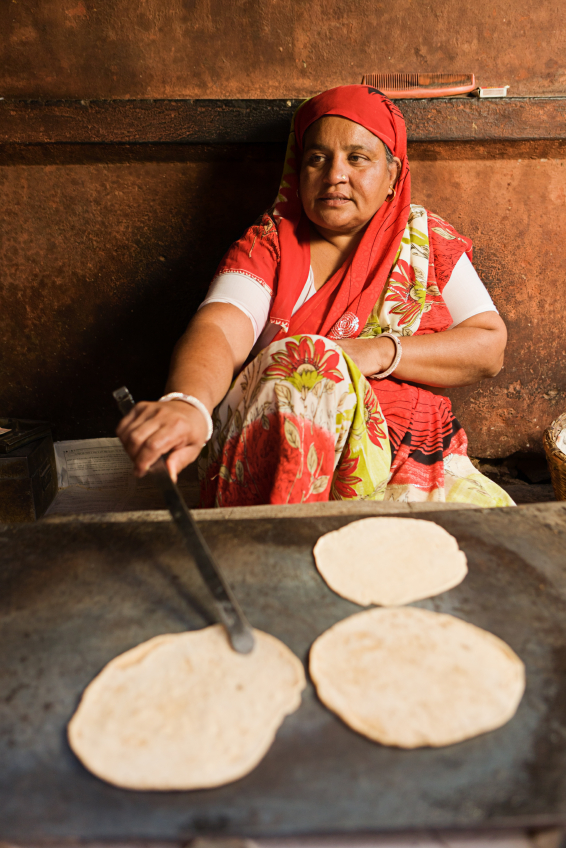
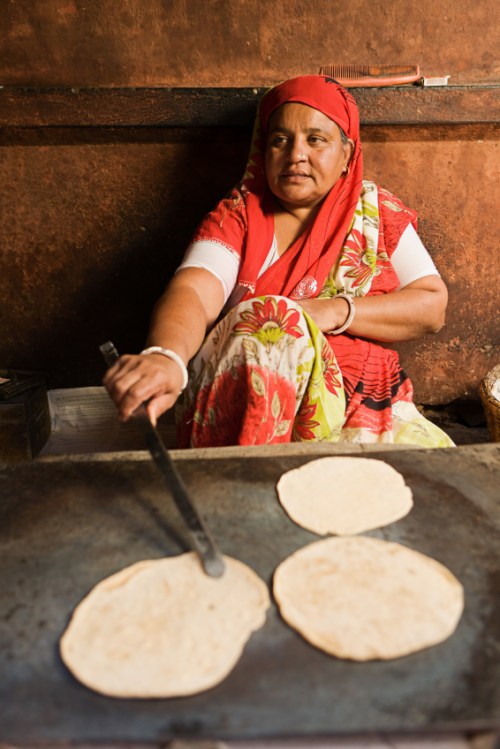
Indian woman cooking chapati

Indian woman cooking chapati

Here’s my review of The South Asian Health Solution: A culturally tailored guide to lose fat, increase energy, avoid disease by Ronesh Sinha, published in 2014.

♦   ♦   ♦

Dr. Sinha practices internal medicine in northern California (Silicon Valley) and has a large dose of South Asians in his clinic. “South Asia” usually encompasses India, Pakistan, Nepal, Bangladesh, Bhutan, Sri Lanka and Maldives. It is home to one fifth of the world’s population. This book pertains mostly to Indians, which is Dr. Sinha’s ethnicity. I live in the Pheonix, AZ, area and we have a fair number of Indian engineers and physicians.

WHY DO SOUTH ASIANS NEED THEIR OWN SPECIAL HEALTH GUIDE?

Because Dr. Sinha says they have unique genetic and cultural issues that predispose them to type 2 diabetes, abdominal obesity, coronary artery disease, high blood pressure, and adverse cholesterol numbers. For example, compared to natives who stay in their home countries, South Asian immigrants to the West have 3–4 times higher prevalence of diabetes, he says. Dr Sinha has a program that he’s convinced will prevent or forestall these medical problems in South Asians.

Dr. Sinha says South Asians eat too many carbohydrates and are too sedentary. Especially those who have moved to the West (e.g., US, UK, Europe, Canada). He notes that the core of the typical South Asian diet is flat breads, lentils, rice, fried crispy snacks (with heart-poisoning trans fats), culminating in 150–200 daily grams of carbohydrate more than he sees in other ethnics in California. Western fast foods, sodas, and sweets compound the problem.

He says “most South Asians are skinny-fat,” meaning skinny legs and arms but with a fat belly from visceral fat. This is also called sarcopenic obesity. The usual “healthy” body mass index (BMI) numbers don’t apply to Asians. The World Health Organisation classifies Asians as underweight if BMI is 18.4 or less, healthy at BMI of 18.5 to 13, overweight at BMI 23.1 to 25, and obese if BMi is over 25. These numbers are lower than those used for non-Asian populations.

Another issue in his South Asian patient population is vitamin D deficiency related to their dark skin (hence, less vitamin D production) and too much time indoors. He says vitamin D deficiency promotes inflammation and insulin resistance. More on this below.

Some South Asians have a K121Q gene mutation that causes insulin resistance, which in turn can cause disease. And whether it’s genetic or not (but I think it is), he says South Asians tend to have higher Lp(a) [aka lipoprotein(a)], which causes early and aggressive coronary artery disease. They also tend to have small dense LDL, leading to a lower-than-expected total cholesterol level which may be deceptively low.

Sinha notes a strong vegetarian preference in Indians but spends almost no time discussing it. From the book, I can’t tell if Indian vegetarians are lacto-ovo-vegetarians, pescetarians, or vegans. The author is not a vegetarian.

Gadi Sagar temple on Gadisar Lake, Jaisalmer, Rajasthan, India

Gadi Sagar temple on Gadisar Lake, Jaisalmer, Rajasthan, India


SINHA’S GRAND UNIFICATION THEORY OF DISEASE CAUSATION

So, South Asians, at least in the West, have a high-carb diet, are too sedentary, and have genetic tendencies to heart disease and diabetes. How do these factors cause disease? It’s all tied together with insulin resistance. Insulin is the main hormone that keeps our blood sugar from rising too high after we digest a meal. Insulin drives blood sugar into our body cells to be used as energy or stored as fat or glycogen. If our tissues have insulin resistance, blood sugar levels rise. As a compensatory effort, our pancreas excretes more insulin in to the blood stream than would normally be the case. Whether or not that eventually lowers blood sugar levels, the higher insulin levels themselves can cause toxicity. For example, higher insulin levels raise blood pressure, which damages the cells lining the insides of our arteries, leading to chronic inflammation and atherosclerosis (hardening of the arteries). Some of the arterial damage is mediated through small dense LDL cholesterols (aka type B LDL), which is promoted by high insulin levels (hyperinsulinemia). Insulin resistance also results in a defective and overactive immune system, which further promotes chronic inflammation. This inflammation is “…the root cause of almost every imaginable chronic disease…from heart attacks and strokes to Alzheimers Disease.”

Anyway, this is Dr. Sinha’s hypothesis, and there is some scientific evidence to support it. Sinha says that the concept of insulin resistance “weaves together virtually every chronic ailment currently afflicting South Asians.” That may be a bit hyperbolic: He carves out no exceptions for arthritis, asthma, eczema, migraines, glaucoma, macular degeneration, hearing loss, erectile dysfunction, hepatitis C, prostate enlargement, toenail fungus, or male-pattern baldness.

Dr. Sinha’s Grand Unification Theory of Disease Causation has some support among physicians and scientists, but is by no means universally accepted among them. As for myself, I think he’s over-simplifying (for his readership’s sake?) and getting a bit ahead of the science.

Most clinicians aren’t testing directly for insulin resistance. What are the indirect clues? Belly fat, low HDL cholesterol, high trigylcerides, high blood pressure, prediabetes, and type 2 diabetes. These are components of the metabolic syndrome. Not everybody with one or more of these factors has insulin resistance but many do.

WHAT’S HIS PROGRAM?

If Sinha is correct, the South Asian Health Solution is a “low-insulin lifestyle” achieved through carbohydrate-reduced eating, exercise, and avoidance or resolution of belly fat. These help improve all components of the aforementioned metabolic syndrome. The backbone of the plan is carbohydrate restriction. For low-carb eating, avoid wheat bread and Indian flat breads (e.g., chapatis, naans, parathas, puris, phulkas), aloo (primarily potatoes and starchy vegetables), rice and other grains, beans, and sugar. Keep track of your net carbohydrates (he likes FitnessPal.com, which includes South Asian foods).

If you need to burn off body fat, limit carbs to 50–100 grams/day (digestible or net carbs, I assume). Aim for 100–150 grams/day to maintain health and weight loss.

You might be able to add “safe starches” later: white rice, potatoes. To replace your Indian flat breads, learn how to make them with substitutes for wheat flour: coconut flour or almond flour (no skins) or almond meal (skin included). Recipe on page 347. Rice alternatives are cauliflower “rice,” shredded cabbage, broccoli slaw, chopped broccoli, and chopped carrots.

He likes ghee, extra virgin olive oil, coconut oil, and butter. Avoid high omega-6 fatty acid consumption, as in vegetable oils. Of course, avoid trans fats. Good fats are saturated, monousaturated, and omega-3s.

He provides a few low-carb recipes, surprisingly without specific carb counts: chapatis, microwave bread, cauliflower pizza, coconut cauliflower rice, shredded cabbage sabji, gajar halwa (carrot pudding), and coconut ladoo.

Dr. Sinha doesn’t provide a comprehensive meal plan. He trusts his California South Asians to figure out how and what to eat. They’re smarter than average (he never says that, but that’s been my experience with South Asians in my world).

Dr. Sinha is also a huge proponent of exercise. He’ll tell you about squats, lunges, planks, burpees, yoga, and Tabata intervals. He agrees with me and Franziska Spritzler that “physical activity is the most effective fountain of youth available.”

Steve Parker, M.D., Conquer Diabetes and Prediabetes

Taking a rest from the fountain of youth


I skipped some of the chapters due to lack of time and interest: women’s issues (e.g., pregnancy, polycystic ovary syndrome, post-partum depression, osteoporosis), childhood, fatigue and stress management, and anti-aging.

MISCELLANEOUS TIDBITS

  • He likes high-sensitivity CRP testing.
  • His metabolic goals for South Asians are: 1) keep waist circumference under 35 inches (90 cm) in men, under 31 inches (80 cm) in women, 2) keep triglycerides under 100 mg/dl (1.13 mmol/l), 3) keep HDL cholesterol over 40 mg/dl (1.03 mmol/l) for men, and above 50 mg/dl (1.29 mmol/l) for women, 4) keep systolic blood pressure 120 or less, and diastolic pressure 80 or less, 5) keep fasting blood sugar under 100 mg/dl (5.6 mmol/l) and hemoglobin A1c under 5.7%, and 6) keep hs-CRP under 1.0 mg/dl.
  • He says HDL cholesterol helps reduce insulin resistance via apoprotein A-1 (apo A-1), which increases glucose uptake by cells.
  • He likes to follow the triglyceride/HDL ratio. If under 3, it means low risk of insulin resistance being present.
  • He likes to follow total cholesterol/HDL cholesterol ratio: ideal is under 3.5.
  • Statins are way over-used.
  • Ignore total cholesterol level by itself.
  • Stress control and sleep are important.
  • The author had some metabolic syndrome components: high triglycerides, low HDL cholesterol, and type B LDL (small, dense particles).
  • He dislikes the usual-recommended low-fat, low-cholesterol diet.
  • 4 tbsp (60 ml) of extra virgin olive oil daily seems to lower blood pressure.
  • Magnesium supplementation may lower blood pressure.
  • The liver stores about 100 grams of glycogen and muscles store 300–500 grams.
  • Vanaspati is a “cheap ghee substitute” made from vegetable oil and widely used in Indian restaurants and many Indian processed foods. Avoid it since it’s a source of trans fats.
  • Aloo sabji is a potato dish.
  • Traditional Indian herbs/spices include turmeric, cardamon, ginger, and cilantro.
  • Find an Indian medication guide at http://www.medguideindia.com/show_brand.php.
  • Coconut milk is a traditional fat in India.
  • Curry, curry, curry.
  • http://www.pamforg/southasian.
  • http://southasiahealthsolutions.org.
  • Non-alcoholic steatohepatitis (NASH) is quite common in South Asians, seemingly linked to visceral (abdominal) obesity and insulin resistance related to carbohydrates.
  • The book has no specific focus on diabetes.

THUMBS UP OR DOWN?

Overall, I like many of Dr. Sinha’s ideas. They seem to be supported by his experience with his own patients. I trust him. I bet many South Asians and non-Asians eating the Standard American Diet would see improved health by following his low-carb, physically active program.

Steve Parker, M.D.

 

2 Comments

Filed under Book Reviews, coronary heart disease, Heart Disease, India, Overweight and Obesity, Weight Loss