Category Archives: Heart Disease

A Modern History of the Diet-Heart Hypothesis

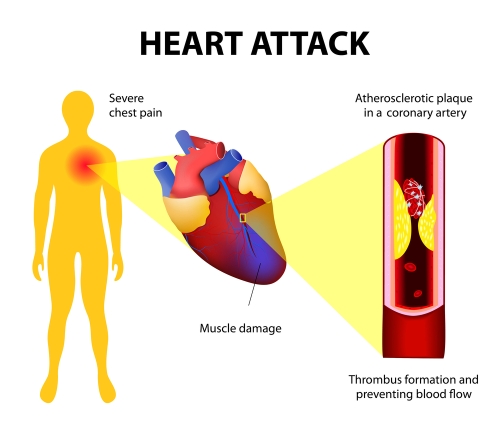
Heart attacks and chest pains are linked to blocked arteries in the heart

It was around 2009 when I was finally ready to abandon the time-honored diet-heart hypothesis. I remember wondering if I’d be excommunicated from the medical community, i.e., lose my medical license due to heresy. In a nutshell, the diet-heart hypothesis to which I refer was the idea that dietary saturated fat was the clear-cut cause of coronary artery disease and associated heart attacks, angina pectoris (reversible heart pains), and cardiac deaths. (Also strokes and peripheral arterial disease.)

My re-evaluation of the evidence lead me to create the world’s first ketogenic Mediterranean diet, which is included in the 2nd edition of my Advanced Mediterranean diet and Conquer Diabetes and Prediabetes. Search Amazon.com and you’ll find several other subsequent ketogenic Mediterranean diet books; I wonder if any of them cited my work.

Dr. Axel Sigurdsson recently wrote an updated history of the diet-heart hypothesis, focusing on the downfall of the hypothesis and the role of George Mann, whom I’d swear I never heard of. An excerpt:

Ancel Keys changed the world. He was right about many things—that lifestyle matters, that food affects disease, that public health can’t afford to wait forever. But in boiling heart disease down to a single nutrient, he oversimplified a complex truth. His hypothesis became policy before it was fully proven. And once policy hardens, it resists correction.

George Mann was no savior. His critiques were often bombastic, his tone combative. But beneath the fire was a warning science should have heeded: that premature consensus can blind, that evidence must lead—not politics, not personalities, not the noise of institutional momentum.

I recommend the entire article to you. I suspect AI (artificial intelligence) was utilized, mainly judging from the three pictures. Dr. Sigurdsson has been publishing some great articles recently, and I believe credited AI in some of them, which is OK by me.

Steve Parker, M.D.
Leave a comment

Filed under coronary heart disease, Heart Disease, Longevity, Stroke

Impact of Artificial Sweeteners on Lifespan: New Findings

I enjoy an aspartame-flavored Fresca now and then

A July 2024 article in the July 31, 2024, Nutrition Journal suggests that artificially sweetened beverage consumption may cause increased risk of death, particularly from cardiovascular disease. Yet the researchers say that if one substitutes sugary beverages with artificially sweetened beverages, it lowers risk of all-cause mortality and cardiovascular disease mortality. This is a round about way to say that, as far as sweet drinks go, avoiding both sugary and artificially sweetened drinks may help you live longer.

From the abstract:

Our systematic review and meta-analysis demonstrated a higher consumption of artificially sweetened beverages in relation to higher risks of all-cause and cardiovascular mortality, whereas no relationship of artificially sweetened beverages with cancer mortality was observed. Compared with the participants in the lowest category of artificially sweetened beverage intakes, those in the highest category had a 13% higher risk of premature death from any cause, and a 26% higher risk of CVD (cardiovascular disease) mortality. Each one additional serving increase in artificially sweetened beverage consumption was associated with 6% and 7% higher risk for all-cause and CVD mortality, respectively. In a dose-response meta-analysis, we also observed a linear association of artificially sweetened beverage consumption with CVD mortality, with a non-linear positive association of artificially sweetened beverages with all-cause mortality. Despite this, substitution of sugary sweetened beverages with artificially sweetened beverages was associated with a lower risk of all-cause and CVD mortality. Various sensitivity analyses and subgroups analyses demonstrated the robustness of the pooled associations. Per NutriGrade, quality of the overall evidence was scored moderate for CVD mortality and all-cause mortality.

Steve Parker, M.D.

Comments Off on Impact of Artificial Sweeteners on Lifespan: New Findings

Filed under coronary heart disease, Heart Disease, Longevity

Ketogenic Diets Reduce Risk of Death

Many physicians and dietitians have been hesitant to suggest ketogenic diets due to 1) possible increased risk of cardiovascular disease, and 2) unknown effects on overall mortality.

But a study published at Scientific Reports in October 2024 suggests that ketogenic diets reduce overall mortality by 24% with no effect on cardiovascular-related deaths. Click the link to see the full report. I haven’t read it yet. Don’t ask me what “restricted cubic spline function” means!

Steve Parker, M.D.

h/t The Low Carb Diabetic

Comments Off on Ketogenic Diets Reduce Risk of Death

Filed under coronary heart disease, Heart Disease, ketogenic diet, Longevity, Stroke

If You’re Planning on Ketogenic Diet to Control Blood Pressure: Fuggetaboutit

Not bad

From an April, 2024, Nutrition, Metabolism & Cardiovascular Diseases issue:

Abstract

Aims

Cardiovascular diseases (CVDs) are major causes of mortality around the world. High blood pressure (BP) or hypertension is one of the most significant predisposing factors to CVDs. Ketogenic diets (KDs) have been the center of attention for their possible health benefits. The aim of this analysis is to study the impact of KDs on BP through the existing literature.

Data synthesis

We investigated the impact of KDs on systolic and diastolic blood pressures (SBP and DBP) conducted in the format of randomized controlled trials (RCTs). Four online databases (PubMed/Medline, SCOPUS, Cochrane Library, and Google Scholar) were searched from inception up to November 2022. Subgroup analyses were carried out to find the sources of heterogeneities.

Twenty-three RCTs with 1664 participants were identified. KDs did not exert any significant impacts on SBP (WMD: −0.87 mmHg, 95% CI: −2.05, 0.31) nor DBP (WMD: −0.11 mmHg, 95% CI -1.14, 0.93). Subgroup analyses did not reveal any further information. Also, non-linear dose-response analysis could not detect any associations between the percentage of calorie intake from fat in the KD format and BP levels.

Conclusion

KDs do not seem to be effective in improving BP. Nonetheless, further investigations are recommended to examine the proportion of fat intake needed to induce favorable clinical impacts.


Steve Parker, M.D.

Comments Off on If You’re Planning on Ketogenic Diet to Control Blood Pressure: Fuggetaboutit

Filed under Heart Disease

Does a Ketogenic Diet Prevent Cardiovascular Disease?

In July, 2023, the journal Nutrients published a review of literature on the effect of ketogenic diets on cardiovascular disease. The abstract mentions potentially beneficial changes blood lipids, inflammation, blood pressure, etc., without going where the rubber meets the road: the effect on mortality and incidence of cardiovascular events in live humans. Click the link to see the entire article.

The Abstract:

“The most common and increasing causes of death worldwide are cardiovascular diseases (CVD). Taking into account the fact that diet is a key factor, it is worth exploring this aspect of CVD prevention and therapy. The aim of this article is to assess the potential of the ketogenic diet in the prevention and treatment of CVD. The article is a comprehensive, meticulous analysis of the literature in this area, taking into account the most recent studies currently available. The ketogenic diet has been shown to have a multifaceted effect on the prevention and treatment of CVD. Among other aspects, it has a beneficial effect on the blood lipid profile, even compared to other diets. It shows strong anti-inflammatory and cardioprotective potential, which is due, among other factors, to the anti-inflammatory properties of the state of ketosis, the elimination of simple sugars, the restriction of total carbohydrates and the supply of omega-3 fatty acids. In addition, ketone bodies provide “rescue fuel” for the diseased heart by affecting its metabolism. They also have a beneficial effect on the function of the vascular endothelium, including improving its function and inhibiting premature ageing. The ketogenic diet has a beneficial effect on blood pressure and other CVD risk factors through, among other aspects, weight loss. The evidence cited is often superior to that for standard diets, making it likely that the ketogenic diet shows advantages over other dietary models in the prevention and treatment of cardiovascular diseases. There is a legitimate need for further research in this area.”


Steve Parker, M.D.

Comments Off on Does a Ketogenic Diet Prevent Cardiovascular Disease?

Filed under coronary heart disease, Heart Disease, Stroke

I Was Right! Mediterranean Diet Prevents Cardiovascular Disease

Branzino, aka European Bass, live in Mediterranean waters

Yet another epidemiologic study supports the contention that the Mediterranean diet reduces cardiovascular disease. The higher the adherence to the Medi diet, the less cardiovascular disease over the next 20 years. I scanned the report down to the Discussion section and, surprisingly, didn’t catch their definition of cardiovascular disease. It usually refers to heart attacks, strokes, angina, congestive heart failure, and hypertension. Some would include aneurysms. The study at hand was done in Greece. You can read the whole thing.

Abstract

Background and aims

Only few studies have assessed longitudinal dietary trends in relation to cardiovascular disease (CVD) risk. We aimed to evaluate the association between adherence to the Mediterranean diet, both baseline and longitudinal, and 20-year CVD incidence.

Methods and results

This was a prospective study among 1988 Greek adults (50% men, age: 45 ± 14years). Adherence to the Mediterranean diet was evaluated at baseline and 10 years through the MedDietScore, based on which longitudinal Mediterranean diet trajectories were identified. CVD incidence was recorded at 20 years. Each one-unit increase in baseline MedDietScore was associated with an 8% reduction in 20-year CVD incidence. Compared to subjects in the lowest tertile of baseline MedDietScore, those in the highest exhibited a 44% lower 20-year CVD risk (relative risk: 0.56, 95% confidence interval: 0.32, 0.97) adjusted for age, sex, baseline body mass index, smoking, physical activity, presence of hypercholesterolemia, hypertension and diabetes mellitus, and family history of CVD; further adjustment for high-sensitivity C-reactive protein, uric acid and estimated glomerular filtration rate attenuated this association. Results were similar in models adjusted for longitudinal changes in body weight, physical activity and smoking, and 10-year medical status. Mediterranean diet trajectory analysis revealed that 24.7%, 8.6%, 45.8% and 20.9% of participants longitudinally sustained a low adherence, moved closer, moved away or sustained a high adherence, respectively; among those, the corresponding CVD incidence was 63.3%, 65.5%, 28.1% and 9.4% (p-value<0.001).

Conclusion

The Mediterranean diet offers long-term protection against CVD, part of which is mediated by inflammation, uricemia and renal function.


Steve Parker, M.D.

PS: The study is in Nutrition, Metabolism & Cardiovascular Disease: “Mediterranean diet trajectories and 20-year incidence of cardiovascular disease: The ATTICA cohort study (2002–2022),” published in January 2024.

Comments Off on I Was Right! Mediterranean Diet Prevents Cardiovascular Disease

Filed under coronary heart disease, Health Benefits, Heart Disease, Stroke

Congestive Heart Failure: Excessive Sodium Restriction is Dangerous

From DailyMail:

Salt has long been seen as enemy number one for people with heart problems, with doctors telling patients to cut down on the amount of sodium they consume.

But new research suggests that restricting salt too much may actually raise the risk of an early death in heart failure patients.

Their work builds upon a growing body of research that posits the benefits of cutting out salt to this subset of patients may be overblown. 

And the findings could mean a more exciting diet for the more than six million Americans with heart failure.


Compared to those CHF patients consuming over 2.5 grams of sodium daily, those eating below that limit were 80% more likely to die during the observation period. The Daily Mail article shares the sodium content of some common foods and will convince you that keeping sodium under 3 grams/day requires meticulous attention. If you have CHF, consult your personal physician before making significant dietary changes.

Steve Parker, M.D.

Comments Off on Congestive Heart Failure: Excessive Sodium Restriction is Dangerous

Filed under Heart Disease

Coffee Cuts Risk of Death and Cardiovascular Disease

A pinch of salt may cut the bitterness in a cup of coffee

From the European Journal of Preventive Cardiology:

Decaffeinated, ground, and instant coffee, particularly at 2–3 cups/day, were associated with significant reductions in incident cardiovascular disease and mortality. 

“Cardiovascular disease” includes coronary artery disease (e.g., heart attacks), heart failure, and ischemic strokes.

The study was done by Australian researchers using a UK database.

Steve Parker, M.D.

1 Comment

Filed under coronary heart disease, Heart Disease, Stroke

Stable Chest Pain: CT Angiography Versus Standard Angiography

Heart attacks and chest pains are linked to blocked arteries in the heart

We’re all gonna die of something.

The #1 cause of death in the U.S. is coronary artery disease (CAD), which causes heart attacks, sudden cardiac death, and some cases of congestive heart failure. Folks with diabetes have a higher-than-average risk of CAD. Blockage in the heart arteries typically develops over years and many people are walking around not knowing it’s there. The lucky ones develop warning signs like transient chest pain or shortness of breath on exertion. After consulting a physician, the next step may be a “stress test” or some sort or imaging of the arteries of the heart.

Angiography refers to imaging of arteries or veins. Angiography of the heart arteries is helpful in diagnosing blockage of arteries that may cause heart attacks or sudden cardiac death in the future.

CT stands for computerized tomography: x-rays obtain images that are then manipulated by computer technology to provide more information than plain x-ray technology alone. CT angiography of the heart arteries is done with iodinated contrast injected into the low-pressure venous system of circulation. In contrast, standard arterial angiography involves introduction of a needle (and catheter) into the high-pressure arterial system, usually the femoral artery in the groin or the smaller radial artery in the wrist. Standard arterial angiography is associated with a higher risk of complications such as leakage of blood from the artery. Another potential complication is embolization of arterial plaque or clots downstream from the arterial puncture. Because of the higher complication rate in the arterial system, standard angiography is considered “invasive.”

The study at hand asks which is a better way to image heart arteries in a patient with stable chest pain: CT versus standard arterial angiography. The article abstract doesn’t define “stable” chest pain. I assume the researchers did not include acute myocardial infarctions (heart attacks) and unstable angina.

European researchers concluded that:

Among patients referred for invasive coronary angiography (ICA) because of stable chest pain and intermediate pretest probability of coronary artery disease, the risk of major adverse cardiovascular events was similar in the CT group and the ICA group. The frequency of major procedure-related complications was lower with an initial CT strategy.

I bet the non-invasive CT is also less expensive than standard arterial angiography.

Steve Parker, M.D.

PS: You now what else help prevent heart attacks and cardiac death? The Mediterranean diet.

Comments Off on Stable Chest Pain: CT Angiography Versus Standard Angiography

Filed under coronary heart disease, Heart Disease

Which is Healthier: Low-Cal Mediterranean Diet Or High-Protein Non-Mediterranean

Judicious wine consumption is one component of the traditional healthy Mediterranean diet

Researchers compared three low-calorie diets and concluded that the Mediterranean option was the healthiest. The study at hand today is way too small to be considered anything but a pilot study. So results may not be replicable on a larger scale. I’d like to know how compliant study subjects were with the protocol, because 700 calories a day for six weeks is quite a challenge.

Link to article article

Comparison of short-term hypocaloric high-protein diets with a hypocaloric Mediterranean diet: Effect on body composition and health-related blood markers in overweight and sedentary young participants

Highlights

A hypocaloric Mediterranean diet provides all the necessary nutrients.

The hypocaloric Mediterranean diet reduces body mass and fat mass and maintains fat-free mass.

The hypocaloric Mediterranean diet is beneficial on metabolic and inflammation/muscle- damage indices.

Hypocaloric high-protein diets with and without whey supplementation reduce body mass and fat-free mass but not fat mass.

Hypocaloric high-protein diets with and without whey supplementation are adverse on metabolic and inflammation/muscle-damage indices

Abstract

Objectives

The aim of the present study was to compare the short-term effects of a hypocaloric Mediterranean diet and two high protein diets, with and without whey protein supplementation, on body composition, lipidemic profile, and inflammation and muscle-damage blood indices in overweight, sedentary, young participants.

Methods

Thirty-three young, overweight, male and female participants (mean ± SD age: 22.8 ± 4.8 y; body mass: 85.5 ± 10.2 kg; body fat percentage: 34.3% ± 8.1%) were randomly allocated to three different hypocaloric (−700 kcal/d) diets: a Mediterranean diet (MD; n = 10), a high-protein diet (HP; n = 10) diet, and a high-protein diet with whey supplementation (n = 10). The intervention lasted 6 wk. Body composition and biochemical indices were evaluated 1 wk before and after the nutritional interventions.

Results

Body and fat mass were decreased in the MD and HP groups (−3.5% ± 1.1% and −5.9% ± 4.2% for body and fat mass respectively in MD, and −1.7% ± 1.2% and −2.0% ± 1.8% for body and fat mass respectively in HP;P < 0.05), with no significant decline of fat-free mass observed in the MD group. The MD group’s diet beneficially altered the lipid profile (P < 0.05), but the HP and HPW groups’ diets did not induce significant changes. Subclinical inflammation and muscle-damage indices significantly increased in the HP and HPW groups (7.4% ± 3.5% and 66.6% ± 40.1% for neutrophils and CRP respectively in HP, and 14.3% ± 6.4% and 266.6% ± 55.1% for neutrophils and CRP respectively in HPW; P < 0.05) but decreased in the MD group (1.8% ± 1.2% and −33.3% ± 10.1% for neutrophils and CRP respectivelyc; P < 0.05). Energy intake of carbohydrates and proteins were significantly related to the changes in body composition and biochemical blood markers (r = −0.389 and −0.889; P < 0.05).

Conclusions

Among the three hypocaloric diets, only the Mediterranean diet induced positive changes in body composition and metabolic profile in overweight, sedentary individuals.


Steve Parker, M.D.

PS: I haven’t read the full report and don’t plan to any time soon.

Comments Off on Which is Healthier: Low-Cal Mediterranean Diet Or High-Protein Non-Mediterranean

Filed under Heart Disease, Weight Loss