
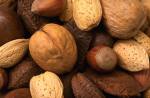
Nuts are a rich source of potassium
Transgressions: extra 0.5 oz sunflower seeds (above the 1 oz nut allowance)
Exercise: none
Comments
My nutrient analysis at NutritionData suggests that the un-supplemented Ketogenic Mediterranean Diet may be deficient in potassium. Here’s a summary of potassium physiology from UpToDate:
Potassium’s Role
Fluid and blood mineral balance. Cell integrity. Muscle contraction. Nerve transmission.
Dietary Sources
Very high in molasses, seaweed, dried figs. Nuts, dried fruits, avocado, wheat germ, spinach, bran cereals, tomatoes, potatoes, broccoli, cauliflower, beets, winter squash, oranges, bananas, kiwis, cantaloupe, and meats (ground beef, steak, pork, veal, lamb). Also salt substitutes (potassium chloride).
Centrum multivitamin/multimineral supplement has very little potassium.
Signs of Deficiency
Weakness, easy fatigue, paralysis, belly distension, loss of appetite, nausea, vomiting, muscle cramps, numbness or tingling, sore muscles, heart rhythm disturbances.
Implications
You have a several options if you have minor signs or symptoms suggesting potassium deficiency: 1) consult your physician for an accurate diagnosis, 2) have your physician draw a blood level of potassium , 3) increase your intake of potassium-rich foods (e.g., meats, avocados, spinach, cauliflower, broccoli) for a few days and note your response, 4) try a salt substitute (potentially dangerous if you have kidney disease or your blood potassium is already high and you don’t know it).
If you have physcal signs or symptoms to a moderate or severe degree, consult your personal physician.
Disclaimer: All matters regarding your health require supervision by a personal physician or other appropriate health professional familiar with your current health status. Always consult your personal physician before making any dietary or exercise changes.


 Diabetic Mediterranean Diet