Tag Archives: Drugs for Diabetes

Drug Review: Meglitinides (repaglinide and nateglinide)

Meglitinides—also called glinides—increase the output of insulin by the pancreas beta cells into the bloodstream.  In that respect they are similar to sulfonylurea drugs, so the two classes are sometimes lumped together as insulin secretagogues.  If the pancreas produces no insulin at all—as in most cases of type 1 diabetes—these drugs won’t work. 

Two meglitinides are available in the U.S.: repaglinide is sold as Prandin, and nateglinide is Starlix. 

Meglitinides have about the same effectiveness as sulfonylureas, but are considerably more expensive.  Repaglinide and nateglinide  increase the pancreas’ output of insulin, working faster than sulfonylureas.  They don’t last as long as sulfonylureas, which may help avoid hypoglycemia.  Glinides work mostly to reduce sugar levels after meals.   

We don’t know if these drugs affect death rates. 

Uses

May be used alone or in combination with certain other diabetic drugs.  Since they have the same mechanism of action, sulfonylureas and meglitinides would not normally be used together.  In combination therapy, you want to use drug classes that work by different mechanisms. 

Dosing

Starting dose for repaglinide is 0.5 mg by mouth before each meal.  Maximum dose is 4 mg before each meal.

Nateglinide: 120 mg by mouth immediately before each meal.

Side Effects

Hypoglycemia is the most common and potentially serious adverse effect of the meglitinides, but may be less common than with sulfonylureas.   

Weight gain is common. 

Precautions . . .

Nateglinide:  Use with great caution, if at all, in the setting of severe kidney disease and moderate to severe liver disease.

Repaglinide:  Use cautiously in severe kidney and liver disease.

Steve Parker, M.D.

Comments Off on Drug Review: Meglitinides (repaglinide and nateglinide)

Filed under Drugs for Diabetes

Drug Review: Insulin

I was going to do a brief review of insulin therapy here, but I found a good one at About.com.  So why re-invent the wheel?

If interested, click through to the article by Michael Bihari, M.D.: Insulin for type 2 diabetes: What you need to know.

Steve Parker, M.D.

Comments Off on Drug Review: Insulin

Filed under Drugs for Diabetes

Brief Drug Review: Pramlintide

Pramlintide is sold in the U.S. as Symlin.  It’s only used in patients already taking meal-time rapid-acting insulin.  Pramlintide may have a role in treatment of overweight type 2 diabetics inadequately controlled on insulin, or who experience weight gain refractory to diet and exercise.

Remember that drug names vary by country and manufacturer.  This is a brief review; consult your physician or pharmacist for details.

Class:  amylin analogue

How does it work?

Amylin is a hormone stored in pancreas beta cells and is secreted along with insulin.  It affects glucose levels by several mechanisms, including slowed stomach emptying, regulation of glucagon secretion after meals, and by reducing food intake.  Amylin and insulin levels rise and fall together,working jointly to control blood sugar levels.   Amylin is relatively deficient in many cases of type 2 diabetes.

Pramlintide is a chemical similar in structure to amylin, and causes similar effects.  It allows insulin therapy to more easily match the body’s needs in the after-meal period.  It also promotes modest weight loss in obese patients. 

Pramlintide therapy reduces hemoglobin A1c by 0.5 to 1% (absolute decrease, not relative).

We have no data on long-term outcomes with this drug.

Uses

Pramlintide is FDA-approved for use in both type 1 diabetes and insulin-requiring type 2 diabetes.  It can be used with metformin and/or sulfonylureas as long as insulin is also part of the regimen.  It’s probably best not to use it with exenatide and other GLP-1-based therapies.

Dosing

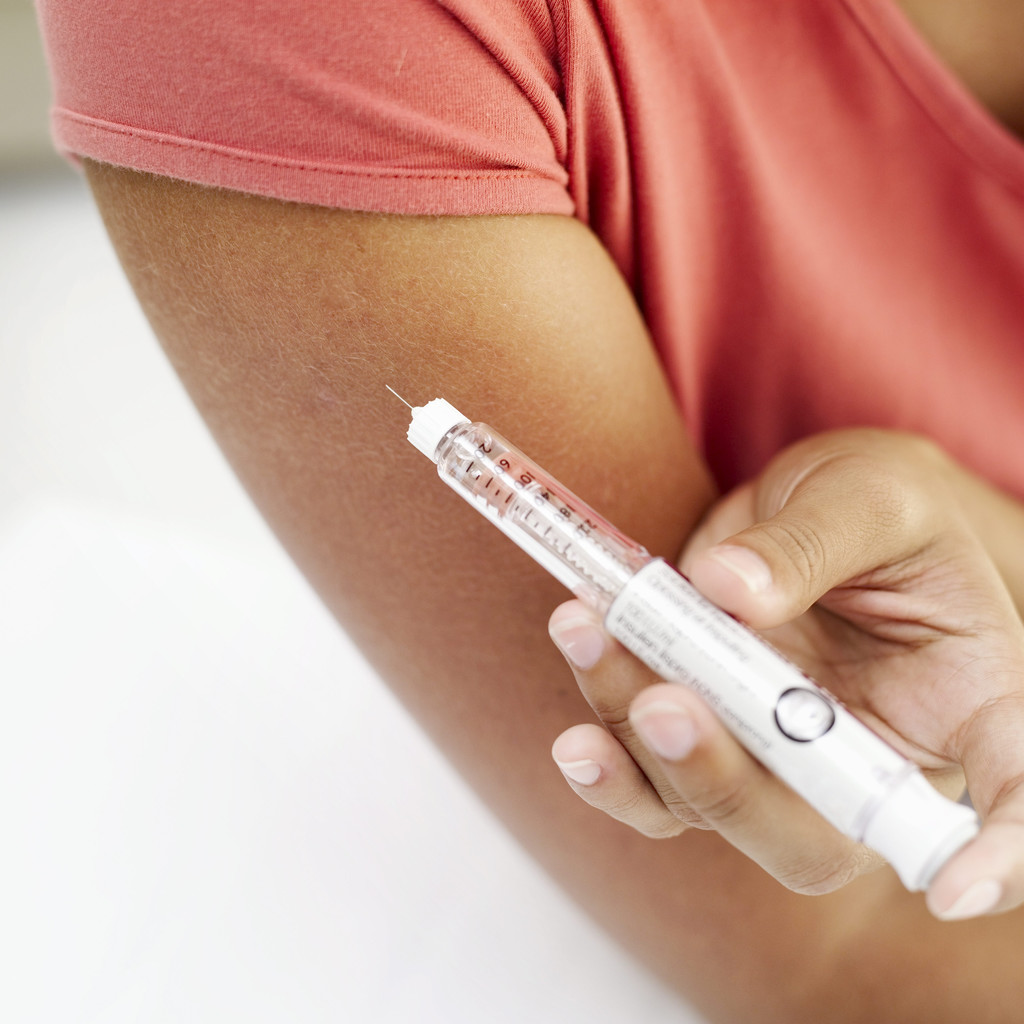
It’s injected subcutaneously just before meals, starting with 60 mcg in type 2 diabetics.  To avoid hypoglycemia at the start of treatment, the pre-meal rapid-acting injected insulin dose is usually reduced by half.  Pramlintide should only be administered before meals that contain at least 30 grams of carbohydrate or 250 calories.  The maximum dose is 120 mcg with each meal. 

Side effects

Nausea is the most common side effect but clears up in a few weeks.  Pramlintide by itself does not cause hypoglycemia, but since it is always used with injectable insulin, hypoglycemia may occur—usually within three hours.

Don’t use if you have . . .

. . . gastroparesis or hypoglycemia unawareness.

Steve Parker, M.D.

Comments Off on Brief Drug Review: Pramlintide

Filed under Drugs for Diabetes

Drug Review: Colesevelam

Colesevelam is used primarily to reduce elevated levels of LDL cholesterol.  It’s sold in the U.S. as WelChol.  Remember that drug names vary by country and manufacturer.  This is a brief review; consult your physician or pharmacist for details.

Class:  Bile acid sequestrant

How does it work?  Unclear

Uses

Colesevelam is FDA-approved for treatment of type 2 diabetes in conjunction with insulin or diabetic pills.

Dosing

Three tablets twice daily with meals, or six tablets once daily with a meal.

Side effects

Constipation in one of every 10 users.

Do not use if you have . . .

. . . serum triglycerides over 500 mg/dl, or have gastroparesis, other gastrointestinal motility disorders, risk factors for bowel obstruction, or recent major gastrointestinal procedures.

Steve Parker, M.D.

Comments Off on Drug Review: Colesevelam

Filed under Drugs for Diabetes

Drug Review: Dipeptidyl-Peptidase-4 Inhibitors (sitagliptin, saxagliptin, linagliptin, alogliptin)

The four dipeptidyl-peptidase-4 inhibitors available in the U.S. are sitagliptin (sold as Januvia), saxagliptin (Onglyza), linagliptin (Tradjenta), and alogliptin (Nesina). Vildagliptin is available in other countries.

Remember that drug names vary by country and manufacturer.  This is a brief drug review; consult your physician or pharmacist for details.

How do they work?

DPP-4 inhibitors decrease both fasting and after-meal blood sugar levels primarily by increasing insulin release from pancreas beta cells.  How they do it is complicated.

First off, you need to know that two gastrointestinal hormones levels—glucagon-like peptide-1 (GLP-1) and gastric inhibitory polypeptide—increase in response to a meal.  These hormones increase insulin secretion by pancreas beta cells, suppress glucagon secretion from pancreas alpha cells after meals, help suppress glucose production by the liver, and improve glucose uptake by tissues outside the liver.  GLP-1 also slows emptying by the stomach and reduces food intake.  All this tends to lower glucose levels after meals.

Did I mention it was complicated?

If we could make these gut hormones hang around longer, their glucose-lowering action would be enhanced.  How can we make them hang around and work longer?  Easy: suppress the enzyme that degrades them: dipeptidyl-peptidase-4.  That’s what DPP-4 inhibitors do.

The small intestine hormone GLP-1 is a major player in normal carbohydrate metabolism.  GLP-1 levels, by the way, are decreased in type 2 diabetes.

For the DPP-4 inhibitors, we have no data on long-term safety, mortality, or diabetic complications.

Uses

Sitagliptin is FDA-approved as initial drug therapy for the treatment of type 2 diabetes, and as a second agent in those who do not respond to a single agent, such as metformin, a sulfonylurea, or a thiazolidinedione.  It can also be used as a third agent when dual therapy with a sulfonylurea and metformin doesn’t provide adequate blood sugar control.

Saxagliptin, linagliptin, and alogliptin are FDA-approved as initial drug therapy for the treatment of type 2 diabetes (in adults) or as add-on drugs for those who do not respond to a single drug, such as metformin, a sulfonylurea, or a thiazolidinedione.  In case you’re wondering, you wouldn’t use several of the DPP-4 inhibitors at the same time.  In the summer of 2012, the FDA approved linagliptin as an add-on drug for type 2 diabetics already taking insulin.  Linagliptin and alogliptin haven’t been studied in nursing or pregnant women; I’m not sure about sitagliptin and saxagliptin in those settings.  Alogliptin is approved for combined use with metformin, pioglitazone, insulin, and perhaps sulfonylureas.

Dosing

The DPP-4 inhibitors are given by mouth.   The usual dose of sitagliptin is 100 mg once daily, with reduction to 50 mg for moderate to severe kidney impairment and 25 mg for severe kidney impairment.  The usual dose of saxagliptin is 2.5 or 5 mg once daily, with the 2.5 mg dose recommended for patients with moderate to severe kidney impairment.  Linagliptin’s dose is 5 mg daily, regardless of liver or kidney funtion.  The alogliptin dose is 25 mg daily, with lower doses for those with kidney impairment.

Side Effects

Generally well-tolerated.  No risk of hypoglycemia when used as the sole diabetes drug.  They do not cause weight gain.  Sitagliptin, linagliptin, and alogliptin might cause pancreatitis.  Alogliptin may cause liver disease or abnormal liver function blood tests. Saxagliptin and alogliptin may increase the risk of heart failure, particularly in those with pre-existing heart or kidney disease.

Don’t use if you have . . .

. . . moderate or severe kidney impairment (sitagliptin) or severe kidney impairment (saxagliptin).
Use sitagliptin or alogliptin with caution and careful monitoring if you have a history of pancreatitis.

Steve Parker, M.D.

Updated April 7, 2016

5 Comments

Filed under Drugs for Diabetes

Drug Review: Sulfonylureas

sulfonylureas, meglitinide, and repaglinide for type 2 diabetesSulfonylureas (SUs) in 2010 are still the most widely used drugs for treatment of type 2 diabetes.  At least six different SUs are in common usage in the U.S., including glipizide, glimiperide, and glyburide.  They are often prescribed for patients who do not respond adequately to lifestyle modification and are intolerant of metformin, the usual first-choice drug. 

Sulfonlylureas make the pancreas beta cells secrete more insulin into the bloodstream.  The other drugs that do this are the meglitinides; these two classes are sometimes lumped together as insulin secretagogues.  The sulfonylureas are less expensive. 

This is a brief review pertinent to type 2 diabetes only—consult your physician or pharmacist for details.  Remember that drug names vary by country and manufacturer.  

How do they work?

Sulfonylureas increase the pancreas’ production of insulin after a meal (second phase insulin secretion).  If the pancreas beta cells are no longer producing any insulin, SUs won’t work.  SUs decrease fasting blood sugar by about 20% and hemoglobin A1c by 1 or 2% (absolute, not relative).

[Metiglinides have about the same effectiveness as SUs.  Repaglinide and nateglinide  increase the pancreas’ output of insulin, working faster than sulfonylureas.  They don’t last as long as sulfonylureas, which may help avoid hypoglycemia.  These two “glinides” work mostly to reduce sugar levels after meals.]  

We don’t know if these SUs affect death rates. 

Uses

May be used alone or in combination with certain other diabetic drugs.  Since they have the same mechanism of action, sulfonylureas and meglitinides would not normally be used together.  In combination therapy, you want to use drug classes that work by different mechanisms. 

Dosing

SU dose depends on the particular one used.  Some are taken by mouth once daily, others twice.

Side effects

Hypoglycemia is the most severe adverse effect of the sulfonylureas.  The duration of hypoglycemia seen with SUs is often much longer than you would predict by how much drug is in the bloodstream.  Hypoglycemia is more common with the longer-acting drugs, such as glyburide and chlorpropamide.  There is some concern that sulfonylureas are linked to poorer outcomes after a heart attack.  SUs occasionally cause nausea, skin reactions, and elevations of liver function tests. 

Weight gain is common. 

When used with insulin or thiazolidinediones, these sulfonylurea adverse effects are more likely to appear: weight gain, fluid retention, congestive heart failure.

Precautions . . .

Consult your personal physician or pharmacist.

Steve Parker

Comments Off on Drug Review: Sulfonylureas

Filed under Drugs for Diabetes

Drug Review: Alpha-Glucosidase Inhibitors (acarbose and miglitol)

acarbose and miglitol for type 2 diabetesAlpha-glucosidase inhibitors (AGIs) available in the U.S. are acarbose (Precose) and miglitol (Glyset).  Drug names vary by country and manufacturer. 

This is only a brief review: consult your physician or pharmacist for full details.

How do they work?

Many of the carbohydrates we eat are just basic sugar molecules joined to each other by chemical bonds, creating disaccherides, oligosaccharides, and polysaccharides.  This is as true for bread and potatoes as it is for table sugar.  To digest and absorb them, we have to break them down into the basic sugar molecules (monosaccharides).  AGIs inhibit this breakdown process inside our intestine, decreasing the rise in blood sugar after we eat complex carbohydrates.  They delay glucose absorption.  So AGIs mainly decrease after-meal glucose levels.     

Uses

They work alone or in combination with other diabetic medications, especially if the diet contains over 50% of energy in the form of complex carbohydrates.  They are FDA-approved only for use in type 2 diabetes, but they have also been used in type 1. 

Dosing

The starting dose is the same for both:  25 mg by mouth three times daily with the first bite of each main meal.

Side effects

Belly pain, intestinal gas, diarrhea.  Slight risk of hypoglycemia when its used alone; higher risk when used with insulin shots or insulin secretagogues.  If hypoglycemia occurs, you have to eat glucose to counteract it, not your usual non-glucose items because you won’t absorb them properly.   

Don’t use if you have . . .

. . . Liver cirrhosis (refers to acarbose: miglitol can be used), kidney impairment, or intestinal problems.

Steve Parker, M.D.

3 Comments

Filed under Drugs for Diabetes

Drug Review: Thiazolidinediones (pioglitazone, rosiglitazone)

pioglitazone and rosiglitazone for type 2 diabetesThiazolidinediones are more easily referred to as TZDs or glitazones.  Compared to the usual first-choice drug for type 2 diabetes (metformin), the TZDs are significantly more expensive.

Remember that drug names—both generic and brand—may vary depending on country and manufacturer.  In the U.S., rosiglitazone is sold as Avandia; pioglitazone is Actos. This is just a brief overview: consult your physician or pharmacist for full details.

How do they work?

In short, TZDs increase glucose utilization  and decrease glucose production, leading to lower blood sugar levels.  They sensitize several tissues to the effect of insulin.  Insulin, among other actions, helps put circulating blood sugar into our muscles, fat cells, and (to a lesser extent) liver cells.  So blood sugar levels fall.  Thiazolidinediones (aka TZDs) make these tissues more sensitive to this effect of insulin.  Insulin also suppresses glucose production by the liver, an effect enhanced by TZDs.  They reduce insulin resistance.

TZDs may also help preserve pancreas beta cell function.  Beta cells produce insulin.

They reduce both fasting and after-meal glucose levels.  Fasting blood sugar drops and average of 40 mg/dl.  Hemoglobin A1c falls by 1 to 1.5% (absolute, not relative).

TZDs tend to improve blood lipids: lower triglycerides, higher HDL cholesterol, decreased small, dense LDL cholesterol.  Pioglitazone has the more pronouned effect.

On a cellular level, they activate peroxisome proliferator-activated receptor-gamma, so they are sometimes referred to as PPAR-gamma agonists.  Pioglitazone also affects PPAR-alpha.

Uses

TZDs can be used alone or in combination with insulin, metformin, and sulfonylureas in people with type 2 diabetes.

Dosing

Note that onset of action is delayed by several weeks, perhaps as many as 8-12 weeks.

Pioglitazone:  Start at 15-30 mg/day by mouth.  Maximum dose is 45 mg/day.

Rosiglitizone:  Start at 4 mg/day by mouth.  After 8-12 weeks, dose may be increased to 8 mg/day.

Side effects

Weight gain is fairly common, through both fluid retention and increase in fat tissue.  Weight gain with pioglitazone, for example, is around 6–12 pounds (3–5 kg).  Mild anemia and puffy feet and hands (edema from fluid retention) are also seen.  Fluid retention may ultimately cause congestive heart failure.  This drug-induced fluid retention does not respond very well to fluid pills (diuretics).

The combination of insulin injections and TZD may increase the risk of heart failure.

Some studies suggest that rosiglitazone increases the risk of heart attacks, heart failure, and death.  That’s why the Food and Drug Administration in 2011 drastically curtailed use of the drug. The FDA re-examined the date in 2013 and decided that rosiglitazone didn’t increase cardiovascular risk after all.

Preliminary data suggest a link between bladder cancer and pioglitazone.

TZDs are associated with increased risk for broken bones, perhaps doubling the risk.

Macular edema—manifested by blurry vision—may occur infrequently.

When used as the sole diabetic medication, TZDs do not cause hypglycemia.  But when used with insulin injections or insulin secretagogues, low blood sugar can occur.

Don’t use if you . . .

. . . have a significant degree of congestive heart failure or active liver disease.  Even a history of heart failure may be a reason to avoid TZDs.  TZDs should probably not be used in women with low bone density or anyone else prone to fractures.

Steve Parker, M.D.

Updated December 26, 2013

2 Comments

Filed under Drugs for Diabetes

Drug Review: Metformin

metformin for type 2 diabetesMetformin is a major drug for treatment of type 2 diabetes.  In fact, it’s usually the first choice when a drug is needed. 

This review is quite limited—consult your physician or pharmacist for full details.  Remember that drug names vary by country and manufacturer.  Glucophage is a common brand name for metformin in the U.S. 

Class

Biquanide (it’s the only one in this class).

How does it work?

In short, metformin decreases glucose output by the liver.  The liver produces glucose (sugar) either by breaking down glycogen stored there or by manufacturing glucose from smaller molecules and atoms.  The liver then kicks the glucose into the bloodstream for use by other tissues.  Insulin inhibits this function of the liver, thereby keeping blood sugar levels from getting too high.  Metformin improves the effectiveness of insulin in suppressing sugar production.  In other words, it works  primarily by decreasing the liver’s production of glucose.

Physicians talk about metformin as an “insulin sensitizer,” primarily in the liver but also to a lesser extent in peripheral tissues such as fat tissue and muscle.  It doesn’t work without insulin in the body.

Metformin typically lowers fasting blood sugar by about 20% and hemoglobin A1c by 1.5% (absolute decrease, not relative).

When used as the sole diabetic medication, metformin is associated with decreased risk of death and heart attack, compared to therapy with sulfonylureas, thiazolidinediones, alpha-glucosidase inhibitors, and meglitinides.

Not uncommonly, metformin leads to a bit of weight loss and improved cholesterol levels.  Insulin and sulfonylurea therapy, on the other hand, typically lead to weight gain of 8–10 pounds (4 kg) on average.

Usage

Metformin works by itself, but can also be used in combination with most of the other diabetic medications.  It’s usually taken 2–3 times daily.

Dose

Starting dose is typically 500 mg taken with the evening meal.  The dose can be increased every week or two.  If more than 500 mg/day is needed the second dose—500 mg—is usually given with breakfast.  Usual effective maximum dose is around 2,000 mg daily.

Side effects

Metallic taste, diarrhea, belly pain, loss of appetite.  Possible impaired absorption of vitamin B12, leading to anemia.  When used alone, it has very little risk of hypoglycemia.  Rare: lactic acidosis.

Don’t use metformin if you have . . .

Impaired kidney function (keep reading), congestive heart failure of a degree that requires drug therapy (this is debatable), active liver disease, chronic alcohol abuse.

Regarding impaired kidney function: don’t use metformin if your eGFR (estimated glomerular function rate) is under 30 ml/min/1.73 m squared), and use only with extreme caution if eGFR drops below 45 while using metformin. Don’t start metformin if eGFR is between 30 and 45. Your doctor can calculate your eGFR and should do so annually if you take metformin.

Steve Parker, M.D.

Updated April 10, 2016

5 Comments

Filed under Drugs for Diabetes