Tag Archives: diabetic diet

New Podcast Episode Features Professional Low-Carb Diet Proponents

Jimmy Moore posted an interview with Dr. Troy Stapleton and Franziska Spritzler, R.D. They both advocate carbohydrate-restricted diets for management of blood sugars in diabetes. Dr. Stapleton, by the way, has type 1 diabetes; I’ve written about him before. Franziska is available for consultation either by phone, Skype, or in person.

Steve Parker, M.D.

1 Comment

Filed under Uncategorized

Low-Carb Spaghetti Sauce

paleobetic diet, low-carb  spaghetti sauce

Spaghetti squash in the background

We eat a lot of spaghetti sauce at the Parker Compound. We make enough for leftovers at subsequent meals. Many folks with diabetes get unacceptable blood sugar spikes when they eat typical wheat-based spaghetti or other pastas. Avoid that with a spaghetti substitute called spaghetti squash (click for the recipe and nutritional analysis).

This recipe uses Truvia, a sweetener that’s a combination of stevia and erythritol. If you don’t have any, don’t fret: you have options.

Stevia is supposedly “natural.” I don’t know where erythritol, a sugar alcohol, comes from. The purpose of a sweetener is to counteract the tartness or bitterness of the tomatoes. Honey would probably serve this purpose, but I’ve never tried it in this recipe. If you use the honey or table sugar option below, it will increase the digestible carb count in each cup by three grams. Whatever your favorite non-caloric sweetener, use the equivalent of two tablespoons of table sugar (sucrose).

Ingredients:

1 lb (454 g) sweet Italian sausage, removed from casing

3/4 lb (340 g kg) lean ground beef (lean = up to 10% fat by weight)

1/2 cup (118 ml) onion, minced

2 cloves garlic, crushed

1 can crushed tomatoes (28 oz or 793 g)

2 cans tomato paste (total of 12 oz or 340 g)

2 cans tomato sauce (total of 16 oz or 454 g)

1/2 cup water (118 ml)

2 tsp (10 ml) Truvia (combo of stevia and erythritol; optional substitutes are table sugar  (2 tbsp or 30 ml) or honey (1.5 tbsp or 22 ml), or leave out sweetener

1.5 tsp (7.4 ml) dried basil leaves

1/2 tsp (2.5 ml) fennel seeds

1 tsp (5 ml) Italian seasoning

1/4 tbsp (3.7 ml) salt

1/4 tsp (1.2 ml) ground black pepper

4 tbsp (60 ml) fresh parsley, chopped

Instructions:

Put the sausage, ground beef, onion, and garlic in a pan and cook over medium heat until well browned. Drain off the excess liquid fat if that’s your preference (not mine). You’ll probably have to transfer that mix to a pot, then add all remaining ingredients and simmer on low heat for two or three hours. You may find the flavor even better tomorrow. If it gets too thick, just add water.

To avoid carbohydrate toxicity—high blood sugar—eat this over spaghetti squash rather than pasta. I’ll have a post on cooking spaghetti squash soon. Small or inactive folks may find a half cup of sauce over one cup of cooked squash is a reasonable serving (about 250 calories). I prefer to double those portions, making it a whole meal.

Sometimes I just eat this sauce straight. But I’m weird. A cup of sauce with some veggies or fruit is a meal for me. If you have other uses for spaghetti sauce other than over spaghetti squash or grain products, please share in the Comments.

Number of Servings: 9 (1-cup each)

Nutritional Analysis: (assumes you retained all fat)

55% fat

23% carbohydrate

22% protein

345 calories

21 g carbohydrate

4 g fiber

17 g digestible carbohydrate

985 mg sodium

1,117 mg potassium

Prominent features: Rich in vitamin B12, iron, copper, niacin, sodium, and selenium

4 Comments

Filed under Recipes

Low-Carb Recipe: Waldorfian Salad

paleobetic diet, low-carb diet

One cup of Waldorfian salad. I doubled the cinnamon in this batch, so yours won’t look quite like this.

Today’s meal is inspired by the classic Waldorf salad, made famous by New York’s Waldorf Hotel over a century ago. Now the hotel is called the Waldorf-Astoria.

The primary ingredients are apples, walnuts, and celery.

The original Waldorf salad was made with mayonnaise, which I’ve left out of this recipe since I designed it for a paleo-style diet I’m working on. Most commercial mayonnaises are made with vegetable oil, so they wouldn’t be fully compliant with a pure paleo diet.

paleobetic diet

Good source of omega-3 fatty acids

Instead of mayonnaise, we use a dressing—a vinaigrette—made with walnut oil. Walnut oil is attractive in part because it is rich in omega-3 fatty acids: 1.77 grams per tbsp (15 ml). Compared with Paleolithic diets, modern Western diets are too low in omega-3s and too high in omega-6s (thanks to vegetable oils). You can use your left-over walnut oil the way you’d use olive oil. If you don’t want to buy or can’t find  walnut oil, just use extra virgin olive oil.

paleobetic diet, low-carb diet, ketogenic diet

I made my dressing in this BPA-laden plastic container

This recipe makes two large servings of 2 cups (480 ml) each. Small or sedentary folks may well be satisfied with a 1- or 1.5-cup serving.

paleobetic diet, low-carb diet, ketogenic diet

Apples are the primary source of carbohydrates in this recipe.

Ingredients:

2 apples, raw, medium size, skin on, diced (I used Red Delicious; consider Granny Smith, Fuji, or Gala)

3 celery stalks, 8-inches long (20 cm), diced

1 cup (240 ml) walnuts, broken by hand into small chunks (Option for ? more flavor: toast in a skillet over medium-high heat for 7-10 minutes or in oven (350 F or 175 C) on baking sheet for 10 minutes

1/4 tsp (1.2 ml) black pepper, ground

1/4 tsp (1.2 ml) salt

1.5 tbsp (22 ml) walnut oil (or extra virgin olive oil)

1 tbsp (15 ml) cider vinegar

1/2 tsp (2.5 ml) cinnamon

1/4 tsp (1.2 ml) nutmeg

Instructions:

First make a dressing with the bottom six ingredients. I put mine in a small container with a lid, then shook vigorously. Or you can put them in a small bowel and whisk them.

paleobetic diet, low-carb diet, ketogenic diet

Walnut pieces

Place the walnuts, apples and celery in a bowel, add the dressing and toss thoroughly. You’re done.

Serve as is, or chill first in the refrigerator. Maybe it was my imagination, but I thought it tasted better after it sat on the counter for 10 minutes. Consider serving on a bed of lettuce (1-2 oz), but if you do, increase your digestible carb count by 1-2 grams.

If you want more calories or protein than this recipe provides, chicken or steak should go well with Waldorfian salad and won’t increase your carb grams.

Number of Servings: 2 (2 cups each)

Nutritional Analysis:

73% fat

21% carbohydrate

6% protein

500 calories

27.5 g carbohydrate

7.6 g fiber

20 g digestible carbohydrate

341 mg sodium

529 mg potassium

Prominent features: High in copper and manganese, low in sodium. On a 2,000 calorie diet, this provides only 15% of the Recommended Dietary Allowance for protein, so you’ll want to eat more protein at some point during the day.

Steve Parker, M.D.

2 Comments

Filed under Recipes

Recipe: BLT Avocado Wraps + Pecans

paleobetic diet, paleo diet for diabetics

Ready to roll up and eat

BLT = bacon, lettuce, and tomato.

BLT sandwiches are classic American food. But if served on traditional white bread, they may provide more carbohydrate grams than may diabetics can safely handle. This recipe switches out bread for lettuce, making them compatible with the Ketogenic Mediterranean and Low-Carb Mediterranean Diets.

Some studies link processed meats like bacon with cardiovascular disease and cancer, other studies don’t. If you want to be cautious with your health, don’t go hog-wild with bacon or other processed meats like hot dogs, bologna, and liverwurst.

Avocados come in hundreds of varieties. In the U.S., we mainly have California avocados (aka Hass) and Florida avocados. Californians are by far the market leader. They reign at the Parker Compound.

paleobetic diet

California or Hass avocado

paleobetic diet, paleo diet for diabetes

Florida avocado

California avocados are smaller dark green lumpy-skinned ones. Florida avocados are larger, smoother-skinned, and lighter green. Monica Reinagel has an article comparing the two, with notes on ripening and storage.

Oh, and by the way, avocados are fruits, not vegetables. But you knew that, right?

Ingredients:

1 California (Hass) avocado, raw, medium size (about 4 x 2.5 inches or 10 x 6 cm), peeled and seeded, cut into long strips

6 bacon strips, medium thickness

4 oz (115 g) lettuce (e.g., iceberg, romaine, bibb, or broad-leaf lettuce you prefer)

4 oz (115 g) tomato, raw (this is about one-and-a half roma tomatoes or one medium regular tomato), cut into long strips

1 oz (30 g) pecans (option: substitute your favorite tree nut except for cashews—too many carbs)

Instructions:

Fry your bacon in a skillet over medium to medium-high heat. Next you’re gong to build two wraps. Lay out about two oz (60 g) of lettuce and load it with three bacon strips, half your tomato, and half your avocado. Fold or wrap lettuce edges together and enjoy. Repeat with remaining ingredients. The pecans are for dessert.

paleobetic diet, paleo diet for diabetes

Parker Compound guard dogs waiting for bacon

Number of Servings: 1 (that’s 2 wraps plus nuts)

Nutritional Analysis:

74% fat

12% carbohydrate

14% protein

720 calories

24 g carbohydrate

15 g fiber

9 g digestible carbohydrate

1137 mg sodium

1507 mg potassium

Prominent features: Good source of fiber, sodium, protein, vitamin B6, niacin, thiamine, pantothenic acid, copper, manganese, phosphorus, and selenium.

5 Comments

Filed under Recipes

Recipe: Steak, Avocado, Olives, and Tomato

Paleobetic diet

I ate mine for breakfast. Who needs bagels, cereal, and donuts?

This meal has only 8 grams of digestible carbohydrate so it works in both the Ketogenic Mediterranean Diet and Low-Carb Mediterranean Diet. It was super-easy to put together because I used leftover steak. But I’ll assume you’re cooking your steak fresh. We bought ours as thinly sliced round steak, about a 1/4-inch thick (0.6 cm). Some places refer to this as a “minute steak” because it cooks so quickly. Minute steak also refers to a piece of beef, usually the round, that’s been pounded flat, about a 1/4-inch thick. Even if you start with raw meat, you can prepare today’s recipe in 10 minutes.

Paleobetic diet

It tastes as good as it looks

Ingredients:

4 oz (113 g) cooked thin round steak (start with 5 oz raw)

1 California (Hass) avocado, standard size (4.5 oz or 127 g), peeled, pitted, and chunked

14 black olives, pitted, medium size (Purist alert: probably highly processed)

1 tomato, medium-size (medium size or 2.5-inch diameter (6,4 cm), or a large roma tomato), cut into wedges

Salt and pepper to taste, or use commercial steak seasoning such as Montreal Steak Seasoning by McCormick (a favorite at the Parker Compound)

Instructions:

Sprinkle your steak with seasoning then cook over medium or medium-high heat in a skillet, about a minute on each side. Or heat your leftover steak in the microwave. If you overcook, it will be tough.

Place all ingredients artfully on a plate and enjoy.

Servings: 1

Nutritional Analysis (via Fitday):

60% fat

12% carbohydrate

28% protein

600 calories

20 g carbohydrate

12 g fiber

8 g digestible carbohydrate

587 mg sodium

1530 mg potassium

Prominent features: Lots of protein, vitamin B6, vitamin B12, copper, iron, niacin, pantothenic acid, phosphorus, selenium, and zinc

1 Comment

Filed under Recipes

Recipe: Chicken Fafita Wraps

paleobetic diet

It looks more appealing if you use green and red bell peppers

My earliest recollection of fajitas is from Austin, Texas, in 1981. I had just moved there from Oklahoma City to start my internship and residency in Internal Medicine. Back then fajitas were made with skirt steak, the diaphragm of a cow or steer. It was considered a cheap low-quality cut of meat. It’s not so cheap these days. You can also make fajitas with chicken. The contents of a traditional fajita are wrapped in a tortilla usually made with flour. To avoid blood sugar toxic blood sugar spikes, we’ll skip the tortilla. Use lettuce as a wrapper if you wish.

I wonder if the El Azteca Restaurant in Austin is still in business. Best Mexican food I ever had. I think it was on 6th Street or so, about 3/4 mile east of I-35. Good times.

By the way, the j in fajita is pronounced “h.” Accent on second syllable. “Fuh-HEET-uh.”

Today we’re using chicken and making four servings
paleobetic diet, paleo diet for diabetics

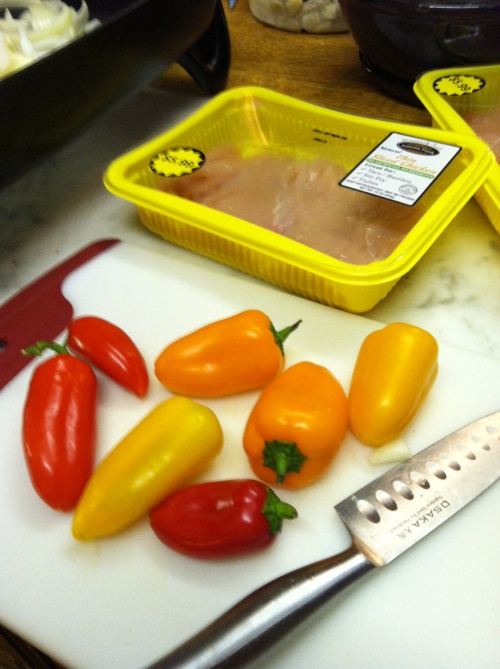
Pre-cut chicken breasts and sweet mini-peppers

Ingredients:

1 lb (454 kg) chicken breast, raw, boneless and skinless, cut in strips about 1/4-inch wide (you can often buy it this way)

7 oz onion, raw, cut in long crescent shapes about a 1/4-inch wide (0.6 cm)

6 oz (170 g) bell pepper, raw, cut in long strips roughly a 1/4-inch wide (these are also called sweet peppers; a combination of the red and green ones is eye-pleasing)

2 tbsp (30 ml) olive oil

5 or 6 oz (155 g) tomato, raw, cut in long strips

1 tsp (5 ml) salt

1/2 tsp (2.5 ml) pepper

1/2 tsp (2.5 ml) chili powder

1 tsp (5 ml) parsley flakes

1/2 tsp (2.5 ml) oregano leaves

1 pinch of cumin

1/2 tsp (2.5 ml) paprika

(Optional: You could replace all these spices with a 1-oz (28 g) pack of Lawry’s Chicken Fajitas Spices & Seasoning. The sodium and potassium values below would be different.)

1/3 cup (80 ml) water

16 oz (454 g) lettuce (e.g., iceberg, romaine, or bibb)

4 oz (113 g) walnuts

4 pears, small (about 1/3 lb or 150 g each))

Instructions:

Add the onions, peppers, and 1 tbsp (15 ml)  olive oil to a 12-inch (30 cm) skillet and cook at medium-high heat until tender, stirring occasionally. This’ll take about 10 minutes. Set the skillet contents aside.

paleobetic diet, paleo diet for diabetes

This is double the recipe amount since there are six humanoids in my household

paleobetic diet, paleo diet for diabetics

The vegetables reduce volume by half while cooking

In the same pan, add 1 tbsp (15 ml) olive oil and the chicken and cook at medium to medium-high heat, stirring frequently, until chicken is thoroughly cooked. For me, this cooked quicker than the vegetables. But don’t overcook or the chicken will get tough. Then add the water and all the spices. Bring to a boil while stirring occasionally, then simmer on low heat a few minutes. This is your fajita filling.

My original plan was to make “fajita wraps,” wrapping the cooked fajitas into a large leaf of iceberg lettuce. This was pretty messy, especially since I love the sauce in the bottom of the pan. I tried two leafs as a base: still messy. Finally I just made a bed of lettuce (4 oz) and loaded the fajita concoction right on top. Mess gone. Try a different lettuce? Skip the lettuce entirely and you can reduce digestible carb count in each serving by 2 grams.

Enjoy the walnuts and pear with your meal.

Leftovers taste just as good as fresh-cooked, perhaps even better.

I have another fajita recipe using skirt steak marinated in commercial Zesty Italian Dressing in the refrigerator overnight or for at least four hours. Grill it over coals outside. Yum! I don’t recall whether I added lemon juice to the marinade or squirted it on the meat just before serving. You would just cook the onions and peppers on a pan on the stove as above, with salt and pepper to taste. Garnish with a margarita and I’ll make you an honorary Texan.

Number of servings: 4

Serving size: A cup (240 ml) of the fajita mixture, 4 oz (113 g) lettuce, 1 oz (28 g) walnuts, 1 small pear. One cup makes two lettuce wraps.

Nutritional Analysis Per Serving:

48% fat

26% carbohydrate

26% protein

Calories: 514

37 g carbohydrate

10 g fiber grams

27 g digestible carbohydrate (25 g if you skip the lettuce)

928 mg sodium

904 mg potassium

Prominent features: Rich in protein, vitamin B6, vitamin B12, vitamin C,copper, iron, manganese, niacin, phosphorus, and selenium.

paleobetic diet

Another view, prior to rolling it up (wrapping)

1 Comment

Filed under Recipes, Uncategorized

Dr. Briffa on Low-Carb Diets For PWDs (People With Diabetes)

Diabetes UK is a prominent charity in Britain. It recommends that diabetics eat generous servings of carbohydrates: 5–14 daily servings of lower-glycemic-index items. Dr. Briffa strongly disagrees:

I can categorically state here that when individuals with diabetes cut back on carbohydrates, they almost always see significant improvement in their blood sugar control. They usually lose weight, and see improvements in markers of disease too. I’m most certainly not the only person to have noticed this. Just yesterday I met a most wonderful general practitioner who has come to the low-carb approach quite late in his career, but has used it to utterly transform the health of his patients. He showed me a variety of graphs from several patients pre- and post-adoption of a lower carbohydrate diet. He relayed a few stunning anecdotes too of people who believe eating a lower-carb diet has given them their health and their lives back.

***

I won’t mince my words and state here that I believe these recommendations are utterly mad. My experience tells me they will generally just entrench diabetics in their condition and the need for medical care. Compared to a lower-carbohydrate diet, the regime advocated by Diabetes UK stands to worsen blood sugar control and increase the need for medication and risk of complications. If Diabetes UK is serious about helping diabetics, I suggest it starts by ceasing to recommend a diet that, in my view, is utterly unsuitable for diabetics.


Comments Off on Dr. Briffa on Low-Carb Diets For PWDs (People With Diabetes)

Filed under Carbohydrate

Meal Plans For “Conquer Diabetes and Prediabetes”

For both types 1 and type 2 diabetes, carbohydrate restriction is a great way to help control blood sugars and minimize the toxicity and expense of drug therapy. Here are some low-carb recipes from my book, Conquer Diabetes and Prediabetes.

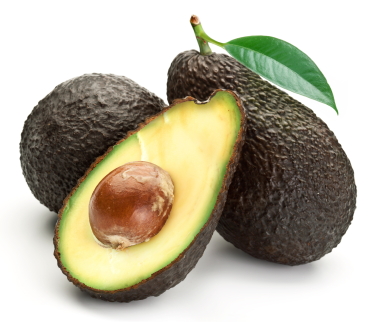
These are Hass or California avocados (the other common one in the U.S is the Florida avocado)

These are Hass or California avocados (the other common one in the U.S is the Florida avocado)

Breakfast:  Steak and Avocado

4 oz (110 g) raw steak

1 California avocado, peeled, seeded, and sliced (136 g)

½ tbsp (7 ml) olive oil (optional)

salt and pepper

1 tbsp (15 ml) vinaigrette (see below) or commercial Italian dressing (regular, not low-fat, with less than 2 g of carb per tbsp or 15 ml)

Cook the steak over medium heat, adding half a tbsp (7 ml) olive oil at the start if desired. Salt and pepper to taste. Peel and slice a California avocado. Dress avocado with homemade vinaigrette or commercial Italian dressing. Salt and pepper to taste. Digestible carb grams: 4.

AMD VINAIGRETTE

Try this on salads, fresh vegetables, or as a marinade for chicken, fish, or beef. If using as a marinade, keep the entree/marinade combo in the refrigerator for 4–24 hours. Seasoned vinaigrettes taste even better if you let them sit for several hours after preparation. This recipe was in my first book, The Advanced Mediterranean Diet; hence, “AMD vinaigrette.”

Ingredients

1 clove (3 g) garlic

juice from ½ lemon (23 g or ml)

a third of a cup (78 ml) oil olive

2 tbsp (8 g) fresh parsley

½ tsp (2.5 ml)) salt

½ tsp (2.5 ml) yellow mustard

½ tsp (1.2 ml) paprika

2 tbsp (30 ml) red wine vinegar

Preparation

In a bowl, combine all ingredients and whisk together. Alternatively, you can put all ingredients in a jar with a lid and shake vigorously. Let sit at room temperature for an hour, for flavors to meld. Then refrigerate. It should “keep” for at least 5 days in refrigerator. Shake before using. Servings per batch: 3.

Nutrient Analysis:

Recipe makes 3 servings (2 tbsp or 30 ml per serving). Each serving has 220 calories, 2 g digestible carb, almost no fiber, negligible protein, 24 g fat. 3% of calories are from carbohydrate, 97% from fat.

Lunch:  Aguacate Cucumber Salad

5 oz (140 g) cucumber, peeled and sliced into rounds

1 California avocado, peeled, seeded, and sliced (136 g)

2 tbsp (30 ml) AMD vinaigrette (see above) or commercial Italian dressing described below

salt and pepper

dash of lime or lemon juice (optional)

1 oz walnuts

Mix the cucumber and avocado in a bowl with the AMD vinaigrette or commercial Italian dressing (regular, not low-fat, with 3 g or fewer carbs per 2 tbsp or 30 ml). Salt and pepper to taste. For extra zing, add a dash of lemon or lime juice. Enjoy the walnuts on the side now, or mid-afternoon as a snack. Digestible carb grams: 10.

Dinner:  Bacon Shrimp Salad

2 slices (15 g) pork bacon, cured, cooked (or substitute 2 tbsp (30 ml) commercial real bacon bits)

2 tbsp (30 ml) AMD vinaigrette (see above) or commercial Italian dressing as below

½ packet of tabletop Splenda

4 oz (110 g) fresh baby spinach

4 oz (110 g) cooked shrimp (Consider commercial pre-cooked, peeled shrimp to save time)

6 oz (180 ml) dry white wine

Cook two bacon slices over medium heat, then crumble or cut in to tiny pieces (or substitute commercial real bacon bits). Add a half packet of Splenda to the AMD vinaigrette or commercial Italian dressing (regular, not low-fat, with 3 g or fewer carbs per 2 tbsp or 30 ml), then mix. On a bed of fresh baby spinach, place the cooked shrimp, then top with bacon pieces and vinaigrette. Enjoy with 6 oz dry white wine. Digestible carb grams: 9.

Comments Off on Meal Plans For “Conquer Diabetes and Prediabetes”

Filed under Recipes

Can You Manage Your Type 2 Diabetes Without Drugs?

David Mendosa says you can. I’m not quite that optimistic, but probably a majority can, if they have the knowledge, discipline, and willpower. Here are some snippets from David’s blog:

You can use drugs to bring your A1C level down to normal. That’s a good thing. But this strategy does have its costs, and those costs aren’t just money out of your pocket or your checkbook. The worst of those costs are the potential side effects of the drugs.

***

But some of us think we have a safer strategy of managing our diabetes without drugs. Back in 2007 I joined this group with the encouragement of a good friend of mine who is a Certified Diabetes Educator. Before that, I had 14 years of experience taking a wide range of diabetes drugs, including two different sulfonylureas (Diaßeta and Amyrl), Glucophage (metformin), and Byetta. For the past six years I haven’t taking any diabetes drugs, and yet I keep my diabetes in control with an A1C level usually about 5.4.

I had to make three big changes in my life when I went off the diabetes drugs, and they are hard at first. But now they are a routine part of my life, and I would never go back to my old ways. The changes that I had to make are those that almost everyone who has diabetes has to make. In order of importance, I had (1) to lose weight, (2) eat fewer carbohydrates, and (3) exercise more.

Read the whole enchilada. It’s brief.

Steve Parker, M.D.


4 Comments

Filed under Exercise, Fat in Diet

What’s the Best Diet for Type 2 Diabetics?

DietDoctor has some ideas based on a recent scientific study:

new exciting Swedish study provides us with strong clues on how a person with diabetes should eat (and how to eat to maximize fat burning). It’s the first study to examine in detail how various blood markers change throughout the day depending on what a diabetic person eats.

The study examined the effects of three different diets in 19 subjects with diabetes type 2. They consumed breakfast and lunch under supervision in a diabetes ward. The caloric intake in the three diets examined was the same, but the diets differed in the following manner:

  1. A conventional low-fat diet (45-56% carbs)
  2. A Mediterranean diet with coffee only for breakfast (= similar to 16:8 intermittent fasting) and a big lunch (32-35% carbs)
  3. A moderate low-carbohydrate diet (16-24% carbs)

All participants tested all three diets, one diet each day in randomized order.

Click through for results. Hint: Carbohydrate restriction works.

2 Comments

Filed under Book Reviews