
Exposure to Cold May Help You With Weight Management

Well below room temp here

Should be well below room temp here

David Mendosa found a 2016 research report suggesting that cool temperatures may help with weight management by activating our brown fat, which burns more calories. Heat generated by brown fat is derived from glucose and triglycerides. Keep in mind as you read further that a comfortable environment temperature for a clothed human is about 23°C or 73°F. Those temps don’t stress our bodies by requiring us to either generate or dissipate extra body heat.

David writes:

Researchers have discovered that when we get mildly cold, which they define as being cool without shivering, our bodies burn more calories. As a result, managing our weight can be easier.
This is the conclusion of a recent review that two researchers at Maastricht University Medical Center in the Netherlands published in the November 2016 issue of the professional journal Diabetologia. The title of their article, “Combatting type 2 diabetes by turning up the heat,” puzzled me at first.

The title confused me because the study is about turning down the heat in the room we’re in. But then our bodies compensate by turning up their internal heat production.

When our body does this, its energy expenditure increases, ratcheting up our metabolism. Being mildly cold revs up our bodies’ brown fat, which unlike white fat, burns calories instead of storing them.

It’s not quite clear how much cold exposure it takes to turn on your brown fat. From the link above:

Cold acclimation by intermittent exposure to a cool (14–17°C) [57–63°F], or cold (10°C) [50°F] environment resulted in significant increases in NST [non-shivering thermogenesis or heat production] capacity. A 10 day cold acclimation study with 6 hour exposure to 14–15°C [57–59°F] per day was enough to significantly increase NST by 65% on average. A 6 week mild cold acclimation study (daily 2 hour cold exposure at 17°C [63°F]) also resulted in an increase in NST together with a concomitant decrease in body fat mass. The latter two studies also revealed significant increases in BAT [brown adipose tissue] presence and activation. All in all, cold-induced BAT activity is significant in adults and parallels NST. The actual quantitative contributions of BAT and of other tissues (e.g. skeletal muscle) to whole-body NST are, however, not elucidated and await further studies. Furthermore, more information is needed on the duration, timing and temperatures to find out which treatments are most effective with respect to increasing NST.

Furthermore, cold exposure over the course of 10 days increased insulin sensitivity in T2 diabetics by 43%. Eight study subjects, probably in the Netherlands, were exposed to temps of 14–15°C [57–59°F] but I don’t know for how many hours a day. Increased insulin sensitivity should help keep a lid on blood sugar levels and reduce the need for diabetes drugs.

In case you’re elderly, obese, or have type 2 diabetes, be aware that the activation of brown fat by cold exposure is not as robust as in others.

On the other hand, I found evidence that higher ambient temperatures (above 23°C) [73°F] may also help with weight management, regardless of what brown fat is doing. Science is hard.

Steve Parker, M.D.

PS: Check out my books for more ideas on weight management.


Comments Off on Exposure to Cold May Help You With Weight Management

Filed under Weight Loss

Trick Question: Who’s Buried in Grant’s Tomb?

Thomas Twining started selling tea in London in 1706. His eponymous company has been doing it for 300 years, then. You’d think they know tea if anyone does. Here’s Twinings Green Tea:

Not to me

Green? Brown?  Golden brown? Tea-colored? Flax? Tannin? Purple? Polka-dotted?

Does that look green to you? I guess they specialize in black tea (which I bet isn’t black after brewing).

My quest for green “green tea” continues. I just ordered Kirkland Ito En Matcha Blend Japanese Green Tea from Amazon.

Steve Parker, M.D.

PS: If you don’t like green, you’ll find none of it inside my books.

PPS: The remains of Ulysses S. Grant and his wife are in a mausoleum referred to as Grant’s tomb. They are above ground, so technically they aren’t buried.

1 Comment

Filed under Uncategorized

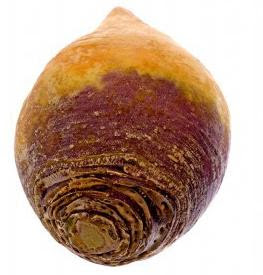
Rutabaga / Swede/ Neeps : How will you serve this low-carb vegetable?

Jan over at The Low Carb Diabetic is getting me motivated to try a new vegetable: rutabaga.

Click the link below for Jan’s post for more photos and recipes.

“The picture above shows what Americans know as “rutabaga”. The Scottish call it “neeps” and serve it with haggis. I know it as swede, a fairly recent root vegetable, which is thought to have originated around the 17th century in Bohemia. In 1620 a Swiss botanist described the root vegetable, believed to be a hybrid of the cabbage and the turnip. By 1664 it was growing in England. A good source of vitamin.C, fibre, folate and potassium. It’s low in calories.”

Source: The Low Carb Diabetic: Swede / Rutabaga : How will you serve this low carb vegetable

Do you like rutabagas?

PS: If the copyright owner of the rutabaga photo wants me to take it down, contact Steve Parker, M.D., and it shall be done post haste.

1 Comment

Filed under Recipes

Prevent Kids’ Cavities with a Low-Carb Diet, Says DietDoctor

More that a few dentists agree that carbs cause cavities.

From DietDoctor:

“Roger W. Lucas, pediatric dentist, explains the link between carbs and cavities in his book More Chocolate, No Cavities: How Diet Can Keep Your Kid Cavity-Free. Simple carbohydrates such as flour and juice feed mouth bacteria that cause cavities. On the other hand, high fat and protein foods don’t.

Source: Prevent Kids’ Cavities with a Low-Carb Diet – Diet Doctor

3 Comments

Filed under Carbohydrate

Men Hold the Line at 35%, But 40% of U.S. Women Now Obese

That excess weight can shorten your life

That excess weight can shorten your life

Yahoo has a brief article with a few more details. For $30 you can read the original scientific report from Journal of the American Medical Association.

Obesity in this context is defined as a body mass index of 30 or higher. Calculate your BMI here.

Is it your fault if you’re obese?

Steve Parker, M.D.

PS: If you want to buck the overweight/obesity trend, check out my books.

Comments Off on Men Hold the Line at 35%, But 40% of U.S. Women Now Obese

Filed under Overweight and Obesity

Merry Christmas!

Credit: Zvonimir Atletic / Shutterstock.com

Credit: Zvonimir Atletic / Shutterstock.com

3 Comments

Filed under Uncategorized

Why Isn’t My Green Tea Green?

At least the box is green

At least the box is green

I’ve been reading for years how green tea is or might be particularly healthful for us. It’s not just hearsay. Respected journals like the American Journal of Clinical Nutrition suggest green tea’s virtues: longevity and less risk of type 2 diabetes, heart disease, and dementia, to name a few off the top of my head.

I’ve never been a tea drinker. Oh, sure, I’ve drunk iced tea at restaurants now and then. That’s black tea.

I drink coffee, about five cups a day. I work a fair number of night shifts, and the caffeine helps wake me up and keep me alert.

On a lark recently, I thought I’d cut back on the coffee and try green tea. In case you’re wondering, green tea has a third of the caffeine content of coffee.

So I go to the supermarket tea section and pick up a box of Bigelow green tea bags. There were five or 10 other options. Why Bigelow? I think I’ve heard the name before. Or the box appealed to me subconsciously. I brew it up easy-peasy per directions and this is what I see:

Mild, pleasant flavor but may not have the phytonutrients I seek

Mild, pleasant flavor but may not have the phytonutrients I seek

WTF?!

Does that look green to you?

I didn’t think so.

Naturally I start googling. The rest of this paragraph may or may not be true, like everything you read on the Internet. Green tea by tradition should be green. The supermarket teas are not traditional. They are oxidized, not fresh, or processed incorrectly. They’re a bastardization of traditional green teas with primary goals of mass distribution and adequate shelf life. They don’t have much of the “healthy” components you are looking for: anti-oxidants, polyphenols, EGCG, catechins, etc. Phytonutrient content of teas varies from batch to batch. The epidemiological studies that support green tea as healthful involved mostly Asian populations, often Japanese, who were drinking traditional green tea that’s green. Brewing is important: 170°F (77°C) for no more than 2–3 minutes. The fresher the tea leaves, the better. Special packaging may help preserve freshness. A Japanese-sounding brand may use tea grown outside of Japan.

I don’t know any avid green tea drinkers. So I go to Amazon.com and start reading reviews. Apparently there’s a whole world of green tea culture and I’ve just scratched the surface. I’ve already spent three hours on this green tea thing. Judging from Amazon reviews, here are some green teas that might be worth trying: Kirkland Ito En Matcha Blend Japanese Green Tea Bags and Yamamotoyama Green Tea—Sushi Style. (Kirkland is a Costco brand.) I probably also need to seek out a local Japanese ethnic food store and see what they’ve got or recommend.

I’m not raggin’on Bigelow green tea specifically. I bet most supermarket green teas in the U.S. will come out brown. For all I know, Bigelow may be jam-packed with healthy phytonutrients that will help you live to 110. It has a mild pleasant taste that I enjoyed. I didn’t miss the higher caffeine load of coffee. But it’s not traditional green tea.

I still want to try a green tea habit. If you can give me some pointers, please do so below or email me at steveparkermd AT gmail DoT com. (Do we still have to hide email addresses from bots?)

Steve Parker, M.D.

PS: Just because green tea may be healthful for Southeast Asians, that’s no guarantee it works for other ethnicities.

PPS: I’m not at all convinced that green tea is a panacea that will help me stay healthy or live longer.

PPPS: Green tea is one of Franziska Spritzler’s low-carb beauty foods.

LCHF Mediterranean diet

LCHF Mediterranean diet

3 Comments

Filed under Uncategorized

Mediterranean Diet Fights Inflammation In Type 2 Diabetes


Santorini, Greek seaside

Santorini, Greek seaside

Blood markers of inflammation in our bodies are linked to higher rates of type 2 diabetes. One such marker is C-reactive protein: the higher the CRP, the greater the risk of T2 diabetes. Another inflammatory marker is adiponectin, a protein secreted by fat cells. Adiponectin levels are inversely related to ongoing inflammation: higher levels of adiponectin indicate lower levels of inflammation. Folks with higher adiponectin levels are at lower risk of type 2 diabetes.

Italian researchers affiliated with the MEDITA clinical trial took 215 men and women with newly diagnosed type 2 diabetes and randomized them to eat either a Mediterranean diet or a low-fat diet. Hemoglobin A1c and inflammatory markers were followed for up to eight years. (I’m not sure, but I think these were relatively mild diabetics from the get-go, probably with HgbA1c under 7%.)

At the end of year one, CRP dropped by 37% and adiponectin rose by 43% in the Mediterranean diet group. In other words, inflammatory markers moved in a healthful direction.

Levels in the low-fat group were unchanged.

For individual Mediterranean dieters who were deemed diet failures (HgbA1c over 7%) at one year, CRP levels were higher and adiponectin levels were lower than their counterparts without diet failure.

Values were also measured two and four years after baseline, but results are not easy to summarize, and I don’t give too much credence to a diet modification purported to last that long. After six to 12 months of a new diet, most folks drift back to their usual way of eating.

Grapes are a time-honored component of the Mediterranean diet

Grapes are a time-honored component of the Mediterranean diet

Action Plan

If you have type 2 diabetes or want to avoid it, consider a Mediterranean-style diet.

Steve Parker, M.D.

PS: Even if you think inflammation is important, you’ll find no shortage of chapters in my books.

Reference: Anti-inflammatory effect of Mediterranean diet in type 2 diabetes is durable: 8-year follow-up of a controlled trial. Diabetes Care, 2016. doi: 10.2337/dc15-2356

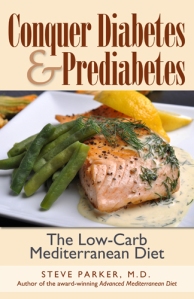
low-carb mediterranean diet

Front cover of book

1 Comment

Filed under Health Benefits, Mediterranean Diet

How Much Is Typical Holiday Weight Gain?

MB900446412

I originally published this last September, but few of you were concerned about holiday weight gain then.

MNT has the details:

“Around the world, weight gained from holiday feasting takes months to lose, a study found.

Christmas Day in particular is a holiday that appears to pack on the pounds: in a study of some 3,000 individuals in three countries, Americans showed an average 0.4% weight gain from 10 days before Christmas to 10 days after; Germans gained 0.6% more weight; and the Japanese 0.5%.

U.S. participants packed on 0.7% more weight in total during the full Christmas-New Year holiday season, but the Germans had us beat with a 1.0% weight gain, according to Brian Wansink, PhD, of Cornell University in Ithaca, N.Y. and colleagues.”

Source: Holiday Feasts Take Months-Long Weight Toll | Medpage Today

Those percentages aren’t very helpful, are they? In real life, if you weigh 180 lb (81.8 kg) and gain an extra 0.7%, you’re all the way up to a whopping 181.26 lb (82.4 kg). But if you do that—1.26 lb—every year for 20 years and fail to lose the weight, you’re up to 205 lb (93.2 kg) and now you’ve got diabetes and high blood pressure.

Here are a few tips to avoid the weight gain:

  • On the day of the major feast, just eat two meals, and make one of them small
  • Don’t  snack or graze; just eat at mealtimes
  • Work in some extra exercise
  • Minimize the alcohol that weakens your discipline
  • Click for more weight loss tips, many of which help you avoid weight gain

Steve Parker, M.D.

Pro Tip: Read one of my books before you make your annual New Year’s weight-loss resolutions.

PPS: Click for the research report in NEJM.

Comments Off on How Much Is Typical Holiday Weight Gain?

Filed under Uncategorized

QOTD: E.E. Blaak on the Ideal Diet

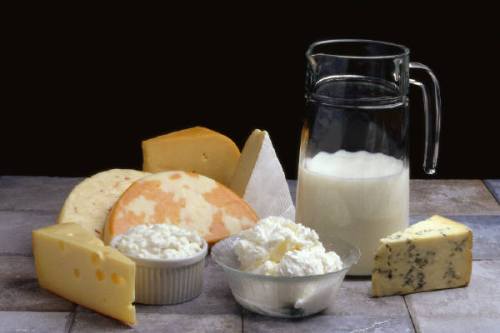
Full-fat cheese

Full-fat cheese

Overall, energy restriction is the primary factor producing weight loss, and it is increasingly understood that distinct macronutrients may vary in energy yield and effects on satiety, also based on individuals’ phenotype and genotype. Although an overall healthy diet, either Mediterranean or a low-fat, high-complex CHO [carbohydrate] diet may be effective in diabetes and cardiovascular prevention, insight is increasing that dietary prevention or treatment may require more personalized approaches to become most effective.

     —E.E. Blaak, in a review of effects of dietary carbohydrate in body weight control, glucose homeostasis and cardiovascular risk

In plain English, Blaak is saying:

  • weight loss depends on calorie restriction
  • proteins, fats, and carbs provide different amounts of energy and have different effects on hunger
  • your response to proteins, fats, and carbs depends on your genes and how you look
  • the healthiest diet for you probably isn’t the best for everyone else


Steve Parker, M.D.

1 Comment

Filed under Quote of the Day, Weight Loss