How Do You Get Compensation If Hurt By a COVID-19 Vaccine?

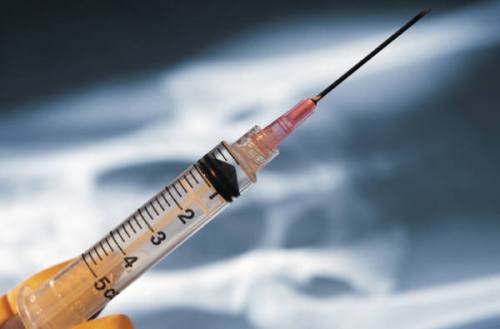
The vaccination needle probably won’t be this large

I know it’s a little early to be asking that question. Within a year, an unknown number of you will be asking. Where do you go for satisfaction? The CICP: Countermeasures Injury Compensation Program. Forget about suing the vaccine manufacturer, distributor, or medical practitioner who jabbed you. They got the federal government to absolve them of liability in most cases. If injured, you need to file your claim within a year of vaccination.

As far as I know, this program only applies to U.S. residents. Perhaps only U.S. citizens.

Here’s an excerpt from a related fedgov program, the NVICP web page:

Vaccines save lives by preventing disease.

Most people who get vaccines have no serious problems. Vaccines, like any medicines, can cause side effects, but most are very rare and very mild. Some health problems that follow vaccinations are not caused by vaccines.

In very rare cases, a vaccine can cause a serious problem, such as a severe allergic reaction.  

In these instances, the National Vaccine Injury Compensation Program (VICP) may provide financial compensation to individuals who file a petition and are found to have been injured by a VICP-covered vaccine. Even in cases in which such a finding is not made, petitioners may receive compensation through a settlement. 

Many physicians in my community are excited and lined up to take the COVID-19 vaccine. But not me. I even have risk factors for more serious COVID-19 disease: age 66 and hypertension. After reviewing what little data are available from the Warp Speed vaccine trials, I’m not convinced the vaccines are safe enough for me. I’ll take my chances with the virus rather than the vaccine. I’m not afraid of dying from COVID-19; if that happens I’ll be in heaven with Jesus. I’ve lived a full and lucky life, blessed by a wonderful wife, fantastic children, good health, missed Viet Nam by a few years, no major economic upheaval. My biggest concern about catching the virus is the burden it would lay on my co-workers if I’m off-duty for 1 to 3 weeks.

That said, if I were older and had other co-morbidities, I might take the vaccine now. When we have more long-term data on vaccine safety, I might take the vaccine. It could take up to a couple years before we have that data.

I am not anti-vaccine, in general. As a child I got the vaccines for polio, measles, mumps, rubella, tetanus, and probably diphtheria, maybe others. I took the hepatitis B vaccine as an adult because I’m exposed to blood from my patients. I’m due for another tetanus booster and will take it without reservation.

Steve Parker, M.D.

PS: I’m doing everything I can to optimize my health and immune system, including weight management and regular exercise.

PPS: Pharmacist Scott Gavura at Science Based Medicine provides a table comparing vaccination vs catching the virus vs hydroxychloroquine treatment. He implies my odds of death from COVID-19 infection are two out of a hundred (2%). I don’t think it’s nearly that high.

PPPS: Click for an interesting article on CICP at the Centre for Research on Globalization. I have no idea of its accuracy.

Comments Off on How Do You Get Compensation If Hurt By a COVID-19 Vaccine?

Filed under Coronavirus

The 1976 Swine Flu Vaccine Fiasco

elderly, face mask, surgical mask, corona, epidemic, pandemic, couple
Vaccinate or not?

Most of you don’t remember the 1976 flu epidemic. Early on, it appeared to be on track to equal the 1918 Spanish Flu death rates. Politicians and public health authorities felt like they better do something, anything, to avert disaster. Their response didn’t work out too well. COVID-19 isn’t the flu, but it’s a viral illness that often looks like the flu clinically.

From Discover magazine:

Vaccines were once thought of as an axiomatic good, a longed-for salvation in the form of a syringe, banishing crippling and deadly infections like polio, smallpox and tetanus. But within the past few decades we have seen the emergence of anti-vaccination movements and a rise in cases of childhood diseases that are entirely preventable with a quick jab to the arm.

Over the past five years, outbreaks of mumps, measles and whooping cough have cropped up throughout the country. And then, of course, there is widespread skepticism among the general public on influenza and the merits of a seasonal flu shot. Even as outbreaks of avian and swine flu have periodically emerged in this country, there are still people who resist vaccination against the flu. This seemingly pervasive opposition to flu vaccination is not without its historical and sociological roots.

Some of the American public’s hesitance to embrace vaccines — the flu vaccine in particular — can be attributed to the long-lasting effects of a failed 1976 political campaign to mass-vaccinate the public against a strain of the swine flu virus. This government-led campaign was widely viewed as a debacle and put an irreparable dent in future public health initiatives, as well as negatively influenced the public’s perception of both the flu and the flu shot in this country.

* * *

But while the World Health Organization adopted a cautious “wait and see” policy to monitor the virus’s pattern of disease and to track the number of emerging infections, President Gerald Ford’s administration embarked on a zealous campaign to vaccinate every American with brisk efficiency. In late March, President Ford announced in a press conference the government’s plan to vaccinate “every man, woman, and child in the United States” (1). Emergency legislation for the “National Swine Flu Immunization Program” was signed shortly thereafter on April 15th, 1976 and six months later high profile photos of celebrities and political figures receiving the flu jab appeared in the media. Even President Ford himself was photographed in his office receiving his shot from the White House doctor.

* * *

The American public can be notably skeptical of forceful government enterprises in public health, whether involving vaccine advocacy or limitations on the size of soft drinks sold in fast food chains or even information campaigns against emerging outbreaks. The events of 1976 “triggered an enduring public backlash against flu vaccination, embarrassed the federal government and cost the director of the U.S. Center for Disease Control his job.”

One aspect of the fiasco was that of the 45 million U.S. residents hastily vaccinated against Swine Flu, 450 developed a severe neurological disorder called Guillain-Barre syndrome.

RTWT.

Steve Parker, M.D.

Comments Off on The 1976 Swine Flu Vaccine Fiasco

Filed under Uncategorized

Covid-19 Vaccine May Not Live Up to the Hype

professor, equations
The governments “top men” are working on it

Peter Doshi, an associate editor at British Medical Journal, is not favorably impressed with the recent vaccine trial announcements. “90% effective.” “95% effective!”

Coronavirus guru Anthony Fauci assures us that a coronavirus vaccine will only be FDA-approved if it’s “safe and effective.”

From Doshi:

But what will it mean exactly when a vaccine is declared “effective”? To the public this seems fairly obvious. “The primary goal of a covid-19 vaccine is to keep people from getting very sick and dying,” a National Public Radio broadcast said bluntly.

Peter Hotez, dean of the National School of Tropical Medicine at Baylor College of Medicine in Houston, said, “Ideally, you want an antiviral vaccine to do two things . . . first, reduce the likelihood you will get severely ill and go to the hospital, and two, prevent infection and therefore interrupt disease transmission.”

Yet the current phase III trials are not actually set up to prove either. None of the trials currently under way are designed to detect a reduction in any serious outcome such as hospital admissions, use of intensive care, or deaths. Nor are the vaccines being studied to determine whether they can interrupt transmission of the virus.

Will COVID-19 vaccines save lives? Current trials aren’t designed to tell us.
elderly man, face mask
Do you ever wonder why we didn’t see widespread use face masks during a typical flu season in the past?

Switching gears to the flu vaccine for a minute. The flu vaccine’s been a godsend in preventing influenza death among the frail elderly, right? Not so fast there, pardner. Doshi again:

But the truth is that the science remains far from clear cut, even for influenza vaccines that have been used for decades. Although randomised trials have shown an effect in reducing the risk of symptomatic influenza, such trials have never been conducted in elderly people living in the community to see whether they save lives.

Only two placebo controlled trials in this population have ever been conducted, and neither was designed to detect any difference in hospital admissions or deaths.

Moreover, dramatic increases in use of influenza vaccines has not been associated with a decline in mortality.

The Moderna and Pfizer trials enrolled 30,000 and 44,000 participants, respectively. That sounds like a lot of people to be vaccinated. But they only vaccinate half the folks. The other have serve as a control group. Next, the investigators track the occurrence of coronavirus events over time, then compare the two groups. An “event” may be anything from a cough plus positive COVID-19 PCR test, to hospitalization or death. Of course, they also look at potential adverse effect of vaccination, comparing the two groups.

The trials aren’t going to give us good information on COVID-19 hospitalizations and death rates because those outcomes are so infrequent. Most people with symptomatic COVID-19 experience only mild symptoms; there are relatively few cases of serious disease in a general population of 30,000.

Who needs a safe and effective vaccine the most?

  • Those over 60-65
  • Anybody seriously immunocompromised (i.e., a poor immune system too weak to fight infection).

Immunocompromised people are excluded from the seven ongoing trials. So these trials focus on those over 60, right? Wrong. The Moderna trial eligibility started at age 18. Pfizer’s accepted 12-year-olds.

Surely the vaccine trials will have some participants over 60-years-old. There just may not be enough to generate clinically meaningful data on serious disease outcomes and adverse effects in the elderly.

Steven Novella says Moderna developed their vaccine with a grant from the U.S. government, and Pfizer funded themselves. Each vaccine has cost over two billion dollars to develop. They will be the first ever mRNA vaccines approved by the FDA. Our other vaccines are based on different technology. Both vaccines require two shots, 28 days apart.

Steve Parker, M.D.

PS: I am not generally anti-vaccination.

Comments Off on Covid-19 Vaccine May Not Live Up to the Hype

Filed under Coronavirus

Overweight Men Reduce Insulin Resistance Via Resistance Exercise Training

Didn’t we already know this?

Insulin is a blood-borne hormone that the pancreas gland secretes in order to keep blood sugar levels from getting too high. (Insulin does many other things, but table that for now.) Insulin triggers certain body cells to absorb glucose from the bloodstream. “Insulin resistance” means that these cells don’t respond to insulin as well as they should, so either the pancreas secretes even more insulin (hyperinsulinemia) or blood sugar levels rise. Insulin resistance is a harbinger of type 2 diabetes mellitus. Most overweight or obese type 2 diabetics have insulin resistance. Many experts think hyperinsulinemia causes disease by itself, regardless of blood sugar levels. So it may be best to avoid insulin resistance and hyperinsulinemia.

The aim of the study was to investigate the effects of 6 weeks of resistance exercise training, composed of one set of each exercise to voluntary failure, on insulin sensitivity and the time course of adaptations in muscle strength/mass. Ten overweight men (age 36 ± 8 years; height 175 ± 9 cm; weight 89 ± 14 kg; body mass index 29 ± 3 kg m−2) were recruited to the study. Resistance exercise training involved three sessions per week for 6 weeks. Each session involved one set of nine exercises, performed at 80% of one‐repetition maximum to volitional failure. Sessions lasted 15–20 min. Oral glucose tolerance tests were performed at baseline and post‐intervention. Vastus lateralis muscle thickness, knee‐extensor maximal isometric torque and rate of torque development (measured between 0 and 50, 0 and 100, 0 and 200, and 0 and 300 ms) were measured at baseline, each week of the intervention, and after the intervention. Resistance training resulted in a 16.3 ± 18.7% (P < 0.05) increase in insulin sensitivity (Cederholm index). Muscle thickness, maximal isometric torque and one‐repetition maximum increased with training, and at the end of the intervention were 10.3 ± 2.5, 26.9 ± 8.3, 18.3 ± 4.5% higher (P < 0.05 for both) than baseline, respectively. The rate of torque development at 50 and 100 ms, but not at 200 and 300 ms, increased (P < 0.05) over the intervention period. Six weeks of single‐set resistance exercise to failure results in improvements in insulin sensitivity and increases in muscle size and strength in young overweight men.

Source: The effect of short‐duration resistance training on insulin sensitivity and muscle adaptations in overweight men – Ismail – 2019 – Experimental Physiology – Wiley Online Library

Steve Parker, M.D.

1 Comment

Filed under Causes of Diabetes, Exercise

Compare Fitness Trackers

ConsumersAdvocate.org has an article comparing and contrasting some of the available fitness trackers:

young woman, exercise, weight training, gym
You go, girl!
HOW WE FOUND THE BEST FITNESS TRACKERFEATURES

We checked for fitness trackers with diverse features that users could choose to best match their lifestyle and goals. This includes multiple health and activity monitoring options.

CONNECTIVITY

Many fitness trackers sync with smartphones or Bluetooth to receive calls, get message notifications, and send data to their corresponding fitness apps. We looked at trackers that were easy to connect.

COST

Regular fitness trackers can range from $50 to $200, while hybrid smartwatches can cost over $400. We compared prices to special features to make sure consumers get the most out of their investment.

CUSTOMER EXPERIENCE

Fitness trackers should be durable, lightweight, and comfortable. We interviewed customers and read dozens of reviews and testimonies for thorough feedback on each product.

Source: The Best Fitness Trackers For 2020

Click through for details. I use none of these trackers, so have no dog in the fight.

Steve Parker, M.D.

Comments Off on Compare Fitness Trackers

Filed under Exercise

Proton Pump Inhibitors Linked to Type 2 Diabetes

prilosec, proton pump inhibitor
Neither the cited study nor I implicate Prilosec in particular

Regular use of proton-pump inhibitors (PPIs) increases patients’ risk of developing type 2 diabetes mellitus (T2DM) by 24%, an observational study published in Gut has suggested.

Source: Regular use of PPIs linked with increased risk of type 2 diabetes, study suggests | News | Pharmaceutical Journal

Proton pump inhibitors are widely used in the U.S. to treat esophageal reflux, ulcers, and dyspepsia. They are among the most widely prescribed drugs. You can also get them over-the-counter. Brand names include Protonix, Prilosec, and Nexium.

The study at hand defined “regular use” as at least twice per week. The study was an epidemiological one observing participants for 10-12 years. The more years of regular use, the greater risk of diabetes developing. Nearly all participants were White, so results may not apply to other ethnicities.

Note that this study doesn’t prove that PPIs cause diabetes. They just found a statistical linkage. As you know, correlation does not equal causation. We don’t know how PPIs could cause T2 diabetes. From the article:

According to the study, the possible mechanism for the association could be related to gut microbiota, as previous studies have shown that PPI use is associated with reduced diversity of gut microbiome and consistent changes in the microbiota phenotype.

Steve Parker, M.D.

1 Comment

Filed under Causes of Diabetes, Drugs for Diabetes

Could a Carnivore Diet Work for You?

Carnivore diet doesn’t mean raw

At Diabetes Warrior:

In this post I will be discussing my latest experiment. I am calling it “Diabetic Carnivore 2.0”. It’s 2.0 because I went ‘full-carnivore’ in 2017 for about three years, before tapering off earlier in 2020.

I’ll answer these questions in this post:

1) What is a carnivore in the context of this dietary experiment?
2) Why am I going ‘full-carnivore’ again?

*  *  *

Had we only grown lower carb, leafy green vegetables in our garden, I’d still be eating them probably … but we didn’t. We also grew higher carb vegetables and fruits like tomatoes, beets, turnips, onions and carrots.

We started out eating collards, chard and turnip green salads … all was well. Then I began easing turnips, carrots, beets, and tomatoes into our slaw. Small portions at first… but then the ‘carb creep’ happened. I would add more and more of the sugary, starchy veggies and fruits to the slaw, as well as eat more and more of them.

I only tracked my daily intake of carbs from the vegetables and fruits once. That one day, my carb totals were in the 70 gram range! Not a lot compared to ‘Standard American Diet’ but a lot compared to my typical ‘near zero carb’ meal plan.

Just like a previous high carb experiment (see this post, “Very Low Fat (and high carb) Experiment“), my body handled the sugar and starches from the vegetables pretty well at first but then the fasting blood sugars began to creep up.

Read on to see the connection to COVID-19.

Steve Parker, M.D.

Comments Off on Could a Carnivore Diet Work for You?

Filed under Paleo diet

The Best Exercises to Fight Obesity

From Obesity Reviews:

Current international guidelines recommend people living with obesity should be prescribed a minimum of 300 min of moderately intense activity per week for weight loss. However, the most efficacious exercise prescription to improve anthropometry, cardiorespiratory fitness (CRF) and metabolic health in this population remains unknown. Thus, this network meta‐analysis was conducted to assess and rank comparative efficacy of different exercise interventions on anthropometry, CRF and other metabolic risk factors.

* * *

Results reveal that while any type of exercise intervention is more effective than control, weight loss induced is modest. Interventions that combine high‐intensity aerobic and high‐load resistance training exert beneficial effects that are superior to any other exercise modality at decreasing abdominal adiposity, improving lean body mass and increasing cardiorespiratory fitness. Clinicians should consider this evidence when prescribing exercise for adults living with obesity, to ensure optimal effectiveness.

Source: What exercise prescription is optimal to improve body composition and cardiorespiratory fitness in adults living with obesity? A network meta‐analysis – O’Donoghue – – Obesity Reviews – Wiley Online Library

Steve Parker, M.D.


Front cover

Comments Off on The Best Exercises to Fight Obesity

Filed under Exercise, Weight Loss

Managing Diabetes When You’re Sick

How old is this device?

For folks taking insulin, Diabetes Daily has a good article by endocrinologist Dr Francine Kaufman. An excerpt:

Everyone with diabetes who takes insulin needs to have a sick day plan. This is something you develop with your healthcare professional to help you manage the high and low sugar levels that can be associated with an illness. The following advice applies to people with type 1 diabetes and people with type 2 diabetes who take insulin – the advice may be different if you have type 2 diabetes and do not take insulin.

Click to jump down to a section:

What happens when you are sick?

Track of your important numbers in a sick log

Glucose levels

Ketone levels

Temperature

Fluid intake

Urination

Vomiting, diarrhea, and dehydration

Insulin, amount and time

Medications

Key messages from Dr. Kaufman

When you get sick, you are at risk of becoming dehydrated from poor intake or from excessive loss of fluids due to nausea, vomiting, diarrhea, and fever (your body may lose more water when you have a high temperature). In addition, dehydration is common in diabetes because high glucose levels (above 180-200 mg/dL) cause sugar to enter your urine, dragging an excess amount of fluid with it. Illness also puts you at risk of developing ketones, which when coupled with high glucose levels can lead to diabetic ketoacidosis (DKA), a very serious condition. How do you know if you have ketones? Good question, click here!

The purpose of your sick day plan is to try to keep your glucose levels in a safe range – to avoid dehydration and to prevent ketones from rising to a dangerous level.

Source: Zoning in on Sick Day Management: Practical Tips, Strategies, and Advice – Diabetes Daily


Comments Off on Managing Diabetes When You’re Sick

Filed under Uncategorized

Cut Your Diabetes Drug Costs

Caprese salad: mozzarella cheese, tomatoes, basil, extra virgin olive oil≠≠≠≠

Christine Fallabel has and article at Diabetes Daily that may save you beaucoup bucks on your diabetes care, whether or not you have insurance coverage.

If you live in a country like the United States, where the majority of health insurance is privatized and there is no strong social safety net, it can feel as though managing a chronic disease like diabetes requires nothing but lots of money. And it does. As of 2017, diabetes cost the United States a staggering $327 billion dollars per year on direct health care costs, and people with diabetes average 2.3x higher health care costs per year than people living without the disease.

Diabetes is also devastatingly expensive personally: the cost of insulin has risen over 1200% in the past few decades, with no change to the chemical formula. In 1996, when Eli Lilly’s Humalog was first released, the price for a vial of insulin was $21. In 2019, that same vial costs around $275. Studies show that 1 in 4 people ration insulin simply due to cost. Diabetes Daily recently conducted a survey study, with almost 2,000 participants, of which an overwhelming 44% reported  struggling to afford their insulin.

So where does this leave patients who don’t have tons of money to spend on insulin and supplies, or who don’t have adequate health insurance coverage for the technology to help prevent complications? Can you manage diabetes well without lots of money? The short answer is yes. The long answer is a bit more complicated.

Source: Can You Manage Diabetes Well Without Lots of Money? – Diabetes Daily

Steve Parker, M.D.

PS: What else can cut your diabetes drug bill? Low-carb eating!

low-carb mediterranean diet

Click the pic to purchase at Amazon.com. E-book versions also available at Smashwords.com.

Comments Off on Cut Your Diabetes Drug Costs

Filed under Drugs for Diabetes