You Know About Insulin. And Now, the REST of the Story . . .

When we digest carbohydrates, blood sugar rises.  If it goes too high it causes problems.  Everybody knows that insulin lowers blood sugar levels, right?  Less well-known is that regulation of blood sugar is the result of complex interactions of multiple hormones, not just insulin.

[As is my habit, I will use “sugar” and “glucose” interchangeably in this post.] 

Allow me to review the main hormones involved in blood glucose regulation:

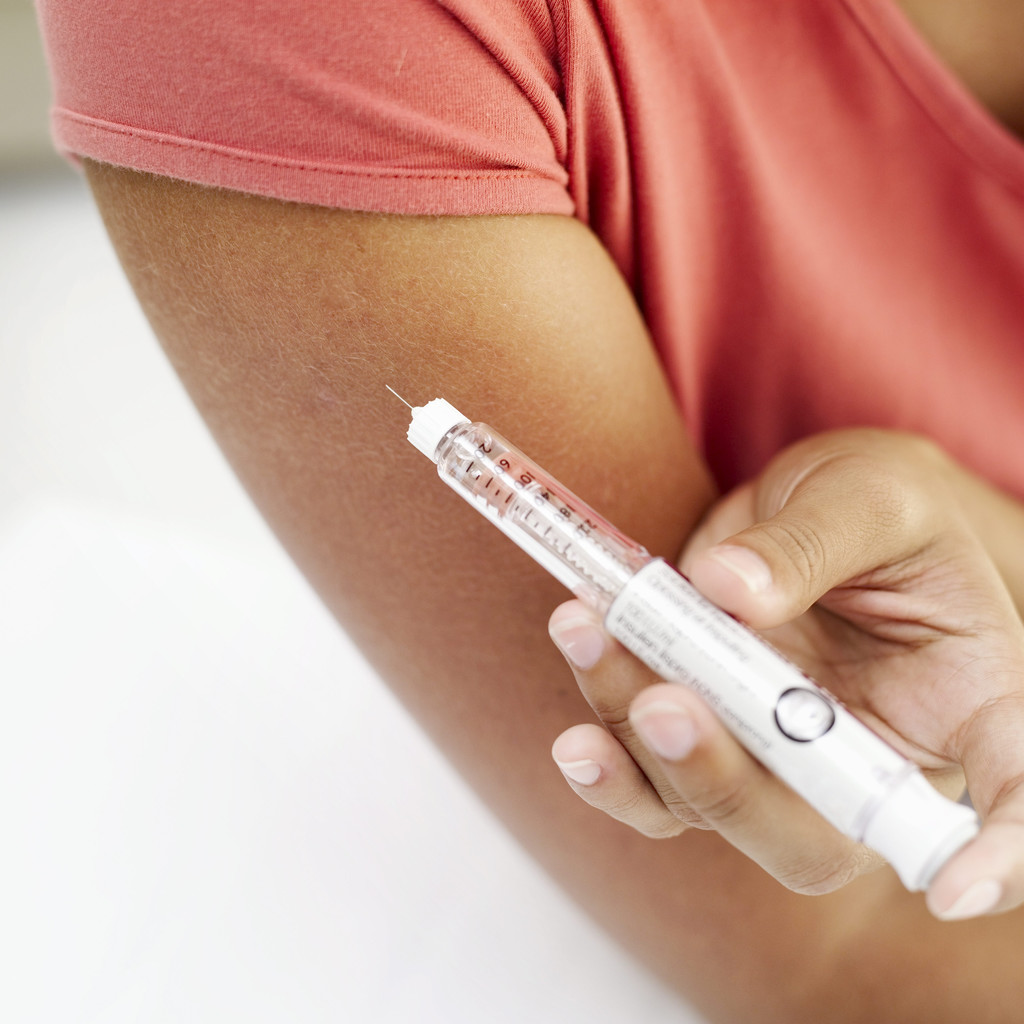
1. Insulin is made and stored in pancreas beta cells.  As a meal is digested, blood sugar rises; the pancreas releases insulin to bring blood sugar back down by driving it into cells.

2. Amylin is also made and stored in pancreas beta cells and works to reduce blood sugar levels.  Blood levels of amylin rise and fall in concert with insulin levels.  Amylin slows emptying of the stomach, reduces food consumption, and regulates another hormone—glucagon—after meals.

3. Glucagon is from pancreas alpha cells.  It works to raise blood sugar by promoting the liver’s breakdown of glycogen into glucose, and by promoting the liver’s manufacture of new glucose molecules.

4. Glucagon-like peptide -1 (GLP-1) is produced in small intestine cells and it’s main action is to promote insulin secretion by the pancreas beta cells after absorption of food, which lowers blood sugar levels.  GLP-1 (like amylin) also inhibits emptying of the stomach, inhibits glucagon release, and inhibits appetite, all of which would tend to keep a lid on blood sugar levels. 

5. Gastric inhibitory polypeptide (GIP) promotes secretion of insulin following absorption of food.  GIP is also known as glucose-dependent insulinotropic polypeptide.

You can see that some hormonal mechanisms raise glucose levels; others lower glucose levels.  Homeostasis is all about reaching a happy medium between the two, without wild swings one way or the other.  In healthy people, eating food leads to release of gastrointestinal peptides (GLP-1 and GIP), insulin, and amylin.  The interaction among them keeps blood sugar levels in a fairly level low range.  In diabetes, one or more malfunctions in the system leads to abnormally high blood sugars.

The good news is that scientists have used this knowledge to devise new, effective treatments for diabetes.  Examples are GLP-1 analogues and DPP-4 inhibitors.

Steve Parker, M.D.

PS:   In lab animals, GLP-1 stimulates formation of new pancreas beta cells, so it hold promise in halting the progressive beta cell failure characteristic of type 2 diabetes.

2 Comments

Filed under Carbohydrate, Causes of Diabetes

Drug Review: Alpha-Glucosidase Inhibitors (acarbose and miglitol)

acarbose and miglitol for type 2 diabetesAlpha-glucosidase inhibitors (AGIs) available in the U.S. are acarbose (Precose) and miglitol (Glyset).  Drug names vary by country and manufacturer. 

This is only a brief review: consult your physician or pharmacist for full details.

How do they work?

Many of the carbohydrates we eat are just basic sugar molecules joined to each other by chemical bonds, creating disaccherides, oligosaccharides, and polysaccharides.  This is as true for bread and potatoes as it is for table sugar.  To digest and absorb them, we have to break them down into the basic sugar molecules (monosaccharides).  AGIs inhibit this breakdown process inside our intestine, decreasing the rise in blood sugar after we eat complex carbohydrates.  They delay glucose absorption.  So AGIs mainly decrease after-meal glucose levels.     

Uses

They work alone or in combination with other diabetic medications, especially if the diet contains over 50% of energy in the form of complex carbohydrates.  They are FDA-approved only for use in type 2 diabetes, but they have also been used in type 1. 

Dosing

The starting dose is the same for both:  25 mg by mouth three times daily with the first bite of each main meal.

Side effects

Belly pain, intestinal gas, diarrhea.  Slight risk of hypoglycemia when its used alone; higher risk when used with insulin shots or insulin secretagogues.  If hypoglycemia occurs, you have to eat glucose to counteract it, not your usual non-glucose items because you won’t absorb them properly.   

Don’t use if you have . . .

. . . Liver cirrhosis (refers to acarbose: miglitol can be used), kidney impairment, or intestinal problems.

Steve Parker, M.D.

3 Comments

Filed under Drugs for Diabetes

What Is Normal Blood Sugar?

Lately I’ve been thinking about which carbohydrates might be added to the Ketogenic Mediterranean Diet to make it healthier yet remain diabetic-friendly.  Carbohydrates—some more than others—tend to elevate blood sugars in diabetics.  If I’m going to recommend adding carbs to the KMD, I have to give some idea what an acceptable blood sugar response would be.  An excessive rise in blood sugar level would necessitate eliminating that carbohydrate, reducing the serving size, or changing the diabetic medication regimen (increase a dose or add a new drug?) 

First off, I’ve reviewed what constitutes blood sugar levels in healthy non-diabetics before and after meals.  Those levels might give us some idea what to shoot for in diabetics. 

The following numbers refer to average blood sugar (glucose) levels in venous plasma, as measured in a lab.  Portable home glucose meters measure sugar in capillary whole blood.  Many, but not all, meters in 2010 are calibrated to compare directly to venous plasma levels.

Fasting blood sugar after a night of sleep and before breakfast: 85 mg/dl (4.72 mmol/l)

One hour after a meal: 110 mg/dl (6.11 mmol/l)

Two hours after a meal: 95 mg/dl (5.28 mmol/l)

Five hours after a meal: 85 (4.72 mmol/l)

(The aforementioned meal derives 50–55% of its energy from carbohydrate)

♦   ♦   ♦

Ranges of blood sugar for young healthy non-diabetic adults:

Fasting blood sugar: 70–90 mg/dl (3.89–5.00 mmol/l)

One hour after a typical meal: 90–125 mg/dl (5.00–6.94 mmol/l)

Two hours after a typical meal: 90–110 mg/dl (5.00–6.11 mmol/l)

Five hours after a typical meal: 70–90 mg/dl (3.89–5.00 mmol/l)

♦   ♦   ♦

Another way to consider normal blood sugar levels is to look at a blood test called hemoglobin A1c, which is an indicator of average blood sugar readings over the prior three months.  The average healthy non-diabetic adult hemoglobin A1c is 5% and translates into an average blood sugar of 100 mg/dl (5.56 mmol/l).  This will vary a bit from lab to lab.  Most healthy non-diabetics would be under 5.7%.

What Level of Blood Sugar Defines Diabetes and Prediabetes?  

According to the 2007 guidelines issued by the American Association of Clinical Endocrinologists:

Prediabetes (or impaired fasting glucose): fasting blood sugar 100–125 mg/dl (5.56–6.94 mmol/l)

Prediabetes (or impaired glucose tolerance): blood sugar 140–199 mg/dl (7.78–11.06 mmol/l) two hours after ingesting 75 grams of glucose

Diabetes: blood sugar 200 mg/dl (11.11 mmol/l) or greater two hours after ingesting 75 grams of glucose

Diabetes: random blood sugar 200 mg/dl (11.11 mmol/l) or greater, plus symptoms of diabetes

For my current thoughts on blood sugar goals for diabetics and prediabetics, please see the bottom half  of my “What is Normal Blood Sugar” page.

Steve Parker, M.D.

2 Comments

Filed under Uncategorized

Drug Review: Thiazolidinediones (pioglitazone, rosiglitazone)

pioglitazone and rosiglitazone for type 2 diabetesThiazolidinediones are more easily referred to as TZDs or glitazones.  Compared to the usual first-choice drug for type 2 diabetes (metformin), the TZDs are significantly more expensive.

Remember that drug names—both generic and brand—may vary depending on country and manufacturer.  In the U.S., rosiglitazone is sold as Avandia; pioglitazone is Actos. This is just a brief overview: consult your physician or pharmacist for full details.

How do they work?

In short, TZDs increase glucose utilization  and decrease glucose production, leading to lower blood sugar levels.  They sensitize several tissues to the effect of insulin.  Insulin, among other actions, helps put circulating blood sugar into our muscles, fat cells, and (to a lesser extent) liver cells.  So blood sugar levels fall.  Thiazolidinediones (aka TZDs) make these tissues more sensitive to this effect of insulin.  Insulin also suppresses glucose production by the liver, an effect enhanced by TZDs.  They reduce insulin resistance.

TZDs may also help preserve pancreas beta cell function.  Beta cells produce insulin.

They reduce both fasting and after-meal glucose levels.  Fasting blood sugar drops and average of 40 mg/dl.  Hemoglobin A1c falls by 1 to 1.5% (absolute, not relative).

TZDs tend to improve blood lipids: lower triglycerides, higher HDL cholesterol, decreased small, dense LDL cholesterol.  Pioglitazone has the more pronouned effect.

On a cellular level, they activate peroxisome proliferator-activated receptor-gamma, so they are sometimes referred to as PPAR-gamma agonists.  Pioglitazone also affects PPAR-alpha.

Uses

TZDs can be used alone or in combination with insulin, metformin, and sulfonylureas in people with type 2 diabetes.

Dosing

Note that onset of action is delayed by several weeks, perhaps as many as 8-12 weeks.

Pioglitazone:  Start at 15-30 mg/day by mouth.  Maximum dose is 45 mg/day.

Rosiglitizone:  Start at 4 mg/day by mouth.  After 8-12 weeks, dose may be increased to 8 mg/day.

Side effects

Weight gain is fairly common, through both fluid retention and increase in fat tissue.  Weight gain with pioglitazone, for example, is around 6–12 pounds (3–5 kg).  Mild anemia and puffy feet and hands (edema from fluid retention) are also seen.  Fluid retention may ultimately cause congestive heart failure.  This drug-induced fluid retention does not respond very well to fluid pills (diuretics).

The combination of insulin injections and TZD may increase the risk of heart failure.

Some studies suggest that rosiglitazone increases the risk of heart attacks, heart failure, and death.  That’s why the Food and Drug Administration in 2011 drastically curtailed use of the drug. The FDA re-examined the date in 2013 and decided that rosiglitazone didn’t increase cardiovascular risk after all.

Preliminary data suggest a link between bladder cancer and pioglitazone.

TZDs are associated with increased risk for broken bones, perhaps doubling the risk.

Macular edema—manifested by blurry vision—may occur infrequently.

When used as the sole diabetic medication, TZDs do not cause hypglycemia.  But when used with insulin injections or insulin secretagogues, low blood sugar can occur.

Don’t use if you . . .

. . . have a significant degree of congestive heart failure or active liver disease.  Even a history of heart failure may be a reason to avoid TZDs.  TZDs should probably not be used in women with low bone density or anyone else prone to fractures.

Steve Parker, M.D.

Updated December 26, 2013

2 Comments

Filed under Drugs for Diabetes

Red Wine With Meaty Meals Possibly Healthier Than Wine and Meat Alone

Meaty meal in the making

 Wine is a time-honored component of the healthy Mediterranean diet and, traditionally, is consumed with meals.

For science and food geeks, Bix at the Fanatic Cook blog has a post outlining how red wine consumption with meals might be healthy: it reduces blood levels of cytotoxic lipid peroxidation products like malondialdehyde.

By no means is Fanatic Cook always this esoteric.  Check out some of the other topics there.

Steve Parker, M.D.

Comments Off on Red Wine With Meaty Meals Possibly Healthier Than Wine and Meat Alone

Filed under Alcohol, Mediterranean Diet

Drug Review: Metformin

metformin for type 2 diabetesMetformin is a major drug for treatment of type 2 diabetes.  In fact, it’s usually the first choice when a drug is needed. 

This review is quite limited—consult your physician or pharmacist for full details.  Remember that drug names vary by country and manufacturer.  Glucophage is a common brand name for metformin in the U.S. 

Class

Biquanide (it’s the only one in this class).

How does it work?

In short, metformin decreases glucose output by the liver.  The liver produces glucose (sugar) either by breaking down glycogen stored there or by manufacturing glucose from smaller molecules and atoms.  The liver then kicks the glucose into the bloodstream for use by other tissues.  Insulin inhibits this function of the liver, thereby keeping blood sugar levels from getting too high.  Metformin improves the effectiveness of insulin in suppressing sugar production.  In other words, it works  primarily by decreasing the liver’s production of glucose.

Physicians talk about metformin as an “insulin sensitizer,” primarily in the liver but also to a lesser extent in peripheral tissues such as fat tissue and muscle.  It doesn’t work without insulin in the body.

Metformin typically lowers fasting blood sugar by about 20% and hemoglobin A1c by 1.5% (absolute decrease, not relative).

When used as the sole diabetic medication, metformin is associated with decreased risk of death and heart attack, compared to therapy with sulfonylureas, thiazolidinediones, alpha-glucosidase inhibitors, and meglitinides.

Not uncommonly, metformin leads to a bit of weight loss and improved cholesterol levels.  Insulin and sulfonylurea therapy, on the other hand, typically lead to weight gain of 8–10 pounds (4 kg) on average.

Usage

Metformin works by itself, but can also be used in combination with most of the other diabetic medications.  It’s usually taken 2–3 times daily.

Dose

Starting dose is typically 500 mg taken with the evening meal.  The dose can be increased every week or two.  If more than 500 mg/day is needed the second dose—500 mg—is usually given with breakfast.  Usual effective maximum dose is around 2,000 mg daily.

Side effects

Metallic taste, diarrhea, belly pain, loss of appetite.  Possible impaired absorption of vitamin B12, leading to anemia.  When used alone, it has very little risk of hypoglycemia.  Rare: lactic acidosis.

Don’t use metformin if you have . . .

Impaired kidney function (keep reading), congestive heart failure of a degree that requires drug therapy (this is debatable), active liver disease, chronic alcohol abuse.

Regarding impaired kidney function: don’t use metformin if your eGFR (estimated glomerular function rate) is under 30 ml/min/1.73 m squared), and use only with extreme caution if eGFR drops below 45 while using metformin. Don’t start metformin if eGFR is between 30 and 45. Your doctor can calculate your eGFR and should do so annually if you take metformin.

Steve Parker, M.D.

Updated April 10, 2016

5 Comments

Filed under Drugs for Diabetes

How Well Should Diabetes Be Controlled?

Researchers in the U.K. suggest that a hemoglobin A1c of 7.5% may be optimal in terms of longevity for type 2 diabetics treated with drugs, according to a study published recently in The Lancet.

Hemoglobin A1c (HgbA1c) is a blood test widely used as a gauge of blood sugar control, reflecting average blood sugars over the previous three months.  The American Diabetes Association recommends a HgbA1c goal of 7% or less.  The American Association of Clinical Endocrinologists recommends 6.5% or less.  Dr. Richard K. Bernstein, a diabetologist and himself a type 1 diabetic, recommends HgbA1c’s as near normal as possible (about 5%). 

Many physicians believe that keeping blood sugar levels as close to normal as possible—often referred to as “tight control”— will help prevent certain diabetes complications such as blindness, kidney failure, and nerve damage.  We have good supportive evidence.

We assume tight control would also help prevent premature death from heart attacks and strokes, too.  Several recent studies—the ACCORD and ADVANCE trials—call this into question, however.  The ACCORD trial, for example, achieved near-normal glucose control with multiple medication options, yet found that the effort was linked to increased death rates from cardiovascular disease and from any cause (all-cause mortality).

The scariest thing about tight control is hypoglycemia, which can kill you quickly, for example,  if you’re operating dangerous machinery (e.g., driving), scuba-diving, or rock-climbing.

U.K. researchers recently reviewed records of diabetics treated either with 1) two oral medications (usually metformin and a sulfonylurea), or 2) a regimen containing insulin.  Each group had over 20,000 subjects.  They found that risk of death for those with an average HgbA1c of 6.4% (the lowest blood sugar levels in this study) was 52% higher than those with HgbA1c of 7.5%.  Those with the highest blood sugar levels over time—HgbA1c over 10% if I recall correctly—had the highest risk of death.  In general, those taking insulin had higher rates of death than those on pills.

It’s extremely difficult to interpret studies like this.  There are myriad ways to treat diabetes.  We have 10 classes of drugs for treatment of diabetes: this study looked at three.  There are at least three types of “diabetic diet” in common use: low-fat/high-carb, low-carb, and just regular eating, which depends on where you live.  Exercise, too, plays a role in treatment and longevity. 

With all these variables, should we put much stock in a study that looks at longevity from the perspective of just two therapeutic regimens?  How well would a football team do with just two plays in its play-book?

You’d think we would have a definite answer to the “tight versus loose control” issue by 2010.  We don’t.  It’s still very appealing to me to think that, if done right, tight control would yield the better outcomes.  Problem is, we don’t always know what’s right. 

One thing is clear: Having a HgbA1c of 7.5% is better than 10% in terms of health and longevity. 

But is 7.5% really better than 6.5 or 5.5 or 5.0% for a particular individual on a particular treatment program?  Probably not.  That’s why the ADA and AACE emphasize that treatment programs be tailored to the individual patient.        

Maybe controlling blood sugar levels is like controlling high blood pressure.  The ideal may be 120/80, but you gain very little, if any, by reducing high blood pressure below 140/90 (130/85 for diabetics).  HgbA1c of 5.0% may be ideal, but not necessary.

Steve Parker, M.D. 

References:

Currie, Craig, et al.  Survival as a function of HgA1c in people with type 2 diabetes: a retrospective cohort study.  The Lancet, January 27, 2010.  Early online publication   doi: 10.1016/S0140-6736(09)61969-3

Dluhy, Robert and McMahon, Graham.  Intensive glycemic control in the ACCORD and ADVANCE trials.  New England Journal of Medicine, 358 (2008):2630-2633.

1 Comment

Filed under Diabetes Complications, Drugs for Diabetes

Quote of the Day

This is the beginning of a new day.  You have been given this day to use as you will.  You can waste it or use it for good.  What you do today is important because you are exchanging a day of your life for it.  When tomorrow comes, this day will be gone forever; in its place is something that you have left behind . . . let it be something good.

                                                               -Author unknown

1 Comment

Filed under Quote of the Day

New Drug for Type 2 Diabetes: Victoza (liraglutide)

Reuters reported on January 25, 2009, the U.S. Food and Drug Administration’s recent approval of liraglutide (brand name: Victoza).

It joins Byetta (exenatide) as the second  GLP-1 (glucagon-like peptide-1) analog available in the U.S.  Both are injections and work by stimulating the release of insulin by pancreas beta cells when blood sugar is too high. 

The FDA indicated liraglutide is not generally a first-choice drug for diabetes.

It’s always good to have options.

Steve Parker, M.D.

6 Comments

Filed under Drugs for Diabetes

Medical Cost of Obesity, Yearly, Per Person: $1,723

The direct yearly medical cost of being obese in the U.S. is $1,723 per obese person, according to a just-released report in Obesity Reviews.  Being overweight is a relative bargain at $266.

These numbers translate into $114 billion yearly, or five to 10 percent of total healthcare spending.

Not included in the numbers are costs such as lost productivity due to obesity-related illness and replacement or repair of items that wear out or break due to excessive amounts of physical stress.  Not to mention pain and suffering.

Are you overweight or obese?  Find out with an online body mass index calculator

Want to do anything about it?  See my “Prepare for Weight Loss” series.

Steve Parker, M.D.

Reference:  Tsai, A.G., et al.  Direct Medical Cost of Obesity in the U.S.A.  Obesity Reviews, online January 6, 2009.  doi: 10.1111/j.1467-789x.2009.00708.x

Comments Off on Medical Cost of Obesity, Yearly, Per Person: $1,723

Filed under Overweight and Obesity