Category Archives: Recipes

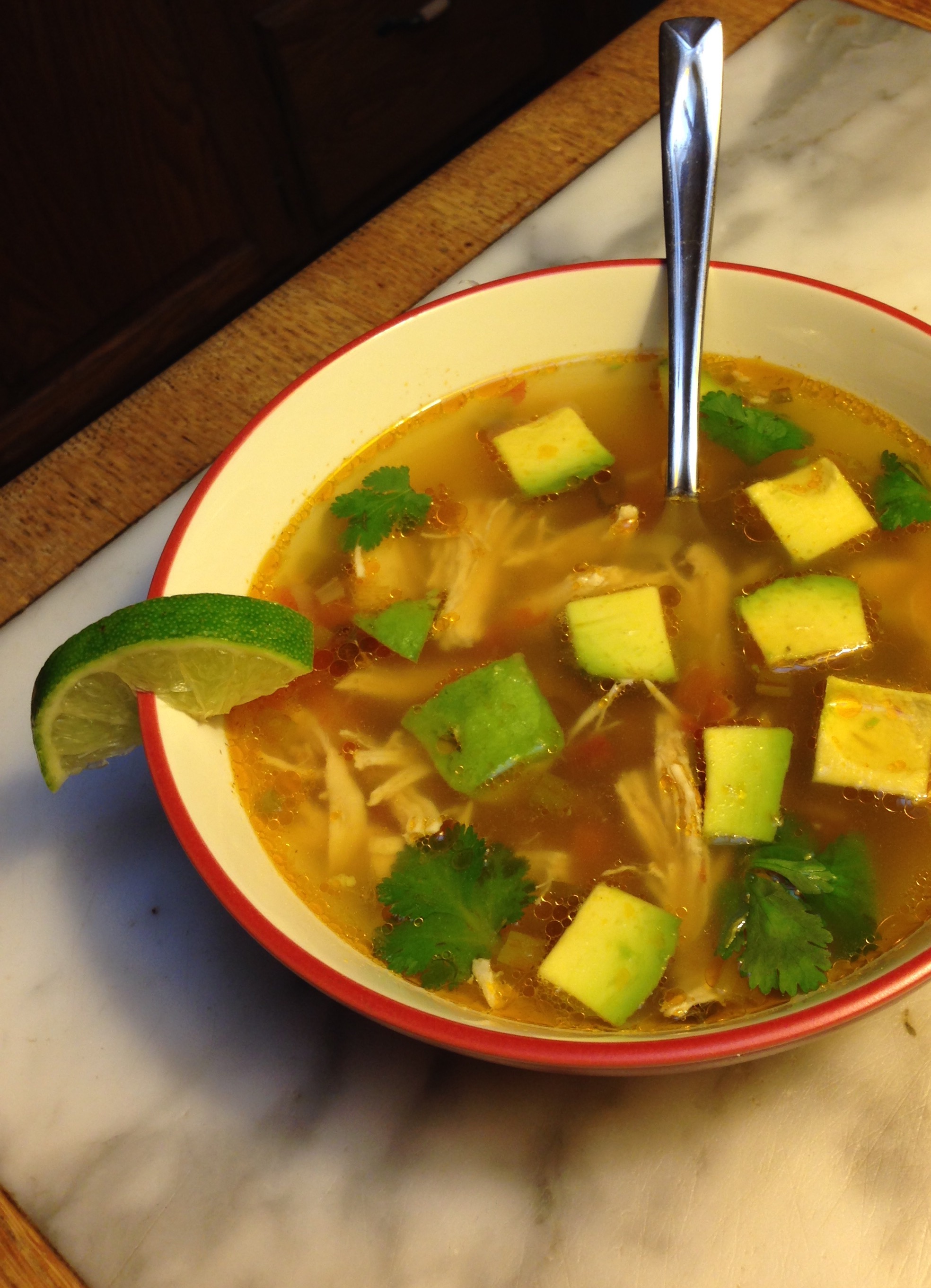
Recipe: Chicken Avocado Soup

FullSizeRender

Avocados in soup? Yeah, I was skeptical, too. But it works amazingly well. Since I provide the nutritional analysis below, you can easily work this into the Low-Carb Mediterranean Diet, Ketogenic Mediterranean Diet, or Paleobetic Diet.

Ingredients

1.5 lb (680 g) boneless skinless chicken breast

1 tbsp (15 ml) olive oil

1 cup (240 ml) chopped green onions

1/2 jalapeno pepper (or 1 or 2 peppers if you wish), seeded and minced (use the seeds, too, if you want it very spicy hot)

2 roma tomatoes (5 oz or 140 g), seeded and diced

2 garlic cloves, minced

60 oz (1,700 g) low-sodium chicken broth

salt and pepper to taste (nutritional analysis below assumes no salt added)

1/2 tsp (2.5 ml) ground cumin

1/3 cup (80 ml) chopped cilantro

3 tbsp (45 ml) fresh lime juice (2 limes should be enough)

3 medium California avocados, peeled, seeded, and cubed

Instructions

Heat up the olive oil in a large pot over medium heat, then add the green onions and jalapeño; sauté until tender (1–2 minutes) then add the garlic and cook another 30 seconds or so. Next into the pot goes the chicken broth, cumin, tomatoes, chicken breasts, and optional salt and pepper. If adding salt, I’d wait until just before serving: taste it and then decide if it needs salt. Bring to a boil with high heat, then reduce heat but keep it  boiling, covered with a lid while the chicken cooks through-out. Cooking time depends on thickness of the breasts and may be 15 to 45 minutes. When done, it should be easy to shred with a fork. Reduce heat to low or warm then remove the chicken breasts and allow them to cool for 5–10 minutes. When cool enough, shred the chicken with your fingers and return it to the pot. Add the cilantro. Ladle 1.5 cups (355 ml) into a bowl, add one fifth or sixth of the avocado cubes (half of an avocado) and the juice of 1/4 to 1/2 lime. Enjoy!

IMG_2233

Serving size: 1.5 cup of soup plus 1/2 of an avocado

Servings per Batch: 5

Advanced Mediterranean Diet boxes: 1 veggie, 1 fat, 1 protein

Nutritional Analysis per Serving:

43 % fat

13 % carbohydrate

44 % protein

350 calories

12 g carbohydrate

8 g fiber

4 g digestible carb

638 mg sodium

1,180 mg potassium

Prominent features: Rich in protein, vitamin B6, vitamin C, niacin, pantothenic acid, phosphorus, selenium; plus a fair amount of fiber

PS: You can fancy this up just before serving by adding a couple large triangular corn tortilla chips (broken into a few bits) or half of a 6-inch (15 cm) corn tortilla (first, microwave for 20 seconds, then break into a bits). Both items each add 5 g of digestible carbohydrate; the tortilla chip option adds 60 calories and the corn tortilla adds 25 calories. Shredded cheese might be a nice topper, too.


3 Comments

Filed under Recipes

Recipe: Roasted Asparagus, Beef Stoup, and Blackberries

low-carb diet, paleobetic diet, diabetic diet

Dinner time!

Since I give you the nutritional analysis below, you can fit this meal into the Low-Carb Mediterranean Diet, Ketogenic Mediterranean Diet, or Paleobetic Diet.

The entree is a cross between stew and soup; stoup, if you will.

Ingredients:

2 lb (0.9 kg) stew meat, lean, bite-sized chunks (tenderized by the butcher if able)

1 garlic clove, finely minced

6 sprigs cilantro, de-stemmed, whole leaves

2 oz (58 g) sweet onion, diced (1/2 of a small onion)

1/4 of a medium-size green bell pepper, de-seeded, diced (medium bell pepper weighs about 5.5 oz or 155 g)

8 oz (227 g) canned tomato sauce

2.5 cups (590 ml) water

1.25 tsp (6.2 ml) table salt

freshly ground black pepper to taste (1/4 tsp or 1.2 ml?)

16 oz (454 g) fresh raw asparagus, no larger in diameter than your little finger, with any dry or woody stalk cut off and discarded

1.5 tbsp extra virgin olive oil

7.5 oz (213 g) raw blackberries

Instructions:

Stoup first. In a frying pan or electric skillet, place the stew meat, cilantro, garlic, bell pepper, onion, and cook over medium heat (350º F or 177º C) until the meat is done. Then add the tomato sauce, two cups of the water, one tsp of the salt, and pepper to taste. Simmer for two hours, then add a half cup water to replace evaporation loss.

low-carb diet, paleobetic diet, diabetic diet

Cooking stew meat. NOTE: this is double the amount the recipe calls for.

paleobetic diet, low-carb diet, diabetic diet

Meat is done and the “gravy” has magically appeared

low-carb diet, diabetic diet, paleobetic diet

Appearance after addition of the tomato sauce and 2 cups (480 ml) water

Now the asparagus. Preheat oven to 400º F or 204º C. Place asparagus on a cooking sheet covered with foil, brush the asparagus with the olive oil, then lightly salt (1/4 tsp?) and pepper to taste. (If you don’t mind cleaning up, just use a baking dish without the foil.) Roast in oven for 8–15 minutes; thicker asparagus takes longer. It’s hard to tell when it’s done just by looking; if it’s still hard, it’s not done. Click for another post I wrote on cooking asparagus and brussels sprouts.

paleobetic diet, low-carb diet, diabetic diet

Asparagus roasted at 400 degrees F for 12 minutes

Enjoy the berries for desert.

low-carb diet, diabetic diet, paleobetic diet

2.5 oz or 1/2 cup of blackberries

Servings: 3 [one serving is 1.5 cups (355 ml) of soup, a third of the asparagus (5 oz (140 g), and 2.5 oz (70 g) berries]

Nutritional Analysis:

40 % fat

12 % carbohydrate

48 % protein

590 calories

19 g carbohydrate

8.5 g fiber

10.5 g digestible carb

1,557 mg sodium

1,778 mg potassium

Prominent features: Rich in protein, B6, B12, copper, iron, niacin, phosphorus, selenium, and zinc

low-carb diet, paleobetic diet, diabetic diet

The fresh cilantro is a nice touch

Comments Off on Recipe: Roasted Asparagus, Beef Stoup, and Blackberries

Filed under Recipes

Save Time by Microwaving Your Spaghetti Squash

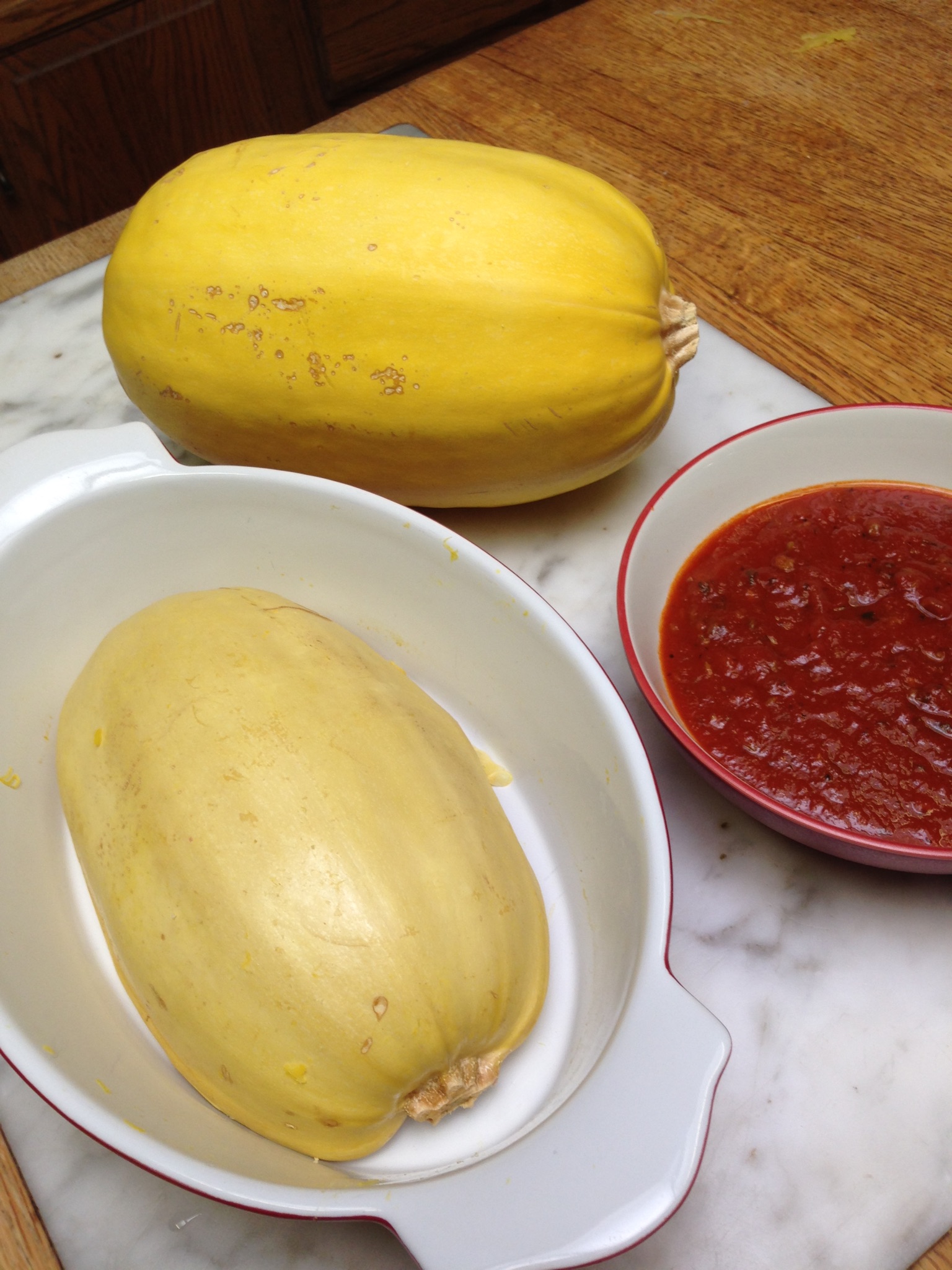
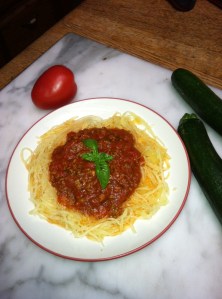
The pale yellow half-squash is cooked. The meaty red sauce is low-carb.

Both of these weighed about 4 pounds (1.8 kg). The pale yellow half-squash is cooked. The meaty red sauce is low-carb.

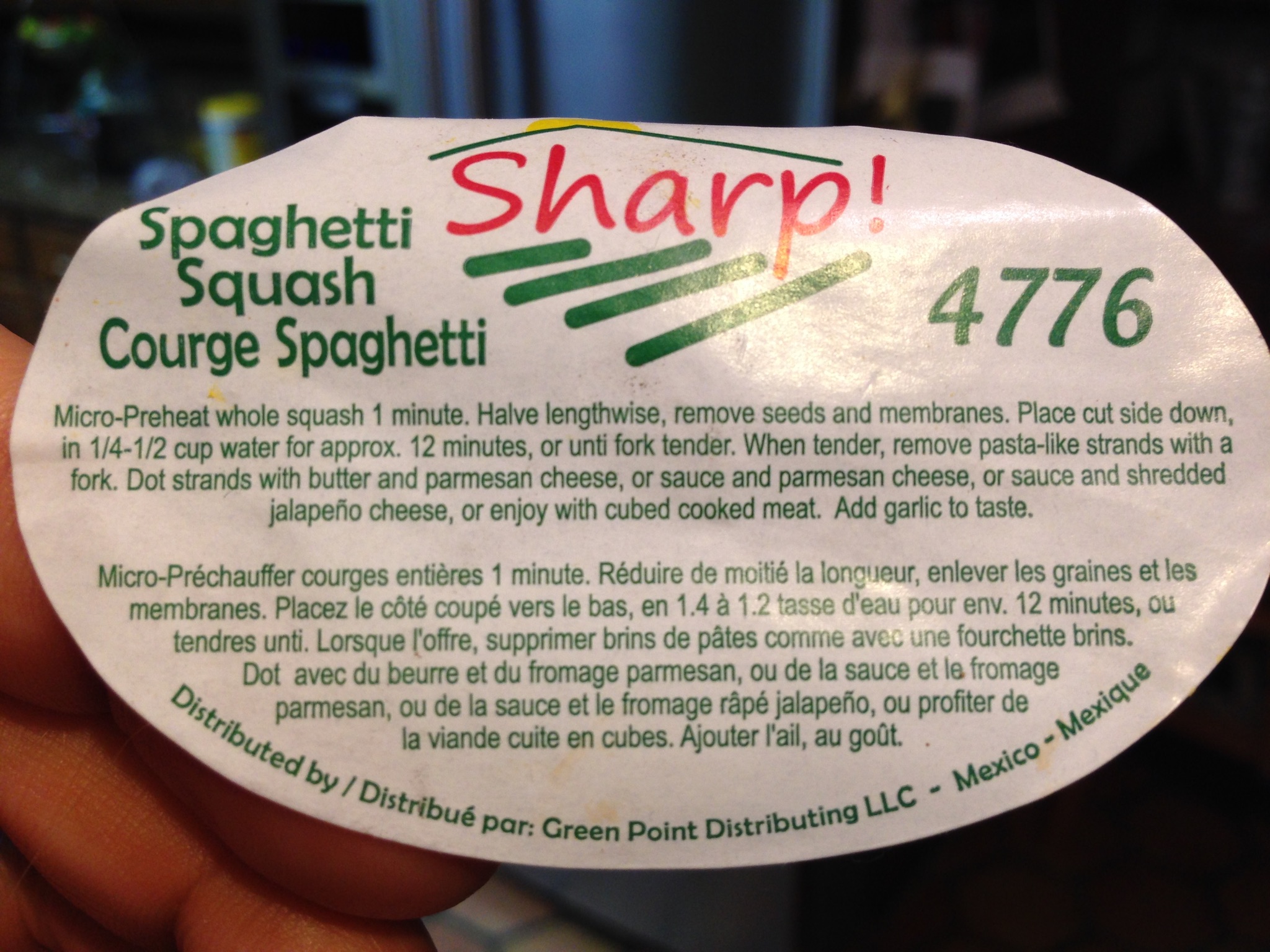
My wife found this new spaghetti squash cooking method—new to us at least—on a sticker attached to a squash. We tried it and the finished product is the same as if done in the traditional oven baking way. The whole process just takes 15 minutes. Here it is:

Hope you can read it

Hope you can read it

A different squash had a different stuck-on cooking method that involved both microwaving AND oven baking. Why make it so complicated?

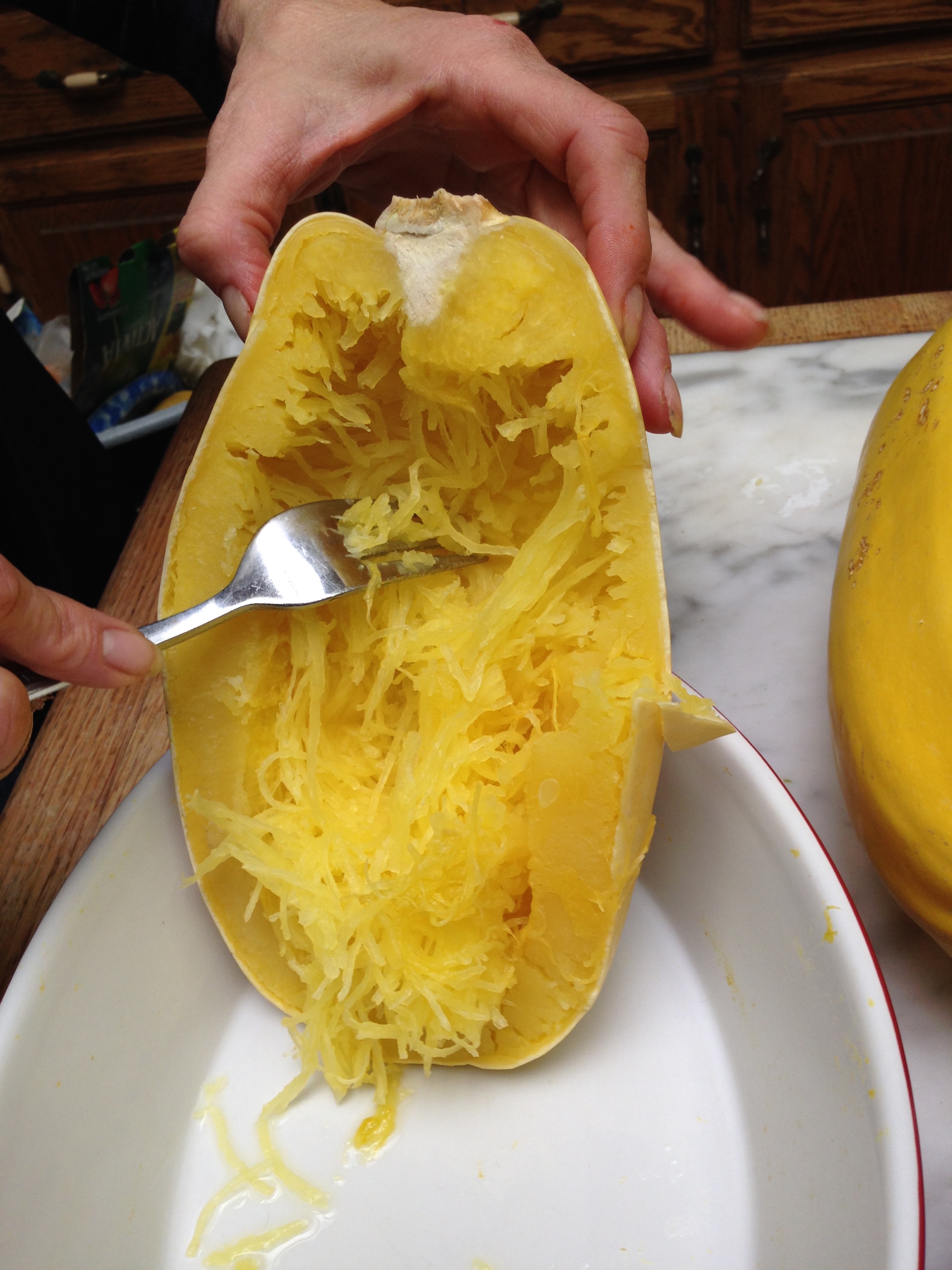
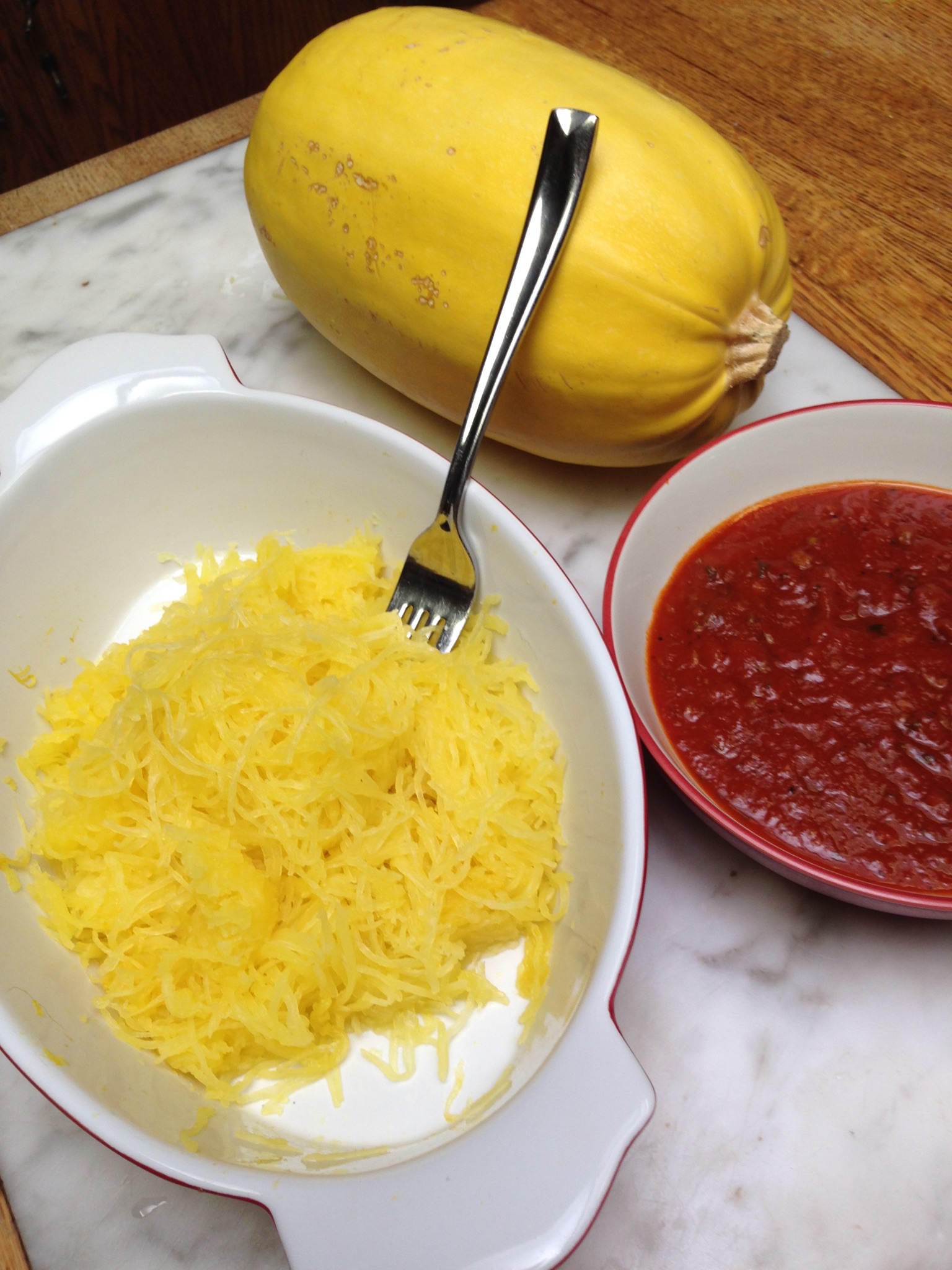
It takes no skill at all to make it look like spaghetti pasta

It takes no skill at all to make it look like spaghetti pasta


IMG_2208

In the northern hemisphere, the spaghetti squash season is autumn and winter. Purchasing in spring and summer may be iffy. We tried one out of season and it was inedible.

Spaghetti Squash Recipes

Low-Carb Spaghetti Sauce

photo-77

IMG_1437


1 Comment

Filed under Recipes

Don’t Settle for Store-Bought Salad Dressing; Try Home-Made AMD Vinaigrette

Salmon tends to dry out when baked; a vinaigrette marinade helps keep it moist

Salmon tends to dry out when baked; a vinaigrette marinade helps keep it moist

Classic vinaigrettes are very low in carbohydrate content. On the other hand, many commercial salad dressings are “enhanced” with added sugar, which you don’t need if you have diabetes.

Try AMD vinaigrette on salads, fresh vegetables, or as a marinade for chicken, fish, or beef. If using as a marinade, keep the entree/marinade combo in the refrigerator for 4–24 hours. Seasoned vinaigrettes taste even better if you let them sit for several hours after preparation.

I’ll warn you, this is pretty spicy. If you prefer less tang, either use less of the vinaigrette, or reduce these particular ingredients by half: lemon juice, salt, pepper, paprika, and mustard.

This recipe was in my first book, The Advanced Mediterranean Diet from 2007; hence, “AMD vinaigrette.” BTW, there’s a second edition of The Advanced Mediterranean Diet from 2012.

Ingredients:

2 garlic cloves (6 g), minced

juice from 1 lemon (40–50 ml)

2/3 cup (160 ml) extra virgin oil olive

4 tbsp (16 g or 60 ml) fresh parsley, finely chopped

1 tsp (5 ml) salt

1 tsp (5 ml) yellow mustard

1 tsp (5 ml) paprika

4 tbsp (60 ml) red wine or apple cider vinegar

Preparation:

In a bowl, combine all ingredients and whisk together. Alternatively, you can put all ingredients in a jar with a lid and shake vigorously—my preferred method. Let sit at room temperature for an hour, for flavors to meld. Then refrigerate. It should “keep” for at least 5 days in refrigerator. The olive oil will solidify, so take it out and set at room temperature for an hour before using. Shake before using.

Number of Servings: 6 servings of 2 tbsp (30 ml). (In Australia and NZ, you guys say “serves” instead of servings, right mate?)

Nutritional Analysis:

98 % fat

2 % carbohydrate

0 % protein

220 calories

1.4 g carbohydrate

0.3 g fiber

1 g digestible carbohydrate

400 mg sodium

41 mg potassium

(You may see a slightly different nutritional analysis—2 g of digestible carb versus 1 g here—at one of my other blogs. That’s the difference between Fitday.com (here) and NutritionData, and rounding.)

Steve Parker, M.D.

Comments Off on Don’t Settle for Store-Bought Salad Dressing; Try Home-Made AMD Vinaigrette

Filed under Recipes

Recipe: Spaghetti Squash Spaghetti


paleobetic diet, diabetic diet, low-carb diet, spaghetti squash, spaghetti

Meaty low-carb spaghetti sauce over spaghetti squash

Making a wholesale switch from the Standard American Diet or most diabetic diets to a very low-carbohydrate diet can be difficult for some under the best of circumstances. For those used to eating carb-heavy pasta, I thought it might be comforting to offer something similar to pasta but with a lower carb count. Hence, spaghetti pasta. The tomatoes in the sauce are an additional source of blood glucose-elevating carbohydrates. So I’ve tried to minimize them by creating a meat-heavy sauce. Nevertheless, a reasonable portion size—two cups 0f squash—tipped me over my usual “20 grams of carbohydrate per meal” limit. In contrast, a single cup of cooked spaghetti pasta by itself—no sauce—has 40 grams of digestible carbohydrate and 220 calories. Add some sauce and the combo could wreck your blood sugar control for a few hours. 


paleobetic diet, spaghetti, squash, low-carb diet, diabetic diet, paleo diet

Cooked spaghetti squash partially teased apart with a fork

Ingredients:

3/4 cup (240 ml) low-carb spaghetti sauce

2 cups (480 ml) cooked spaghetti squash

Instructions:

Prepare the ingredients after clicking on links above. Assemble as in the photo. Enjoy.

Number of Servings: 1

Nutritional Analysis: 

52% fat

33% carbohydrate

15% protein

408 calories

36 g carbohydrate

7 g fiber

29 g digestible carbohydrate

1,398 mg sodium

1,201 mg potassium

Prominent features: Rich in B12, copper, iron, niacin, thiamin, B6

I think you’ll find the two cups of spaghetti squash filling and satisfying. If that’s not enough calories for you, munch on some leftover high-protein food such as chicken or steak.

3 Comments

Filed under Recipes

How to Make a Super Salad Into a Whole Meal

diabetic diet, Paleobetic diet, diabetes,

You won’t be able to eat this in one sitting if you’re small or sedentary

This huge salad is a full meal. It fills a 10-inch plate (25 cm). Since it contains five vegetables, you should feel virtuous eating it. But don’t use that health halo as an excuse for eating a carton of ice cream for dessert.

Ingredients:

8 oz (230 g) raw chicken breast tenderloin (it cooks down to 5 oz)

1/4 cup (60 ml) canned mandarin orange wedges (6-7 wedges) (if you can only find these packed in syrup or light syrup, add 3 g to the digestible carb count below)

1/4 tsp (1.2 ml) lemon pepper seasoning

4 oz (110 g) hearts of romaine lettuce

1 oz (30 g) baby spinach

2.5 oz (1/4 cucumber or 70 g) cucumber, peeled and sliced into discs

2 oz (60 g) California avocado, peeled and seeded, cut into wedges (1/2 of standard-sized avocado)

3 oz (85 g) fresh tomato (a typical roma or small tomato)

1 oz (30 g) walnuts

6 tbsp (90 ml) extra virgin olive oil

2 tbsp (30 ml) vinegar (we used balsamic)

1/4 tsp (1.2 ml) salt

1/4 tsp (1.2 ml) fresh ground black pepper

1/4 tsp (1.2 ml) crushed dried rosemary

diabetic diet, Paleobetic diet, low-carb, seasoning

Like Deborah on “Everybody Loves Raymond,” my wife often makes lemon chicken

Instructions:

First cook the chicken breast over medium heat in a skillet. If you think the meat will stick to the pan, add a smidgen (1/2 tsp or 2.5 ml) of olive oil to the pan. Don’t overcook or the meat will get tough. It’ll take five or 10 minutes.

While that’s cooking, prepare your vinaigrette. In a jar with a lid, place the olive oil, vinegar, salt, pepper, and rosemary, then shake vigorously for 20 seconds. Not 21 or you’ll ruin it. You’re done.

If you use a commercial vinaigrette instead, use one that has no more than 2 g of carbohydrate per 2 tbsp. You may have trouble finding that since so many of the commercial guys add sugar.

Place the lettuce and spinach on a plate then add the cucumber, avocado, tomato, cooked chicken, walnuts, and mandarin orange wedges on top. Drizzle two or three tbsp of the vinaigrette over it (nutritional analysis assumes three). Enjoy.

Servings: 1

(Actually, you’ll have enough vinaigrette left over for one or two more salads or vegetable servings. Save it in the refrigerator.)

Nutritional Analysis:

57 % fat

12 % carbohydrate

31 % protein

710 calories

25 g carbohydrate

10 g fiber

15 g digestible carb

990 mg sodium

1,570 mg potassium

Prominent features: Rich in protein, vitamin A, B6, C, copper, iron, manganese, magnesium, pantothenic acid, selenium, and phosphorus.

low-carb diet, diabetic diet, Paleobetic diet, balsamic vinaigrette,

I like this and use it. The lower left corner says “with EXTRA VIRGIN OLIVE OIL.” In order, the listed ingredients are water, balsamic vinegar, soybean oil and extra virgin olive oil, sugar….  2 tbsp has 3 grams of carb. Which oil would you guess predominates? BTW, balsamic has the most carbs of all the vinegars.

1 Comment

Filed under Recipes

Salads, Vinaigrettes, and Cruets

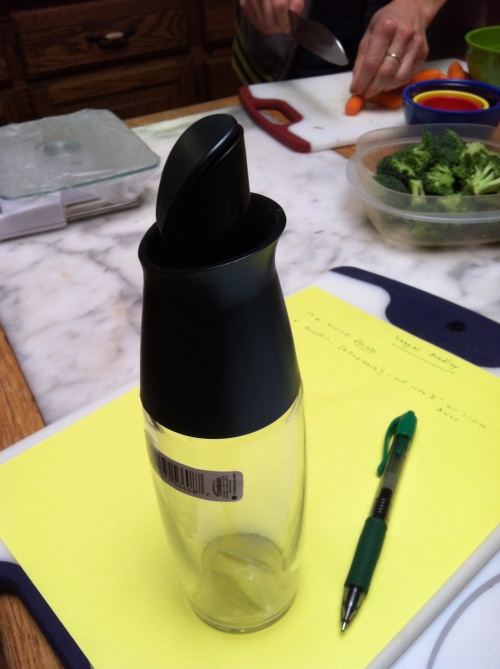
Our new cruet

Our new $8 cruet

If you’re trying to lose weight or keep from getting fat, salads are helpful. I recommend them in my Advanced Mediterranean Diet, Low-Carb Mediterranean Diet, Paleobetic Diet, and Ketogenic Mediterranean Diet.

My favorite salad dressings are vinaigrettes. They can be as simple as olive oil, vinegar, salt and pepper. The problem with most commercial vinaigrettes is the label says “_____ Vinaigrette with olive oil, “but the first listed ingredient is soybean oil (or some other industrial seed oil) and olive oil is somewhere down the line.

Get around that by making your own. Here’s a recipe and a salad to try it on. Also, if you’re watching your carb consumption, the commercial dressings  may sneak in more than you want. Again, avoid that by making your own.

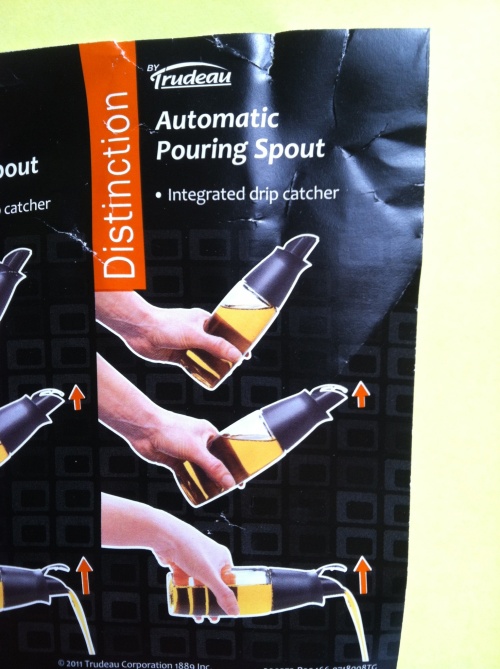
Cruet label

Cruet label

You can make a vinaigrette in a jar with a lid. Add the ingredients then shake to create an emulsion. Or do it in a bowl with a whisk. My wife found us a cruet at the supermarket that I’m hoping will allow mixing, storing, and pouring all from the same attractive container. I’ll let you know if it doesn’t work out; I’m afraid it will leak when I shake it.

Steve Parker, M.D.

PS: It leaked. This device is for a liquid that you won’t be shaking.

Comments Off on Salads, Vinaigrettes, and Cruets

Filed under Recipes

Spaghetti Squash Recipes

low-carb diet, spaghetti squash, paleobetic diet, diabetic diet

The yellow spaghetti squash is at the top. It’s related to pumpkins and zucchini.

Spaghetti squash is a classic low-carb vegetable. If you’ve never tried it, you should. As vegetables go, it’s one of the largest, heaviest, and most interesting to prepare. Easy, too. The spaghetti squash season is autumn and winter in the northern hemisphere. Purchasing in spring and summer may be iffy.

It’s hard to give up pasta. Many diabetics who don’t notice that their blood sugar levels spike too high when they eat pasta. What’s too high? In general, I’d say over 150 mg/dl (8.33 mmol/l) measured one hour after a meal, or over 130 mg/dl (7.22 mmol/l) two hours after the meal.

Other experts disagree and propose other numbers.

An alternative to spaghetti pasta that shouldn’t raise blood glucose levels as high is the aforementioned spaghetti squash. It’s all about the carbohydrates. A cup of cooked spaghetti squash has 10 g of carb; a cup of cooked spaghetti has 43 g. The fiber grams are about the same. Numbers are from FitDay.com.

In my part of the world, supermarket spaghetti squashes weigh between two and five pounds. We cooked a three-pounder (1.4 kg) that yielded five cups; a five-pounder (2.3 kg) gave us 12 cups. A serving size is one, maybe two cups. What you don’t eat immediately stays fresh in the refrigerator for at least several days. Re-heat by microwaving or stir-frying.

Like pasta and potatoes, the squash by itself is bland. It’s a great substrate for sauces or seasonings.

You can fit spaghetti squash into both the Ketogenic Mediterranean Diet and Low-Carb Mediterranean Diet.

low-carb diet, paleobetic diet, diabetic diet, spaghetti squash

Raw squash cut in half lengthwise

Here’s how we cook it at the Parker Compound. Preheat the oven to 375º F 0r 190º C. Very carefully slice the squash in half lengthwise. Spoon out and discard the guts (seeds and membranes like a pumpkin; it even smells like a pumpkin). Put the halves flat-side down in a pan, then add a half inch (1.3 cm) of water to the pan. Cover with foil and bake until the outer shell (rind) is fairly easily pierced with a paring knife. This will be about 45 minutes for a two-pound squash (0.9 kg); 90 minutes for a four-plus pounder (2.3+ kg). Then turn them over, re-cover with foil, and cook 15 minutes more, until very tender. Remove from the oven and allow them to cool for a few minutes. Then use a fork to pull the strands away from the rind.

Other cooks simplify the process and just place the squash halves flat-side down on a baking sheet and cook for 30-60 minutes. Some leave the seeds in while cooking and spoon them out just before the stranding step.

Now what?

You got options.

Our first experiment was with l0w-carb spaghetti sauce.

paleobetic diet, low-carb diet, diabetic diet, spaghetti squash

Low-carb spaghetti

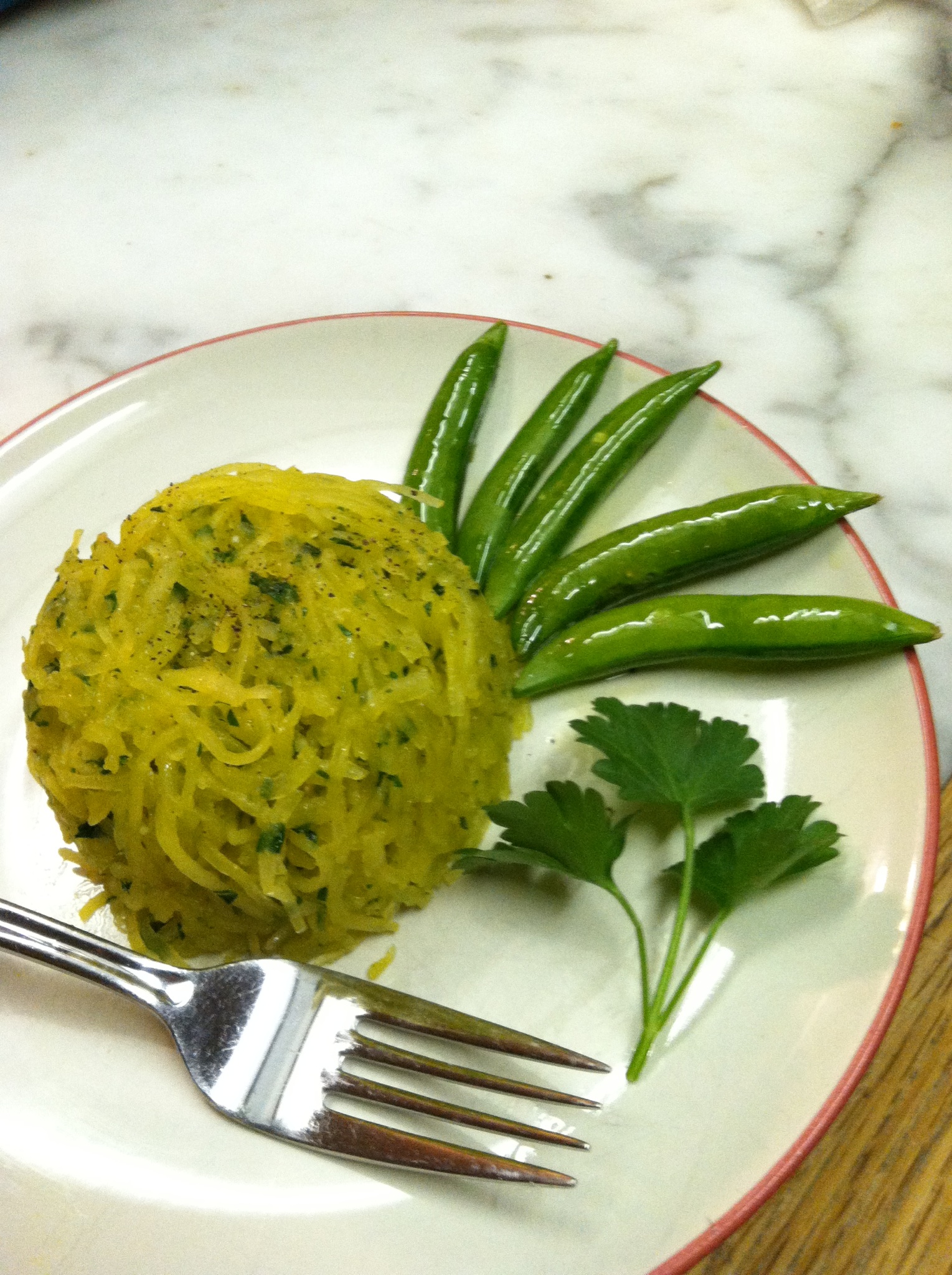
Next we took three cups squash (710 ml) and mixed in 2 tbsp (30 ml) extra virgin olive oil, 2.5 tbsp (37 ml) chopped parsley, 1/2 tsp (2.5 ml) minced fresh garlic, 1/2 tsp (2.5 ml) salt, and 1/8 tsp (0.6 ml) black pepper.

low-carb diet, diabetic diet, paleobetic diet

Seasoned with parsley, olive oil, garlic, salt, pepper

Finally, we took a cup (240 ml) of the squash and added minced celery (4 inches or 10 cm of stalk), 3 minced black olives, 5/8 oz (18 g) of minced sweet (bell) pepper, 1/2 clove of minced garlic, salt (a dash), and pepper to taste.

paleobetic diet, diabetic diet, low-carb diet, spaghetti squash

Seasoned with sweet peppers, black olives, garlic, celery, and salt

These last two options I consider side dishes. By the way, they taste good either cold or warm. They would go well with a number of entrees, such as steak or salmon.

I’ve read that this squash is good with pesto, or just with salt and butter.

Nutrition facts from FitDay.com:

One cup of cooked spaghetti squash has 75 calories (I’ve seen 42 elsewhere), 10 g of carbohydrate, 2 g of fiber, 8 g of digestible carb, 4 g of fat (predominantly MUFA), minimal protein, and a fair amount of vitamins A, niacin, B6, and C. Plus 8% of your RDA for manganese.

Steve Parker, M.D.


1 Comment

Filed under Recipes

Low-Carb Spaghetti Sauce

paleobetic diet, low-carb  spaghetti sauce

Spaghetti squash in the background

We eat a lot of spaghetti sauce at the Parker Compound. We make enough for leftovers at subsequent meals. Many folks with diabetes get unacceptable blood sugar spikes when they eat typical wheat-based spaghetti or other pastas. Avoid that with a spaghetti substitute called spaghetti squash (click for the recipe and nutritional analysis).

This recipe uses Truvia, a sweetener that’s a combination of stevia and erythritol. If you don’t have any, don’t fret: you have options.

Stevia is supposedly “natural.” I don’t know where erythritol, a sugar alcohol, comes from. The purpose of a sweetener is to counteract the tartness or bitterness of the tomatoes. Honey would probably serve this purpose, but I’ve never tried it in this recipe. If you use the honey or table sugar option below, it will increase the digestible carb count in each cup by three grams. Whatever your favorite non-caloric sweetener, use the equivalent of two tablespoons of table sugar (sucrose).

Ingredients:

1 lb (454 g) sweet Italian sausage, removed from casing

3/4 lb (340 g kg) lean ground beef (lean = up to 10% fat by weight)

1/2 cup (118 ml) onion, minced

2 cloves garlic, crushed

1 can crushed tomatoes (28 oz or 793 g)

2 cans tomato paste (total of 12 oz or 340 g)

2 cans tomato sauce (total of 16 oz or 454 g)

1/2 cup water (118 ml)

2 tsp (10 ml) Truvia (combo of stevia and erythritol; optional substitutes are table sugar  (2 tbsp or 30 ml) or honey (1.5 tbsp or 22 ml), or leave out sweetener

1.5 tsp (7.4 ml) dried basil leaves

1/2 tsp (2.5 ml) fennel seeds

1 tsp (5 ml) Italian seasoning

1/4 tbsp (3.7 ml) salt

1/4 tsp (1.2 ml) ground black pepper

4 tbsp (60 ml) fresh parsley, chopped

Instructions:

Put the sausage, ground beef, onion, and garlic in a pan and cook over medium heat until well browned. Drain off the excess liquid fat if that’s your preference (not mine). You’ll probably have to transfer that mix to a pot, then add all remaining ingredients and simmer on low heat for two or three hours. You may find the flavor even better tomorrow. If it gets too thick, just add water.

To avoid carbohydrate toxicity—high blood sugar—eat this over spaghetti squash rather than pasta. I’ll have a post on cooking spaghetti squash soon. Small or inactive folks may find a half cup of sauce over one cup of cooked squash is a reasonable serving (about 250 calories). I prefer to double those portions, making it a whole meal.

Sometimes I just eat this sauce straight. But I’m weird. A cup of sauce with some veggies or fruit is a meal for me. If you have other uses for spaghetti sauce other than over spaghetti squash or grain products, please share in the Comments.

Number of Servings: 9 (1-cup each)

Nutritional Analysis: (assumes you retained all fat)

55% fat

23% carbohydrate

22% protein

345 calories

21 g carbohydrate

4 g fiber

17 g digestible carbohydrate

985 mg sodium

1,117 mg potassium

Prominent features: Rich in vitamin B12, iron, copper, niacin, sodium, and selenium

4 Comments

Filed under Recipes

Low-Carb Recipe: Turkey Tomato Bowl plus Macadamia Nuts

paleobetic diet, low-carb

Not enough tomatoes here to spike your blood sugar

With the high price of hamburger and steak, we’re eating more turkey at the Parker Compound. This is what I did with some of our leftover Thanksgiving turkey last year. If you don’t have leftover turkey, I bet leftover chicken or steak would be  fine substitutes. I’m tempted to try it with salmon or canned tuna or chicken. In addition to the flavor, what I like about this meal is that it’s crazy quick. You can easily work this meal into the Low-Carb Mediterranean Diet or Ketogenic Mediterranean Diet.

Ingredients:

6 oz (170 g) cooked turkey chunks, light meat (or 8 oz (225 g) if you’re starting raw and planning to cook it)

5 oz (140 g) raw tomato (2 small roma tomatoes, for example), cut into chunks

2 tbsp (30 ml) balsamic vinaigrette

black pepper to taste

1 oz (30 g) roasted macadamia nuts

paleobetic diet, low-carb, diabetes, diabetic diet, paleo diet

These roma tomatoes were amazingly flavorful for late Fall in the northern hemisphere. Before cooking, my wife injected the bird with olive oil, massaged periodically over 30 minutes, then popped it in the oven.

Instructions:

Toss the turkey and tomato chunks in a bowl, splash on the vinaigrette, then microwave for 60-80 seconds. Pepper as desired. Drink the leftover juice right out of the bowl. Enjoy with macadamia nuts for dessert and you’ve got a full meal.

Discussion:

paleobetic diet, low-carb, diabetes, diabetic diet

Grok wouldn’t have access to this

I was lazy when I made this so I just used a commercial salad dressing rather than making my own vinaigrette. I like the flavor of Wish-Bone Balsamic Vinaigrette Dressing “with extra virgin olive oil.” Here are the top ingredients, in order: water, balsamic vinegar, soybean oil and extra virgin olive oil (sic), sugar, salt, spices, etc. So the oil could have been soybean oil with one drop of EVOO for all I know. Olive oil is a rich source of monounsaturated fatty acid, so you might be able to calculate how much EVOO was in the dressing if I tell you there were five grams of fat per two tbsp (30 ml) serving, of which 1.5 grams were monounsaturated. That serving also has three grams of carbohydrate (all sugar) and only 60 calories. Right there on the bottle is says” gluten-free” and “no high fructose corn syrup.” I bet it had HFCS in it three years ago and there would be no mention of the trendy “gluten-free.”

I don’t know any home cooks who add water to vinaigrettes. They are essentially oil and vinegar (in a ratio of 3:1) and spices. The ones I make have quite a bit more than 60 calories per two tbsp (30 ml); more like 220 cals. All of the oils you would use have about 120 calories per tbsp, all from fat. If you make this recipe with home-made vinaigrette, add 150 calories to the nutritional analysis below. It won’t affect the carb count.

Note that of the common vinegars, balsamic has the most carbohydrates—some vinegars have zero. If you use typical amounts of balsamic vinaigrette, you shouldn’t need to worry about the carbohydrates unless perhaps you’re on a strict ketogenic diet and limited to 20-30 grams of carb daily.

Servings: 1

Nutritional Analysis:

58% fat

7% carbohydrate

35% protein

620 calories

11.5 g carbohydrate

3.7 g fiber

8 g digestible carbohydrate

743 mg sodium

877 mg potassium

Prominent features: High in protein, vitamin B6, iron, manganese, niacin, phosphorus, selenium, and zinc.

paleobetic diet, low-carb, diabetic diet, paleo diet

Bonus pic! A horse at the Parker Compound, an old-style Morgan. I call him Java but his formal name’s Espresso.

Comments Off on Low-Carb Recipe: Turkey Tomato Bowl plus Macadamia Nuts

Filed under Recipes