“Doc, Will I Get Mercury Poisoning From the Fish You Recommend?”

paleo diet, low-carb, Steve Parker MD

 A beautiful brown trout

The Environmental Working Group published an article reviewing the risk of mercury poisoning from seafood consumption. I’m not familiar with EWG. I’m trying not to hold it against them that Dr. Mark Hyman is on the board of directors.

Anyway, the EWG has some advice for you if you worry about mercury toxicity from fish. I try to stay up to date on the issue since I’m convinced that consumption of cold-water fatty fish twice a week is good for your health, in general. If the mercury doesn’t kill you. Seafood is key component of the Ketogenic Mediterranean Diet, the foundation of the Low-Carb Mediterranean Diet.

Here are some quotes from the EWG article:

…EWG has compiled a list of “moderate mercury” species that would pose a mercury risk for pregnant woman and children who eat fish regularly. This list is more comprehensive than the 2004 EPA/FDA advisory, which warned that women of childbearing age and young children, who are most susceptible to the damage done by mercury, should eat only six ounces a week of albacore tuna and should avoid four other high-mercury species – swordfish, tilefish, king mackerel and shark.

EWG rightly points out that much of the “seafood” consumed in the U.S. really doesn’t provide much of the healthful omega-3 fatty acids.

Among popular seafood species, salmon stands out as an excellent choice.  Four to eight ounces of salmon weekly, depending on the species, can provide 100 percent of the recommended amount of omega-3s. Some types of farmed salmon present significant environmental health concerns. EWG recommends that people choose wild salmon instead.

EWG’s analysis highlights several other affordable and sustainably produced species, including anchovies, sardines, farmed trout, and mussels.  Just four to eight ounces of these species weekly would meet recommended omega-3 requirements for pregnant women and people with heart disease.

***

Americans eat more than 400 million pounds of canned imported tuna because it is affordable and can be stored for a long time. Canned tuna is the second most popular seafood in the U.S., after shrimp.  An average American eats an average of 2.5 pounds of tuna every year (NOAA 2012).  Albacore tuna, also called “white” tuna, contains significant amounts of omega-3s, but tests indicate that it also contains significant amounts of mercury. “Light” tuna is usually skipjack tuna but can also contain yellowfin tuna. Skipjack and yellowfin have lower mercury levels than albacore, but fewer omega-3s.

As Jim Gaffigan asked, “Has anyone even bothered to ask why the tuna are eating mercury?”

In 30 years of practicing medicine, including 12 years right on the Gulf Coast, I’ve never seen a case of mercury toxicity. Maybe I’ve missed it. Maybe it’s quite rare.

Read the whole enchilada.

Steve Parker, M.D.

h/t Conner Middelmann-Whitney

1 Comment

Filed under Fish, Mediterranean Diet

Recipe: Roasted Asparagus, Beef Stoup, and Blackberries

low-carb diet, paleobetic diet, diabetic diet

Dinner time!

Since I give you the nutritional analysis below, you can fit this meal into the Low-Carb Mediterranean Diet, Ketogenic Mediterranean Diet, or Paleobetic Diet.

The entree is a cross between stew and soup; stoup, if you will.

Ingredients:

2 lb (0.9 kg) stew meat, lean, bite-sized chunks (tenderized by the butcher if able)

1 garlic clove, finely minced

6 sprigs cilantro, de-stemmed, whole leaves

2 oz (58 g) sweet onion, diced (1/2 of a small onion)

1/4 of a medium-size green bell pepper, de-seeded, diced (medium bell pepper weighs about 5.5 oz or 155 g)

8 oz (227 g) canned tomato sauce

2.5 cups (590 ml) water

1.25 tsp (6.2 ml) table salt

freshly ground black pepper to taste (1/4 tsp or 1.2 ml?)

16 oz (454 g) fresh raw asparagus, no larger in diameter than your little finger, with any dry or woody stalk cut off and discarded

1.5 tbsp extra virgin olive oil

7.5 oz (213 g) raw blackberries

Instructions:

Stoup first. In a frying pan or electric skillet, place the stew meat, cilantro, garlic, bell pepper, onion, and cook over medium heat (350º F or 177º C) until the meat is done. Then add the tomato sauce, two cups of the water, one tsp of the salt, and pepper to taste. Simmer for two hours, then add a half cup water to replace evaporation loss.

low-carb diet, paleobetic diet, diabetic diet

Cooking stew meat. NOTE: this is double the amount the recipe calls for.

paleobetic diet, low-carb diet, diabetic diet

Meat is done and the “gravy” has magically appeared

low-carb diet, diabetic diet, paleobetic diet

Appearance after addition of the tomato sauce and 2 cups (480 ml) water

Now the asparagus. Preheat oven to 400º F or 204º C. Place asparagus on a cooking sheet covered with foil, brush the asparagus with the olive oil, then lightly salt (1/4 tsp?) and pepper to taste. (If you don’t mind cleaning up, just use a baking dish without the foil.) Roast in oven for 8–15 minutes; thicker asparagus takes longer. It’s hard to tell when it’s done just by looking; if it’s still hard, it’s not done. Click for another post I wrote on cooking asparagus and brussels sprouts.

paleobetic diet, low-carb diet, diabetic diet

Asparagus roasted at 400 degrees F for 12 minutes

Enjoy the berries for desert.

low-carb diet, diabetic diet, paleobetic diet

2.5 oz or 1/2 cup of blackberries

Servings: 3 [one serving is 1.5 cups (355 ml) of soup, a third of the asparagus (5 oz (140 g), and 2.5 oz (70 g) berries]

Nutritional Analysis:

40 % fat

12 % carbohydrate

48 % protein

590 calories

19 g carbohydrate

8.5 g fiber

10.5 g digestible carb

1,557 mg sodium

1,778 mg potassium

Prominent features: Rich in protein, B6, B12, copper, iron, niacin, phosphorus, selenium, and zinc

low-carb diet, paleobetic diet, diabetic diet

The fresh cilantro is a nice touch

Comments Off on Recipe: Roasted Asparagus, Beef Stoup, and Blackberries

Filed under Recipes

Merry Christmas!

Credit: Zvonimir Atletic / Shutterstock.com

Credit: Zvonimir Atletic / Shutterstock.com

2 Comments

Filed under Uncategorized

Could Glucagon Be Just as Important as Insulin in Diabetes?

I couldn't find a pertinent picture

I couldn’t find a pertinent picture

Everybody knows that insulin is the key hormone gone haywire in diabetes, right? Did you know it’s not the only one out of whack? Roger Unger and Alan Cherrington in The Journal of Clinical Investigation point out that another hormone—glucagon—is also very important in regulation of blood sugar in both types of diabetes.

Insulin has a variety of actions the ultimately keep blood sugar levels from rising dangerously high. Glucagon, on the other hand, keeps blood sugar from dropping too low. For instance, when you stop eating food, as in an overnight or longer fast, glucagon stimulates glucose (sugar) production by your liver so you don’t go into a hypoglycemic coma and die. It does the same when you exercise, as your muscles soak up glucose from your blood stream.

Glucagon works so well to raise blood sugar that we inject it into diabetics who are hypoglycemic but comatose or otherwise unable to swallow carbohydrates.

Glucagon also has effects on fatty acid metabolism, ketone production, and liver protein metabolism, but this post is already complicated enough.

So where does glucagon come from? The islets of Langherhans, for one. You already know the healthy pancreas has beta cells that produce insulin. The pancreas has other cells—alpha or α cells—that produce glucagon. Furthermore, the stomach and duodenum (the first part of the small intestine) also have glucagon-producing alpha cells. The insulin and glucagon work together to keep blood sugar in an fairly narrow range. Insulin lowers blood sugar, glucagon raises it. It’s sort of like aiming for a hot bath by running a mix of cold and very hot water.

Update: I just licensed this from Shutterstock.com

Update: I just licensed this from Shutterstock.com

Ungar and Cherrington say that one reason it’s so hard to tightly control blood sugars in type 1 diabetes is because we don’t address the high levels of glucagon. The bath water’s not right because we’re fiddling with just one of the faucets. Maybe we’ll call this the Goldilocks Theory of Diabetes.

When you eat carbohydrates, your blood sugar starts to rise. Beta cells in the healthy pancreas start secreting insulin to keep a lid on the blood sugar rise. This is not the time you want uncontrolled release of glucagon from the alpha cells, which would work to raise blood sugars further. Within the pancreas, beta and alpha cells are in close proximity. Insulin from the beta cells directly affects the nearby alpha cells to suppress glucagon release. This localized hormone effect is referred to as “paracrine guidance” in the quote below, and it takes very little insulin to suppress glucagon.

From the Ungar and Cherrington article:

Here, we review evidence that the insulinocentric view of metabolic homeostasis is incomplete and that glucagon is indeed a key regulator of normal fuel metabolism, albeit under insulin’s paracrine guidance and control. Most importantly, we emphasize that, whenever paracrine control by insulin is lacking, as in T1DM, the resulting unbridled hyperglucagonemia is the proximal cause of the deadly consequences of uncontrolled diabetes and the glycemic volatility of even “well-controlled” patients.

*  *  *

All in all, it would seem that conventional monotherapy with insulin is incomplete because it can provide paracrine suppression of glucagon secretion only by seriously overdosing the extrapancreatic tissues.

So What?

Elucidation of diabetes’ disease mechanisms (pathophysiology) can lead to new drugs or other therapies that improve the lives of diabetics. A potential drug candidate is leptin, known to suppress glucagon hyper secretion in rodents with type 1 diabetes.

RTWT.

Steve Parker, M.D.

PS: Amylin is yet another hormone involved in blood sugar regulation, but I’ll save that for another day. If you can’t wait, read about it here in my review of pramlintide, a drug for type 1 diabetes.

10 Comments

Filed under Causes of Diabetes

Save Time by Microwaving Your Spaghetti Squash

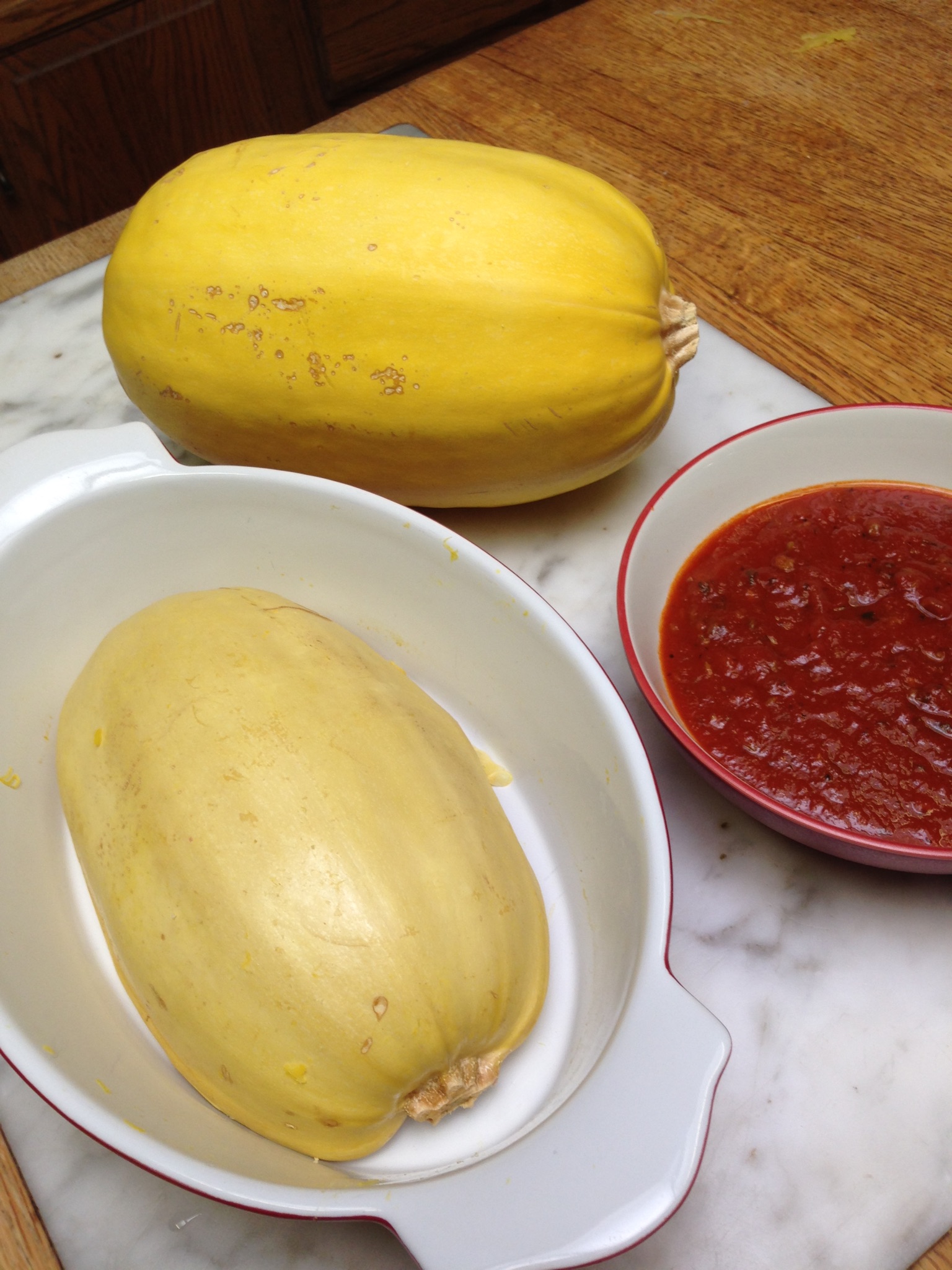
The pale yellow half-squash is cooked. The meaty red sauce is low-carb.

Both of these weighed about 4 pounds (1.8 kg). The pale yellow half-squash is cooked. The meaty red sauce is low-carb.

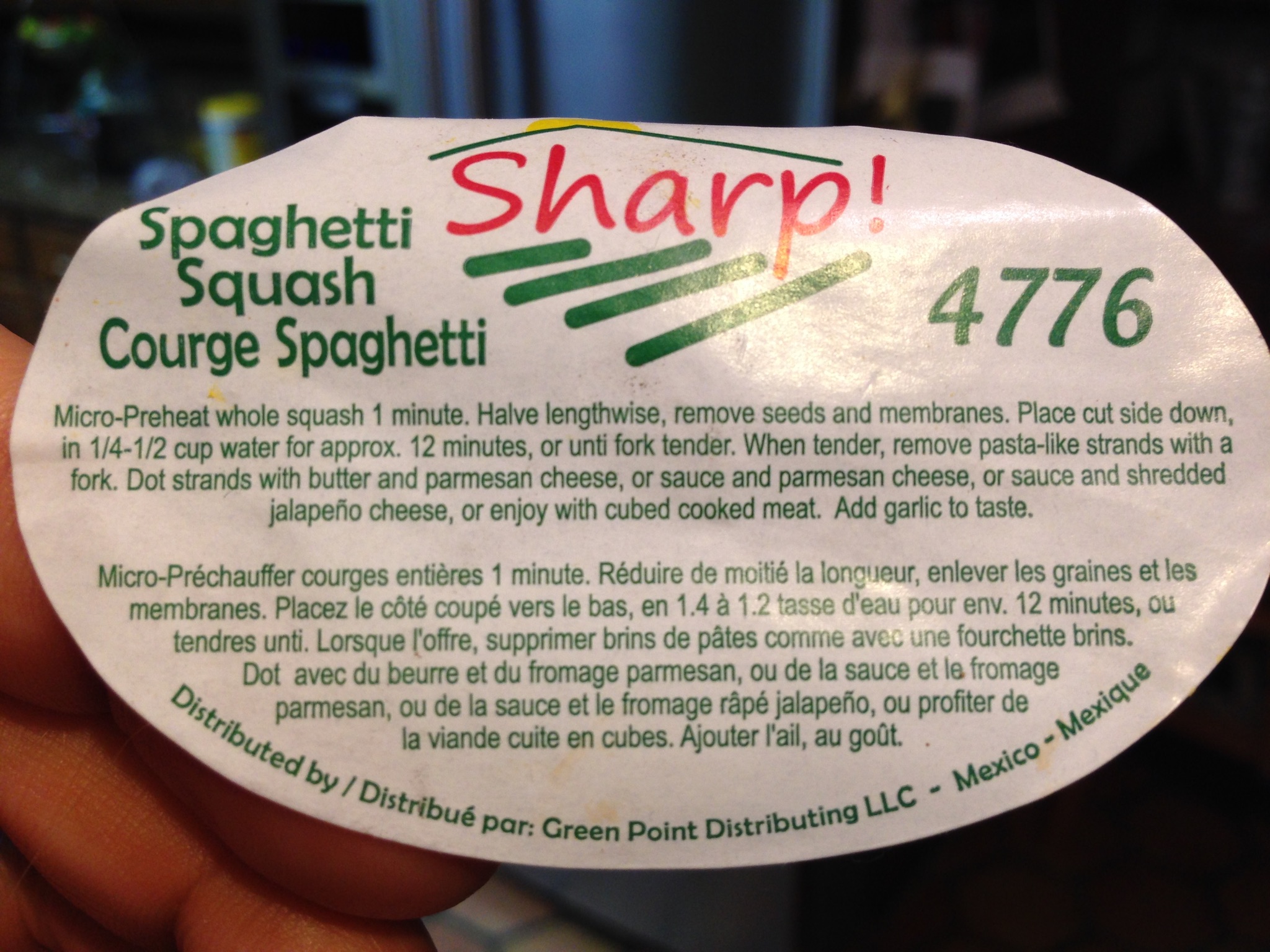
My wife found this new spaghetti squash cooking method—new to us at least—on a sticker attached to a squash. We tried it and the finished product is the same as if done in the traditional oven baking way. The whole process just takes 15 minutes. Here it is:

Hope you can read it

Hope you can read it

A different squash had a different stuck-on cooking method that involved both microwaving AND oven baking. Why make it so complicated?

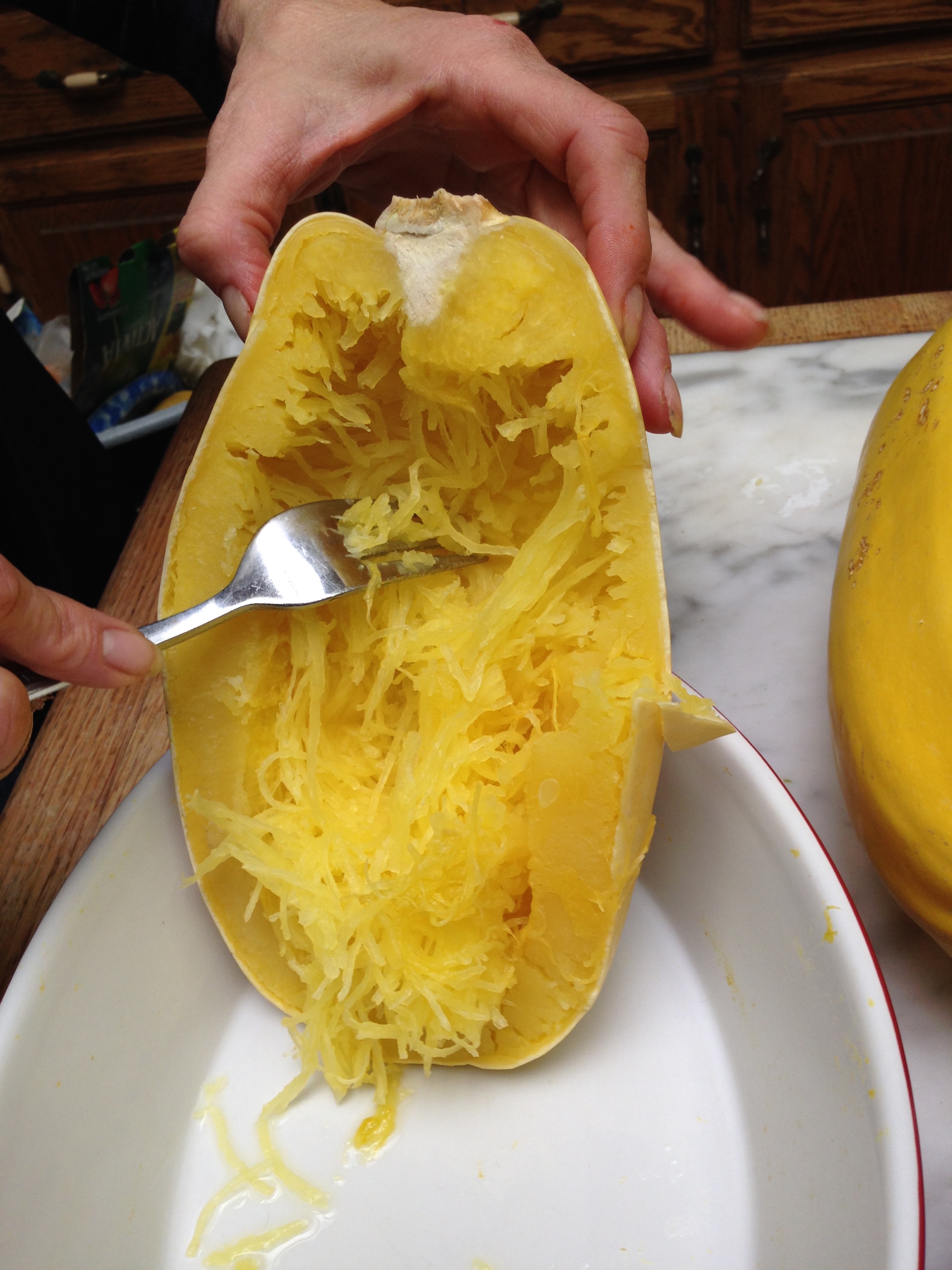
It takes no skill at all to make it look like spaghetti pasta

It takes no skill at all to make it look like spaghetti pasta


IMG_2208

In the northern hemisphere, the spaghetti squash season is autumn and winter. Purchasing in spring and summer may be iffy. We tried one out of season and it was inedible.

Spaghetti Squash Recipes

Low-Carb Spaghetti Sauce

photo-77

IMG_1437


1 Comment

Filed under Recipes

Don’t Settle for Store-Bought Salad Dressing; Try Home-Made AMD Vinaigrette

Salmon tends to dry out when baked; a vinaigrette marinade helps keep it moist

Salmon tends to dry out when baked; a vinaigrette marinade helps keep it moist

Classic vinaigrettes are very low in carbohydrate content. On the other hand, many commercial salad dressings are “enhanced” with added sugar, which you don’t need if you have diabetes.

Try AMD vinaigrette on salads, fresh vegetables, or as a marinade for chicken, fish, or beef. If using as a marinade, keep the entree/marinade combo in the refrigerator for 4–24 hours. Seasoned vinaigrettes taste even better if you let them sit for several hours after preparation.

I’ll warn you, this is pretty spicy. If you prefer less tang, either use less of the vinaigrette, or reduce these particular ingredients by half: lemon juice, salt, pepper, paprika, and mustard.

This recipe was in my first book, The Advanced Mediterranean Diet from 2007; hence, “AMD vinaigrette.” BTW, there’s a second edition of The Advanced Mediterranean Diet from 2012.

Ingredients:

2 garlic cloves (6 g), minced

juice from 1 lemon (40–50 ml)

2/3 cup (160 ml) extra virgin oil olive

4 tbsp (16 g or 60 ml) fresh parsley, finely chopped

1 tsp (5 ml) salt

1 tsp (5 ml) yellow mustard

1 tsp (5 ml) paprika

4 tbsp (60 ml) red wine or apple cider vinegar

Preparation:

In a bowl, combine all ingredients and whisk together. Alternatively, you can put all ingredients in a jar with a lid and shake vigorously—my preferred method. Let sit at room temperature for an hour, for flavors to meld. Then refrigerate. It should “keep” for at least 5 days in refrigerator. The olive oil will solidify, so take it out and set at room temperature for an hour before using. Shake before using.

Number of Servings: 6 servings of 2 tbsp (30 ml). (In Australia and NZ, you guys say “serves” instead of servings, right mate?)

Nutritional Analysis:

98 % fat

2 % carbohydrate

0 % protein

220 calories

1.4 g carbohydrate

0.3 g fiber

1 g digestible carbohydrate

400 mg sodium

41 mg potassium

(You may see a slightly different nutritional analysis—2 g of digestible carb versus 1 g here—at one of my other blogs. That’s the difference between Fitday.com (here) and NutritionData, and rounding.)

Steve Parker, M.D.

Comments Off on Don’t Settle for Store-Bought Salad Dressing; Try Home-Made AMD Vinaigrette

Filed under Recipes

Recipe: Spaghetti Squash Spaghetti


paleobetic diet, diabetic diet, low-carb diet, spaghetti squash, spaghetti

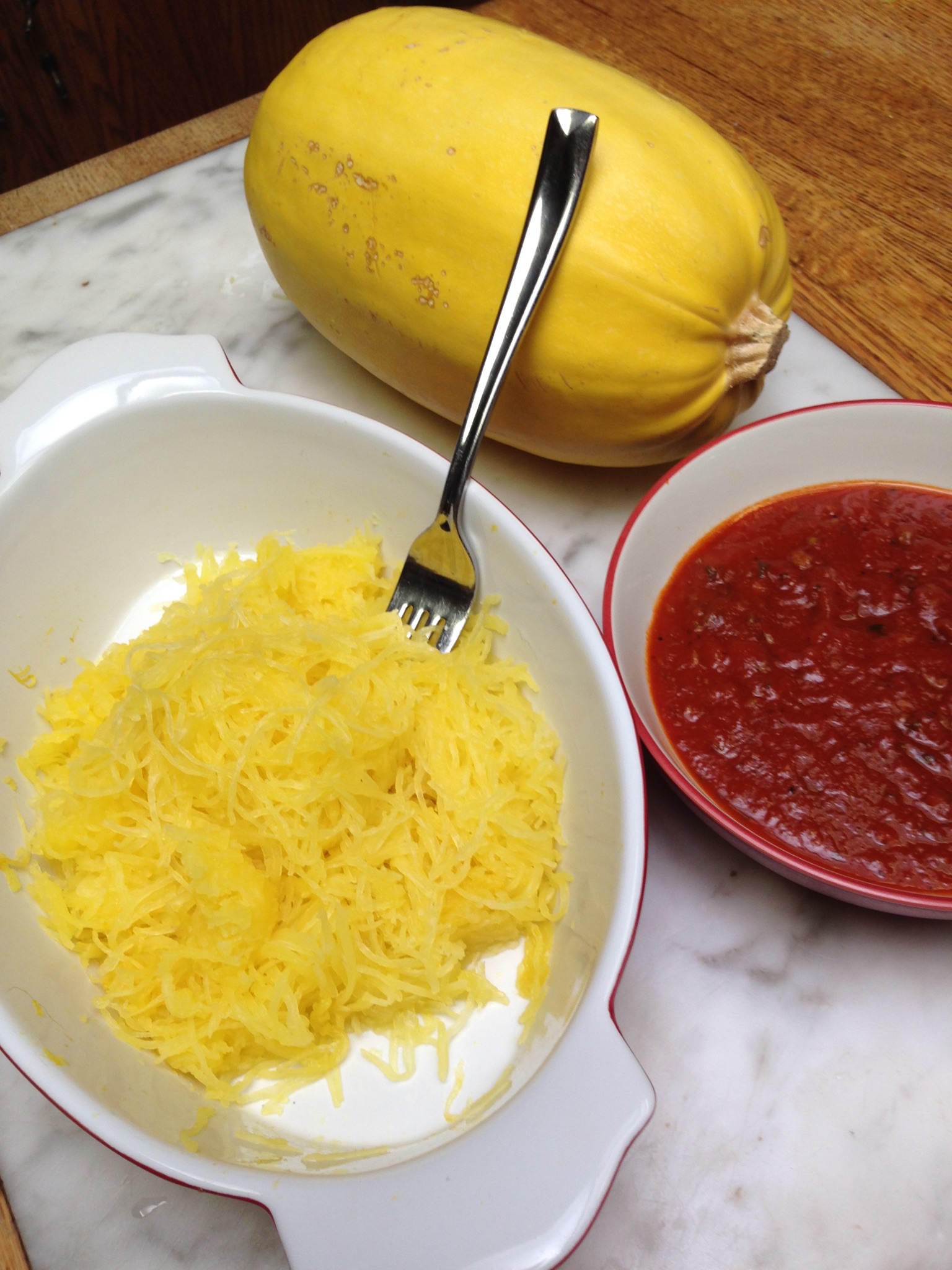
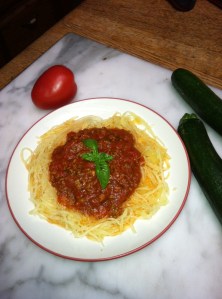
Meaty low-carb spaghetti sauce over spaghetti squash

Making a wholesale switch from the Standard American Diet or most diabetic diets to a very low-carbohydrate diet can be difficult for some under the best of circumstances. For those used to eating carb-heavy pasta, I thought it might be comforting to offer something similar to pasta but with a lower carb count. Hence, spaghetti pasta. The tomatoes in the sauce are an additional source of blood glucose-elevating carbohydrates. So I’ve tried to minimize them by creating a meat-heavy sauce. Nevertheless, a reasonable portion size—two cups 0f squash—tipped me over my usual “20 grams of carbohydrate per meal” limit. In contrast, a single cup of cooked spaghetti pasta by itself—no sauce—has 40 grams of digestible carbohydrate and 220 calories. Add some sauce and the combo could wreck your blood sugar control for a few hours. 


paleobetic diet, spaghetti, squash, low-carb diet, diabetic diet, paleo diet

Cooked spaghetti squash partially teased apart with a fork

Ingredients:

3/4 cup (240 ml) low-carb spaghetti sauce

2 cups (480 ml) cooked spaghetti squash

Instructions:

Prepare the ingredients after clicking on links above. Assemble as in the photo. Enjoy.

Number of Servings: 1

Nutritional Analysis: 

52% fat

33% carbohydrate

15% protein

408 calories

36 g carbohydrate

7 g fiber

29 g digestible carbohydrate

1,398 mg sodium

1,201 mg potassium

Prominent features: Rich in B12, copper, iron, niacin, thiamin, B6

I think you’ll find the two cups of spaghetti squash filling and satisfying. If that’s not enough calories for you, munch on some leftover high-protein food such as chicken or steak.

3 Comments

Filed under Recipes

Breaking News! Obesity Can Cut Years Off Your Life

Are you tired of this stock photo yet?

Are you tired of this stock photo yet?

MedPageToday has the details. A quote:

In a computer modeling study, very obese men lost just over 8 years of life compared with normal-weight men, and very obese women lost as many as 6 years, Steven Grover, PhD, of McGill University, and colleagues reported online in the Lancet Diabetes and Endocrinology.

They also found that very obese men and women (defined as a body mass index [BMI] of 35 and higher) lost about 19 years of healthy life, defined as living free of chronic disease such as diabetes and cardiovascular disease.

Note that “very obese” in this context has a specific definition: body mass index 35 or higher. Calculate yours.

The number of life years lost to obesity and disease were highest for those who were very obese in young adulthood and presumably stayed obese for years. In other words, becoming very obese at age 60 is not as dangerous as at 25.

I first got interested in weight loss in the 1990s when I had an office-based primary care medical practice. It was obvious that many of the medical problems I was treating were related to years of obesity. Believe me, you’re much better off preventing those problems via diet and exercise.

Click for The Lancet study abstract.

Steve Parker, M.D.

Comments Off on Breaking News! Obesity Can Cut Years Off Your Life

Filed under Diabetes Complications, Heart Disease, Longevity, Overweight and Obesity

How to Make a Super Salad Into a Whole Meal

diabetic diet, Paleobetic diet, diabetes,

You won’t be able to eat this in one sitting if you’re small or sedentary

This huge salad is a full meal. It fills a 10-inch plate (25 cm). Since it contains five vegetables, you should feel virtuous eating it. But don’t use that health halo as an excuse for eating a carton of ice cream for dessert.

Ingredients:

8 oz (230 g) raw chicken breast tenderloin (it cooks down to 5 oz)

1/4 cup (60 ml) canned mandarin orange wedges (6-7 wedges) (if you can only find these packed in syrup or light syrup, add 3 g to the digestible carb count below)

1/4 tsp (1.2 ml) lemon pepper seasoning

4 oz (110 g) hearts of romaine lettuce

1 oz (30 g) baby spinach

2.5 oz (1/4 cucumber or 70 g) cucumber, peeled and sliced into discs

2 oz (60 g) California avocado, peeled and seeded, cut into wedges (1/2 of standard-sized avocado)

3 oz (85 g) fresh tomato (a typical roma or small tomato)

1 oz (30 g) walnuts

6 tbsp (90 ml) extra virgin olive oil

2 tbsp (30 ml) vinegar (we used balsamic)

1/4 tsp (1.2 ml) salt

1/4 tsp (1.2 ml) fresh ground black pepper

1/4 tsp (1.2 ml) crushed dried rosemary

diabetic diet, Paleobetic diet, low-carb, seasoning

Like Deborah on “Everybody Loves Raymond,” my wife often makes lemon chicken

Instructions:

First cook the chicken breast over medium heat in a skillet. If you think the meat will stick to the pan, add a smidgen (1/2 tsp or 2.5 ml) of olive oil to the pan. Don’t overcook or the meat will get tough. It’ll take five or 10 minutes.

While that’s cooking, prepare your vinaigrette. In a jar with a lid, place the olive oil, vinegar, salt, pepper, and rosemary, then shake vigorously for 20 seconds. Not 21 or you’ll ruin it. You’re done.

If you use a commercial vinaigrette instead, use one that has no more than 2 g of carbohydrate per 2 tbsp. You may have trouble finding that since so many of the commercial guys add sugar.

Place the lettuce and spinach on a plate then add the cucumber, avocado, tomato, cooked chicken, walnuts, and mandarin orange wedges on top. Drizzle two or three tbsp of the vinaigrette over it (nutritional analysis assumes three). Enjoy.

Servings: 1

(Actually, you’ll have enough vinaigrette left over for one or two more salads or vegetable servings. Save it in the refrigerator.)

Nutritional Analysis:

57 % fat

12 % carbohydrate

31 % protein

710 calories

25 g carbohydrate

10 g fiber

15 g digestible carb

990 mg sodium

1,570 mg potassium

Prominent features: Rich in protein, vitamin A, B6, C, copper, iron, manganese, magnesium, pantothenic acid, selenium, and phosphorus.

low-carb diet, diabetic diet, Paleobetic diet, balsamic vinaigrette,

I like this and use it. The lower left corner says “with EXTRA VIRGIN OLIVE OIL.” In order, the listed ingredients are water, balsamic vinegar, soybean oil and extra virgin olive oil, sugar….  2 tbsp has 3 grams of carb. Which oil would you guess predominates? BTW, balsamic has the most carbs of all the vinegars.

1 Comment

Filed under Recipes

Salads, Vinaigrettes, and Cruets

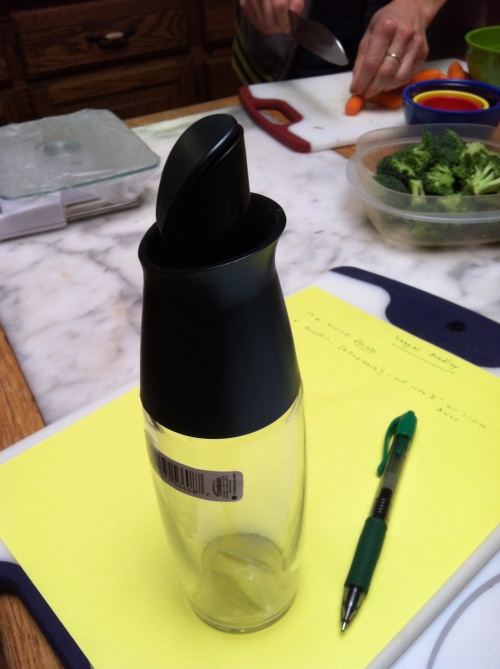
Our new cruet

Our new $8 cruet

If you’re trying to lose weight or keep from getting fat, salads are helpful. I recommend them in my Advanced Mediterranean Diet, Low-Carb Mediterranean Diet, Paleobetic Diet, and Ketogenic Mediterranean Diet.

My favorite salad dressings are vinaigrettes. They can be as simple as olive oil, vinegar, salt and pepper. The problem with most commercial vinaigrettes is the label says “_____ Vinaigrette with olive oil, “but the first listed ingredient is soybean oil (or some other industrial seed oil) and olive oil is somewhere down the line.

Get around that by making your own. Here’s a recipe and a salad to try it on. Also, if you’re watching your carb consumption, the commercial dressings  may sneak in more than you want. Again, avoid that by making your own.

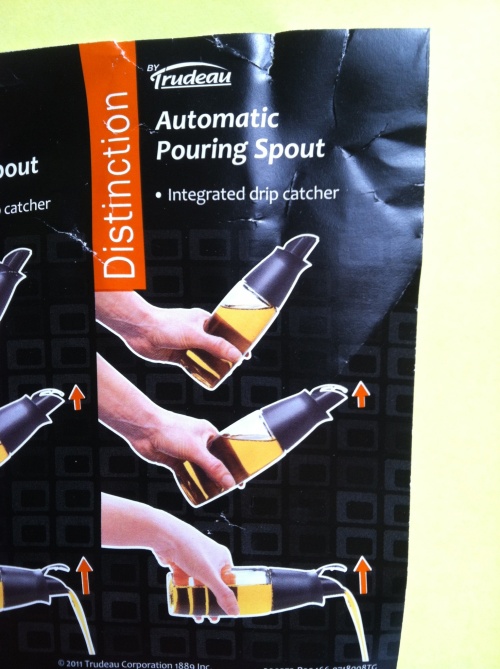
Cruet label

Cruet label

You can make a vinaigrette in a jar with a lid. Add the ingredients then shake to create an emulsion. Or do it in a bowl with a whisk. My wife found us a cruet at the supermarket that I’m hoping will allow mixing, storing, and pouring all from the same attractive container. I’ll let you know if it doesn’t work out; I’m afraid it will leak when I shake it.

Steve Parker, M.D.

PS: It leaked. This device is for a liquid that you won’t be shaking.

Comments Off on Salads, Vinaigrettes, and Cruets

Filed under Recipes