There is a common belief that “good” posture is important to protect the spine from damage, as well as prevent and treat back pain. Good posture is commonly defined as sitting “upright”, standing “tall and aligned”, and lifting with a squat technique and “straight back”.
Conversely, “slump” sitting, “slouch” standing and lifting with a “round back” or stooped posture are frequently warned against. This view is widely held by people with and without back pain, as well as clinicians in both occupational health and primary care settings
Surprisingly, there is a lack of evidence for a strong relationship between “good” posture and back pain. Perceptions of “good” posture originate from a combination of social desirability and unfounded presumptions.
An article earlier this year in the European Journal of Nutrition reported that high consumption of ultra-processed foods is linked to worse-than-average performance on one particular test of cognitive function in older U.S. adults (60+ years-old) who did not have chronic diseases such as diabetes or cardiovascular disease. The particular test was “Animal Fluency.” Never heard of it? Me either. Keep reading.
The study included 2,700 participants, average age 69. Participants were asked to recall what they ate in the prior 24 hours. Foods were “classified according to NOVA, a food classification based on the extent and purpose of industrial food processing, into four mutually exclusive groups: (1) unprocessed or minimally processed foods, (2) processed culinary ingredients, (3) processed foods, and (4) UPFs [ultra-processed foods].”
Ultra-processed foods? “…most foods described as “Frozen meals” or “Lunchables”, as well as some items described as consumed in “Restaurant fast food/pizza” or acquired at a “Vending machine” were classified as UPFs.” Furthermore, the authors write in the introduction that “UPFs, according to NOVA classification system, are industrial formulations of processed food substances (oils, fats, sugars, starch, and protein isolates) that contain little or no whole food and typically include flavourings, colourings, emulsifiers, and other cosmetic additives. UPFs are becoming dominant in diets globally and are replacing traditional diets based on unprocessed and minimally processed foods.
Of the entire study population at hand, UPFs were about half of all calories consumed but ranged from 30 to 70%.
“Cognitive performance was assessed using the Consortium to Establish a Registry for Alzheimer’s Disease (CERAD), Word Learning test, Animal Fluency test, and the Digit Symbol Substitution test (DSST).”
The Animal Fluency test “evaluates categorical verbal fluency (executive function).” “For the Animal Fluency test, the participant is requested to name as many animals as possible within a 60-s [60 seconds, I assume] time period. Each animal corresponds to 1 point and the result is presented as the total sum of points.”
Mr Ed, the fluent horse (You won’t get this if under 63)
The test subjects were given two other tests of cognitive function but the investigators found no differences in performance based on ultra-processed food consumption. Here are these other two tests:
The two parts of the CERAD Word Learning test consist of (1) three consecutive learning trials, where the participant is requested to recall a list of ten unrelated words immediately after their presentation. Each word corresponds to one point, and the result is presented as a total score across the three trials (range 0–30); and (2) a delayed word recall test, performed after the two other cognitive tests. The result ranges from 0 to 10. … For the DSST, the participant is presented a single sheet of paper where they are asked to match a list of nine symbols to numbers according to a key located on the top of the page. The task had 133 numbers and the participant had 2 min to complete it. The result is shown as the total number of correct matches. For all the tests, higher scores represent better cognitive function.
The authors conclude: “Consumption of UPF was associated with worse performance in Animal Fluency, a cognitive test that assesses language and executive function in older adults without pre-existing diseases such as CVD [cardiovascular disease] and diabetes, while no associations were observed for those with these conditions. While longitudinal studies are required to provide stronger evidence, these results suggest that decreasing UPF consumption may be a way to mitigate age-associated cognitive decline and reduce the risk of dementia.”
These are the ones I take. In the U.S., your best price may be at Costco or Sam’s Club.
I have a particular interest in preventing age-related macular degeneration (ARMD) since it runs in my family. It’s the leading cause of vision loss in adults over 50.
Question What were the long-term findings of Age-Related Eye Disease Study 2 (AREDS2) supplements regarding development of lung cancer or progression to late age-related macular degeneration (AMD)?
Findings In this epidemiologic follow-up study of the AREDS2 cohort of 3882 participants and 6351 eyes, 10-year follow-up results showed that development of lung cancer nearly doubled in participants assigned to beta carotene among former smokers but not those assigned to lutein/zeaxanthin. Lutein/zeaxanthin was associated with a reduction in the risk of progression to late AMD when compared with beta carotene.
Meaning These findings suggest that the AREDS2 supplement with lutein/zeaxanthin instead of beta carotene was safe, with no association with developing lung cancer and a potential beneficial association with further reduction in progression to late AMD.
Not sure where this is. Leave a comment if you recognize it.
Nearly all studies demonstrating the healthful effects of the Mediterranean diet were done in adults. Here’s one suggesting benefit in children.
Our findings suggest a positive correlation of Mediterranean diet adherence with health-related quality of life in children and adolescents. However, future research is needed to strengthen the evidence of this relationship.
Study participants were enrolled from Nov 2020 to Feb 2021. So probably before the delta and omicron variants. Outpatients were assigned either to a “standard program” of home monitoring or the standard program + pulse oximetry. There was no difference between groups in terms of “number of days alive and out of the hospital.” For the 30-day trial, that number was 29.4-29.5. In other words, very few of the ~1000 enrolees got very sick.
Pulse oximeters are readily available in the U.S. for ~$40.
The standard program was “COVID Watch, a 2-week program involving twice-daily automated text messages inquiring about dyspnea and offering rapid callbacks from nurses when appropriate. This program has been associated with improved survival as compared with no remote monitoring.5“
I spent about 10 mins trying to find the age of these patients. No luck. I don’t even now if they were adults. Thanks, NEJM. I’m not totally convinced that outpatient oximetry has no role in home treatment of COVID-19. But clearly not every patient needs it. Perhaps just those at high risk of hospitalization and death.
Steve Parker, M.D.
PS: Obesity is a risk factor for severe disease from COVID-19. Let me help you do something about it.
I was saddened to hear of the untimely death of Dr Sarah Hallberg even though I didn’t know her personally. DietDoctor has a tribute article about her in case you’re not familiar. An excerpt:
Dr. Hallberg first burst onto the low carb scene with a 2015 TED Talk: “Reversing type 2 diabetes starts with ignoring the guidelines” The video advocated using a low carb diet – eating minimally unprocessed whole foods like eggs, meat, and vegetables with butter or cheese – to improve blood sugar and reverse diabetes symptoms.
The video went viral and has now had more than 8.6 million views. As news of her passing spread, hundreds of viewers posted on the site saying how her advice had saved their lives.
Erectile dysfunction primarily occurs when small arteries lose the ability to dilate and allow proper blood flow. It is more common in men with hypertension or declining testosterone levels.
“In our study, consuming a Mediterranean diet was linked with better exercise capacity, healthier arteries, and blood flow, higher testosterone levels, and better erectile performance,” says Angelis.
Olives, olive oil, and vinegar: classic Mediterranean foods
Researchers at RMIT University in Australia, are seeking volunteer research participants to be involved in a study about the management of type 2 diabetes through an alternative dietary plan based on the Mediterranean diet.
Through the clinical trial scientists hope to learn whether a Mediterranean dietary pattern with or without intermittent fasting may better control diabetes, as compared with a conventional diet based on the current recommendations for patients with type 2 diabetes.
Click for brief details. I saw nothing that restricts participation to Australia residents. “Attend online appointments (via Zoom, phone or FaceTime) with the research nutritionist (PhD student) at the start of the study and again at 6 weeks, 12 weeks and 24 weeks.” This type of research is usually very safe and approved by university institutional review boards.


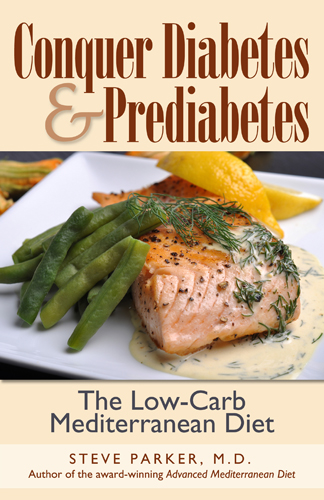











 Diabetic Mediterranean Diet