Category Archives: Longevity

A Modern History of the Diet-Heart Hypothesis

Heart attacks and chest pains are linked to blocked arteries in the heart

It was around 2009 when I was finally ready to abandon the time-honored diet-heart hypothesis. I remember wondering if I’d be excommunicated from the medical community, i.e., lose my medical license due to heresy. In a nutshell, the diet-heart hypothesis to which I refer was the idea that dietary saturated fat was the clear-cut cause of coronary artery disease and associated heart attacks, angina pectoris (reversible heart pains), and cardiac deaths. (Also strokes and peripheral arterial disease.)

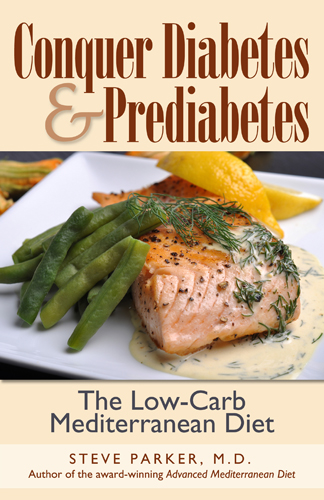
My re-evaluation of the evidence lead me to create the world’s first ketogenic Mediterranean diet, which is included in the 2nd edition of my Advanced Mediterranean diet and Conquer Diabetes and Prediabetes. Search Amazon.com and you’ll find several other subsequent ketogenic Mediterranean diet books; I wonder if any of them cited my work.

Dr. Axel Sigurdsson recently wrote an updated history of the diet-heart hypothesis, focusing on the downfall of the hypothesis and the role of George Mann, whom I’d swear I never heard of. An excerpt:

Ancel Keys changed the world. He was right about many things—that lifestyle matters, that food affects disease, that public health can’t afford to wait forever. But in boiling heart disease down to a single nutrient, he oversimplified a complex truth. His hypothesis became policy before it was fully proven. And once policy hardens, it resists correction.

George Mann was no savior. His critiques were often bombastic, his tone combative. But beneath the fire was a warning science should have heeded: that premature consensus can blind, that evidence must lead—not politics, not personalities, not the noise of institutional momentum.

I recommend the entire article to you. I suspect AI (artificial intelligence) was utilized, mainly judging from the three pictures. Dr. Sigurdsson has been publishing some great articles recently, and I believe credited AI in some of them, which is OK by me.

Steve Parker, M.D.

Leave a comment

Filed under coronary heart disease, Heart Disease, Longevity, Stroke

Impact of Artificial Sweeteners on Lifespan: New Findings

I enjoy an aspartame-flavored Fresca now and then

A July 2024 article in the July 31, 2024, Nutrition Journal suggests that artificially sweetened beverage consumption may cause increased risk of death, particularly from cardiovascular disease. Yet the researchers say that if one substitutes sugary beverages with artificially sweetened beverages, it lowers risk of all-cause mortality and cardiovascular disease mortality. This is a round about way to say that, as far as sweet drinks go, avoiding both sugary and artificially sweetened drinks may help you live longer.

From the abstract:

Our systematic review and meta-analysis demonstrated a higher consumption of artificially sweetened beverages in relation to higher risks of all-cause and cardiovascular mortality, whereas no relationship of artificially sweetened beverages with cancer mortality was observed. Compared with the participants in the lowest category of artificially sweetened beverage intakes, those in the highest category had a 13% higher risk of premature death from any cause, and a 26% higher risk of CVD (cardiovascular disease) mortality. Each one additional serving increase in artificially sweetened beverage consumption was associated with 6% and 7% higher risk for all-cause and CVD mortality, respectively. In a dose-response meta-analysis, we also observed a linear association of artificially sweetened beverage consumption with CVD mortality, with a non-linear positive association of artificially sweetened beverages with all-cause mortality. Despite this, substitution of sugary sweetened beverages with artificially sweetened beverages was associated with a lower risk of all-cause and CVD mortality. Various sensitivity analyses and subgroups analyses demonstrated the robustness of the pooled associations. Per NutriGrade, quality of the overall evidence was scored moderate for CVD mortality and all-cause mortality.

Steve Parker, M.D.

Comments Off on Impact of Artificial Sweeteners on Lifespan: New Findings

Filed under coronary heart disease, Heart Disease, Longevity

Diets That Lower CRP Levels May Prevent Chronic Disease

C-reactive protein (CRP) is a bloodstream marker of body-wide inflammation. A prominent theory is that if your CRP is too high, it causes chronic disease states like hypertension, dementia, and cardiovascular disease. A 2024 meta-analysis published in British Journal of Nutrition looked at the effects of various diets on CRP. The implication is that your odds of developing particular chronic diseases is lowered if you adopt a diet that lowers your CRP. Check the Abstract below to see how your diet stacks up:

Adopting a healthy dietary pattern may be an initial step in combating inflammation-related chronic diseases; however, a comprehensive synthesis evaluating current evidence is lacking. This umbrella review aimed to summarise the current evidence on the effects of dietary patterns on circulating C-reactive protein (CRP) levels in adults. We conducted an exhaustive search of the Pubmed, Scopus and Epistemonikos databases, spanning from their inception to November 2023, to identify systematic reviews and meta-analyses across all study designs. Subsequently, we employed a random-effects model to recompute the pooled mean difference. Methodological quality was assessed using the A Measurement Tool to Assess Systematic Reviews 2 (AMSTAR 2) checklist, and evidence certainty was categorised as non-significant, weak, suggestive, highly suggestive or convincing (PROSPERO: CRD42023484917). We included twenty-seven articles with thirty meta-analyses of seven dietary patterns, fifteen of which (50 %) exhibited high methodological quality. The summary effects of randomised controlled trials (RCT) found that the Mediterranean diet was the most effective in reducing circulating CRP levels, followed by Vegetarian/Vegan and Energy-restricted diets, though the evidence was of weak quality. In contrast, Intermittent Fasting, Ketogenic, Nordic and Paleolithic diets did not show an inverse correlation with circulating CRP levels. Some results from combined interventional and observational studies, as well as solely observational studies, also agreed with these findings. These dietary patterns show the potential in reducing CRP levels in adults, yet the lack of high-quality evidence suggests future studies may alter the summary estimates. Therefore, further well-conducted studies are warranted.

Steve Parker, M.D.

1 Comment

Filed under Longevity, Mediterranean Diet

Ketogenic Diets Reduce Risk of Death

Many physicians and dietitians have been hesitant to suggest ketogenic diets due to 1) possible increased risk of cardiovascular disease, and 2) unknown effects on overall mortality.

But a study published at Scientific Reports in October 2024 suggests that ketogenic diets reduce overall mortality by 24% with no effect on cardiovascular-related deaths. Click the link to see the full report. I haven’t read it yet. Don’t ask me what “restricted cubic spline function” means!

Steve Parker, M.D.

h/t The Low Carb Diabetic

Comments Off on Ketogenic Diets Reduce Risk of Death

Filed under coronary heart disease, Heart Disease, ketogenic diet, Longevity, Stroke

Ultra-Processed Foods: Friend or Foe?

Strawberry shortcake in Amarillo, TX. Yeah, I enjoyed the heck out of it.

We’ve heard or suspected for years that whole foods are healthier for us than processed and ultra-processed foods. But is it true?

The British Medical Journal earlier this year published a study concluding that:

…a higher intake of ultra-processed foods was associated with slightly higher all cause mortality, driven by causes other than cancer and cardiovascular diseases. The associations varied across subgroups of ultra-processed foods, with meat/poultry/seafood based ready-to-eat products showing particularly strong associations with mortality.

You can read the study for yourself free online. Did Big Food (e.g., Archer Daniels Midland, Con-Agra, Monsanto) exert any pressure on the researchers. I dunno.

From the Intro:

Ultra-processed foods are ready-to-eat/heat industrial formulations made mostly or entirely from substances derived from foods, including flavors, colors, texturizers, and other additives, with little if any intact whole food.1Ultra-processed foods, which are typically of low nutritional quality and high energy density, have been dominating the food supply of high income countries, and their consumption is markedly increasing in middle income countries.2 Ultra-processed food consumption accounts for 57% of daily energy intake among adults and 67% among youths in the US according to the National Health and Nutrition Examination Survey (NHANES).34

Ultra-processed foods usually disproportionately contribute added sugars, sodium, saturated fats and trans fats, and refined carbohydrates to the diet together with low fiber.56 As well as having low nutritional quality, ultra-processed foods may contain harmful substances, such as additives and contaminants formed during the processing.

Neurologist Steven Novella wrote a brief post about this study over at Science-Based Medicine. You may also find the comment section there enlightening.

Steve Parker, M.D.

4 Comments

Filed under Longevity

Oh Noooo! PFAS On Our Food and In Our Water

Strawberry Food” by Suzy Hazelwood/ CC0 1.0

Fruits and veggies are good for us, right. We should eat more more of them, right?

UK’s Daily Mail published a worrisome article about pesticide residues (PFAS) on many fruits and veggies: strawberries, grapes, cherries, spinach, tomatoes, peaches/nectarines, etc. The tested foods were from UK supermarkets but I bet the numbers are just as bad or worse in the U.S. PFAS stands for per- and polyfluoroalkyl substances. These man-made and long-lasting chemicals are implicated in causation of cancer, immunity impairment, infertility, impaired kidney function, thyroid disease, and low birth weight.

Thrice in the last six months I’ve heard that compared to the European Union, U.S. regulators allow many more chemical contaminants in food. That sounds like a deep and circuitous rabbit hole that I’m not ready to explore. Please mention in the comments an authoritative book or website on the subject.

I’ve been trying to grow food here in the Sonoran Desert for the last three years. I’m about ready to give up. My primary pests have been mealy bugs, caterpillars, mice, pack rats, and squirrels.

Steve Parker, M.D.

Comments Off on Oh Noooo! PFAS On Our Food and In Our Water

Filed under Longevity

How Do Koreans Stay So Slim?

…..South Koreans, specifically. Korea has one of the lowest overweight/obesity rates among OECD countries: 33.7%. Life expectancy at birth is 83.4 years, compared to 80.9 in the U.S., 82.2 in UK, 82 in Ireland, and 72.3 in Russia. Anna Lee in the video below postulates why the Korean numbers look so good. She makes a lot of sense.

Comments Off on How Do Koreans Stay So Slim?

Filed under Longevity, Overweight and Obesity

Male Versus Female Longevity

Working on powerlines is dangerous and it’s mostly men who do it.
Photo by Ana-Maria Antonenco on Pexels.com

Jim Goad is one of my favorite living cultural commentators. On par with a young P. J. O’Rourke, who died in 2022 at age 74. Last year Goad wrote a thoughtful and thought-provoking article on why women outlive men. A sample:

This disparity is not exclusive to the United States. In fact, it’s worse elsewhere. Worldwide, women outlive men by an average of seven years. According to a 2001 report, the only five countries on Earth where men outlived women were the flea-bitten open-air latrines we call Afghanistan, Nepal, Papua New Guinea, Namibia, and Zimbabwe. But a report from 2017 says there’s no longer any country on the planet where men outlive women.

It wasn’t always this way.

According to data from developed countries, men lived longer than women throughout most of the 1800s, only for the longevity stats to tip in favor of females during the 1890s — an advantage that women have held ever since. Women are supposedly more vulnerable than men to infectious diseases, but once male scientists got a grip on the microbes and brought those pesky critters to heel, women started living longer than men.

As far as I know, women have never thanked men for it.

+ + +

For another example of Goad’s work, check out his valentine, Why I Never Gave Up On Women.


  Steve Parker, M.D.

Comments Off on Male Versus Female Longevity

Filed under Longevity

10,000 Steps a Day: C’mon, Man! Is That Really Necessary?

Photo by Pixabay on Pexels.com

For perhaps 15-20 years, many health experts have recommended you walk 10,000 steps/day as important for maximizing your health and longevity. Depending on your stride length, that’s roughly 5 miles (8 km). When I walk my dogs 4 miles, it takes about 90 minutes, which is a big time commitment. Frankly, it’s often boring. But not for the dogs. So many fascinating odors!

Photo by Pixabay on Pexels.com

The good news is, you don’t need to walk the 10,000 steps in one fell swoop. Your walking around your residence and workplace throughout the day counts, too.

More good news. If you’re an older woman, maybe 4,400 steps/day is enough for a longevity benefit. In other populations studied, 6,000 to 8,000 steps/day was optimal.

I admitted a patient to the hospital a few days ago who told me her health insurer sends her a small check monthly if she meets their step goal. She’s saving them money via lower healthcare expenditures, and they’re sharing with her. I love it!

  Steve Parker, M.D.

2 Comments

Filed under Exercise, Longevity

Which Diet (way of eating) Is Best for Health and Longevity?

Proper diet undoubtedly promotes healthier aging and longevity. But what’s the right diet? A meta-analysis diet studies proposes an answer. Or more accurately, answers, based on diet-related biomarkers linked to disease and aging. Half of the studies were done in Europe, the rest from North America and Asia. The February, 2023, article was published in Nutrients. You can read the entire article online.

“….the main goal of this systematic review was to perceive the quantity and quality of different diets or aspects in nutrition, how they could modulate biomarkers and prevent aging-related diseases, in order to enlighten new intervention strategies. Biomarkers that are linked to aging-associated metabolism, inflammation processes, cognitive decline, and telomere attrition were scrutinized in order to understand how these mechanisms could actually influence healthy aging. Moreover, it could provide information to future health professionals.”

The researchers conclusions:

“In conclusion, this systematic review demonstrated the necessity for individuals to improve their diets, to reduce the emergence and development of several comorbidities and promote healthy aging. Diets rich in vegetables, fruits, nuts, cereals, fibers, fish, unsaturated fats, containing antioxidants, vitamins, potassium, omega-3—and reducing red meat and ultra-processed food intake—could prevent obesity, CVD [cardiovascular disease], and inflammation, and promote favorable glycemic, insulinemic, and lipidemic responses. Moreover, the Mediterranean diet and ketogenic diet, or a combination of these diets (MMKD), and increasing consumption of vegetables and green tea catechins, could improve one‘s working memory and decrease destabilization of the brain network and the attention domain, preventing cognitive decline. Finally, the Mediterranean diet, supplemented with CoQ or virgin olive oil, or a low-fat diet, also rich in antioxidants, could help to decrease the prevalence of atherothrombosis [arterial blood clots], hepatic steatosis, diabetes, and telomere attrition, as well as prevent oxidative and DNA damage. These diets can enhance one‘s quality of life and increase life expectancy. Moreover, a putative panel of molecular markers would follow the impact of diet/nutrition alterations during aging.”

The biomarkers tested included C-reactive protein, telomere length, HOMA-IR (insulin resistance), cholesterols, fibrinogen, platelet activating factor acetylhydrolase in HDLs, glucose, white blood cells, apolipoproteins, adiponectin, leptin, visceral adiposity index, etc.

Diets mentioned in the article include DASH, modified Alternative Healthy Eating Index, Southern European Atlantic (SEAD), Baltic Sea (a Nordic alternative to the Mediterranean diet), Mediterranean, and ketogenic Mediterranean.

This article is pretty dense reading. For science nerds only!

I was gratified to see several mentions of the ketogenic Mediterranean diet. It deserves more attention from the general public.

Steve Parker, M.D.

PS: If you have my Advanced Mediterranean Diet (2nd edition), you already have the Ketogenic Mediterranean Diet. It’s there in addition to the traditional Mediterranean diet.

Comments Off on Which Diet (way of eating) Is Best for Health and Longevity?

Filed under Longevity