Category Archives: Exercise

Exercise, Part 5: Aerobic Exercise

What’s “aerobic activity”? Just about anything that mostly makes you huff and puff. In other words, get short of breath to some degree. Examples are brisk walking, swimming, golf (pulling a cart or carrying clubs), lawn work, painting, home repair, racket sports and table tennis, house cleaning, leisurely canoeing, jogging, bicycling, jumping rope, and skiing. The possibilities are endless. A leisurely stroll in the shopping mall doesn’t qualify, unless that makes you short of breath. Don’t laugh: that is a workout for many who are obese.
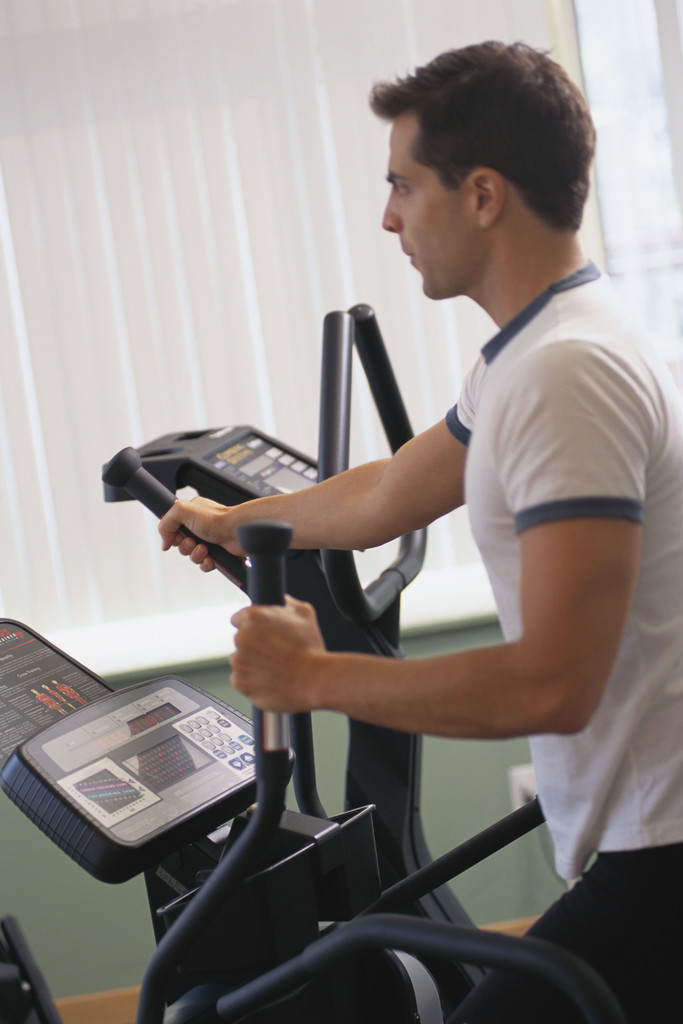
But which aerobic physical activity is best? Glad you asked!

The most important criterion is that it be pleasant for you. If not outright fun, it should be often enjoyable and always tolerable.

Your exercise of choice should also be available year-round, affordable, safe, and utilize large muscle groups. The greater mass and number of muscles used, the more calories you will burn, which is important if you’re trying to lose weight or prevent gain. Compare tennis playing with sitting in a chair squeezing a tennis ball repetitively. The tennis player burns calories much faster. Your largest muscles are in your legs, so consider walking, biking, many team sports, ski machines, jogging, treadmill, swimming, water aerobics, stationary cycling, stair-steppers, tennis, volleyball, roller-skating, rowing, jumping rope, and yard work.

Walking is “just what the doctor ordered” for many people. It’s readily available, affordable, usually safe, and requires little instruction. If it’s too hot, too cold, or rainy outside, you can do it in a mall, gymnasium, or health club.

Another option is instructional exercise DVDs, often featuring either a celebrity or prominent fitness trainer. Many of these programs require only a pair of sneakers and loose clothing. Others include the option of using inexpensive equipment, such as light hand-held weights.

If exercise videos sound appealing, consider one of these: Walk Away the Pounds—Walk Strong, by Leslie Sansone; Tighter Assets With Tamilee: Weight Loss & Cardio, by Tamilee Webb; Burn & Firm—Circuit Training, by Karen Voight; Minna Optimizer—Balanced Blend, by Minna Lessig; Personal Training System, by Denise Austin; Timesaver—Lift Weights to Lose Weight (volumes 1 & 2), Super Slimdown Circuit, and Functionally Fit—Peak Fat Burning, by Kathy Smith. Search for these titles at Amazon.com, where you can read reviews of them by actual users. Although many of these are designed for weight loss, you’ll get a good workout even if you’re at a healthy weight. Several of them also feature strength training.

Another fun option for indoor aerobic exercise is Dance Dance Revolution by Konami. Perhaps you’ve seen a version of this video game in an arcade. You must use a video game console, such as a PlayStation or Xbox, and the Dance Dance Revolution Controller along with your TV screen. The controller is a 32 inch by 36 inch (81 x 91 cm) floor pad partitioned into several large squares. The TV screen shows you which squares to step on in sequence as the music plays, and you rack up points for accurate timing and foot placement. If you enjoy moving to music, it’s more fun than I can describe

The latest indoor computerized exercise gadgets are the Kinect for Microsoft’s Xbox 360, the PlayStation Move, and Wii Fit. Check’em out.

Steve Parker, M.D.

Comments Off on Exercise, Part 5: Aerobic Exercise

Filed under Exercise

Exercise, Part 3: How Much Is Enough?

Now that you know the health benefits of exercise (see Parts 1 & 2 of this series), it’s a little easier to understand those crazy people you see jogging at 6 a.m. in below-freezing weather. I’m sure you’re ready to join them tomorrow morning. Right?

Here’s some good news. Most people following both the Ketogenic and Low-Carb Mediterranean Diets are able to lose excess weight and improve glucose control without starting an exercise program. Many—but certainly not all—will be able to maintain a stable, reasonable weight and glucose control long-term without ongoing exercise. However, for the reasons previously outlined, I recommend you start a physical activity program eventually.

Later in the series I discuss 1) who needs to get medical clearance from their personal physician before starting an exercise program, and 2) how certain diabetic complications make exercise more dangerous.

(I must warn you that athletic individuals who perform vigorous exercise should expect a deterioration in performance levels during the first three to four weeks of any very-low-carb ketogenic diet. The body needs that time to adjust to burning mostly fat for fuel rather than carbohydrate. Also, competitive weight-lifters or other anaerobic athletes (e.g., sprinters) will be hampered by the low muscle glycogen stores that accompany ketogenic diets. They need more carbohydrates for high-level performance.)

How Much Exercise?

All I’m asking you to do is aerobic activity, such as walk briskly (3–4 mph or 4.8–6.4 km/h) for 30 minutes most days of the week, and do some muscle-strengthening exercises three times a week. These recommendations are also consistent with the American Diabetes Association’s Standards of Care–2011. This amount of exercise will get you most of the documented health benefits. It’s OK if you want to wait until you’ve lost some of your excess weight, but I probably wouldn’t.

For the general public without diabetes, the U.S. Centers for Disease Control and Prevention recommends at least 150 minutes per week of moderate-intensity aerobic activity (e.g., brisk walking) and muscle-strengthening activity at least twice a week, OR 75 minutes per week of vigorous-intensity aerobic activity (e.g., running or jogging) plus muscle-strengthening activity at least twice a week. The muscle-strengthening activity should work all the major muscle groups: legs, hips, back, abdomen, chest, shoulders, arms.

Please note that you don’t have to run marathons (26.2 miles) or compete in the Ironman Triathlon to earn the health benefits of exercise. However, if health promotion and disease prevention are your goals, plan on a lifetime commitment to regular physical activity.

Parts 4 & 5 of this series review strength training and aerobic exercise.

Steve Parker, M.D. 

3 Comments

Filed under Exercise

Exercise, Part 2: The Fountain of Youth and Other Metabolic Effects

Part 1 of the Exercise series focused on how regular physical activity prevented or postponed death. Onward now to other benefits.

Waist Management

Where does the fat go when you lose weight dieting? Chemical reactions convert it to energy, water, and carbon dioxide, which weigh less than the fat. Most of your energy supply is used to fuel basic life-maintaining physiologic processes at rest, referred to as resting or basal metabolism. Basal metabolic rate (BMR) is expressed as calories per kilogram of body weight per hour.

The major determinants of BMR are age, sex, and the body’s relative proportions of muscle and fat. Heredity plays a lesser role. Energy not used for basal metabolism is either stored as fat or converted by the muscles to physical activity. Most of us use about 70 percent of our energy supply for basal metabolism and 30 percent for physical activity. Those who exercise regularly and vigorously may expend 40–60 percent of their calorie intake doing physical activity. Excess energy not used in resting metabolism or physical activity is stored as fat.

Insulin, remember, is the main hormone converting that excess energy into fat; and carbohydrates are the major cause of insulin release by the pancreas.

To some extent, overweight and obesity result from an imbalance between energy intake (food) and expenditure (exercise and basal metabolism). Excessive carbohydrate consumption in particular drives the imbalance towards overweight, via insulin’s fat-storing properties.

In terms of losing weight, the most important metabolic effect of exercise is that it turns fat into weightless energy. We see that weekly on TV’s “Biggest Loser” show; participants exercise a huge amount. Please be aware that conditions set up for the show are totally unrealistic for the vast majority of people.

Physical activity alone as a weight-loss method isn’t very effective. But there are several other reasons to recommend exercise to those wishing to lose weight. Exercise counteracts the decrease in basal metabolic rate seen with calorie-restricted diets. In some folks, exercise temporarily reduces appetite (but others note the opposite effect). While caloric restriction during dieting can diminish your sense of energy and vitality, exercise typically does the opposite. Many dieters, especially those on low-calorie poorly designed diets, lose lean tissue (such as muscle and water) in addition to fat. This isn’t desirable over the long run. Exercise counteracts the tendency to lose muscle mass while nevertheless modestly facilitating fat loss.

How much does exercise contribute to most successful weight-loss efforts? Only about 10 percent on average. The other 90 percent is from food restriction.

Fountain of Youth

Regular exercise is a demonstrable “fountain of youth.” Peak aerobic power (or fitness) naturally diminishes by 50 percent between young adulthood and age 65. In other words, as age advances even a light physical task becomes fatiguing if it is sustained over time. By the age of 75 or 80, many of us depend on others for help with the ordinary tasks of daily living, such as housecleaning and grocery shopping. Regular exercise increases fitness (aerobic power) by 15–20 percent in middle-aged and older men and women, the equivalent of a 10–20 year reduction in biological age! This prolongation of self-sufficiency improves quality of life.

Heart Health

Exercise helps control multiple cardiac (heart attack) risk factors: obesity, high cholesterol, elevated blood pressure, high triglycerides, and diabetes. Regular aerobic activity tends to lower LDL cholesterol, the “bad cholesterol.” Jogging 10 or 12 miles per week, or the equivalent amount of other exercise, increases HDL cholesterol (“good cholesterol”) substantially. Exercise increases heart muscle efficiency and blood flow to the heart. For the person who has already had a heart attack, regular physical activity decreases the incidence of fatal recurrence by 20–30 percent and adds an extra two or three years of life, on average.

Effect on Diabetes

Eighty-five percent of type 2 diabetics are overweight or obese. It’s not just a random association. Obesity contributes heavily to most cases of type 2 diabetes, particularly in those predisposed by heredity. Insulin is the key that allows bloodstream sugar (glucose) into cells for utilization as energy, thus keeping blood sugar from reaching dangerously high levels. Overweight bodies produce plenty of insulin, often more than average. The problem in overweight diabetics is that the cells are no longer sensitive to insulin’s effect. Weight loss and exercise independently return insulin sensitivity towards normal. Many diabetics can improve their condition through sensible exercise and weight management.

Miscellaneous Benefits

In case you need more reasons to start or keep exercising, consider the following additional benefits: 1) enhanced immune function, 2) stronger bones, 3) preservation and improvement of flexibility, 4) lower blood pressure by 8–10 points, 5) diminished premenstrual bloating, breast tenderness, and mood changes, 6) reduced incidence of dementia, 7) less trouble with constipation, 7) better ability to handle stress, 8) less trouble with insomnia, 9) improved self-esteem, 10) enhanced sense of well-being, with less anxiety and depression, 11) higher perceived level of energy, and 12) prevention of weight regain.

People who lose fat weight but regain it cite lack of exercise as one explanation. One scientific study by S. Kayman and associates looked at people who dropped 20 percent or more of their total weight, and the role of exercise in maintaining that loss. Two years after the initial weight loss, 90 percent of the successful loss-maintainers reported exercising regularly. Of those who regained their weight, only 34 percent were exercising.

 Part 3 of this series gets into specific exercise recommendations.

Steve Parker, M.D.

12 Comments

Filed under Exercise, Weight Loss, Weight Regain

Exercise, Part 1: Exercise Postpones Death

Earlier this month, many folks made New Years’ resolutions to start exercising in conjunction with their other resolution to lose excess weight. I’ve got bad news for them.

Exercise is overrated as a pathway to major weight loss.

Sure, a physically inactive young man with only five or 10 pounds (2 to 4 kg) to lose might be able to do it simply by starting an exercise program. That doesn’t work nearly as well for women. The problem is that exercise stimulates appetite, so any calories burned by exercise tend to be counteracted by increased food consumption.

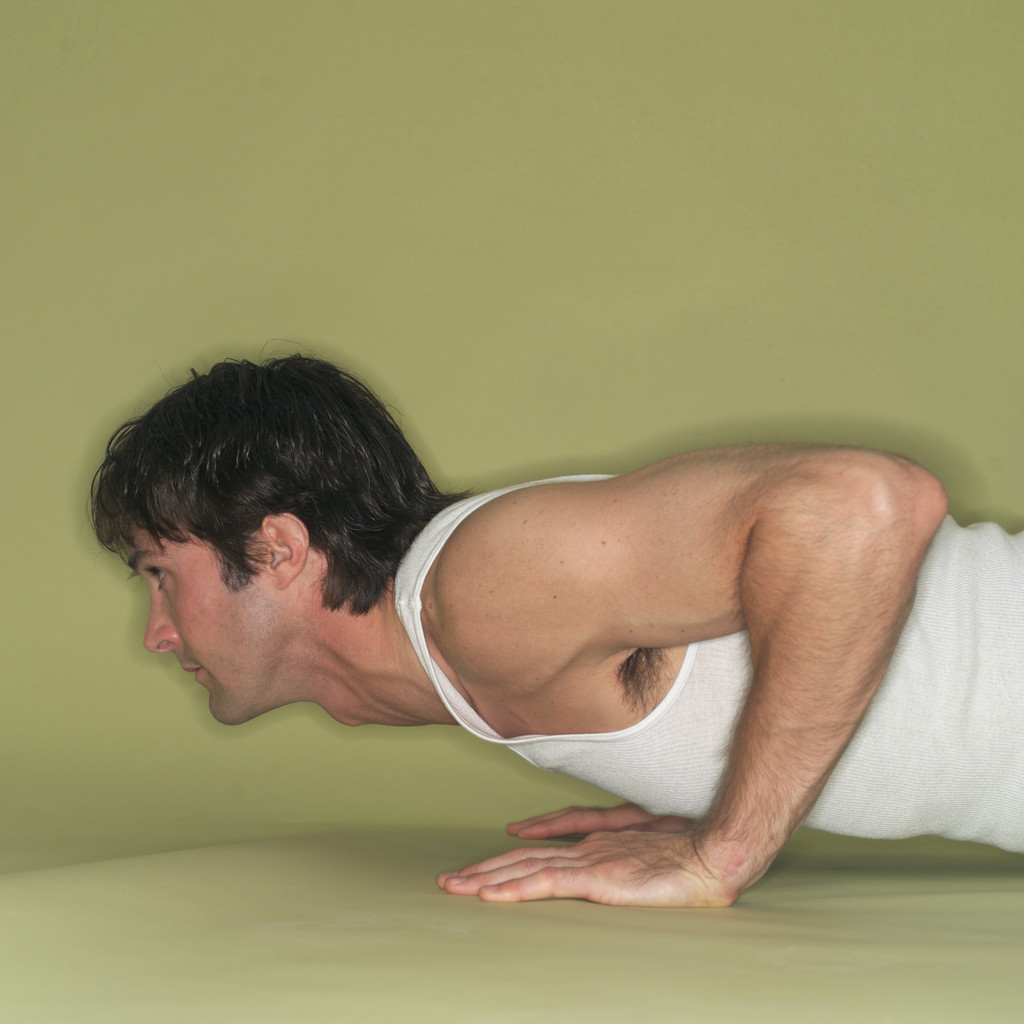
"Should I go with aerobic or strength training....?"

On the other hand, exercise is particularly important for diabetics and prediabetics in two respects: 1) it helps in avoidance of overweight, especially after weight loss, and 2) it helps control blood sugar levels by improving insulin resistance, perhaps even bypassing it.

Even if it doesn’t help much with weight loss, regular physical activity has myriad general health benefits. First, let’s look at its effect on death rates.   

EXERCISE PREVENTS DEATH

As many as 250,000 deaths per year in the United States (approximately 12% of the total) are attributable to a lack of regular physical activity. We know now that regular physical activity can prevent a significant number of these deaths.

Exercise induces metabolic changes that lessen the impact of, or prevent altogether, several major illnesses, such as high blood pressure, coronary artery disease, diabetes, and obesity. There are also psychological benefits. Even if you’re just interested in looking better, awareness of exercise’s other advantages can be motivational.

Exercise is defined as planned, structured, and repetitive bodily movement done to improve or maintain physical fitness.

Physical fitness is a set of attributes that relate to your ability to perform physical activity. These attributes include resting heart rate, blood pressure at rest and during exercise, lung capacity, body composition (weight in relation to height, percentage of body fat and muscle, bone structure), and aerobic power.

Aerobic power takes some explanation. Muscles perform their work by contracting, which shortens the muscles, pulling on attached tendons or bones. The resultant movement is physical activity. Muscle contraction requires energy, which is obtained from chemical reactions that use oxygen. Oxygen from the air we breathe is delivered to muscle tissue by the lungs, heart, and blood vessels. The ability of the cardiopulmonary system to transport oxygen from the atmosphere to the working muscles is called maximal oxygen uptake, or aerobic power. It’s the primary factor limiting performance of muscular activity.

Aerobic power is commonly measured by having a person perform progressively more difficult exercise on a treadmill or bicycle to the point of exhaustion. The treadmill test starts at a walking pace and gets faster and steeper every few minutes. The longer the subject can last on the treadmill, the greater his aerobic power. A large aerobic power is one of the most reliable indicators of good physical fitness. It’s cultivated through consistent, repetitive physical activity.

Physical Fitness Effect on Death Rates

Regular physical activity postpones death.

Higher levels of physical fitness are linked to lower rates of death primarily from cancer and cardiovascular disease (e.g., heart attacks and stroke). What’s more, moving from a lower to a higher level of fitness also prolongs life, even for people over 60.

Part 2 of this series will cover all the other health benefits of exercise. Part 3 will outline specific exercise recommendations, such as the type and duration of activity.

Steve Parker, M.D.

13 Comments

Filed under Exercise

Aerobic vs Strength Training: Which Improves Diabetes More?

Judging from improvement in hemoglobin A1c, the combination of aerobic and strength training is needed to improve diabetic blood sugar levels.  Both types of exercise—when considered alone—did not improve diabetes control, according to the latest research in the Journal of the American Medical Association.

One type of resistance training

One of the things that impressed me about Dr. Richard Bernstein’s book, Diabetes Solution, was his strong advocacy of weight training, also known as resistance training and strength training.  Weight lifting is a typical example.

Prior studies had shown exercise-induced  improvements (reductions)  in hemoglobin A1c, a great test for overall diabetes control, in the range of o.66% to 1.0% (absolute change, not relative).  That’s comparable to what we see with many drugs.  Much easier to pop a pill though, huh?

One earlier study showed hemoglobin A1c lowered by 0.4% with resistance training, 0.5% with aerobic training, and 1.0% with combined resistance/aerobic.  But folks doing both aerobic and resistance were exercising 270 minutes a week—39 minutes a day—which was significantly more than the people just doing one type of exercise. [This was the DARE study: Diabetes Aerobic and Resistance Exercise.] 

Investigators at the Pennington Biomedical Research Center in Louisiana wondered which type of exercise would be more effective, comparing the same minutes per week of activity.

Methodology

They randomized 262 sedentary type 2 diabetics to one of four groups: control, aerobic exercise, resistance training 3 days a week, or combined aerobic and resistance training (resistance twice weekly).  All three groups exercised for about 140 minutes a week—just 20 minutes a day, on average—for nine months.  Exercise intensity was 50 to 80% of maximum oxygen consumption (determined by a baseline treadmill stress test).  Nearly all participants were on diabetic drugs; 18% were on insulin.  I think the aerobic group exercised on treadmills.

Participant characteristics:  Women were 64% of the total.  Average age 56. Forty-seven percent were non-white (114 black, 10 Hispanic/other).  Average body mass index was 35.  Average hemoglobin A1c was 7.7%.  Not too many people dropped out of the study before it was over.

Results

No serious adverse event occurred during exercise.  The authors didn’t mention the occurence of hypoglycemia.

The combination training group dropped their hemoglobin A1c average by 0.34% (p = 0.03). The pure resistance and aerobic exercisers didn’t show any improvement over the control group.

The combination group lost 1.6 kg body weight on average compared to the control group.  Pure resistance and aerobic exercisers’ weights didn’t differ from the control group. [Remember, this was not a weight-loss study.]

Comments

The authors write:

The failure of the aerobic group to lose a substantial amount of weight (or fat) has been reported in numerous aerobic exercise trials, which may be due to aerobic training resulting in [higher] energy intake, expenditure compensation, or both.

If you’re trying to lose excess fat weight, resistance training appears to win over aerobic exercise.

Doing either aerobic execise or resistance exercise for an average of 20 minutes a day will not improve hemoglobin A1c levels in most type 2 diabetics.  We can assume blood sugars aren’t lower either.  It takes a combination of both types of exercise to lower hemoglobin A1c.

A hundred and forty minutes of exercise weekly—just 20 minutes a day—is not too much to ask for, if improved health and weight management are the goals.  More would be better.

Over nine months, the control group ended up needing more diabetic drugs.  The combination training group decreased its drug use.

Dr. Bernstein may still by right to stress resistance training over aerobic.  I bet he’d say these folks weren’t exercising enough.  The study at hand suggests that it’s important to do both types of exercise, especially if you’re not going to put much time into it.

The details of the resistance training program are probably important.  You can read the study yourself and decide if participants were on a good regimen.  I’ve little expertise in that area. 

ResearchBlogging.orgDiabetics taking insulin, sulfonylureas, and meglitinides are at risk for hypoglycemia during exercise. The study authors made little mention of this, so it may be safe to assume it wasn’t a problem. Certified diabetes educators saw participants monthly, which may have nipped the problem in the bud.

Steve Parker, M.D.

Reference: Church, T., Blair, S., Cocreham, S., Johannsen, N., Johnson, W., Kramer, K., Mikus, C., Myers, V., Nauta, M., Rodarte, R., Sparks, L., Thompson, A., & Earnest, C. (2010). Effects of Aerobic and Resistance Training on Hemoglobin A1c Levels in Patients With Type 2 Diabetes: A Randomized Controlled Trial JAMA: The Journal of the American Medical Association, 304 (20), 2253-2262 DOI: 10.1001/jama.2010.1710

7 Comments

Filed under Exercise