Category Archives: Drugs for Diabetes

Which Drug Is Best for Treatment of Type 2 Diabetes?

Physicians now have an amazing array of drug therapies  for control of type 2 diabetes.  Until now, there has been no consensus as to which drugs to use, and when.

The American Association of Clinical Endocrinologists and the American College of Endocrinology have just issued a joint statement with specific drug recommendations.  Their algorithm is quite detailed.  Here are a few highlights you might not know about:

  • Regular human insulin is not recommended
  • NPH insulin is not recommended
  • The following should be used earlier and more frequently:  GLP-1 agonists (exenatide) and DPP-4 inhibitors (sitagliptin and saxagliptin)
  • sulfonylureas are a lower priority
  • metformin is still a key drug

In the U.S., exenatide is sold as Byetta; sitagliptin is Januvia; saxagliptin is Onglyza; metformin is Glucophage (among others). 

If you have type 2 diabetes and are arguing with your physician about optimal drug therapy, this treatment algorithm may be a helpful tie-breaker. 

Steve Parker, M.D.

Reference:  Statement by an American Association of Clinical Endocrinologists/American College of Endocrinology consensus panel on type 2 diabetes mellitus: An algorithm for glycemic controlEndocrine Practice, 15 (2009): 540-559.

2 Comments

Filed under Drugs for Diabetes

Low-Carb Mediterranean Diet Beats Low-Fat For Recent-Onset Type 2 Diabetes

MPj03417870000[1]A low-carbohydrate Mediterranean diet dramatically reduced the need for diabetic drug therapy, compared to a low-fat American Heart Association diet.  The Italian researchers also report that the Mediterranean dieters also lost  more weight over the first two years of the study.

Investigators suggest that the benefit of the Mediterranean-style diet is due to greater weight loss, olive oil (monunsaturated fats increase insulin sensitivity), and increased adiponectin levels.

The American Diabetes Association recommends both low-carbohydrate and low-fat diets for overweight diabetics.  The investigators wondered which of the two might be better, as judged by the need to institute drug therapy in newly diagnosed people with diabetes.

Methodology

Newly diagnosed type 2 diabetics who had never been treated with diabetes drugs were recruited into the study, which was done in Naples, Italy.  At the outset, the 215 study participants were 30 to 75 years of age, had body mass index over 25 (average 29.5), had average hemoglobin A1c levels of 7.73, and average glucose levels of 170 mg/dl.

Participants were randomly assigned to one of two diets:

  1. Low-carb Mediterranean diet (“MED diet”, hereafter):  rich in vegetables and whole grains, low in red meat (replaced with poultry and fish), no more than 50% of calories from complex carbohydrates, no less than 30% of calories from fat (main source of added fat was 30 to 50 g of olive oil daily).  [No mention of fruits or wine.  BTW, the traditional Mediterranean diet derives 50-60% of energy from carbohydrates.]
  2. Low-fat diet based on American Heart Association guidelines:  rich in whole grains, restricted additional fats/sweets/high-fat snacks, no more than 30% of calories from fat, no more than 10% of calories from saturated fats.

Both diet groups were instructed to limit daily energy intake to 1500 (women) or 1800 (men) calories.

All participants were advised to increase physical activity, mainly walking for at least 30 minutes a day.

Drug therapy was initiated when hemoglobin A1c levels persisted above 7% despite diet and exercise.

The study lasted four years.

Results

By the end of 18 months, twice as many low-fat dieters required diabetes drug therapy compared to the MED dieters—24% versus 12%.

By the end of four years, seven of every 10 low-fat dieters were on drug therapy compared to four of every 10 MED dieters. 

The MED dieters lost 2 kg (4.4 lb) more weight by the end of one year, compared to the low-fat group.  The groups were no different in net weight loss when measured at four years: down 3–4 kg (7–9 lb).

Compared to the low-fat group, the MED diet cohort achieved significantly lower levels of fasting glucose and hemoglobin A1c throughout the four years.

The MED diet group saw greater increases in insulin sensitivity, i.e., they had less insulin resistance.

The MED group had significantly greater increases in HDL cholesterol and decreases in trigylcerides throughout the study.  Total cholesterol decreased more in the MED dieters, but after the first two years the difference from the low-fat group was not significantly different. 

The Mediterranean group’s intake of carbohydrates was 8-9% lower than baseline, monounsaturated fat was 5.5% higher than baseline, and polyunsaturated fat was 2.5% higher than baseline.  Compared with their baseline, the low-fat group didn’t make much change in these nutrient groups.  These numbers hold up for all four years of the study. 

Comments

The MED diet here includes “no more than 50% of calories from complex carbohydrates.”  The authors don’t define complex carbs.  Simple carbohydrates are monosaccharides and disaccharides.  Complex carbs are oligosaccharides and polysaccharides.  Another definition of complex carbs is “fruits, vegetables, and whole grains,” which I think is definition of complex carbs applicable to this study. 

The editors of the Annals of Internal Medicine conclude that:

A low-carbohydrate, Mediterranean-style diet seems to be preferable to a low-fat diet for glycemic control in patients with newly diagnosed type 2 diabetes.

I’m sure the American Diabetes Association will take heed of this study when they next revise their diet guidelines.  If I were newly diagnosed with type 2 diabetes, I wouldn’t wait until then.

This study dovetails nicely with others that show prevention of type 2 diabetes with the Mediterranean diet, reversal of metabolic syndrome—a risk factor for diabetes—with the Mediterranean diet (supplemented with nuts), and prevention of type 2 diabetes and pre-diabetes in people who have had a heart attack.

For instruction on how to lose weight with a Mediterranean-style diet, click here (it’s not the low-carb diet used in the study at hand).

For general information on Mediterranean eating, visit Oldways.

Steve Parker, M.D.

Reference:  Esposito, Katherine, et al.  Effects of a Mediterranean-style diet on the need for antihyperglycemic drug therapy in patients with newly diagnosed type 2 diabetesAnnals of Internal Medicine, 151 (2009): 306-314.

1 Comment

Filed under Carbohydrate, Drugs for Diabetes, Mediterranean Diet

Metformin May Reduce Pancreatic Cancer Risk in Diabetics


Reuters reported recently that people with type 2 diabetes using metformin had a 60% lower risk of developing pancreatic cancer compared with diabetics who never used metformin.  People taking insulin and drugs that stimulate insulin secretion,  such as sulfonylureas and glinides, also seem to be at higher risk of pancreas cancer. 

"OK, guys, are we ready to go get that cancer?"

"OK, guys, are we ready to go get that cancer?"

Lead researcher for the study, Donghui Li, is affiliated with the University of Texas M.D. Anderson Cancer Center.  My sense is that the research has not yet been published in a peer-reviewed professional journal. 

About one in every 75 people in the U.S. will develop pancreatic cancer, which is a particularly dangerous cancer.  That translates to 38,000 new cases yearly.  Both type 1 and type 2 diabetics are twice as likely as the general population to develop it.  The best chance for a cure is surgical removal of the malignancy.

Prevention is even better.

Steve Parker, M.D.

Reference:  Steenhuysen, Julie.  Drug cuts diabetics’ pancreatic cancer risk: study.  Reuters, August 3, 2009.

1 Comment

Filed under Diabetes Complications, Drugs for Diabetes

U.S. Food and Drug Administration Approves Saxagliptin (Onglyza) for Type 2 Diabetes

CB107673Yesterday, July 31, 2009, the FDA approved use of saxagliptin, a DPP4 inhibitor, in adults with type 2 diabetes as an adjunct to diet and exercise.  Bristol-Myers Squibb and AstraZeneca will sell the drug under the brand name Onglyza.
The drug’s only competitor in the U.S. market is Merck’s Januvia, which sold over $400 million in the first quarter of this year.

“How does saxagliptin work?”

Incretin hormones influence secretion of insulin and glucagon by the pancreas.  The dipeptidyl peptidase-4 (DPP4) enzyme inactivates these incretin hormones.  Saxagliptin inhibits the DPP4 enzyme, resulting in increased insulin production and decreased production of glucagon. 

“But it causes bad side effects, right?”

No, not that we know of yet.  Overall, incidence of side effects is similar to placebo side effects.  The drug may slightly increase headache, runny nose, and sore throat.  Risk of hypoglycemia is increased minimally, if at all. 

“Can I use Onglyza with my other diabetes drugs?”

It’s FDA-approved for use by itself or in combination with metformin, sulfonylureas, and thiazolidinediones. 

“What’s the dose?”

2.5 or 5 mg by mouth daily, without regard to meals. 

“Is this a tremendous breakthrough in treatment of type 2 diabetes?”

Probably not.  But it’s good to have another treatment option.  And competition among the drug manufacturers tends to bring down prices.   

Steve Parker, M.D.

References: 

Bristol-Myers Squibb.   Press Release from Bristol-Myers Squibb, July 31, 2009.

Goldstein, Jacob.  Saxagliptin approval: Finally, competition for Merck’s Januvia.  WSJ.com Health Blog, July 31, 2009.

Comments Off on U.S. Food and Drug Administration Approves Saxagliptin (Onglyza) for Type 2 Diabetes

Filed under Drugs for Diabetes

TZDs Associated With Broken Bones

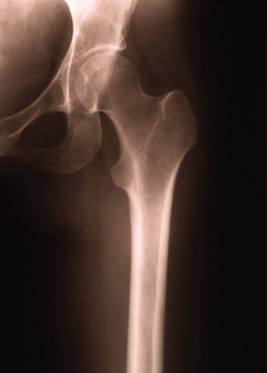
You do NOT want this hip bone to break!

You do NOT want this hip bone to break!

A study presented at the 2009 Scientific Sessions of the American Diabetes Association associated thiazolidinedione drugs with a 40% higher fracture risk. 

Thiazolidinediones used in the U.S. are rosiglitazone (Avandia) and pioglitazone (Actos).  “Thiazolidinedione” is so hard to pronounce that my physician colleagues refer to them as “TZDs” or “glitazones.” 

The researchers examined the Medco database – more than 13 million people – looking for people with diabetes between the ages of 43 and 63 at study onset who were using TZDs, metformin, exenatide (Byetta), or a sulfonylurea (e.g., glipizide, glyburide, glimiperide).

Note that this study has not yet undergone the peer-review process and been published in a medical journal.

Take-Home Points 

These results are prelimary and require confirmation and peer-review by experts in the field.  Nevertheless, if I had diabetes and were at risk of broken bones –  presence of osteoporosis, for example – I would ask my doctor about alternatives before taking TZDs.  Stay alert for developments.   

Steve Parker, M.D.

Reference:  Wood, Shelley.  More evidence links glitazones to broken bones.  TheHeart.org, June 12, 2009.

Comments Off on TZDs Associated With Broken Bones

Filed under Drugs for Diabetes

Colesevelam (Welchol) Treatment for Type 2 Diabetes

Are you sick and tired of taking pills?

Are you sick and tired of taking pills?

David Mendosa’s May 20, 2009, blog post at HealthCentral.com brought to my attention a little-used diabetes drug, colesevelam HCl.  The brand name is Welchol, and it has been around in the U.S. since 2000 for treatment of high cholesterol.
Colesevelam is in a class called bile acid sequestrants.  Taken in pill form, it is minimally absorbed from the gastrointestinal tract, which generally minimizes the chance for serious side effects.  It can, however, interfere with absorption of many other drugs, thereby impairing the effectiveness of those drugs. 

The U.S. Food and Drug Administration has approved the drug for 1) treating high cholestrol, and 2) treatment of type 2 diabetes in combination with insulin or oral antidiabetes medications.  So, it’s not a diabetic medication to be used by itself.  The most common side effects are constipation and dyspepsia. 

WebMD has a patient-friendly article on colesevelam.

I see very few patients using Welchol for treatment of diabetes, and I’m not entirely sure why.  It may be related to the interference with absorption of other drugs.  Many people with diabetes are on multiple oral medications.  Another reason is that, since it cannot be used alone, it adds a layer of complexity to treatment.  Some physicians would be tempted to use it in a diabetic with high cholesterol: the old “kill two birds with one stone” trick.  However, it’s unknown whether such use acturally reduces cardiovasular disease and mortality.  Statin drugs – the market leaders in lowering cholesterol – do reduce cardiovascular disease rates and mortality. 

By my count, we how have 10 classes of drugs to help us fight diabetes, compared with three or so when I started my medical career.

Steve Parker, M.D.

Additional information:  FDA Prescribing Information.

Comments Off on Colesevelam (Welchol) Treatment for Type 2 Diabetes

Filed under Drugs for Diabetes

Cycloset (Bromocriptine) Approved for Treatment of Type 2 Diabetes

Better living through chemistry

Better living through chemistry

Cycloset (generic name = bromocriptine mesylate) was just approved for treatment of type 2 diabetes by the U.S. Food and Drug Administration.  It’s a completely new approach that increases dopamine activity in the brain.  This review is quite limited—consult your physician or pharmacist for full details.  Remember that drug names vary by country and manufacturer. 

Class

Dopamine receptor agonist.

How Does It Work?

How it lowers glucose levels is not entirely clear, but it may reset or alter glucose metabolism in tissues outside the brain.  Bromocriptine is an ergot derivative that increases dopamine activity in the brain.  Cycloset improves after-meal glucoses without an increase in blood insulin levels.  This is appealing since high insulin levels are implicated as a contributor to some chronic diseases.

Usage

It’s for adults with type 2 diabetes and can be used alone or with certain other diabetes drugs.  “Other drugs” used in clinical trials were mostly metformin and sulfonylureas, with less experience using it with thiazolidinediones.  We know little about using it with insulin.  Bromocriptine is not for type 1 diabetics or diabetic ketoacidosis.  It lowers hemoglobin A1c by 0.6 to 0.9% (absolute decrease).

Dose

Start with 0.8 mg every morning and increase by an additional tablet (0.8 mg) weekly up to 4.8 mg or the maximal tolerated dose (1.6 to 4.8 mg).  Take all of it in the morning.

Side Effects

In clinical studies, the most common cause for discontinuation of the drug was nausea.  It can cause drowsiness, fainting, blood pressure drops with standing (causing lightheadedness, fainting, weakness, or sweating), fatigue, vomiting, and headaches.  Hypoglycemia is not much of a problem, if any, when bromocriptine is used as the sole diabetic medication.  In other words, bromocriptine by itself may slightly increase the risk of hypoglycemia. 

Bromocriptine has been in use for many years to treat other conditions, so we may not see any of the unforeseen consequences that have led to so many drugs being pulled from the market a couple years after FDA approval.

Don’t Use It If You  . . .

-take neuroleptic drugs, are a nursing mother, have syncopal migraines (that make you faint), have hypersensitivity to ergot-related drugs, or have a severe psychotic disorder.

If you gotta have type 2 diabetes, this is a great time in history to have it.  Twenty five years ago, we had maybe three classes of medications to fight it.  By my count, we’re up to 11 classes now.  Always good to have options!

Steve Parker, M.D.

Reference:  VeroScience Announces FDA Approval of Cyclocet for Treatment of  Type 2 Diabetes, in Medical News Today, May 7, 2009.

Cycloset Package Insert

Date last modified: December 2, 2010

Comments Off on Cycloset (Bromocriptine) Approved for Treatment of Type 2 Diabetes

Filed under Drugs for Diabetes